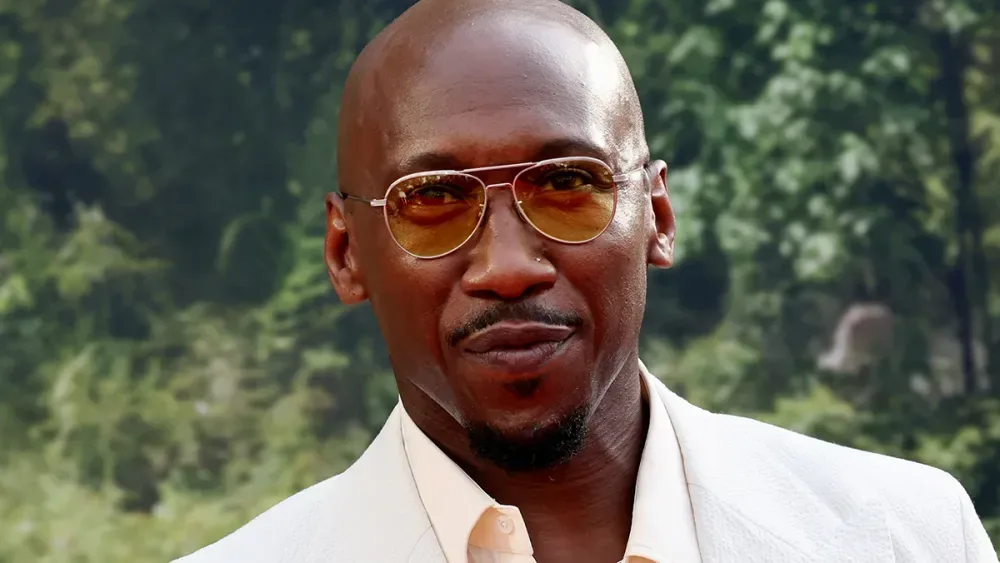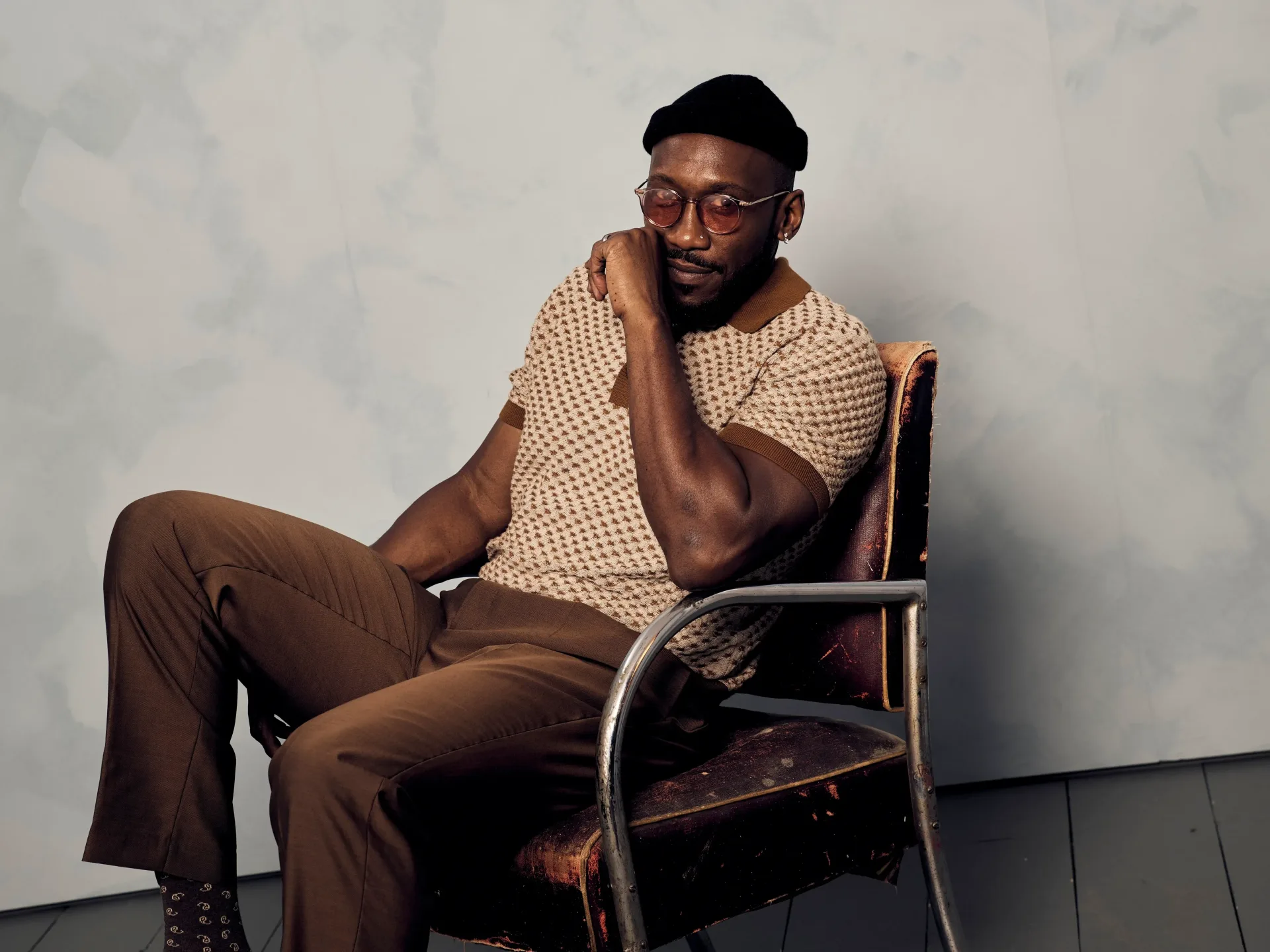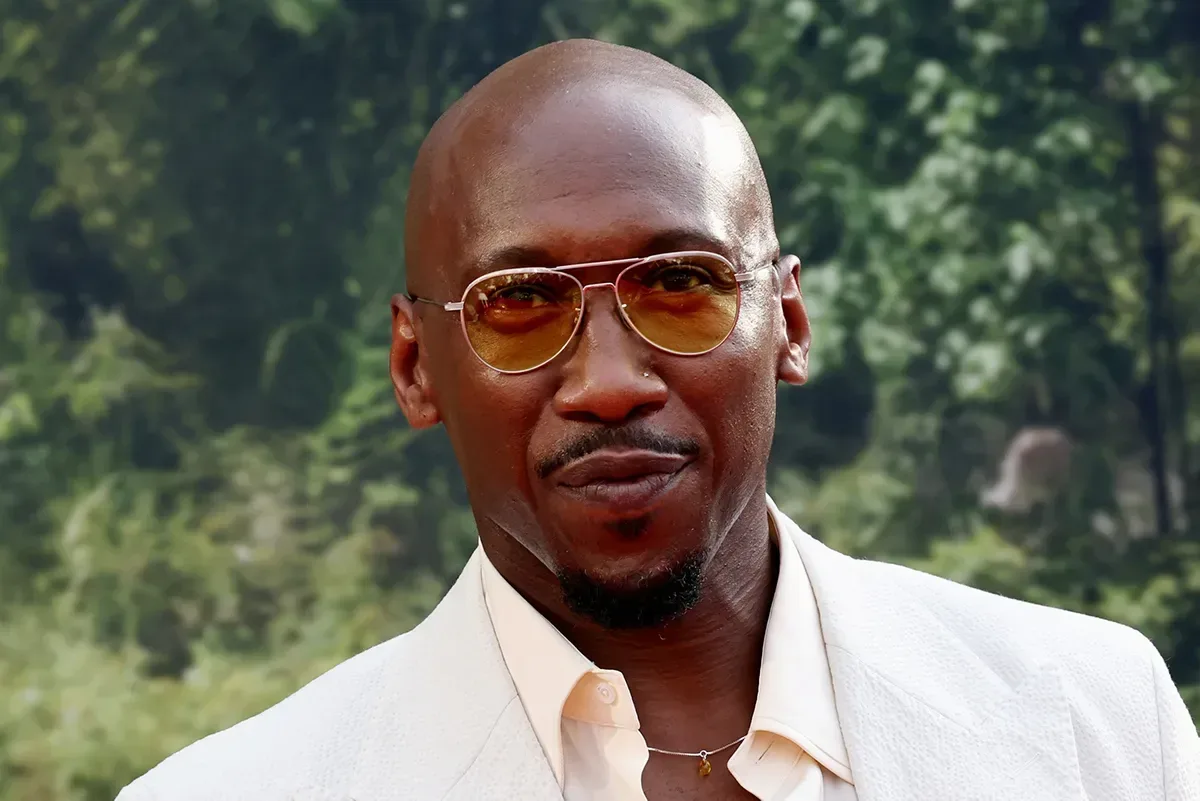
Mahershala Ali has again addressed the long-stalled Blade reboot, and his assessment is unusually blunt: he says he agrees with Marvel Studios president Kevin Feige that the project is the biggest failure of Feige’s career.
The key frustration is not merely that a release date moved or that a production hit one bad patch. Ali says he still does not know why the film, announced in July 2019 with him attached to play Blade, never progressed to production. The actor’s comments place the unfinished reboot in especially stark terms: a two-time Oscar winner was under contract, the studio had substantial resources, and yet the movie did not get made.
“That’s a Kevin Feige question,” Ali said when asked about the reason the film never went into production. “To this day, I don’t know why it didn’t happen.”
Ali added that Feige had called the situation the biggest failure of his career and said, “I agree.” It is a notable alignment, even if it does not produce a definitive explanation. Feige had previously said he felt like “a gigantic loser and failure” over the handling of Blade.
A seven-year development story without a shoot
Development, in film-industry terms, is the work that happens before cameras roll: commissioning scripts, hiring writers and a director, revising the creative approach, scheduling performers, setting budgets, and preparing the production. A movie can be formally announced and remain in development for years. But Blade has seen a particularly visible cycle of changes.
Marvel announced the reboot in July 2019. Bassam Tariq was the first director attached, but departed in September 2022, roughly two months before the production had been expected to begin filming. Yann Demange subsequently joined as director, then left in June 2024.
The screenplay has also changed hands repeatedly. By November 2023, the project had gone through at least five writers, including Stacy Osei-Kuffour, known for Watchmen, and Michael Starrbury. Director turnover and numerous script iterations do not automatically mean a film cannot recover; movies often undergo rewrites and creative changes before shooting. In this case, though, the changes never produced the basic milestone that matters most to a production: getting in front of cameras.
That distinction matters for fans trying to parse the status of a delayed franchise movie. A cast member remaining interested, a script being rewritten, or a filmmaker being hired are signs that work may be happening, but they are not confirmation that a production is imminent. The supplied information does not establish a current director, writer, shooting timetable, release date, or a final decision to cancel the film.
Ali says his readiness was not the obstacle
Throughout the setbacks, Ali has consistently indicated that he wants to play the vampire hunter. At a Jurassic World Rebirth red-carpet appearance last summer, he put it simply: “I’m ready. Let them know I’m ready.”
Earlier this year, he expressed the same point more sharply, arguing that a studio with him under contract and vast financial means could have made the film if it chose to do so. The implication is clear without overreaching: Ali does not present his own availability or enthusiasm as the reason the project stalled.
That is important because an actor’s attachment is frequently treated as a shorthand for a project’s health. It is not. An attachment means a performer is connected to the film; it does not settle the screenplay, director, production plan, or studio priorities. In Blade’s case, Ali’s continued willingness has remained one of the more stable facts in an otherwise unstable development process.
Feige linked the delay to Marvel’s reassessment
In July 2025, Feige connected Blade’s prolonged delays to Marvel’s broader period of expansion into Disney+ programming. He said that, for the first time, quantity had taken precedence over quality. As the company reassessed how it develops projects, Blade was among the titles that stalled.
That explanation supplies useful context, but it is not a full public postmortem. It identifies a strategic issue—too much output and insufficient emphasis on quality—but does not specify which version of the screenplay failed to satisfy Marvel, why its directors left, or what exact creative direction could finally make the reboot move forward.
For audiences, “quantity trumped quality” is a compact phrase that can risk becoming vague. Here, its practical meaning is that a large slate can strain development choices. More projects require more scripts, filmmakers, executive attention, scheduling coordination, and decisions about which ideas are ready to advance. When a studio pulls back to re-evaluate that process, projects that have not found a convincing creative foundation can lose momentum rather than move closer to filming.
It would be inaccurate, however, to treat that broad explanation as proof of a single culprit. The public record supplied here shows a mix of screenplay changes, two director departures, and a company-wide reconsideration of output. It does not establish a complete behind-the-scenes account.
What the stalled reboot means—and what it does not
Ali’s comments make the state of the reboot feel more final than another routine delay, especially because he says he does not understand why it did not happen. But his words do not amount to an announcement that the character will never return, that Ali is no longer attached, or that Marvel has permanently abandoned the film. No new production plan was disclosed alongside these remarks.
The more immediate takeaway is a narrower one: Blade, despite a 2019 announcement and a committed lead actor, has become a conspicuous example of a major franchise project failing to cross the threshold from development into production.
That is why Feige’s self-criticism carries weight. The issue is not a small course correction on a movie already being made. It is the absence of a movie after years of effort, with a performer of Ali’s stature waiting for the opportunity to inhabit the role.
There is also a human dimension beyond franchise scheduling. Ali’s wider comments describe a career in which awards have not eliminated the need to campaign for work. He won Oscars for Moonlight and Green Book, yet said he expected a more decisive career breakthrough afterward and instead found himself pushing to be cast in the third season of True Detective, rather than receiving offers.
“Ain’t nobody coming to save you,” Ali said of that realization. “You got to build your boat.”
He was careful not to characterize those feelings as bitterness or disappointment. Still, he also described the recurring expectation to prove himself as exhausting and questioned how long he has to keep working in that way. Set against the stalled Blade project, those comments give his frustration a broader context: the reboot is not just an unmade superhero movie but another example, from Ali’s perspective, of opportunity failing to arrive as cleanly as outsiders may expect.
Why the Blade situation remains notable
Superhero film news often centers on casting, release calendars and connected-universe speculation. Blade stands out because the story is instead about the limits of those familiar signals. A high-profile actor can be attached. A studio can announce a title. Directors and writers can cycle through the project. None of that guarantees a film reaches production.
For Marvel, the project remains a test of whether a reworked development process can turn a well-known but repeatedly delayed title into a coherent film. For Ali, the available evidence says his interest has not faded, while his patience with the circumstances is plainly under strain.
Until Marvel names a new director, finalizes a creative team, or sets a production schedule, the most accurate status is uncertainty—not a comeback, not a finished cancellation, and not a shoot waiting around the corner. For more on how filmmakers are navigating an industry in flux, see this look at Patty Jenkins’ comments on industry upheaval and support for emerging filmmakers.