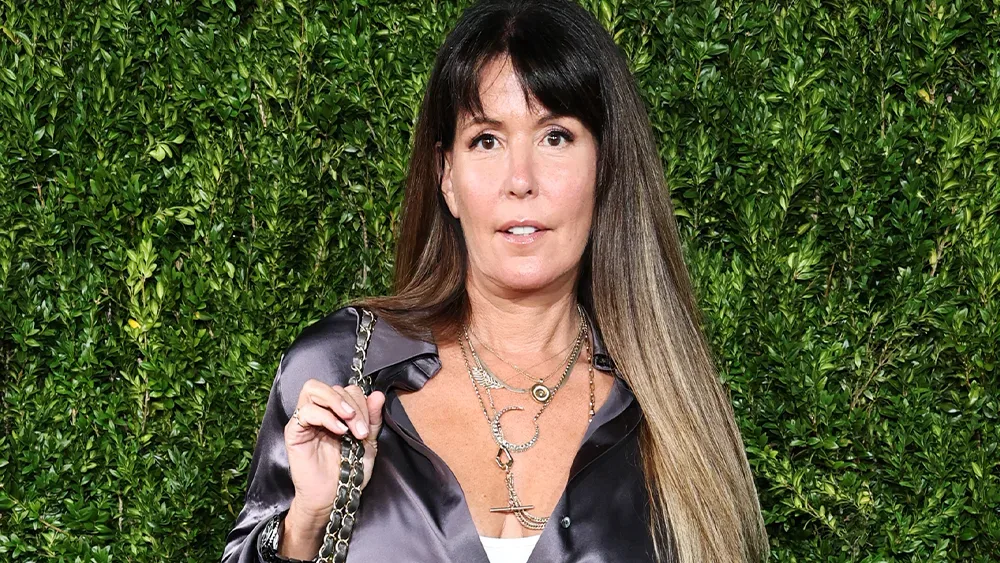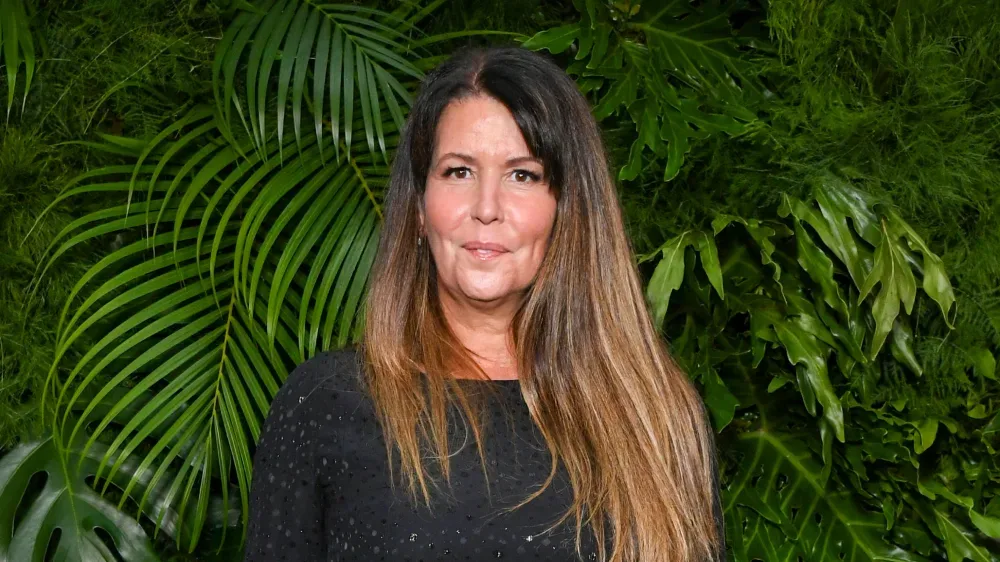
Patty Jenkins has offered a blunt assessment of the uncertainty surrounding the reported near-completion of a Paramount-Warner Bros. deal: the situation is “such chaos.” Speaking during Tribeca and Chanel’s Through Her Lens luncheon in Manhattan, the Wonder Woman director said she had largely chosen to tune out the corporate turmoil, describing the wider studio system as being in poor shape.
The comments arrive at a moment when consolidation has renewed fears about what fewer, larger entertainment companies could mean for creative workers, independent films and the number of routes a finished project has to reach viewers. The available information does not establish the deal’s exact terms, timetable or eventual operational effects. That distinction matters. A merger can prompt anxious predictions long before audiences, filmmakers or exhibitors know what changes—if any—will actually emerge in development, distribution or theatrical strategy.
Jenkins did not frame the mood as simple defeatism, however. Her remarks paired concern about large studios with optimism that lower-cost filmmaking is widening the path for directors who can make work outside the traditional studio pipeline. That tension—between a shaky top end of the business and potentially more accessible production tools at its edges—was central to the conversation around this year’s Through Her Lens program.
Jenkins sees disorder at the studio level, but possibility beyond it
Asked about the Paramount-Warner Bros. news, Jenkins said she had not closely followed it. Her response was not a detailed forecast of the transaction or a claim about its specific consequences. It was instead a broader reaction to the instability she sees in the studio system.
That broader perspective is notable given Jenkins’ long relationship with Warner Bros. Yet she left the door open when asked whether she might work with the company under Ellison’s leadership. Her answer was essentially conditional rather than committed: projects can come from unexpected places, and she does not rule out possibilities simply because the corporate landscape is changing.
For film fans, that is an important but modest takeaway. There is no announced Jenkins project tied to the changed corporate picture in the information available here. Her willingness to entertain future collaboration should not be read as confirmation of a new movie, sequel, deal or development slate. It simply signals that she does not consider the relationship categorically closed.
Jenkins’ more concrete optimism concerned emerging filmmakers. She pointed to Backrooms and Obsession as examples of talented directors making films on very small budgets and finding box-office success. Her argument is that the means of making a film—and getting it in front of an audience—have become more attainable than when she was beginning her career.
“Democratization” is the useful term here. In this context, it does not mean every filmmaker has equal access to funding, marketing, cinemas or streaming deals. Those barriers can remain substantial. It means the entry point to producing a work can be lower: a filmmaker may be able to create a viable project without first securing the backing of a major studio. Jenkins sees that shift as a game-changer because a director can build a direct connection between a project and its eventual audience.
A different reading: more content does not automatically mean fewer barriers
Jane Rosenthal, who co-founded Tribeca and Chanel’s Through Her Lens 11 years ago, offered a more cautious view. She argued that young filmmakers face more obstacles than they did when she was starting out, even as streaming has contributed to an increase in the number of films being made.
That is not necessarily a contradiction of Jenkins’ point. Both observations can be true at once. It can be less expensive or more technically feasible to make a film, while becoming harder to finance it properly, attract attention, secure distribution and persuade audiences to find it amid a vastly larger volume of releases.
In practical terms, this is the difference between production access and market access. Production access concerns who can create a film in the first place: equipment, editing, crews and workable budgets. Market access concerns what happens afterward: promotional reach, screens, streaming placement, sales support and a sustainable way to move from one project to the next. Jenkins emphasized the first opportunity; Rosenthal emphasized the second challenge.
Rosenthal described the business as a mess and said it remains unclear what a Paramount-Warner Bros. combination may do. That uncertainty is the key word. Merger speculation often turns every possible outcome into an assumed outcome. For now, the available details support concern and debate, not a definitive map of how the combined company would handle creative decisions or independent distribution.
Rosenthal did identify one potential opening: new models for independent-film distribution. She referenced an indie distribution venture announced by AMC, the country’s largest theater chain, the previous month. Her point was not that the venture has already solved independent cinema’s problems. Rather, it may be worth watching as an example of how an altered marketplace could encourage alternative routes to theaters.
Distribution is the usually invisible part of the filmmaking process that determines whether a completed movie can become a public event. A film may earn acclaim in development or festival circles, but that does not guarantee it will be booked in cinemas, marketed effectively or made easily discoverable through streaming. When established studio structures are unsettled, smaller distributors, exhibitors and creators may look for different arrangements. Whether those arrangements create meaningful opportunity will depend on execution, not merely on the fact that they exist.
Through Her Lens offers material support, not just industry discussion
The luncheon launched this year’s Through Her Lens program, a filmmaking initiative designed around five filmmaking teams. The structure is particularly relevant to the anxieties voiced at the event because it addresses several stages of a creator’s path rather than treating a good idea as sufficient on its own.
The selected teams receive workshops, one-on-one mentorship and industry conversations before delivering a live pitch to a jury. One team will receive full financing to make its short film with Tribeca Studios support. The other four will receive development grants.
That arrangement illustrates the distinction between a pitch program and a completed distribution deal. Full financing for one short film is a specific production opportunity. Development grants for the remaining teams can assist work in progress, but they are not described as guarantees of a produced film, theatrical release or streaming placement. Keeping those categories clear is useful, particularly in an environment where “support” can refer to anything from advice to a finished project’s budget.
Mentorship also has practical value that is easy to understate. Industry conversations and individual guidance can help teams refine a pitch, understand how to present a project, and identify the questions decision-makers are likely to ask. None of that eliminates the competitive realities Rosenthal described, but it can reduce the isolation of trying to navigate them without contacts or context.
This year’s jury includes Halle Berry, Regina King and Meg Ryan, along with cinematographer Autumn Durald Arkapaw, whose listed credits include Sinners, and Sterling Point actor Ella Rubin. The combination is significant because short-film teams need feedback that spans more than directing alone. Performers, filmmakers and a cinematographer can bring different perspectives to story, execution and visual communication, even though the event details do not specify how the jury will weigh its eventual decision.
The audience question remains bigger than any one corporate deal
Emmy Rossum, attending in support of the initiative, put the underlying aspiration simply: the strongest people should be able to tell stories and have those stories seen widely in theaters and on streaming. That desire links both sides of the discussion. It captures Jenkins’ excitement about filmmakers reaching audiences directly, while also recognizing Rosenthal’s concern that making more films does not guarantee being seen.
The conversation also lands in a broader pop-culture environment where audiences increasingly follow stories across formats and platforms. Recent attention around a new Cyberpunk: Edgerunners season tease is one example of how screen projects can build anticipation among communities accustomed to following characters and worlds beyond a single traditional release path. That does not make every independent film easier to find, but it underscores why discoverability, audience connection and a clear route to release matter so much.
For the moment, the strongest confirmed story is not a completed blueprint for a new studio order. It is a public split in emphasis among experienced filmmakers and organizers. Jenkins sees an encouraging expansion of who can make work. Rosenthal sees a crowded and difficult market in which emerging filmmakers need more help, not less. Through Her Lens is built around a tangible response: mentorship, pitching access, financing for one short and development aid for the other selected teams.
That response cannot settle the unanswered questions around the Paramount-Warner Bros. deal. It can, however, give five teams resources at a point where access to advice, development funding and a credible pitch room may be as important as the ability to pick up a camera. In a business marked by consolidation and uncertainty, that is a narrower promise than industry transformation—but a more immediate one.