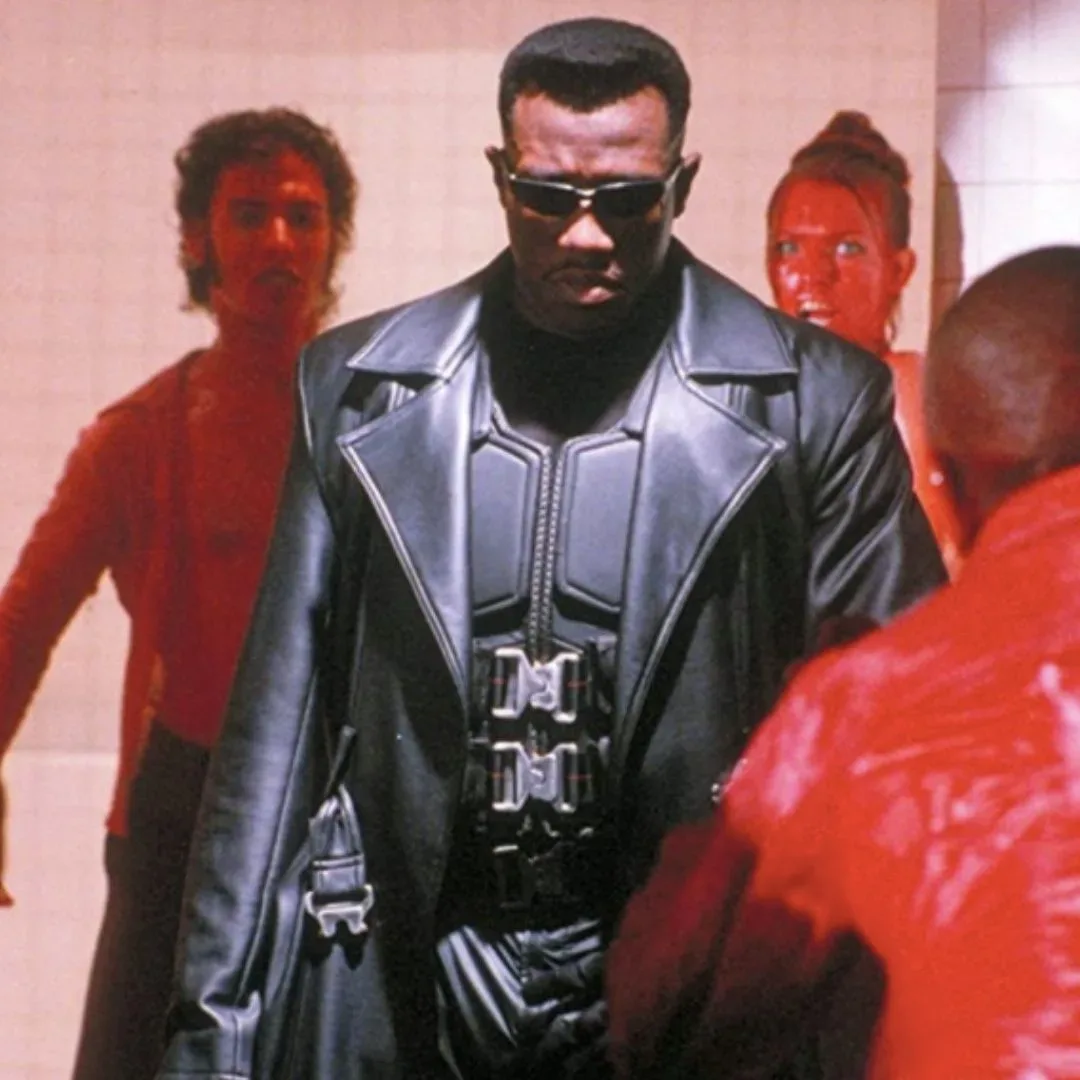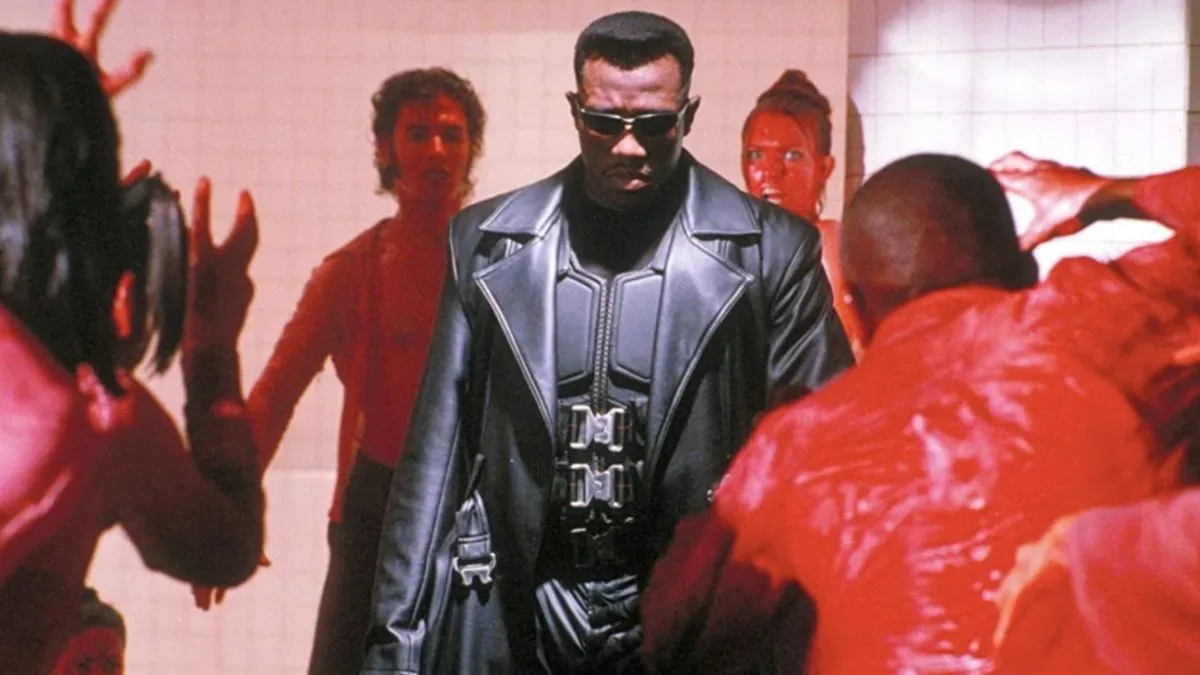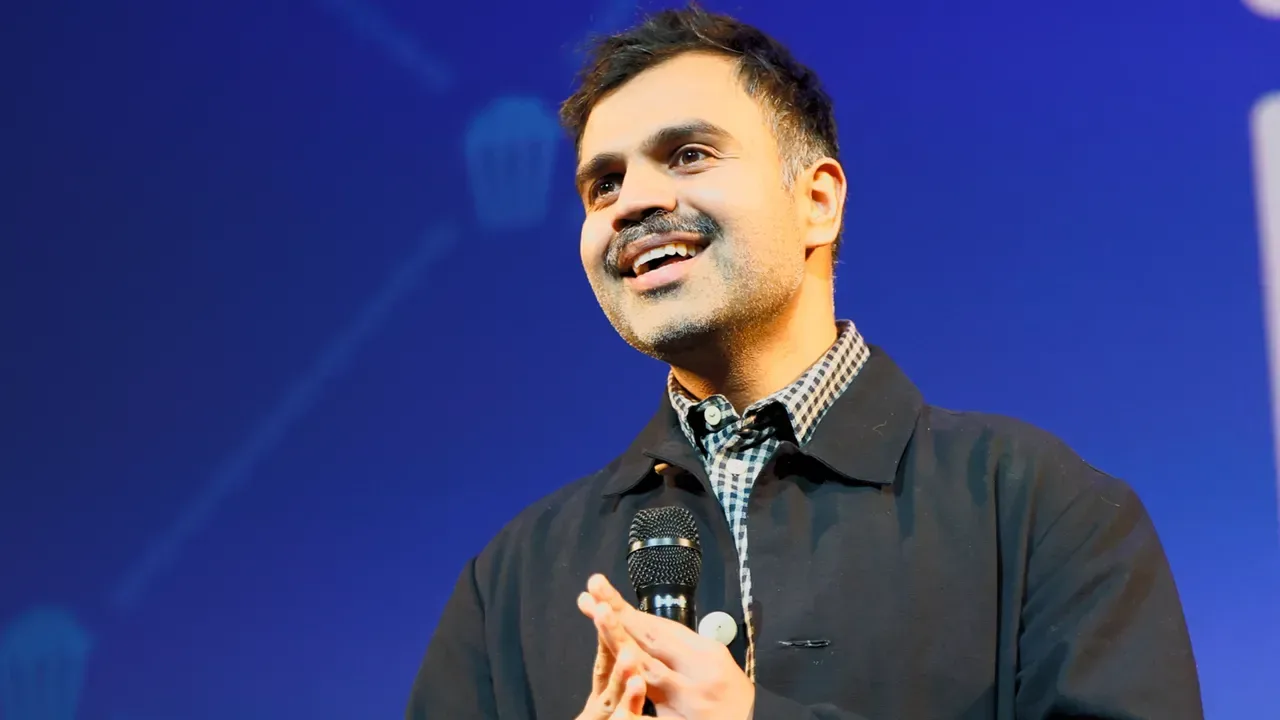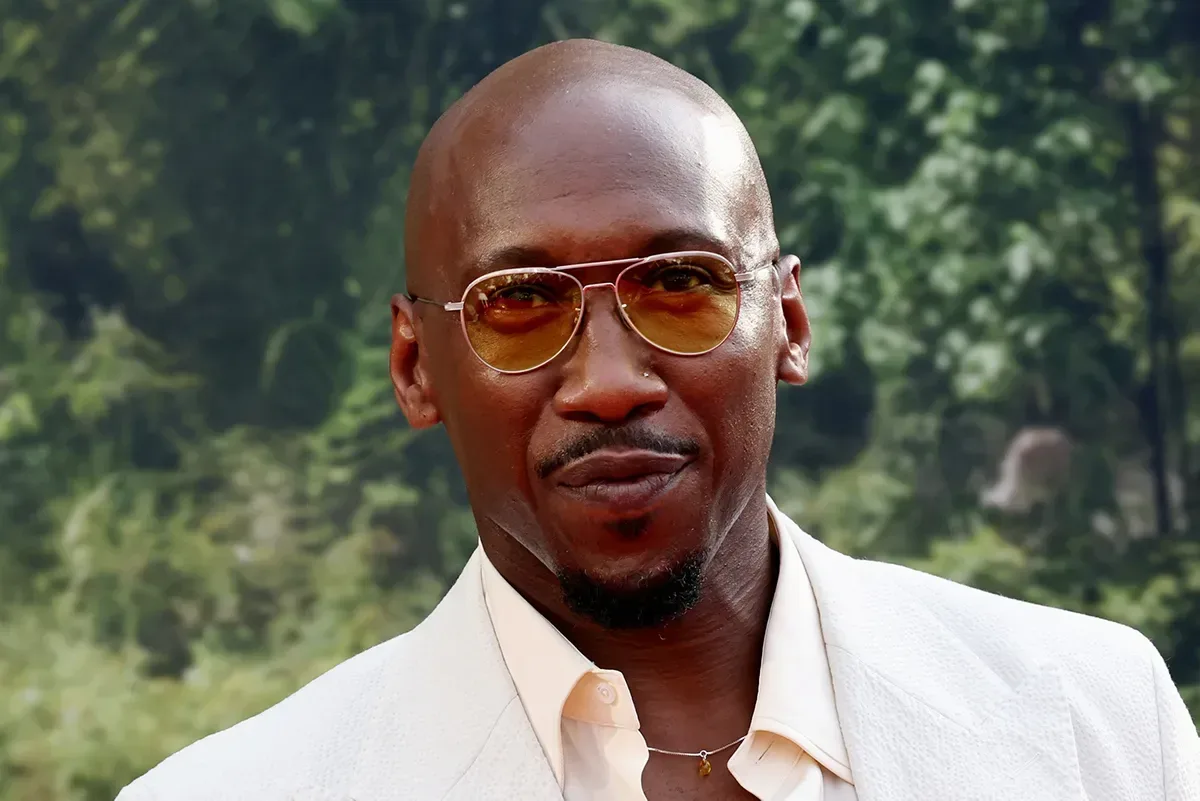
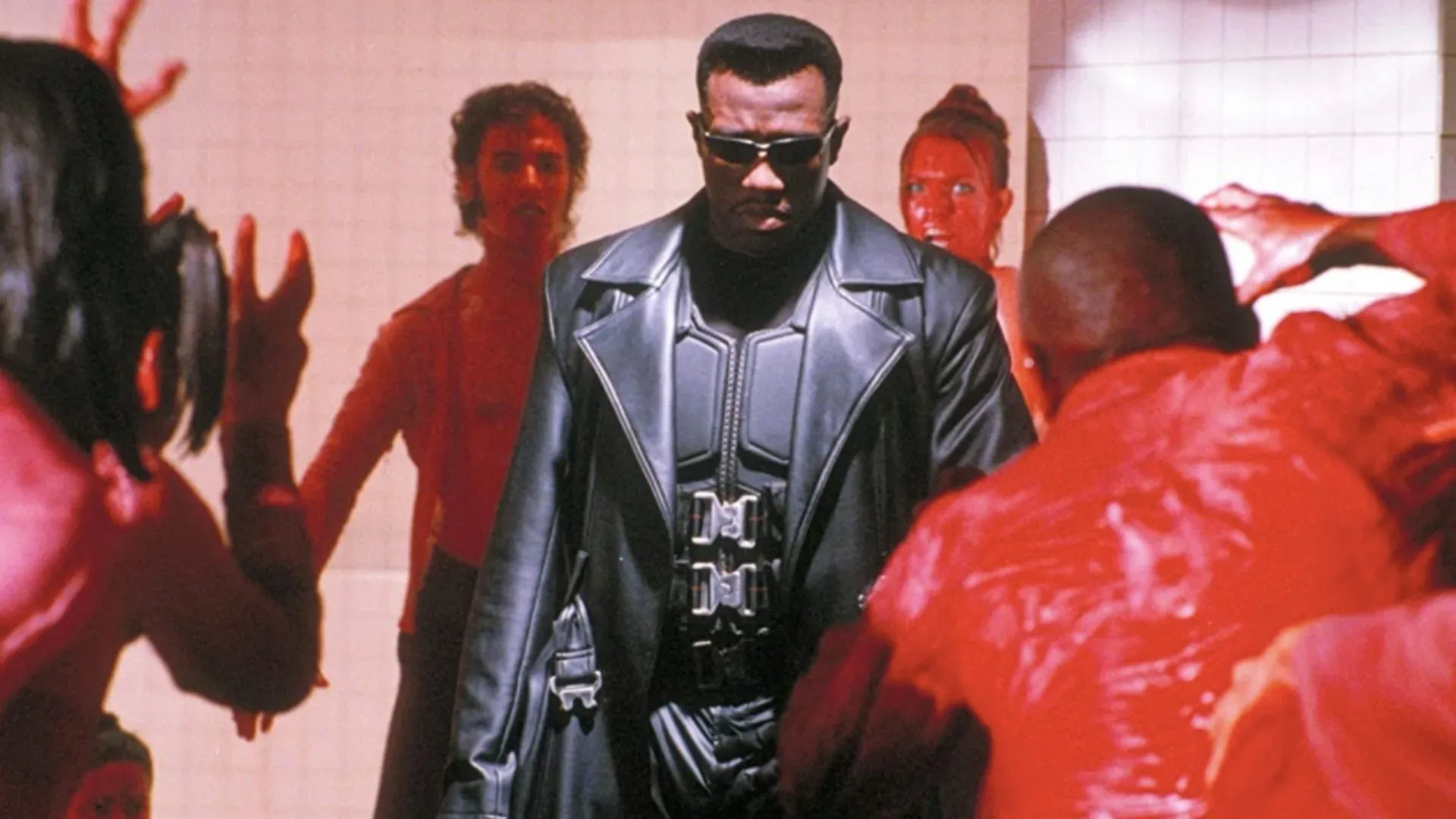
Bassam Tariq has offered a candid account of why his time developing Marvel’s Blade became untenable. The filmmaker, who had been attached to direct a version starring Mahershala Ali as the vampire hunter, said the project’s early work involved casting and building plans without a proper finished script.
For Tariq, that was not simply an awkward stage of development. It created a professional problem: he had to describe characters and a movie that were still subject to change, then ask actors to trust that description. If a later draft did not match those conversations, he said, the director’s credibility could suffer.
“Life’s too short to make shit films,” Tariq said, explaining that the experience reinforced his need to have full control over a script.
The planned film did not ultimately reach screens. Tariq’s comments do not provide a complete account of every decision behind that outcome, but they do outline the practical strain he felt in a studio-driven production process: responsibility toward performers without equivalent authority over the decisions being communicated to them.
Why a script matters before casting begins
A screenplay is the working blueprint for a narrative film. It establishes the story, scenes, characters, dialogue and broad dramatic purpose that departments and performers use to prepare their work. A production can continue refining details after a script exists, but Tariq’s concern was that he was being asked to start explaining and shaping the film before there was a stable text behind those explanations.
That distinction matters. Casting is not merely filling a list of roles. An actor needs to understand what a character does, how that character changes, what the project is trying to say, and how large or small the commitment may be. Costume design, production design and other creative preparation also depend on a shared understanding of the movie’s identity.
When the script is incomplete, an early pitch can serve as a provisional guide. But it can become a liability when the eventual text shifts away from that pitch. Tariq said actors in that circumstance have to take the director at their word, even though the director may not control the eventual decisions. That leaves the director exposed if the project’s direction changes.
His description frames the issue as one of integrity rather than just creative preference. He said that if the eventual text failed to add up to what he had told performers, his credibility would be “completely shot.” In other words, a director can become the person delivering changes and bad news while the authority for those changes sits elsewhere in the corporate structure.
Related coverage includes Bassam Tariq Explains Why His Blade Film Could Not Move Forward Without a Script.
Tariq’s concern was accountability, not simply rewrites
Film scripts are rewritten for many reasons, and rewrites alone are not evidence of a broken process. The challenge described here is more specific: a mismatch between the person who must communicate the film’s direction to actors and the people who hold final control over the material.
Tariq said being the bearer of decisions made by a corporate entity was not a healthy way for him to operate as a filmmaker. He acknowledged that other directors may be able to work under those conditions, but concluded that the arrangement was costing him trust with his actors.
That is an important difference in how creative control is often discussed. “Control” can sound like a director demanding unilateral power over every production choice. Tariq’s remarks are narrower and more grounded: he wants responsibility for the script he is presenting to collaborators. If there is a disagreement, he said he wants it to be directly between him and the people making the decision, rather than having to advocate for a plan he cannot guarantee.
That structure can affect the earliest stages of a film. A performer may reasonably ask what their role is, what the arc looks like, or why a particular version of the story is worth joining. The more concrete the script, the more concrete the answers. Without that certainty, a filmmaker can offer only an intention—and intention may not survive later creative or executive changes.
What remains known about the unrealized Blade film
The film was intended to feature Ali in the title role, but it never made it to audiences. Ali has also expressed frustration over the project’s failure to materialize. When asked why it did not happen, he directed the question toward Marvel Studios president Kevin Feige, saying he still did not know the answer. Ali also said Feige had characterized the outcome as the biggest failure of his career, an assessment Ali said he shared.
Neither Ali’s comments nor Tariq’s new reflections establish a definitive single cause. What they do show is that the project had significant expectations around it: a two-time Oscar-winning actor was attached to play Blade, while Tariq said the team had high hopes for what it could build.
For audiences, the absence of a completed film can invite easy assumptions about what it might have been. Tariq resists that temptation in one revealing comparison. He said he was happy that Ruth E. Carter’s costumes were used in Ryan Coogler’s Sinners, calling that finished film bolder than what the Blade team could have accomplished. Rather than claiming a lost version of Blade would have been the definitive one, he pointed to another project that found a stronger expression.
That observation also recognizes the value of creative work that can outlive an unfinished production. Costumes are not just accessories; they help establish a character’s silhouette, period, social world and tone. Carter’s work finding a home in a completed film means elements developed during one process could still contribute to a different artistic vision.
A lesson in protecting the director-performer relationship
Tariq’s account offers a useful explanation of why an unfinished script can carry risks beyond scheduling. Actors work through a relationship of trust with directors. They need confidence that the person guiding a performance understands who the character is and can explain where the story is going. If a director becomes an intermediary for decisions they did not make, that relationship can erode quickly.
The stakes are especially clear in a major franchise role. A character such as Blade arrives with a recognizable premise—a vampire hunter—and substantial expectations, but a premise is not the same thing as a complete part. The screenplay determines the particular version of that character, the emotional shape of the performance, the supporting cast’s functions and the film’s actual tone.
A familiar title may make it easier to describe a project in broad terms, yet it does not replace the need for a coherent script. Tariq’s comments suggest that the more visible the production, the more important it is that a director avoid making promises that the underlying material may not be able to keep.
His insistence on script control is therefore best understood as an insistence on clear accountability. It is a demand to be able to stand behind the movie he is asking others to help make. That may not eliminate disagreement in a studio system, but it gives those disagreements a clear line: the director and decision-makers can address them before performers are asked to commit to a version of the story that might not exist.
Where Marvel goes next
Marvel’s next stated major release is Avengers: Doomsday, due December 18. The film has a large ensemble that includes Chris Hemsworth’s Thor, Anthony Mackie’s Captain America, the Fantastic Four and the Thunderbolts.
Its scale is a sharp contrast to Tariq’s focus on the basic building blocks of a single production: a dependable script, honest conversations with cast members and authority that matches a director’s obligations. Large shared-universe films depend on coordination across many characters and teams, which makes clarity about narrative plans especially valuable.
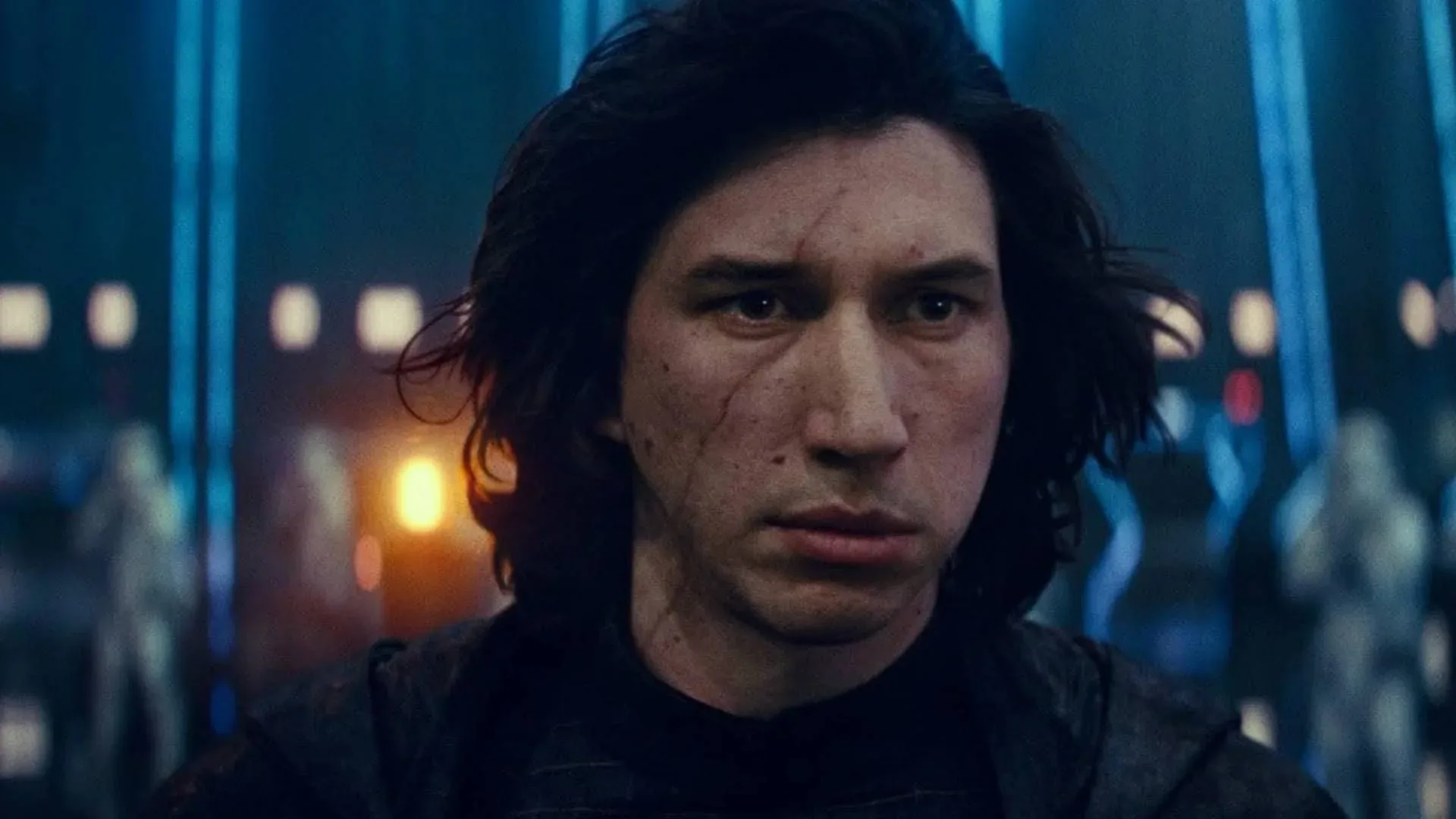
Questions around major franchise projects also continue to draw attention when plans do not reach the public. In a separate example of a high-profile project that was developed but did not proceed, Adam Driver discussed work on an unrealized Ben Solo film. Tariq’s reflections add a different but related perspective: the impact that uncertainty can have inside the creative process long before viewers ever see a trailer or a finished feature.
For Tariq, the lesson appears settled. He said the experience was sad because of the hopes attached to the project, but it clarified a professional boundary. A filmmaker can manage difficult notes and creative disagreement; what he does not want is to represent a script that he cannot meaningfully control.