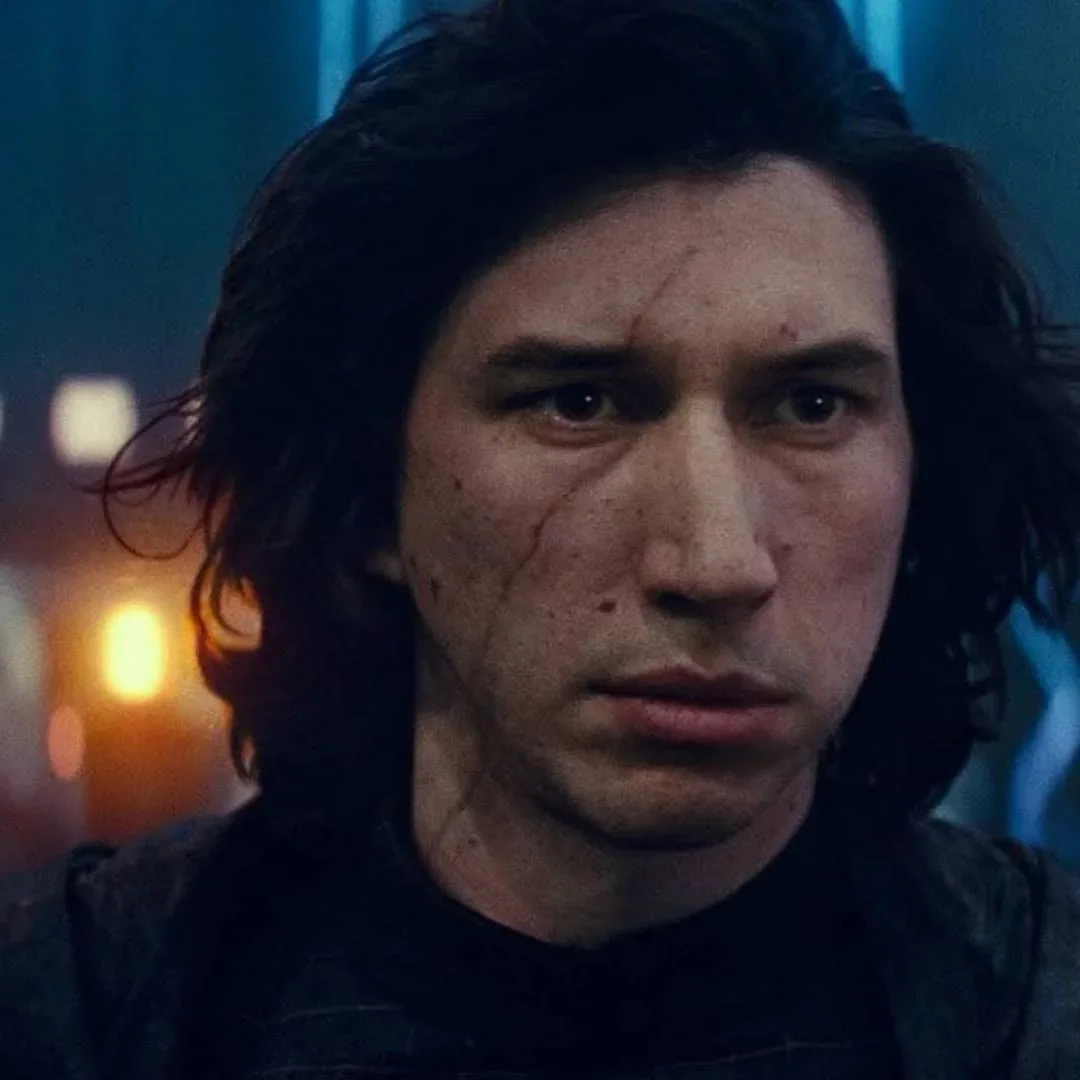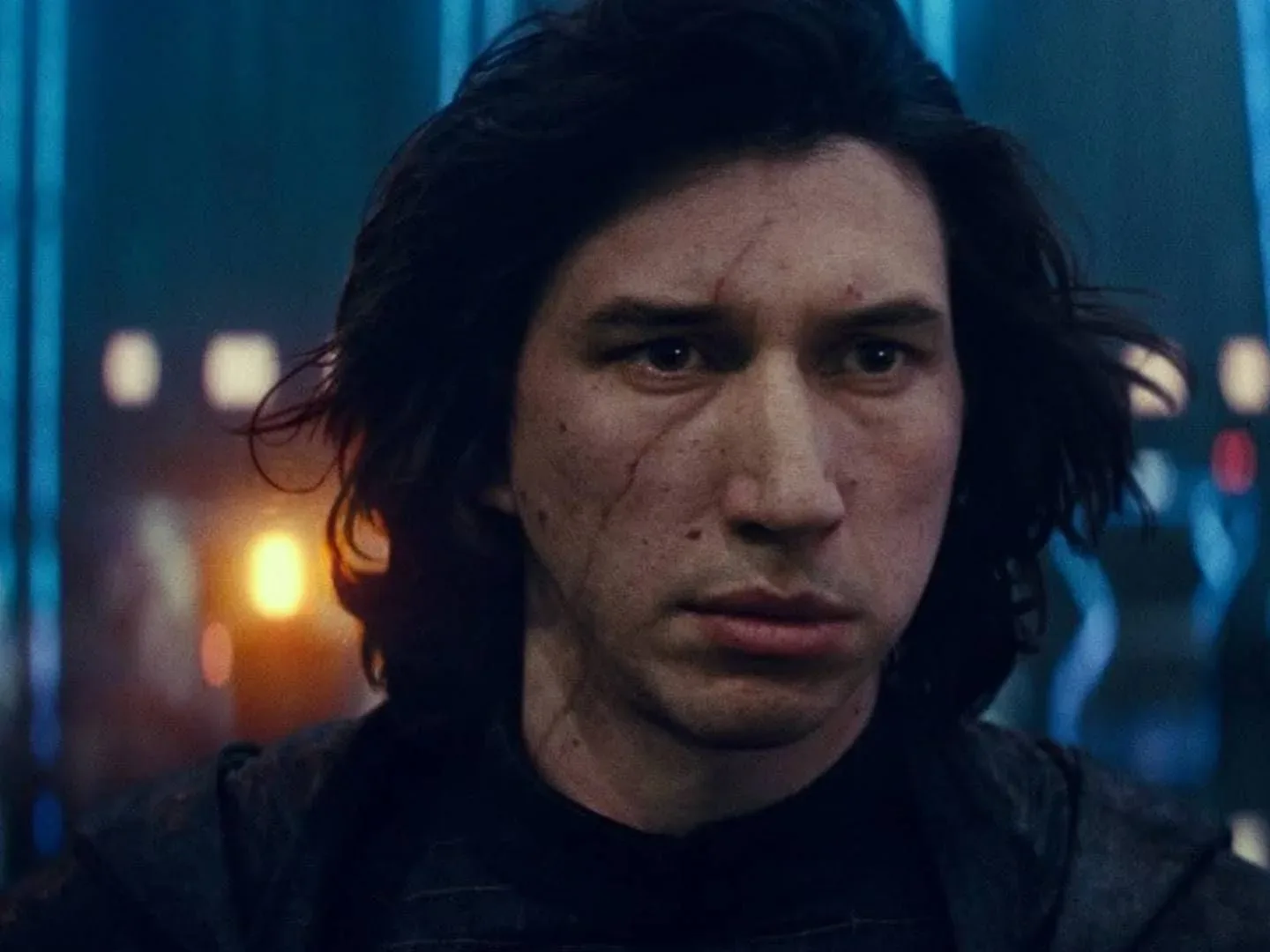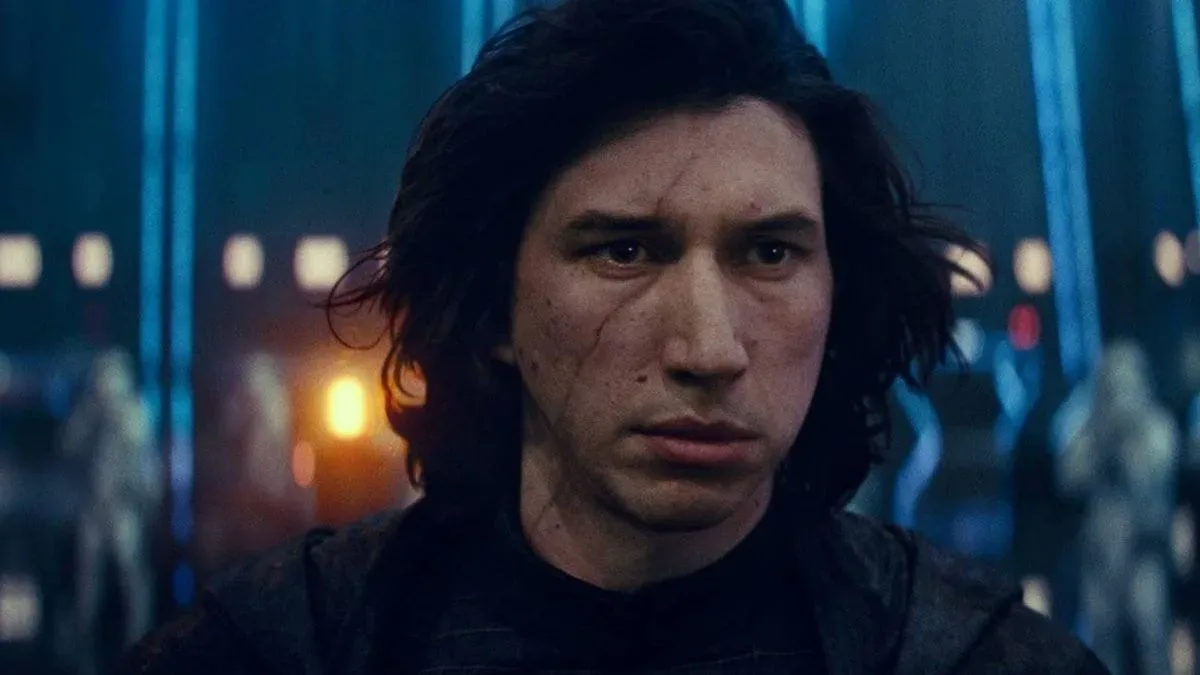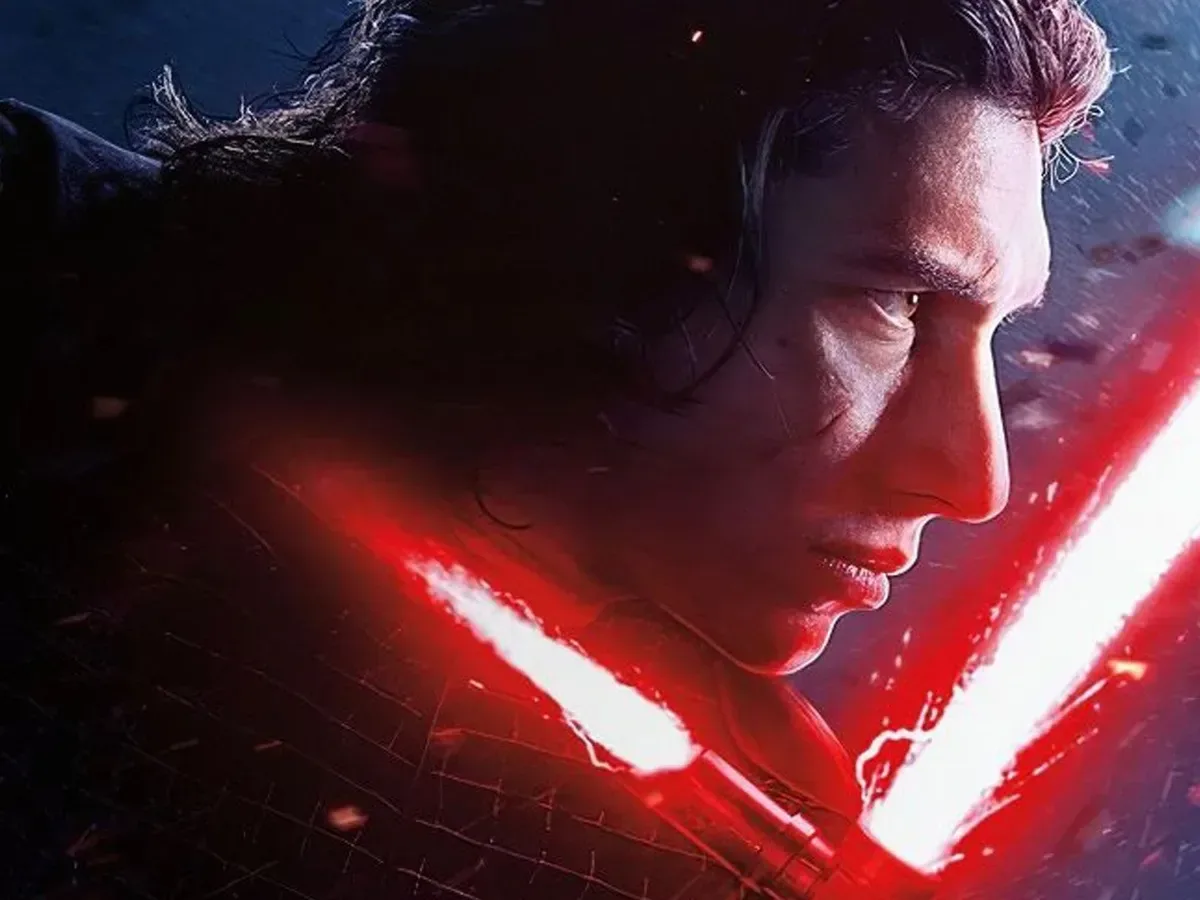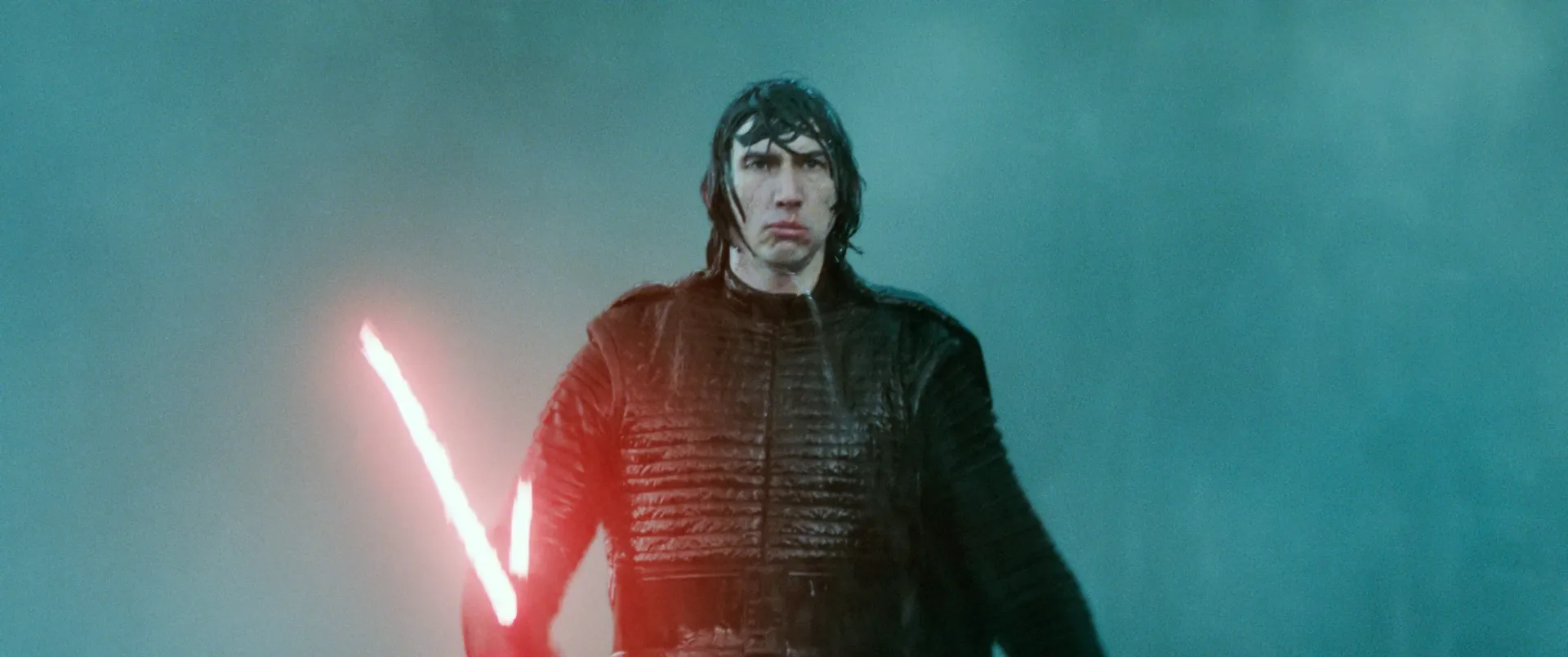
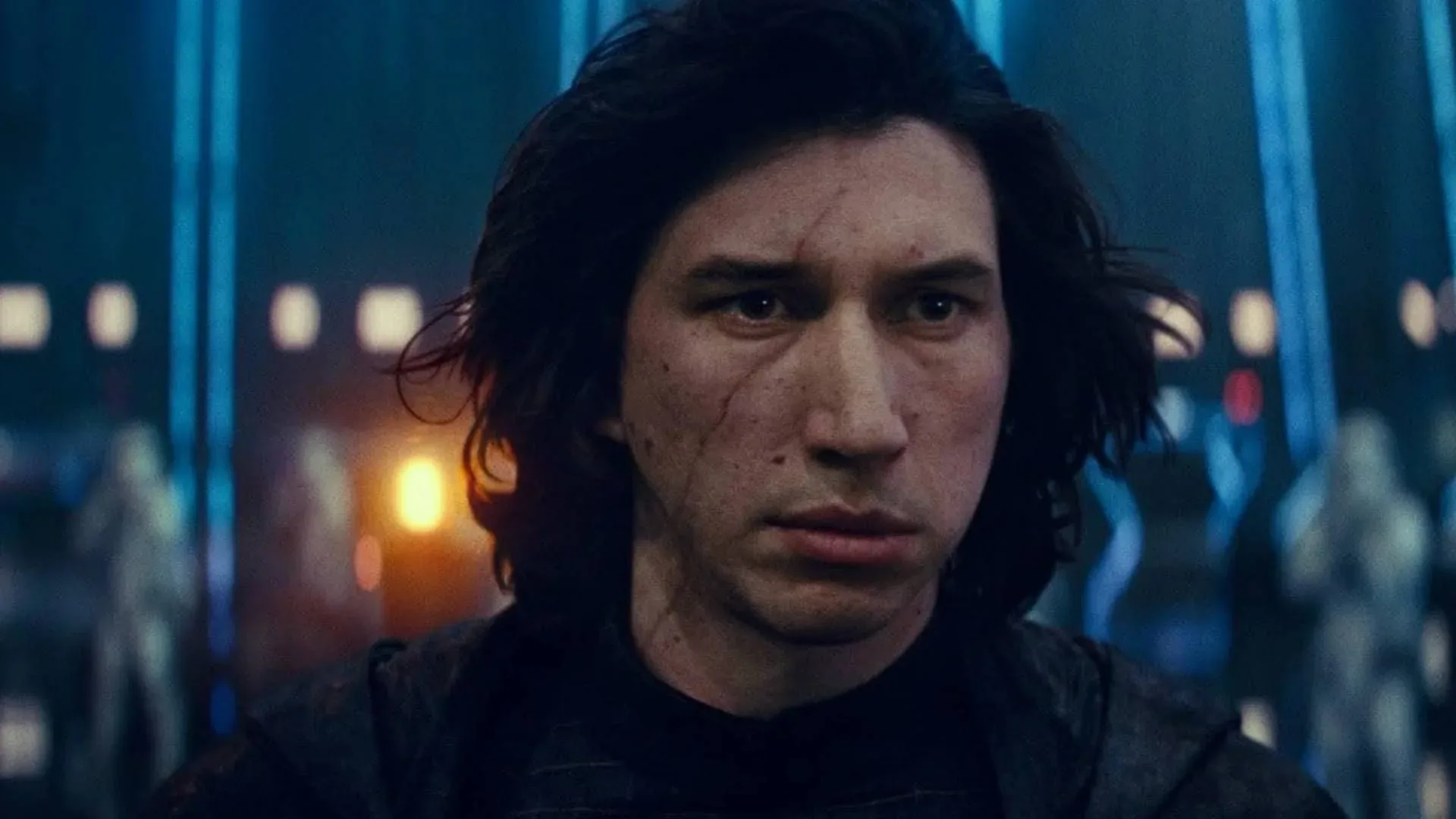
Adam Driver has offered a more detailed account of the unmade Star Wars film The Hunt for Ben Solo, describing a project pursued because its central creative team believed strongly in the character and the concept—not because a deal had already been completed.
The proposed movie would have continued Ben Solo’s story after Star Wars: The Rise of Skywalker. Steven Soderbergh was attached to direct. Driver says Lucasfilm had approved the project, but Disney ultimately rejected it. The explanation relayed to Driver was direct: Ben Solo was dead.
That answer may sound simple, but Driver’s comments outline a more consequential point about large franchise filmmaking: internal development and enthusiasm from one part of a company do not necessarily amount to a final green light from the corporate level that controls whether a film is made.
A movie that reached development, not production
It is important to distinguish between a project being developed and a project being produced. Development is the work that happens before cameras roll: discussing the story, defining its creative approach, assembling key talent, and determining whether the idea can be made within a workable budget. Production is the funded, formally authorized stage in which filming is actually underway.
The Hunt for Ben Solo was in the former category. Driver said he and Soderbergh had worked on it for a long time, with neither being paid for that work. He characterized the effort as an unusually personal, idea-driven undertaking, saying the group’s attachment to the character and the proposed film was its real motivation. Financial questions, he said, were meant to be addressed later.
The creative team was also trying to find a way to make the movie cheaply enough that it could preserve the version of the story they wanted to tell. That detail matters. A lower-cost plan is often a practical way for a filmmaker and actor to argue that a project can be viable without carrying the same financial burden as a larger franchise release. It does not, however, remove the need for final approval.
Driver’s account is that the group worked because it loved the idea and Ben Solo, while trying to make the project affordable enough to be allowed to make it their way.
There is no indication here that The Hunt for Ben Solo entered filming, had a release date, or was publicly positioned as an upcoming feature before it was rejected. The information available instead describes a developed proposal that stopped before becoming an official production.
Related coverage includes Adam Driver Details Why The Hunt for Ben Solo Did Not Move Forward.
Why Lucasfilm approval was not the last word
Driver said Kathleen Kennedy gave the team significant confidence in the project’s prospects, recalling her statement that Lucasfilm had a “100% approval rate” with Disney. In practical terms, Driver took that as reassurance that a Lucasfilm-backed proposal would survive the next layer of approval.
It did not. Disney rejected the film despite that approval, illustrating a basic but frequently misunderstood feature of entertainment franchises: creative endorsement and corporate authorization can be separate decisions. A studio division may support a concept, but the company with final control can still decide not to finance or release it.
Driver did not speculate about a hidden motive or wider corporate strategy. He explicitly declined to guess at anyone else’s intentions. The only reason he said was given to the team was that Ben Solo’s death had already occurred in The Rise of Skywalker.
That leaves little room for a definitive claim beyond the one Driver has made. It would be easy to frame the rejection as proof of a broader rule about what stories can or cannot be told in Star Wars, but the available account does not establish that. It establishes only that this particular Ben Solo continuation did not receive Disney’s approval, and that Driver was told the character’s on-screen death was the reason.
Ben Solo’s death was the stated obstacle
Ben Solo is a character whose fate makes any follow-up premise immediately significant. A story set after The Rise of Skywalker would have had to confront the fact that he died by the end of that film. Driver’s remarks confirm that this was not merely a fan concern or an issue the project could leave unaddressed; it was the stated basis for Disney’s decision.
That does not reveal what the film’s solution would have been. Driver did not describe the plot, explain whether the movie would have involved a resurrection, or reveal a particular narrative mechanism for returning to Ben Solo after the events of the ninth episode. Those details remain unknown, and the project’s title should not be treated as evidence of a completed script or a confirmed story outline.
Still, the premise alone helps explain why the concept attracted attention. A post-film continuation centered on a character pronounced dead necessarily asks the audience to accept a major storytelling move. For supporters, that may have been the point: an opportunity to revisit a character Driver says he loved playing. For Disney, based on the explanation given to Driver, the character’s established fate was enough to halt the project.
What Driver’s comments do—and do not—suggest about a revival
There has been a passionate effort from fans hoping that The Hunt for Ben Solo might be revived. Driver has previously poured cold water on that possibility. His position is not that the creative team alone can bring it back, but that the decision belongs elsewhere. He has said that if the people with authority wanted to revisit it, that would be their choice, while also adding that he believes the opportunity has probably passed.
That is a notably conditional answer. It does not announce a return, imply negotiations, or promise that unused work will be repurposed. Nor is it a declaration that the film can never be made. It is an acknowledgement that the project is not in Driver’s control and that he does not expect it to happen.
For fans, the clearest takeaway is therefore also the narrowest one: the movie had serious creative involvement, including Driver and Soderbergh; it received Lucasfilm approval; Disney declined it; and Driver does not think a resurrection is likely. Everything beyond that—including the exact shape of the story, the extent of the project’s materials, or the odds of a future reconsideration—would be speculation.
Why the unpaid development detail stands out
Driver’s statement that Soderbergh worked without payment is among the more revealing aspects of the story because it changes the usual picture of a franchise project. The account presented is not of a director and star simply arriving after a studio has committed funds. Instead, it is of major creative figures investing time before the business arrangement was settled.
That does not make the rejected proposal more official than it was, but it does explain Driver’s disappointment. The people involved had already made a meaningful commitment in the belief that they were pursuing a viable path. In Driver’s telling, the proposal was motivated by the chance to make a film they cared about and to do so on a manageable scale. The decision to stop it consequently ended more than a hypothetical fan pitch; it ended work that its participants had already chosen to undertake.
The episode is also a useful reminder that “approved” can mean different things at different stages. In this case, Lucasfilm’s approval did not guarantee Disney approval. A positive response from one layer of the process created confidence, but it was not the final commitment needed to make The Hunt for Ben Solo real.
That gap between development confidence and final authorization is the central story in Driver’s account. The project was not abandoned because the people making it lost interest. Driver says the opposite: their affection for the idea and character was precisely why they worked on it. It ended because the final decision-maker did not accept the premise of continuing Ben Solo after his death.
What is next for Star Wars
While The Hunt for Ben Solo remains unmade, the next identified Star Wars release is Ahsoka season 2, scheduled to arrive on January 20, 2027. That forthcoming season is separate from Driver and Soderbergh’s proposed film and should not be read as a replacement for it.
For now, The Hunt for Ben Solo occupies a familiar but frustrating space in franchise history: a real project with attached talent, internal creative backing, and a clear premise, but no path to the screen. Driver’s explanation gives the situation more definition than it previously had, even as it leaves the film itself unseen.
For more coverage of franchise decisions and the business questions behind major releases, see our look at why one director says a sequel will not simply copy Rockstar’s approach.