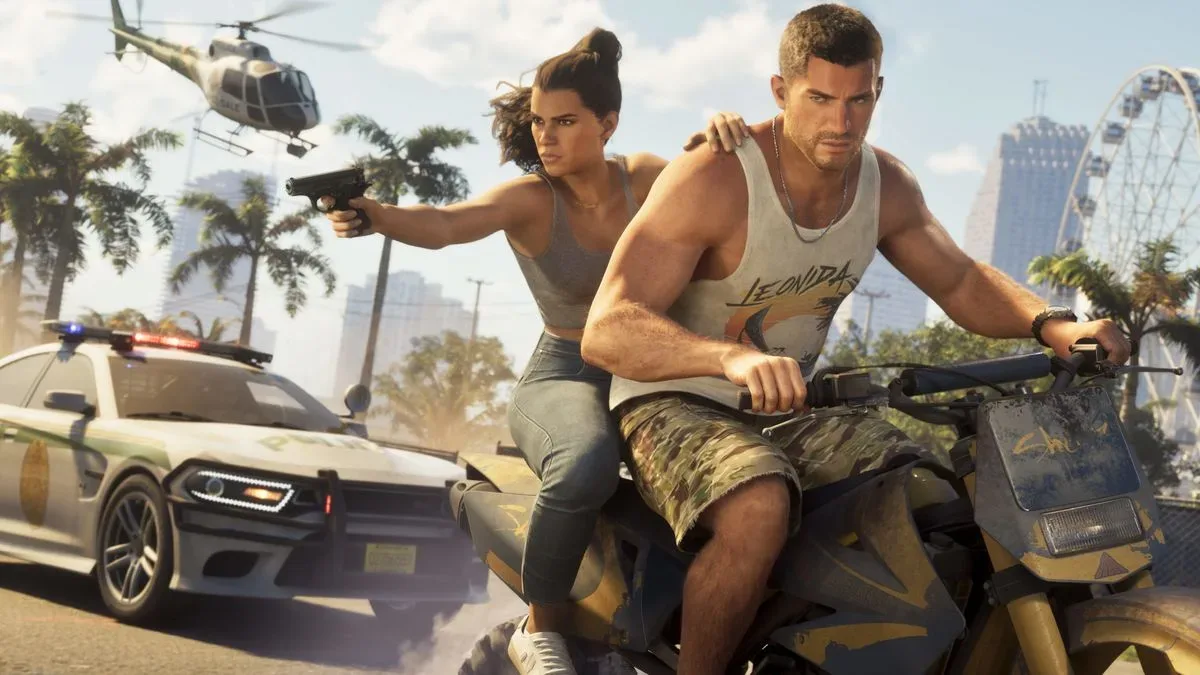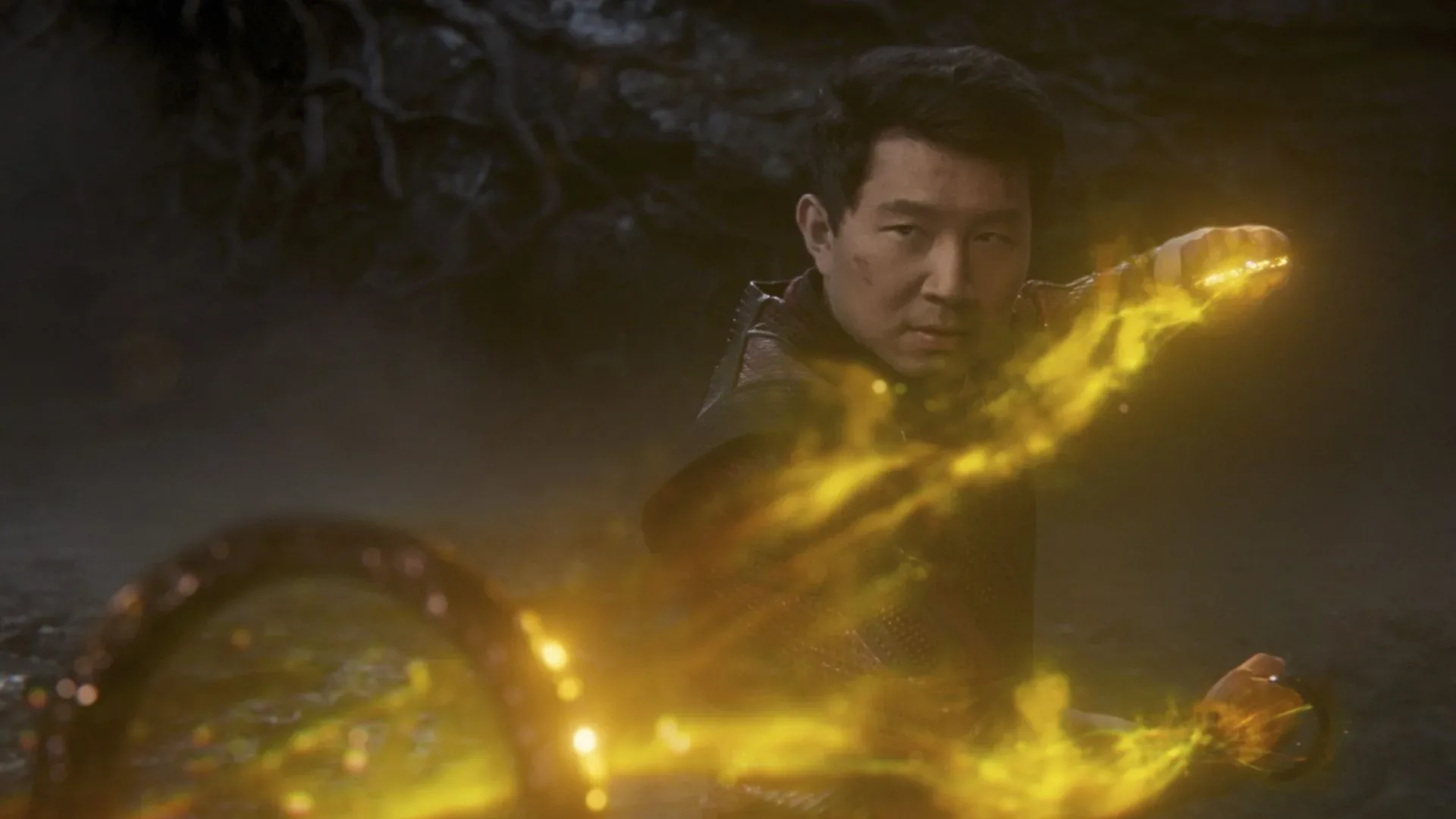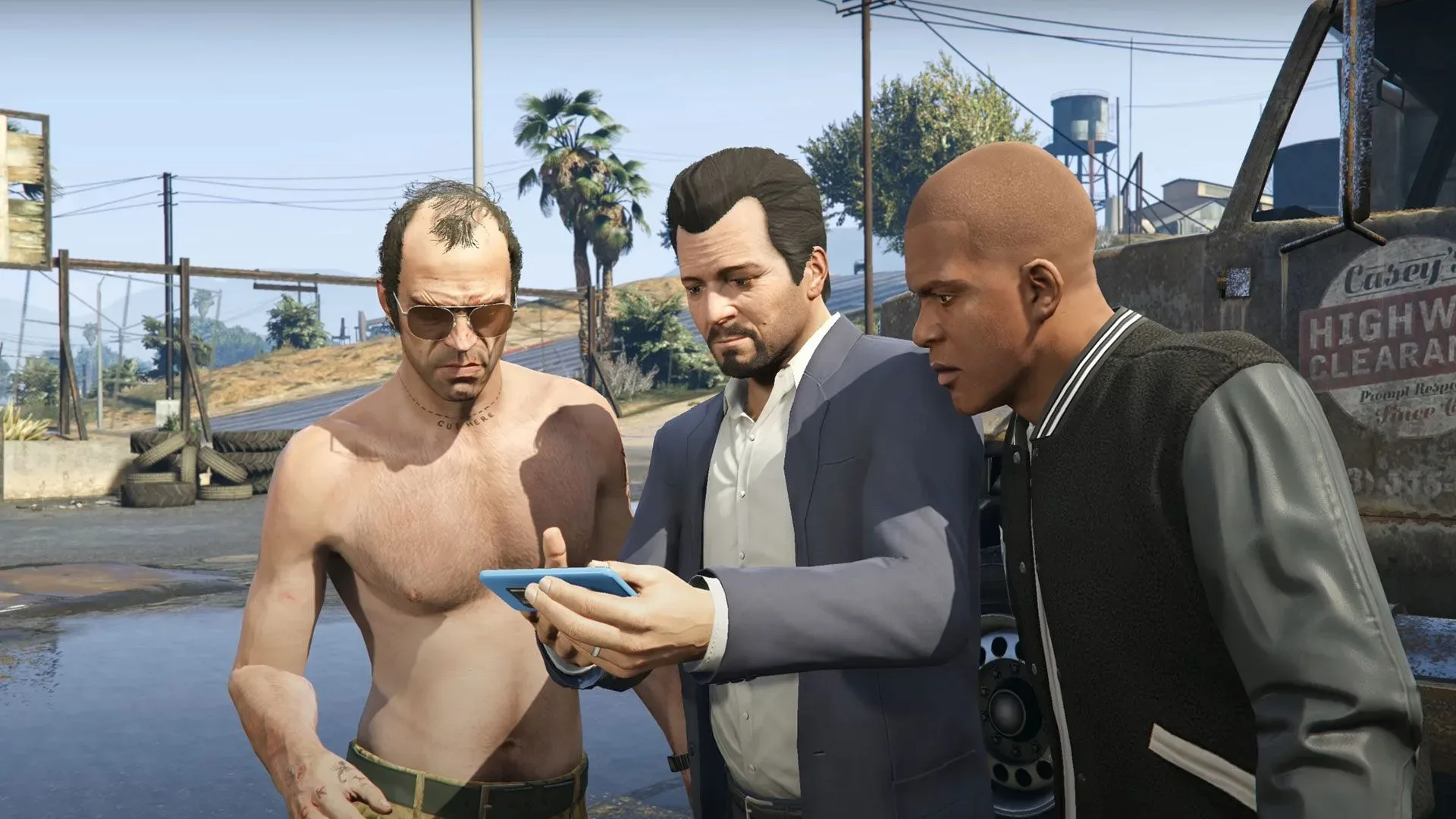

Cyberpunk 2 has not been cancelled. Its creative director, Igor Sarzyński, made that point in the most developer-brain way possible: first by dramatically declaring the game cancelled after seeing Grand Theft Auto VI, then by following up with a clear explanation that CD Projekt is making something with its own identity.
In a Bluesky post published November 23, Sarzyński described “GTA 6-induced-open-world-game-dev-depression” as real. He praised Rockstar’s newly released game as an extraordinary achievement, pointing specifically to its scale, density, coherence and thoughtfulness. Then came the punchline: rather than keep making Cyberpunk 2, he said he was off to sweep autumn leaves in his backyard.
“GTA 6-induced-open-world-game-dev-depression is real… cyberpunk 2 is cancelled, imma go sweep autumn leaves in my backyard now.”
The phrasing was plainly an expression of awe, not a corporate statement about CD Projekt’s plans. Sarzyński subsequently supplied the important context: Cyberpunk 2 is intended to have “a different unique flavor,” even as he regards GTA 6 as work that expands the sense of what games can achieve.
Admiration is not a change of direction
The joke lands because open-world games invite immediate comparison. They are sprawling by design, and the visible surface of a city—traffic, crowds, streets, interiors, activities and incidental detail—can make players feel qualified to stack one game directly against another. Developers know that the harder part is not simply constructing a big map. It is making its systems, spaces and artistic choices feel like they belong together.
That is the substance behind Sarzyński’s praise of GTA 6’s “coherence.” In this context, coherence means that the individual elements of an enormous game appear to support a unified world rather than reading as a pile of disconnected features. Scale can be counted in territory or content; coherence is the more elusive quality of making that scope feel considered.
Likewise, “density” does not necessarily mean a larger map. It refers to how much meaningful detail, activity and texture a player encounters within the available space. Sarzyński’s comments credit GTA 6 not only for being enormous, but for creating the impression that the enormity has been deliberately filled and shaped.
That praise does not establish a mandate for every other studio to pursue the same result, or to pursue it in the same way. Sarzyński’s more measured post argues the opposite. A landmark game can raise ambitions across the medium while still leaving room for other visions. The useful response is not imitation; it is to understand what makes the work effective and then apply lessons in a way that serves a different project.
Related coverage includes Cyberpunk 2 Director Jokes About Cancelling the Sequel After GTA 6's Ambition Leaves Him Stunned.
For CD Projekt, that distinction matters. Sarzyński is not presenting Cyberpunk 2 as an attempt to become another GTA. His description frames the sequel as a project with its own flavor. That is a deliberately broad statement, but it is also the only concrete creative positioning offered here—and it is more meaningful than the leaf-sweeping gag.
Why GTA 6 can create open-world “dev depression”
There is a real professional sentiment underneath the joke. When a major release demonstrates an unusually polished version of a familiar format, creators working in adjacent spaces can feel both inspired and intimidated. The immediate reaction is often: how does anyone follow that?
“Dev depression” here is casual social-media shorthand, not a clinical claim. Sarzyński is describing the deflating sensation of looking at a work he considers a technological and creative miracle. It is the flip side of admiration: a new benchmark can make the enormous amount of work still ahead feel even more enormous.
But a benchmark is not a blueprint. Sarzyński’s follow-up is notable because it turns a funny doom-post into an argument for creative differentiation. He calls GTA impressive in the way great art can be impressive: it expands what seems possible through a compelling vision executed with confidence. That wording emphasizes vision as much as technical capacity.
For players, the practical implication is simple. GTA 6’s success may influence conversations about production values and open-world detail, but it should not be treated as a template that every future city-based RPG must match feature for feature. Games can compete for attention without being interchangeable. A project’s particular setting, systems, pace and priorities can matter more than whether it reproduces another game’s exact surface scale.
Anyone looking for more GTA 6-related coverage can also read how a GTA 6-style Lucia prompt became part of an Avengers: Doomsday ticket promotion.
CD Projekt’s wider reaction has been celebratory
Sarzyński is not alone at CD Projekt in complimenting Rockstar’s release. Joint CEO Michał Nowakowski offered congratulations on GTA 6’s launch day. Paweł Sasko, associate game director of Cyberpunk 2, also praised the game, calling it a “generational banger.”
Collectively, those remarks paint a picture of professional appreciation rather than rivalry. That tone is worth noting because high-profile games often get reduced to a simplistic contest: one blockbuster arrives, so every other large project must now be a failure, a clone or a casualty. The actual comments from CD Projekt do not support that reading. They express excitement about GTA 6 while Sarzyński specifically reiterates that his team is doing something different.
There is also a difference between a developer’s creative reaction and the expectations that can form around it. A game as prominent as GTA 6 can become a reference point for audiences, publishers and investors. Its performance and reception can encourage questions about why every company cannot produce an equivalent hit. Those questions can be misleading because they flatten the enormous variation in time, staffing, resources, creative goals and business circumstances between studios.
The danger of chasing the next giant hit
The temptation to chase an industry-defining success is familiar. The source material compares potential GTA 6 imitation to the period when many companies wanted their own Fortnite. The comparison is about business logic, not game design: when one title becomes an overwhelming commercial and cultural event, it can cause decision-makers to seek a repeatable formula.
That mindset has an obvious flaw. A product’s success is not a menu of isolated ingredients that can be purchased and assembled elsewhere. A vast open-world game demands a major long-term commitment, and even a large budget does not automatically create the design consistency Sarzyński admires. The features a player can see are outcomes of many interdependent creative and technical decisions.
“Resources” in this discussion should mean more than money. It can include time, specialized expertise, organizational capacity and the ability to absorb risk while a project takes shape. The source material observes that not many companies have access to the same amount of time and resources as Rockstar, particularly with the confidence that a game of that magnitude can earn the investment back. It follows that “just make our GTA 6” is not a useful instruction.
For fans, that reality should be a reason to resist turning every future open-world release into a scorecard against one exceptional title. It is reasonable to expect polish and strong creative choices. It is less reasonable to demand that every developer duplicate the precise level of scale or density that has prompted Sarzyński’s comic despair.
What Sarzyński actually said about Cyberpunk 2
The central takeaway remains narrow but clear. Sarzyński jokingly said Cyberpunk 2 was cancelled after being overwhelmed by GTA 6, then clarified that CD Projekt is pursuing a separate, distinctive direction. No cancellation announcement is present in his comments.
Beyond that, the posts do not reveal new details about the game’s design, platforms, release timing, story or features. Reading them as a new roadmap would go well beyond the available information. They are better understood as an unusually candid moment of admiration from one open-world developer to another—and a reminder that the answer to a towering creative achievement is not necessarily surrender. Sometimes it is to get back to work, after the leaves are dealt with.