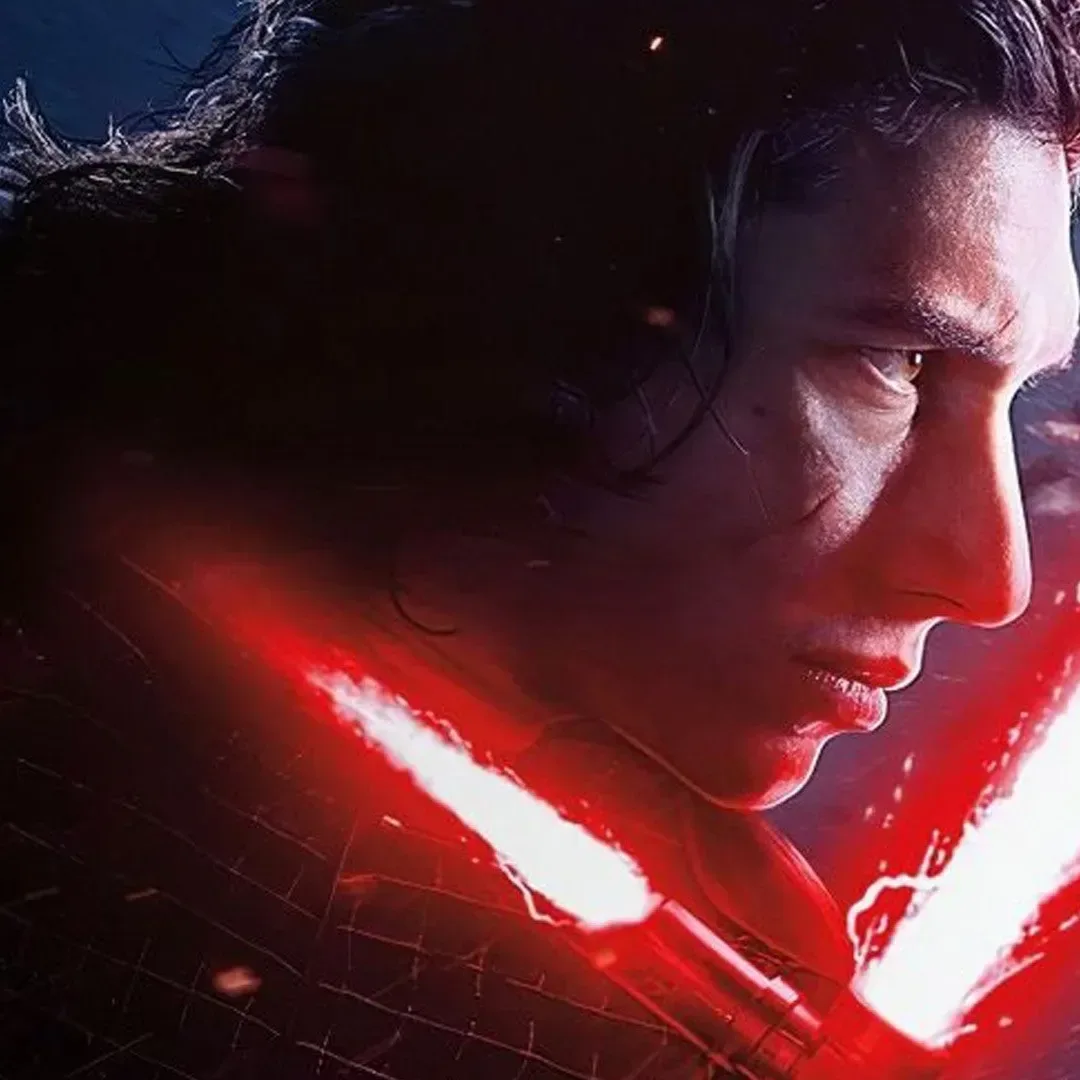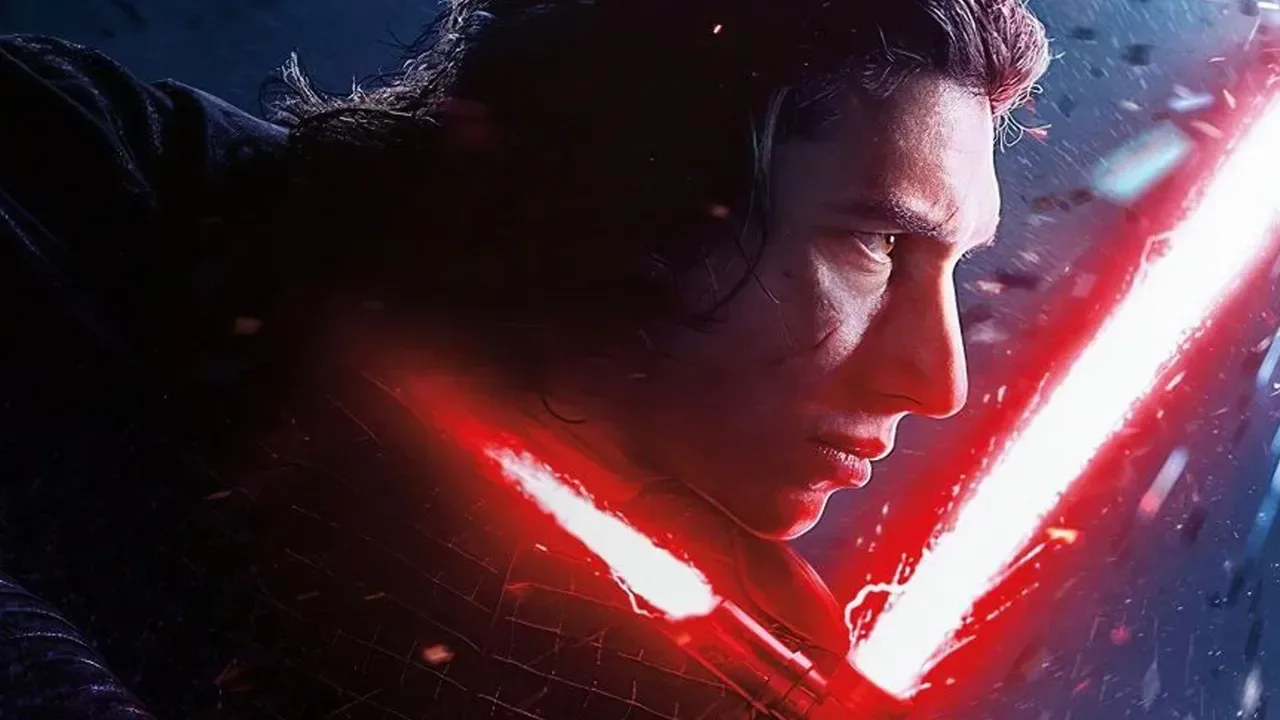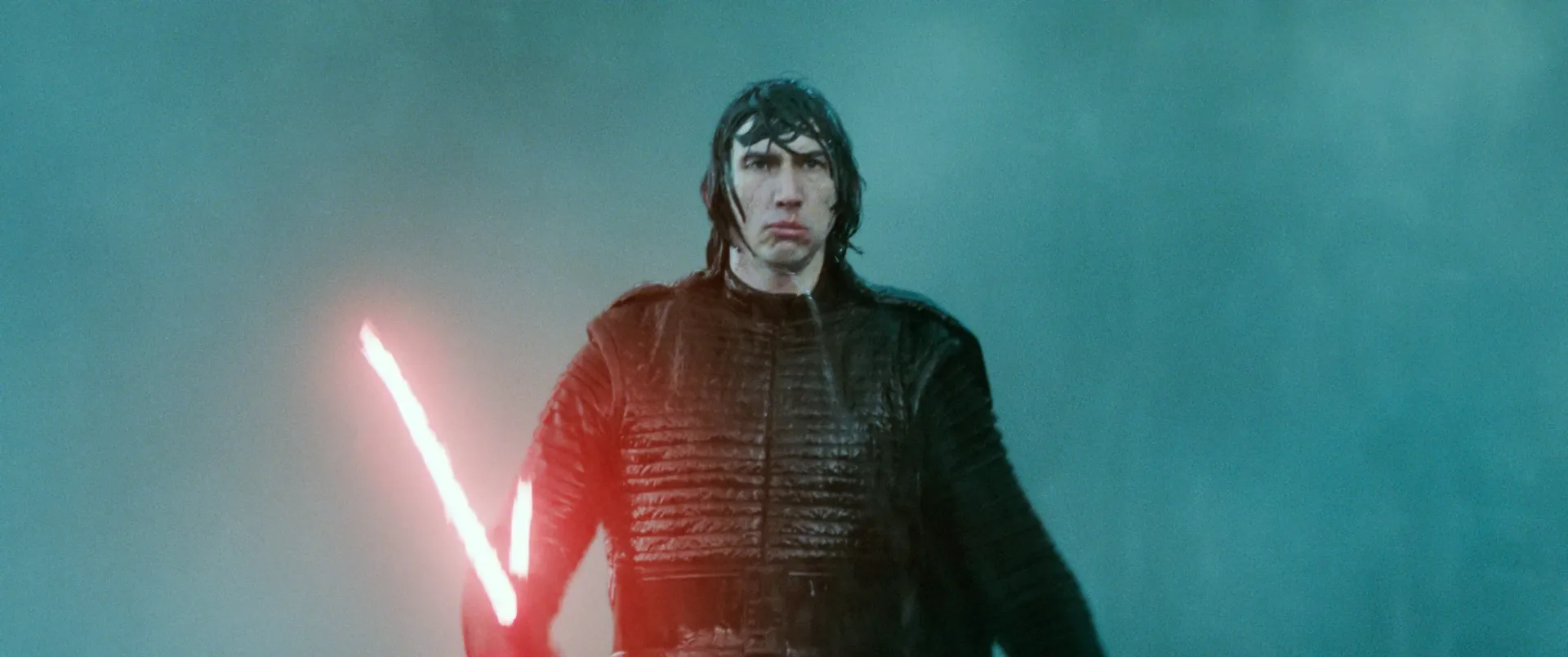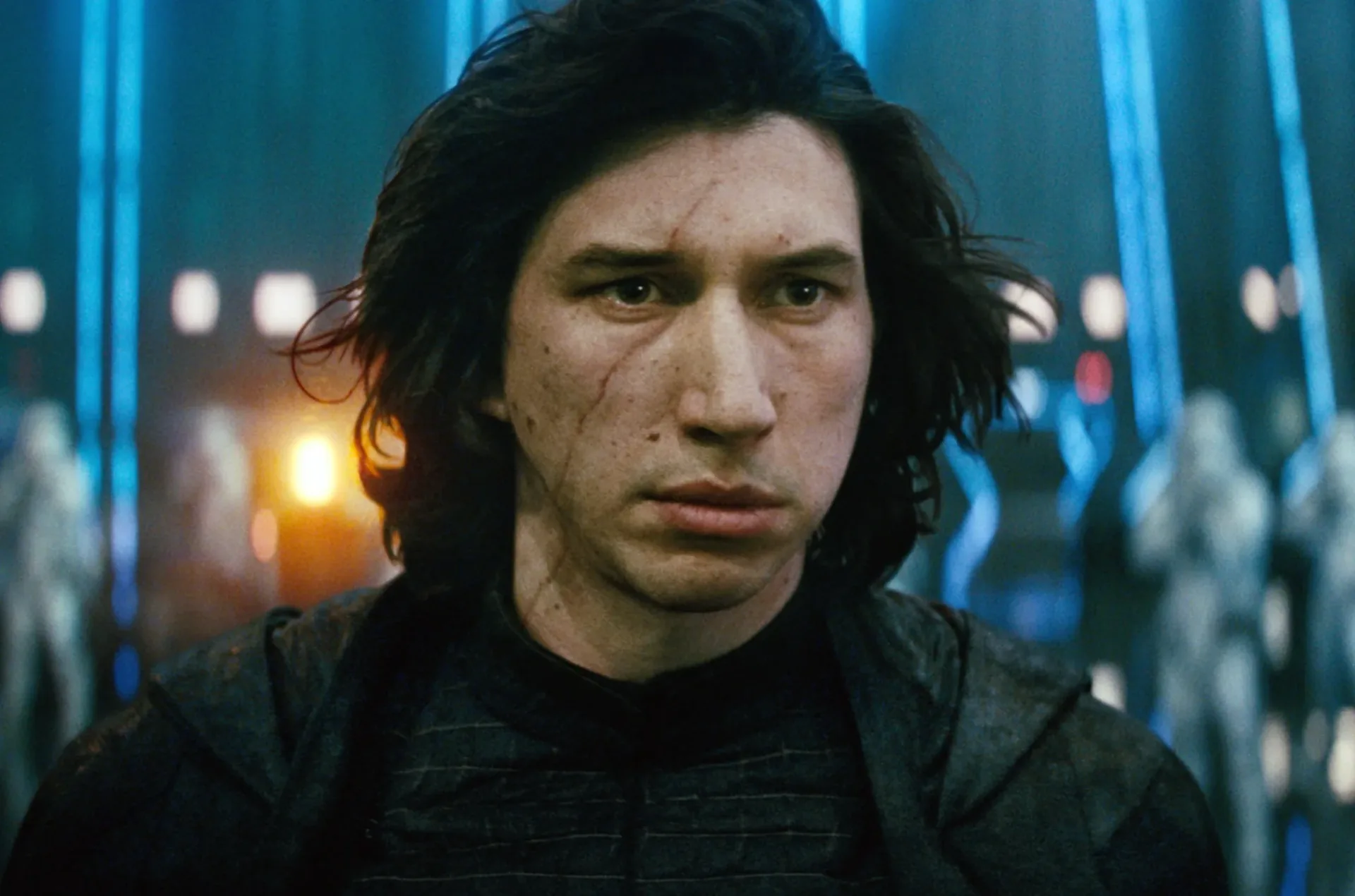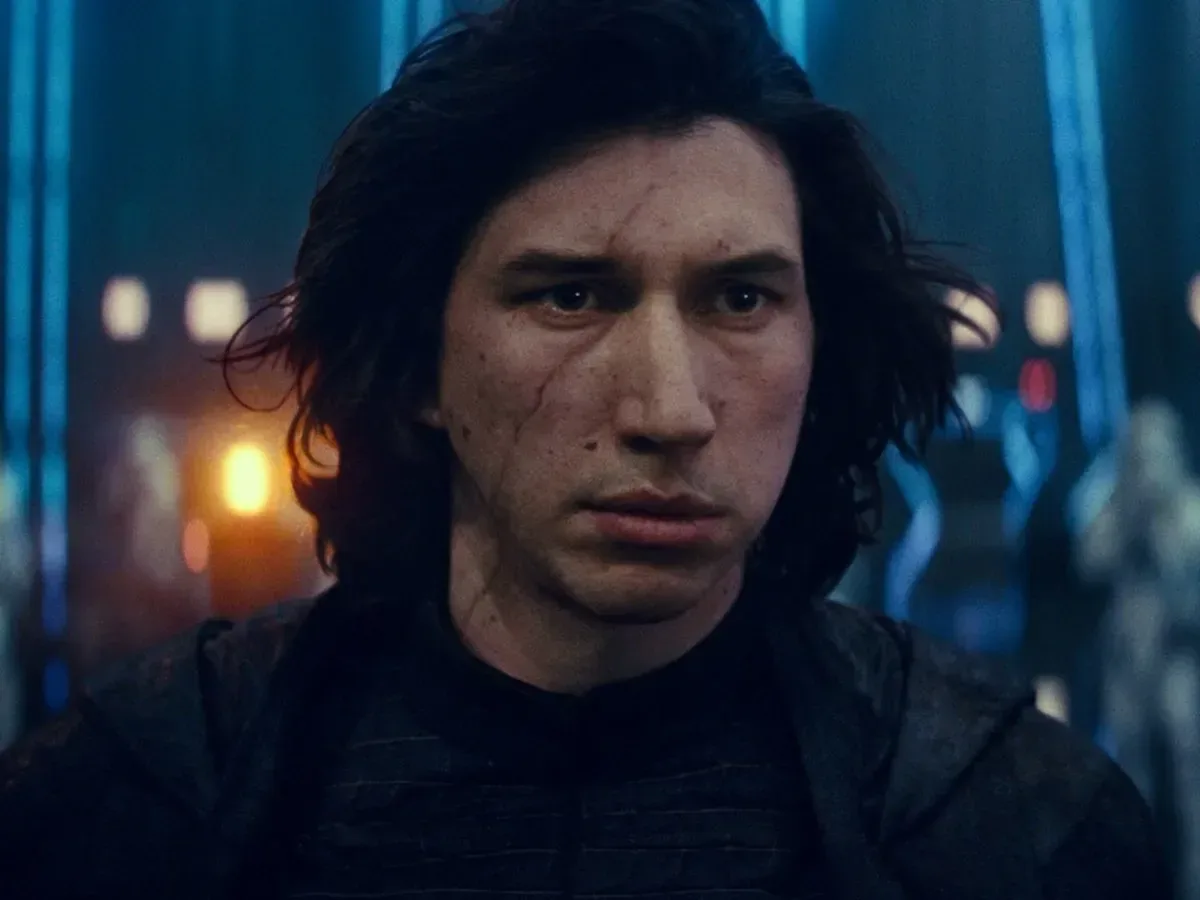
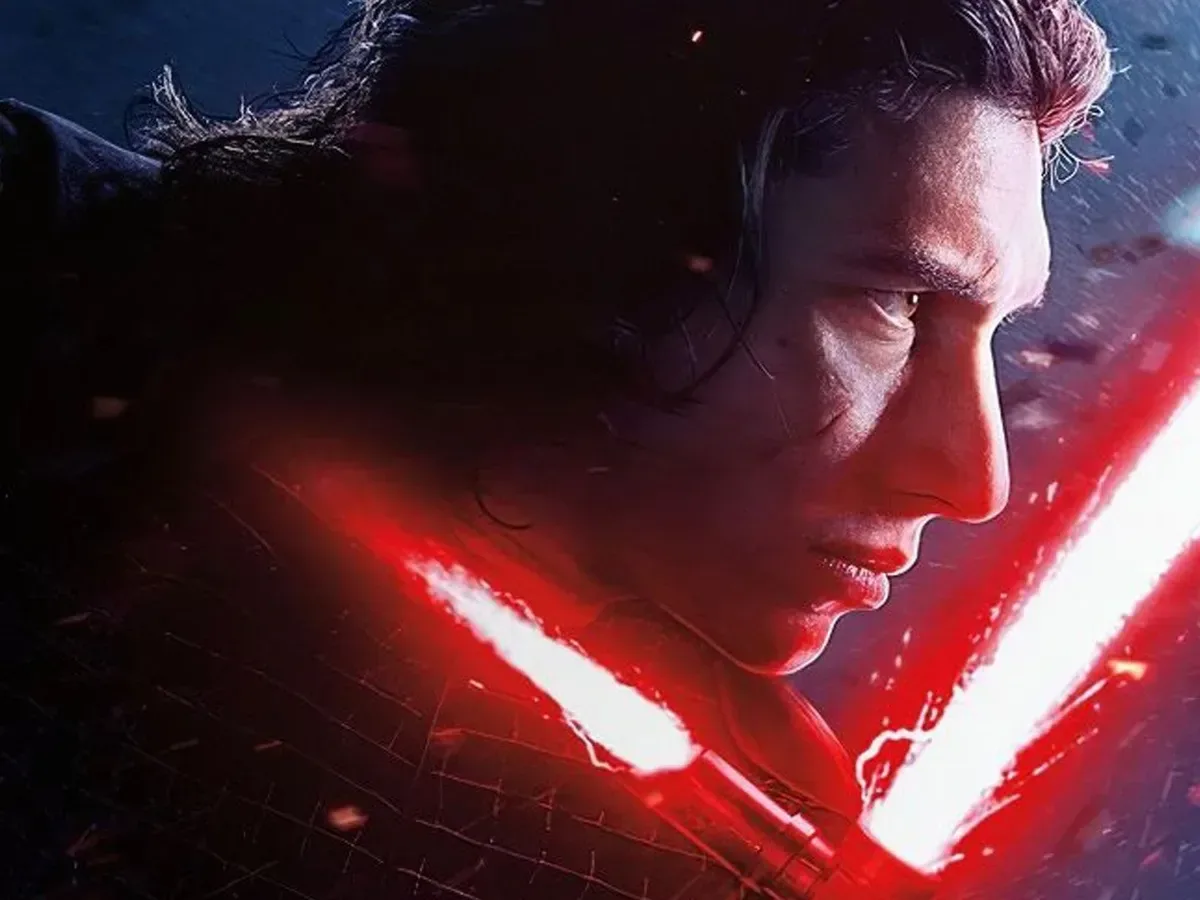
Adam Driver has delivered his bluntest public assessment yet of the canceled Star Wars project The Hunt for Ben Solo. Reflecting on the film he developed with director Steven Soderbergh, Driver said that the decision not to proceed “felt criminal,” a sharp expression of disappointment from the actor behind Kylo Ren and Ben Solo in the sequel trilogy.
The key distinction is important: Driver was describing how the cancellation felt to him, rather than alleging wrongdoing. But the wording captures the unusually public frustration surrounding a project that had reportedly spent two-and-a-half years in development before being shelved. It also explains why the idea has remained a live topic among fans rather than becoming merely another unmade franchise pitch.
What The Hunt for Ben Solo was meant to be
The Hunt for Ben Solo was envisioned as a follow-up connected to the Skywalker Saga, focused on a potential future for Ben Solo. Driver previously described its screenplay as one of the coolest he had worked on. That praise mattered because it came from the performer most closely identified with the character, and because Soderbergh’s involvement suggested that the project had moved beyond an informal “what if?” conversation.
Development, however, is not the same thing as approval for production. In film-industry terms, a project can have a writer, director, star, story work, internal meetings and years of creative labor without receiving the final corporate commitment needed to make it. A cancellation at that stage does not necessarily mean that no work exists; it means the work did not become a completed film.
For more context, explore League of Legends: New Dawn Set for 2027 as Riot Teases Sweeping Client, Rift and Gameplay Changes.
That gap is central to the reaction. The public has heard about a story concept, a director and Driver’s enthusiasm, but there is no finished movie for audiences to evaluate. The debate is therefore less about whether the film succeeded and more about whether it was a creative opportunity worth taking.
Driver’s frustration centers on the director and the character’s fate
Driver’s latest comments put Soderbergh at the center of his disappointment. His argument was straightforward: if Soderbergh wanted to make a Star Wars film, Driver found it difficult to understand why that prospect was still up for debate. He added that Soderbergh has since moved on to another project that Driver considers among the best things the filmmaker has written.
There is also a story-continuity question at the core of the decision. Driver has said that Disney leadership did not see how Ben Solo could be alive. That is not a minor logistical issue. For a sequel to a major saga, the status of the title character determines the entire premise: whether the film is a literal continuation, an alternate possibility, a story involving survival or return, or something else entirely.
Related coverage includes Adam Driver Calls the Canceled Hunt for Ben Solo 'Criminal' as Star Wars Fans Keep the Debate Alive.
Nothing publicly available here establishes which approach the screenplay took, nor whether one was fully resolved. What it does establish is that the character’s apparent death was a central obstacle in getting decision-makers comfortable with the project. A script may answer a narrative question to its creators’ satisfaction, but a franchise owner still has to decide whether that answer fits its broader plans.
Why continuity is not just a fan argument
“Continuity” refers to the consistency of events, characters and rules across stories in the same fictional universe. In a property as expansive as Star Wars, it is both a storytelling matter and a business consideration. A decision to revisit a character believed dead can affect how earlier stories are understood and can shape expectations for future films and series.
That does not make a Ben Solo return impossible in principle. Fictional franchises regularly explore survival, unexplained absences, different points of view and other narrative mechanisms. But it does explain why executives might approach the prospect cautiously, especially when the character’s earlier arc already has a definitive ending for many viewers.
The creative tension is easy to see. Driver and Soderbergh apparently saw enough potential in the premise to devote significant time to it. The company ultimately did not agree that the path forward worked. Both positions can exist at once, even if the people who made the pitch remain understandably unhappy with the outcome.
Soderbergh and fans kept the canceled project in public view
Driver is not alone in voicing disappointment. Soderbergh has characterized the decision to abandon the film after years of work as “insane.” The choice of language from both collaborators is notable because filmmakers often keep abandoned studio projects private, especially when they may want to work with the same companies again.
The reaction from supporters gave the subject a second life. Fans organized a campaign urging the project to be reconsidered, including billboards in Times Square. Driver said he was moved by that response and had not expected it. He likened the feeling to a group of people at a bar discussing the movies they wanted to see.
That image gets at why fan campaigns are powerful even when they do not immediately change a studio decision. They turn private disappointment into visible demand. They can demonstrate enthusiasm, preserve discussion around a canceled concept and make supporters feel connected to the people who wanted to create it.
They cannot, by themselves, establish that a film will be made. The absence of a production announcement remains more significant than the visibility of a campaign. Still, the campaign helped make clear that Ben Solo’s story retains an audience invested in the character’s possible future.
Driver said the reaction was “so moving,” particularly because he had not anticipated such a large public display of support.
Where the film stands now
The most concrete status update is also the least dramatic: the Ben Solo film is not currently being worked on. Lucasfilm president Dave Filoni said as much in August 2026. That leaves no confirmed production timeline, release window or indication that The Hunt for Ben Solo has been revived.
Driver has indicated that he is likely done with the hilted lightsaber associated with his character, while still leaving open the possibility of returning if the company changes course on this specific film. Soderbergh, meanwhile, ruled out returning in April. Those statements make the project’s path narrower, even if neither changes the fact that the idea still has vocal support.
There is a difference between a door being emotionally open and a movie being actively developed. The former means a performer is not categorically refusing the possibility. The latter would require a renewed commitment from the rights holder, an agreed creative direction and the participation of the necessary filmmakers. At present, only the first of those possibilities has been discussed publicly, and even that is qualified.
A broader moment of uncertainty for Star Wars films
The Hunt for Ben Solo is not the only Star Wars feature to stall. Taika Waititi’s long-discussed film was also officially put on ice recently. That does not mean the franchise has no screen future: several films and shows are confirmed for the coming year. It does mean that long-term development should not be confused with a guarantee that every announced or reported project will reach cameras.
For audiences, the practical takeaway is simple. Treat The Hunt for Ben Solo as a canceled project with continuing public interest, not as a hidden finished film or a confirmed comeback. Driver’s comments offer a clearer picture of the disappointment felt by the creative team, but they do not amount to a revival notice.
For the moment, the project exists in an unusual space: substantial enough to have attracted a director, star, years of effort and a fan campaign, yet unresolved enough that much of its story remains unknown. That uncertainty is precisely why it continues to provoke discussion. Fans are responding not only to Ben Solo, but to the tantalizing possibility of a film that its own intended star believes should have been made.
As franchise development continues to shift, the debate around The Hunt for Ben Solo is a reminder that a canceled project can still become part of a saga’s cultural story. It may never become a feature film, but Driver and Soderbergh’s remarks have ensured it will remain one of the more talked-about roads not taken in modern Star Wars.