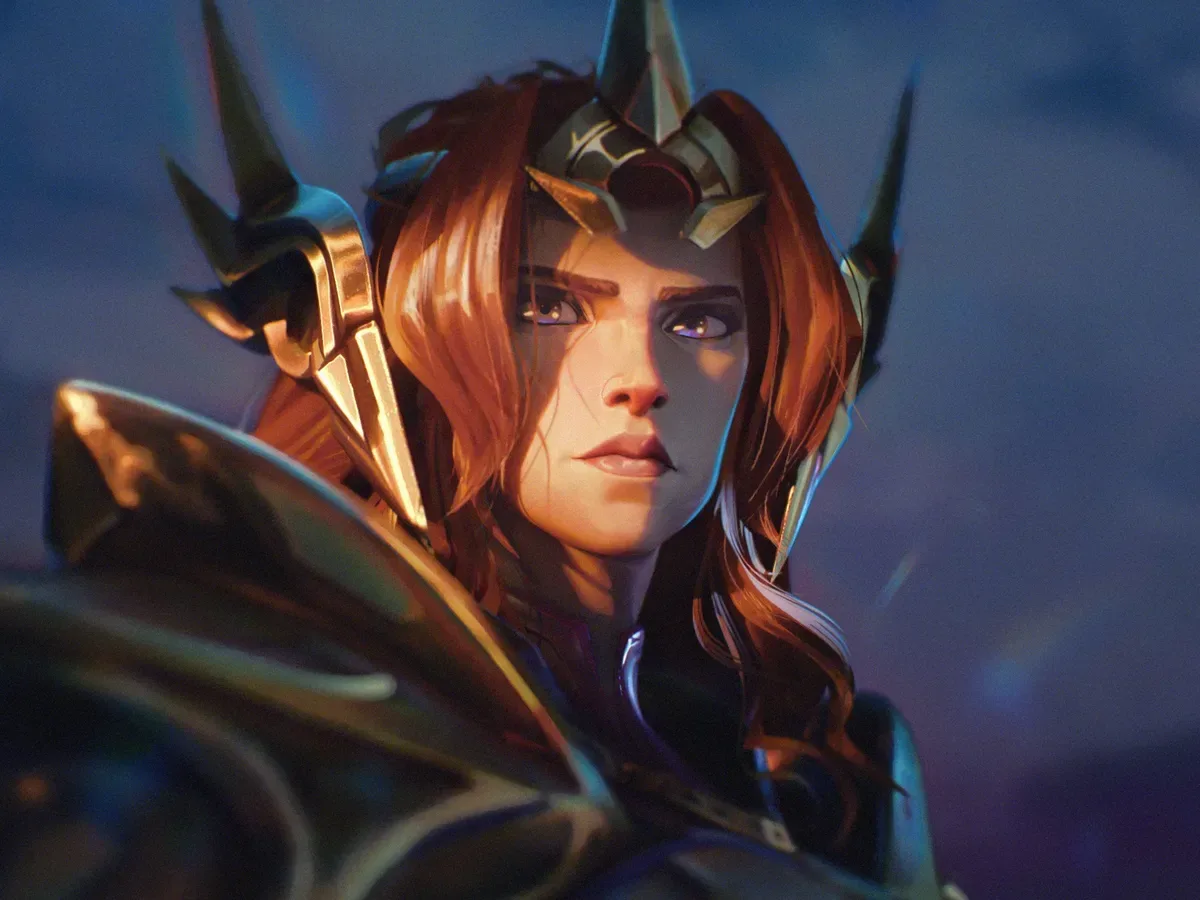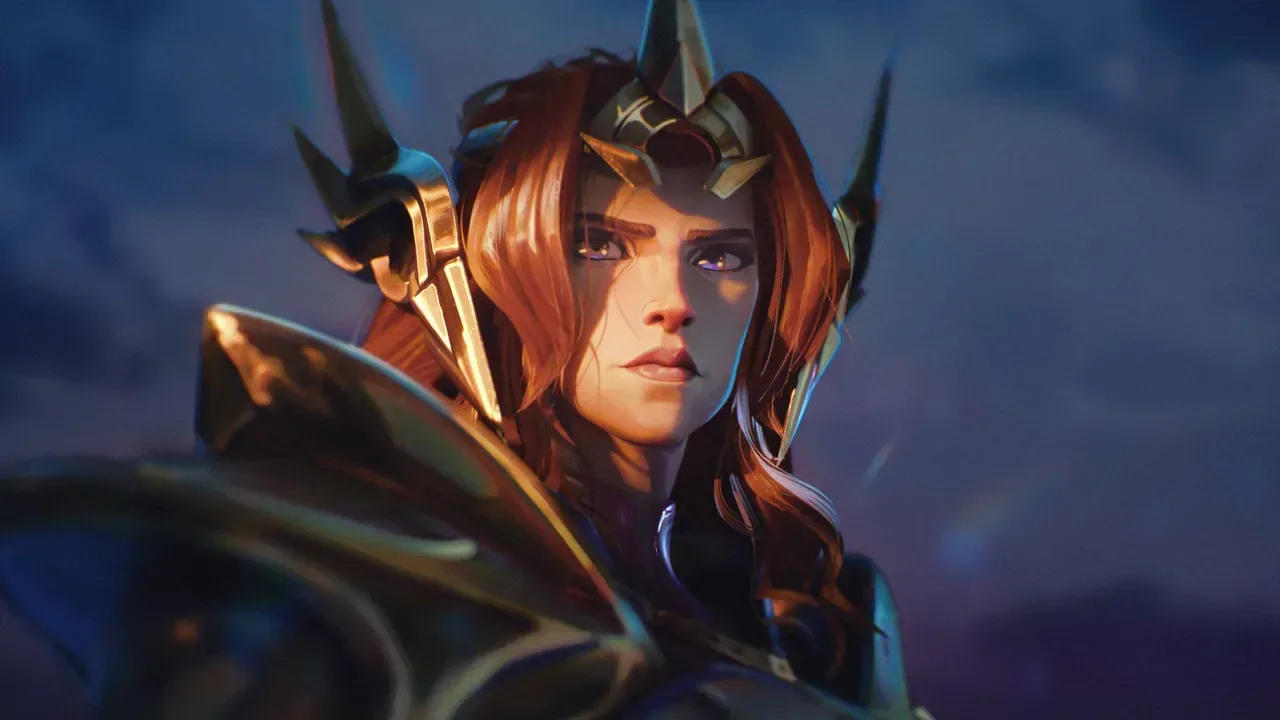
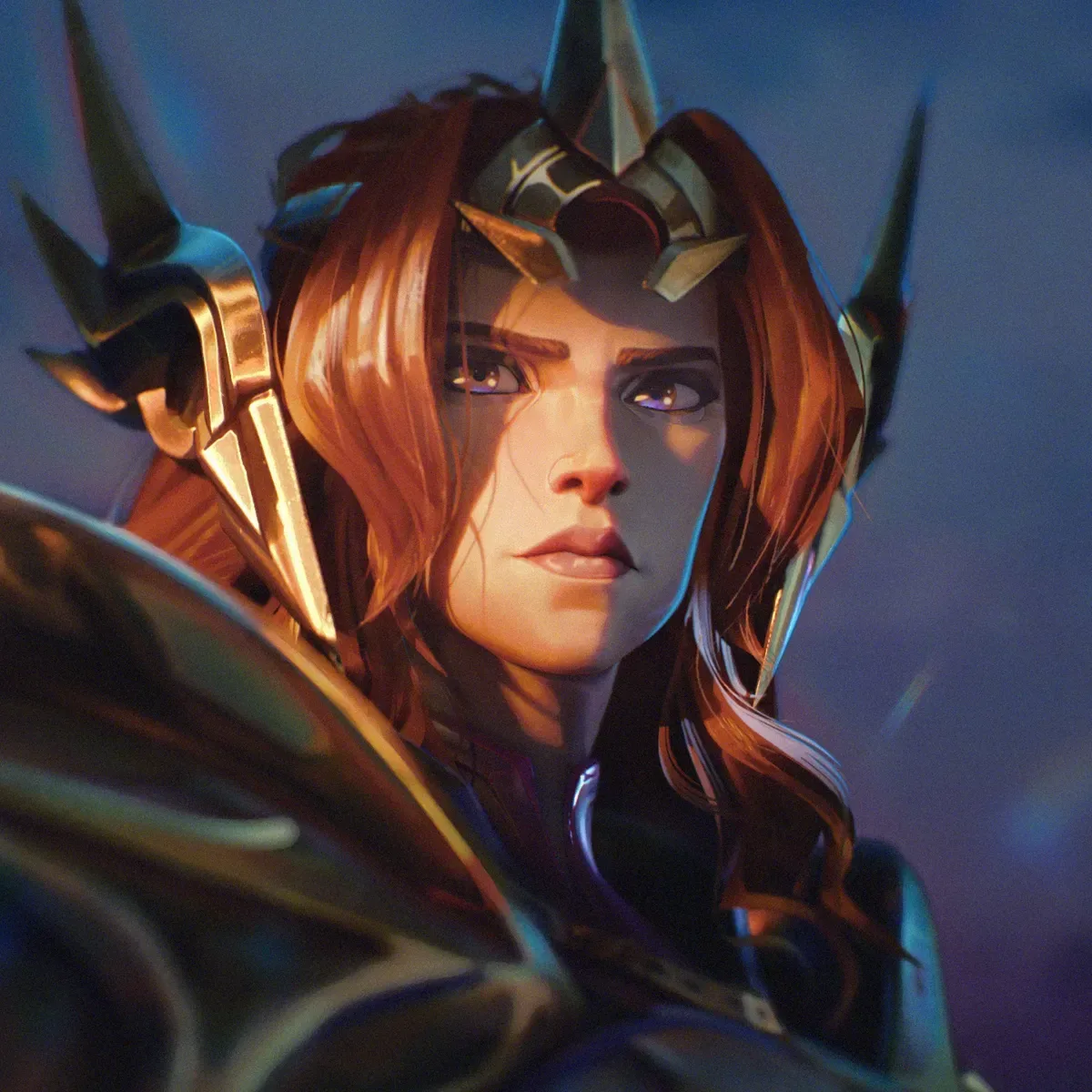
League of Legends is heading toward one of the broadest revisions in its history. Riot Games has revealed League of Legends: New Dawn, a large-scale update planned for 2027 that is intended to touch the game client, Summoner’s Rift, visuals and the underlying flow of matches.
The reveal arrived during the 2026 League of Legends World Championship Finals, alongside an initial trailer rather than a full mechanical breakdown. That distinction matters. The footage establishes the direction of the update and shows several changes players can expect to inspect closely, but it does not yet define every system, number or rule that will arrive with New Dawn. A fuller presentation is expected in January 2027.
“This is the start of a new era for League, a new journey,” League executive producer Paul Bellezza said in the debut trailer.
That is a notably big promise for a game that has already changed repeatedly since its 2009 launch. League previously received a rebuilt Summoner’s Rift in 2014, a replacement client a few years later, and subsequent revisions to runes and terrain. New Dawn, however, is being positioned as an update that reaches across those normally separate parts of the experience at once.
What the New Dawn trailer actually shows
The clearest visible revision is a redesigned champion-select screen. Its layout appears closer to the modern interface used in Wild Rift, League’s mobile counterpart. Champion select is the pre-match phase in which teams choose their playable characters and establish the first layer of strategy: lanes, roles, team composition and potential counters. It is not simply a menu. A redesign can affect how quickly players find information and make choices before a match begins, even if it does not alter what champions do once the game starts.
The trailer also points toward a new or substantially revised rune system. Runes are pre-game selections that modify a champion’s capabilities and can shape a player’s approach to a particular matchup or game plan. The available footage suggests they may carry a more significant gameplay impact than before, although the precise changes have not been detailed. Until Riot explains the system, it would be premature to infer specific rune effects, balance goals or how existing choices will change.
Elsewhere, New Dawn footage features refreshed minions, a reworked visual identity for Summoner’s Rift, redesigned dragons and Baron Nashor, plus new-looking effects for numerous champion abilities. Minions are the computer-controlled units that continuously advance down lanes. Dragons and Baron Nashor are major neutral objectives: their presence pulls teams into contestable areas of the map and helps structure high-stakes decisions during a match.
A visual revision to these elements may make the game look markedly different, but the more consequential signal is that the update appears to go beyond presentation. The trailer hints at meaningful changes to map terrain. Terrain is the physical geometry of the battlefield: the walls, routes, openings and spaces that determine where champions can move, hide, chase, retreat and fight.
Related coverage includes League of Legends: New Dawn Revealed as Riot Plans Major 2027 Overhaul.
Why terrain changes can alter every role
Map terrain is especially important because League strategy is inseparable from information and positioning. A new passage, altered wall, widened approach or changed obstruction can affect which areas are safe to cross, where teams can establish vision, how easily a player can escape, and whether a fight starts on favorable terms.
Junglers are an obvious group to watch because they travel between lanes and neutral camps, often using terrain to create unexpected angles for attacks. But the implications do not stop with the jungle. Laners may have different paths to ward or respond to pressure. Support players could encounter changed approaches around major objectives. Teams as a whole may need to reconsider where they establish control before dragons or Baron Nashor become available.
That does not mean every apparent terrain revision will become a permanent competitive upheaval. The footage is a tease, not a complete specification. Still, it explains why the update is being discussed as more than a graphical refresh. When a long-running multiplayer game changes the space in which its familiar systems operate, players must reassess habits that may have been built over years.
A new client is more than a fresh coat of paint
New Dawn’s planned client work is another key part of the scope. In this context, the client is the software interface surrounding the match itself: the place players navigate before and after games, including activities such as queueing and champion select. The trailer’s champion-select redesign provides the clearest example of a visible client-facing change so far.
Because Riot has not yet outlined the complete client plan, the practical effect remains unknown. There is no confirmed list of interface features, workflow changes or technical improvements in the available information. For players, the sensible expectation is not a particular feature checklist, but a period of adjustment across the game’s presentation and its pre-match routine.
It is also worth separating ordinary local troubleshooting from an announced client overhaul. Clearing a console cache, for example, can sometimes be a useful maintenance step for a device problem, as covered in this Xbox Series X cache guide, but it is not a solution for, or explanation of, the systemic League changes New Dawn is set to introduce.
League Classic framed the tension between preservation and change
The timing of New Dawn is notable following League Classic, a 2026 mode that let players revisit older versions of Summoner’s Rift and League champions. Its current run is due to end in January 2027, only weeks after its release, though it could return in a changed form later.
League Classic and New Dawn represent very different ways of addressing a long-lived game’s history. One offers a route back to earlier versions; the other seeks to move the main experience forward with a major rebuild. The short initial run of Classic does not establish a universal verdict on nostalgia, nor does it tell us what form a future return might take. It does, however, underline the difficulty of treating a historical version as a complete answer to the needs of an evolving competitive game.
For New Dawn, the practical challenge will be change management. Longtime players have deep familiarity with League’s visuals, routes, systems and moment-to-moment cues. A major overhaul can make the game feel more coherent or contemporary, but it can also require relearning. Riot’s eventual January presentation will need to clarify which elements are cosmetic, which are interface changes, and which will directly reshape strategy and balance.
What remains unconfirmed before January
The announcement supplies a clear headline but leaves substantial questions open. Riot has yet to fully explain the revised rune system, the exact nature of terrain changes, the breadth of client work, or the full set of gameplay adjustments. Likewise, the trailer imagery is evidence of direction, not confirmation of every implementation detail players may read into it.
For now, the firm points are straightforward:
- New Dawn is scheduled for 2027.
- It is intended to update the League client, Summoner’s Rift, visuals and gameplay.
- The reveal trailer shows a reworked champion-select interface, new-looking map and unit visuals, altered dragon and Baron Nashor designs, and apparent ability-effect revisions.
- The footage suggests revised runes and terrain changes with strategic consequences.
- Riot expects to provide its fuller New Dawn presentation in January 2027.
The update’s success will ultimately depend on how those moving pieces fit together in the live game. A new look can immediately establish a different tone, but League’s audience will judge New Dawn most closely on clarity, competitive integrity and whether the altered map and systems create worthwhile decisions. The upcoming reveal should turn a promising but deliberately incomplete trailer into a clearer picture of what the next era of League will demand from its players.