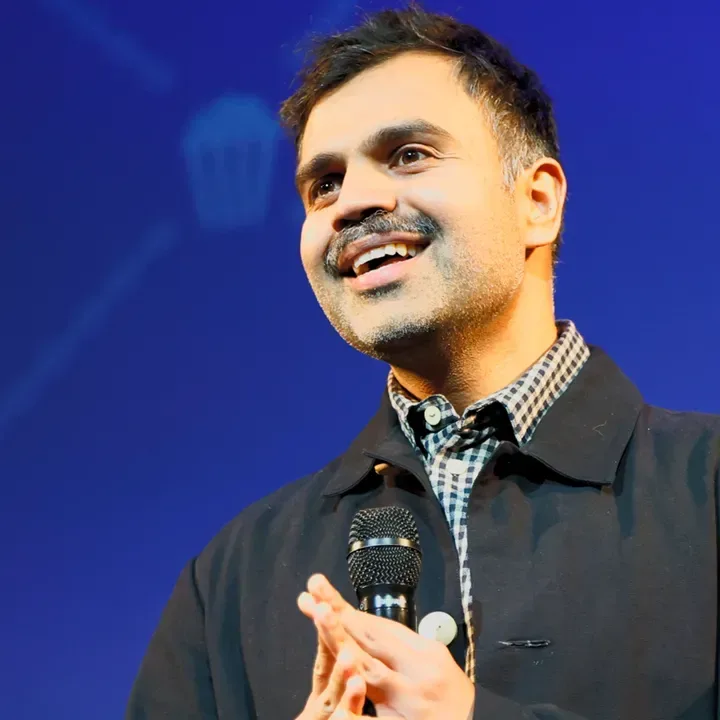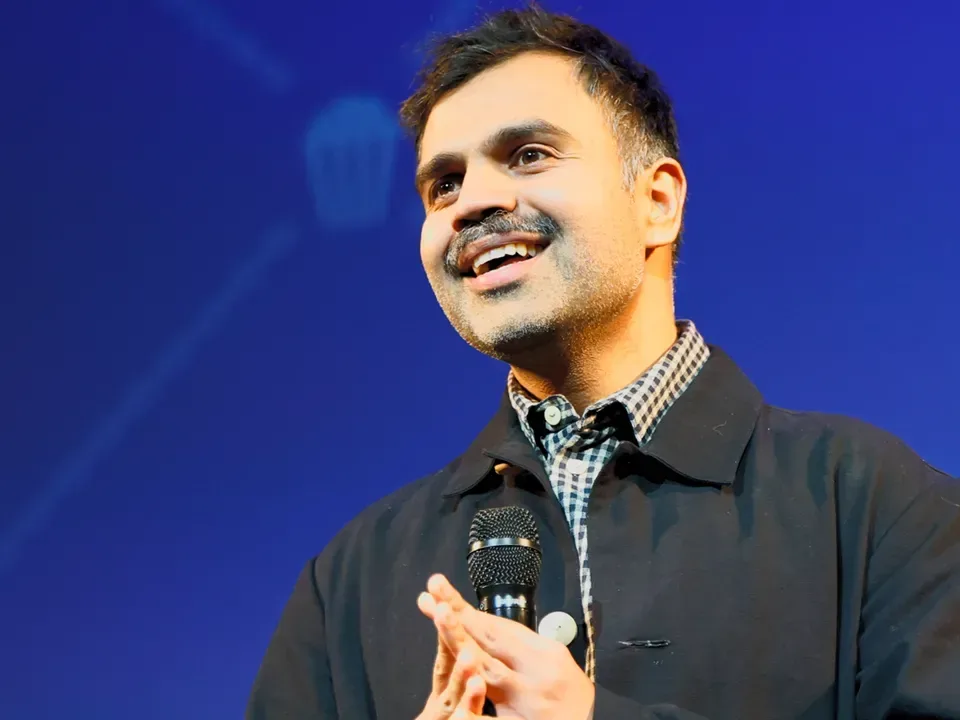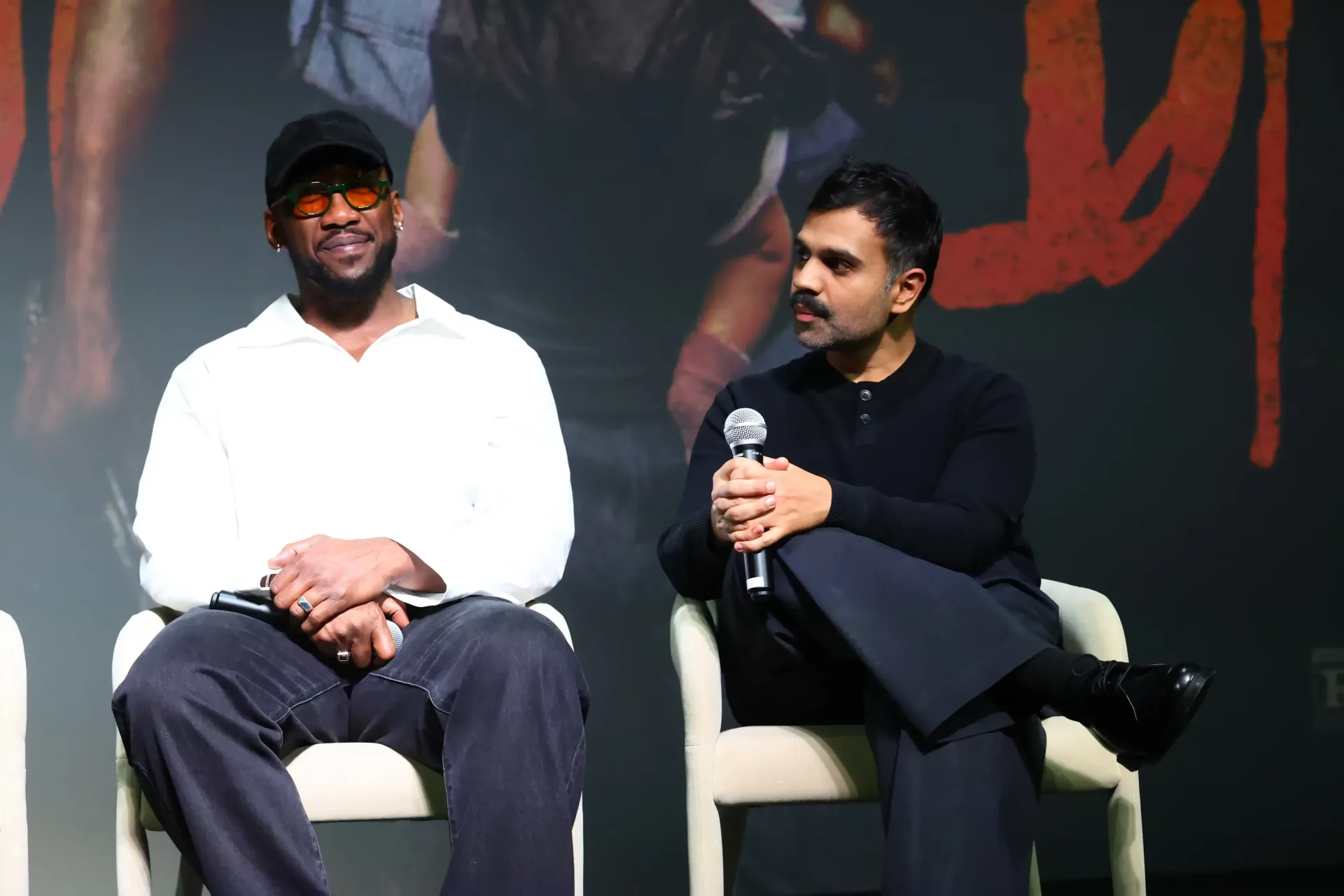
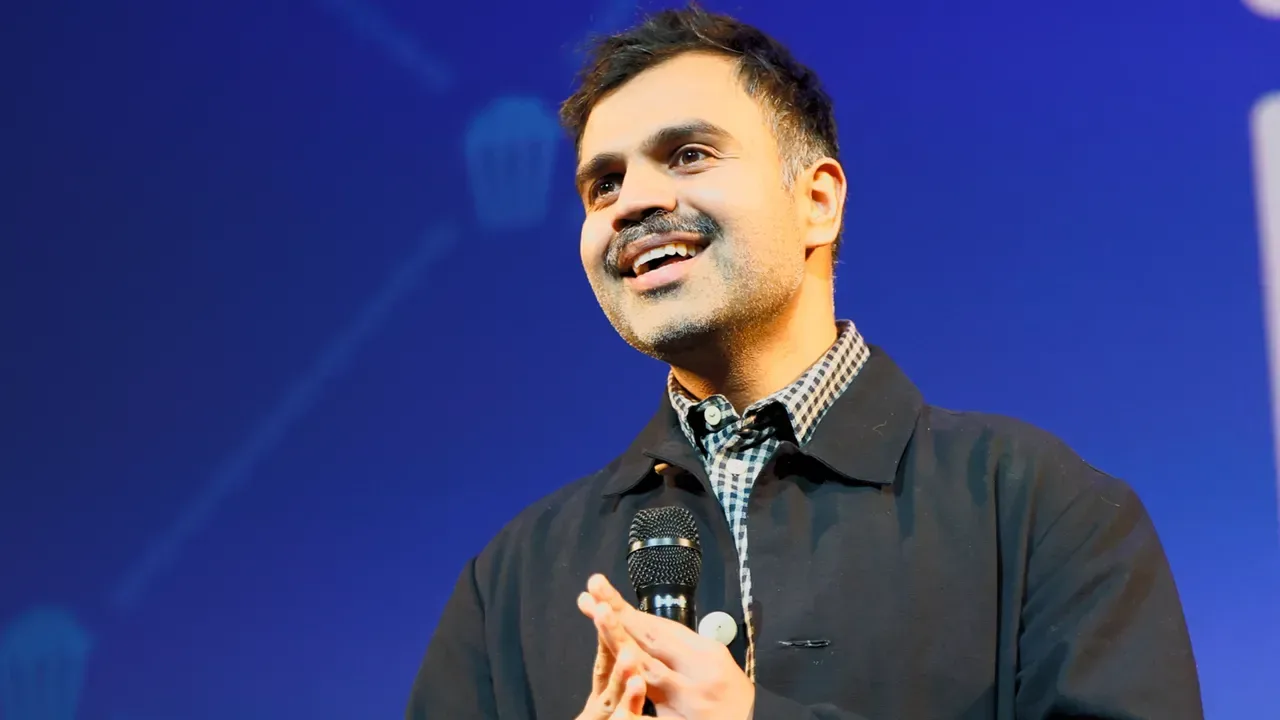
Bassam Tariq has offered his clearest explanation yet for leaving Marvel’s long-gestating Blade film: the director says the work had begun before there was a proper script, leaving him to make promises to actors without a reliable text behind them.
His blunt summary of the experience was that “life’s too short to make s**t films.” But the fuller account is less a broad swipe at blockbuster filmmaking than a specific objection to a process in which casting and development were moving ahead while the story itself remained unresolved. Tariq said that situation made it difficult to preserve the one thing a director needs from a cast: trust.
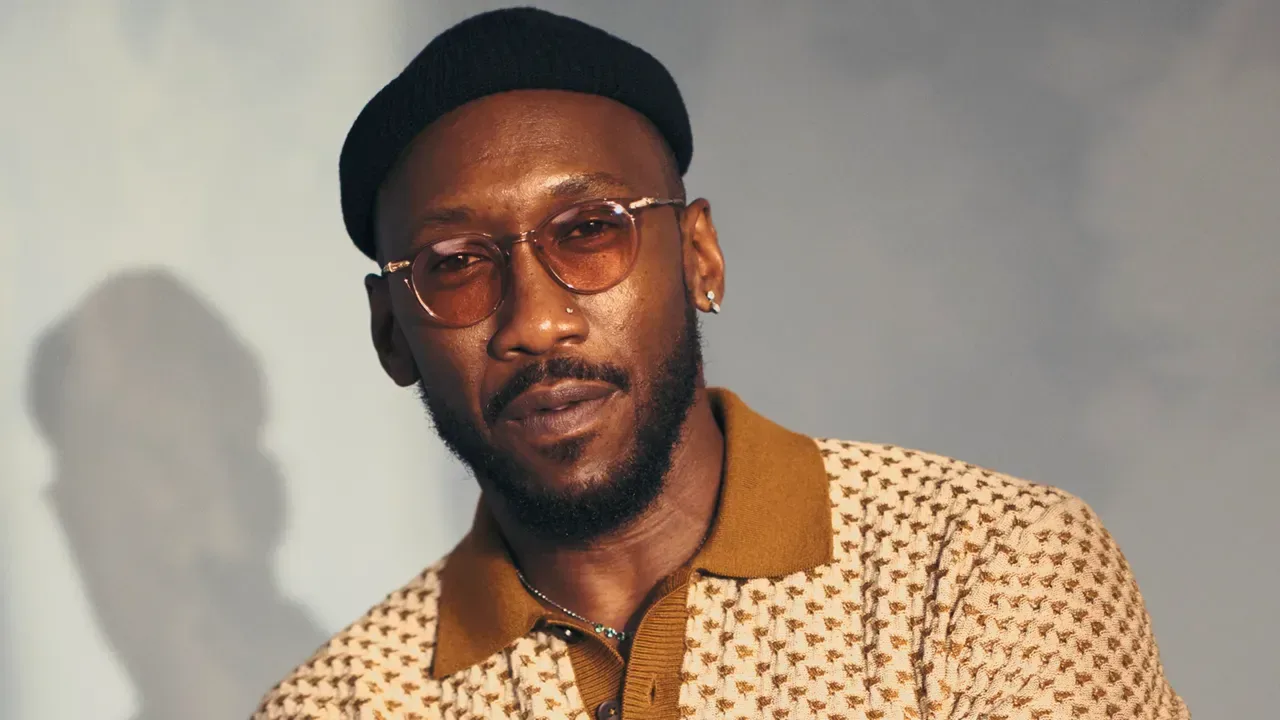
The Mahershala Ali-led Blade project was announced in 2019. Tariq was selected to direct in 2021, then departed a little more than a year later. The film is now officially canceled, ending a lengthy and troubled attempt to bring the character into the Marvel Cinematic Universe in a live-action starring role.
What Tariq says went wrong
Tariq’s concern was not simply that a screenplay was changing. Rewrites are a normal part of filmmaking, particularly on large productions. His concern was that the work of hiring performers and building a movie was proceeding without a sufficiently solid foundation to explain what those performers would actually be making.
“It was funny and strange to start casting and building without a proper script,” Tariq said. “You’re sitting there and explaining to actors what their role will be, and they just have to believe you.”
That distinction matters. A director can discuss tone, character, setting, action and themes with actors before every line is locked. In many productions, that is unavoidable. Yet those conversations have real stakes. An actor may choose a role based on the version of the character described in that meeting, and crew departments may start preparing for a certain kind of film. If the eventual screenplay points somewhere else, the director can become the person who delivered expectations they could not fulfill.
Tariq described the professional risk in direct terms: if the written material does not match what he has told an actor, his credibility can disappear. He said integrity was central to his decision-making, and that he had come to see the situation as unhealthy for the way he wanted to work.
In practical terms, script control does not necessarily mean a filmmaker needs unchecked authority over every choice in a studio movie. It means having a clear, dependable understanding of the story and being able to argue for it directly. Tariq’s stated preference is for disagreements over the script to be between the studio and him, rather than for him to repeatedly carry decisions made elsewhere back to cast members.
Related coverage includes Bassam Tariq Explains Why He Left Marvel's Canceled Blade Film.
The director’s role became a communications problem
Tariq said he found himself acting as the bearer of bad news to actors while a corporate structure made major decisions in the background. That is the heart of his criticism. It is not just an argument about who has the final say; it is about accountability.
A film director is commonly the bridge between a production’s creative ambitions and the practical work of making scenes. Actors need direction that is consistent enough to shape performances. Departments responsible for costumes, sets, makeup, stunts and other preparation also need a shared understanding of what the movie is trying to be. When the central text is unsettled, the bridge can become unstable.
For Tariq, that instability became personal because actors were being asked to trust his explanation of their roles. He said he learned that he was losing credibility with them. Whether another filmmaker could have accommodated the same conditions is beside the point: Tariq has been explicit that he could not do so while retaining the working relationship he wanted with his cast.
His phrasing also pushes back against an assumption sometimes attached to high-profile franchise work: that the opportunity is automatically worth accepting because of the scale, visibility or association with a major studio. At the time he was attached to Blade, Tariq had made one other feature, Mogul Mowgli. The Marvel job was a major opportunity, but he says the experience instead clarified his boundaries as a filmmaker.
Blade’s complicated route to cancellation
Marvel announced the Ali-led film in 2019 and brought Tariq aboard two years later. When he exited, the public explanation cited changes to the production schedule. The project later had another director and endured multiple updates involving Ali’s frustration before it was ultimately canceled.
The confirmed cancellation makes Tariq’s remarks newly significant. They are not a postmortem on a film audiences can now judge; no Ali-led MCU Blade feature was released. Rather, they explain one director’s decision during the development of a project that never found a route to the screen.
There is also an important limit to what these comments establish. Tariq has described his own experience, his concerns about the script process and the effect on actor relationships. That does not provide a complete production history or identify every reason the film failed to move forward. It does, however, offer a useful view of why the director himself chose to leave.
Marvel’s current position has been characterized by disappointment as well. Kevin Feige described feeling like a “gigantic loser and failure” over the process, a view Ali agreed with. Tariq, meanwhile, has not framed the episode as a personal feud. In separate comments about feeling like a failure after exiting, he defended Feige as a “good dude.”
That combination is notable: frustration over a failed creative process can coexist with respect for individuals involved in it. Tariq’s account is forceful, but it does not claim that every person attached to the project acted in bad faith. His issue was the production model as he encountered it and the compromises it demanded from him.
Why a screenplay matters before casting moves too far ahead
“Proper script” can sound like a simple requirement, but it covers several practical needs. A screenplay tells actors what their characters do and say, but it also clarifies motivation, relationships, pacing and the story’s overall promise. It gives a director a document against which to make decisions and lets performers ask precise questions.
- For actors: it creates a meaningful basis for deciding whether the role fits their interests and for preparing a performance.
- For a director: it provides a stable object to defend, revise and translate into performances and visuals.
- For the production: it helps departments plan around the same version of the movie, even if later revisions remain necessary.
- For the studio: it makes creative and scheduling decisions easier to communicate and evaluate.
None of that guarantees a smooth production. Scripts can be excellent and still change; productions can have locked screenplays and still run into scheduling, budgetary or creative trouble. Tariq’s account instead highlights the risk of starting key conversations too early, when the script may not yet support the commitments being discussed.
For audiences, this is the behind-the-scenes issue hidden by phrases such as “development troubles.” The phrase can cover anything from a small rewrite to a fundamental uncertainty about a movie’s identity. Tariq’s comments point to the latter concern: a director being expected to articulate a film’s character and roles before he felt the necessary script existed.
What did survive from the aborted production
Although Ali’s Blade never arrived, some work connected to the planned film found an indirect afterlife. Ali has said he appreciated the year of physical training he received through Marvel because it helped with more strenuous scenes in Tariq’s Your Mother Your Mother Your Mother.
Costumes associated with Blade were also used in Ryan Coogler’s Sinners. These are small but tangible reminders that a canceled production is not always a total absence of labor. Training, design work and preparation may remain useful elsewhere, even after the original project stops.
That is not a substitute for the movie that fans expected to see, and it does not change the fact that the Ali-led feature has been canceled. It does show how film development can leave traces beyond a finished release: a performer’s preparation may shape another role, while material created for one production can be repurposed for another.
The larger lesson Tariq took from Blade
Tariq’s takeaway is unusually straightforward. He says he needs full control over his script. Again, that should not be confused with saying a director must write every draft or never receive notes. His point is that he needs enough authority and certainty to speak honestly to actors about the project they are joining.
It is a lesson about the chain of responsibility. When corporate decision-making changes the foundations of a project, the director may still be the person who has to answer difficult questions from cast and crew. Tariq concluded that he did not want to be responsible for promises he could not guarantee.
Marvel is heading toward Avengers: Doomsday, while there is currently no indication of a live-action MCU Blade film replacing the canceled Ali project. The absence is especially conspicuous because the character had been positioned as a major Marvel return, with an Oscar-winning actor in the lead and a filmmaker who saw real potential in what the team hoped to build.
The project’s end leaves a frustrating what-if for viewers. Tariq himself said there had been high hopes for the film. But his explanation makes clear why hope alone was not enough: for him, a film needed a script he could stand behind and a process that did not erode his word with the people asked to make it.
It is also a useful reminder when considering how media businesses organize big-budget work. Questions of control, ownership and corporate strategy affect far more than superhero movies; they are part of the ongoing conversation around entertainment distribution and value, including the pressures discussed in streaming’s rising household costs and shifting ideas of ownership. Tariq’s point is narrower but sharper: a production structure has to leave someone able to make and keep credible creative commitments.