Two Academy Awards can make an actor a permanent part of movie history. They cannot, by themselves, make the next great part exist.
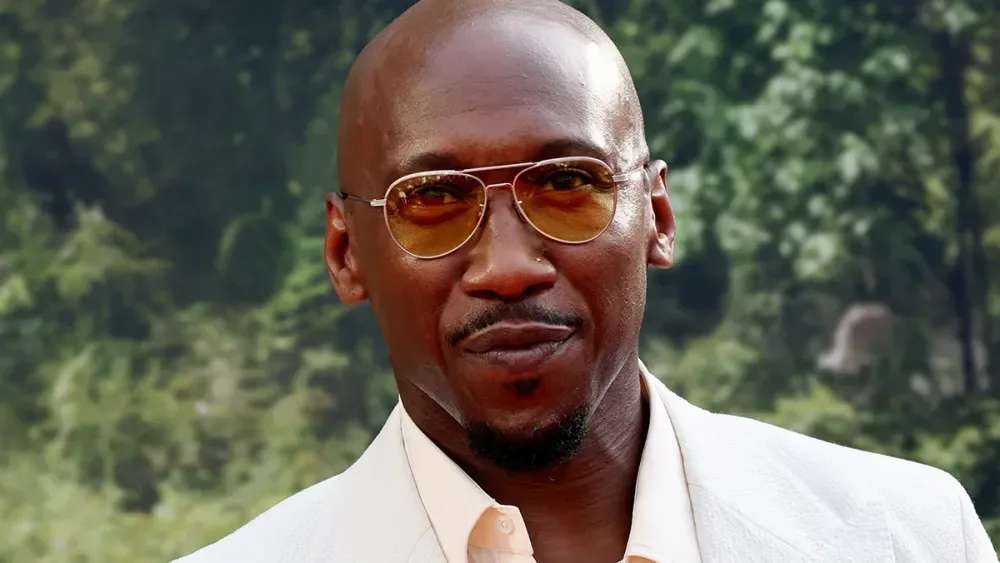
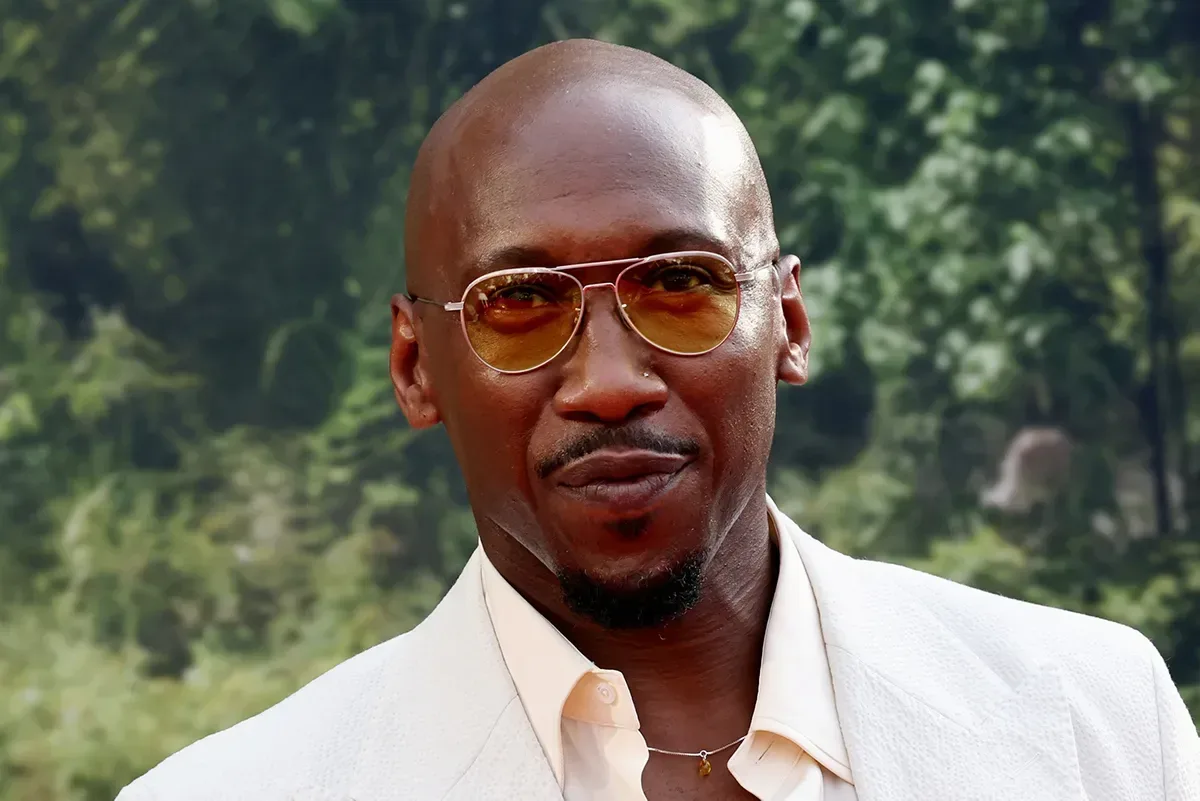
Mahershala Ali put that distinction plainly during a recent appearance on 7PM in Brooklyn. Ali, whose supporting-actor wins came for 2016’s Moonlight and 2018’s Green Book, questioned the idea that an Oscar is a simple, lasting certificate of professional security. His argument was not that recognition has no value. It was that recognition and opportunity are fundamentally different things.
For Ali, the central scarcity is not talent. It is material: scripts with fully realized roles, projects that get approved, and decision-makers willing to develop work around a particular performer. Even a much-decorated actor, he said, remains in the familiar position of waiting, looking and searching when the suitable projects are not being written or greenlit.
That observation carries extra weight alongside the collapsed attempt to bring Marvel’s Blade back to the screen with Ali in the title role. The project had a major star and one of the industry’s most recognizable superhero brands, but it still did not reach completion. Taken together, Ali’s comments describe a less glamorous truth about prestige, franchise filmmaking and the distance between a promising attachment and a finished movie.
An award recognizes a performance, not a pipeline
Ali’s point begins with a practical separation that is easy to lose in awards-season conversation. An Oscar honors work that has already reached audiences. A career is sustained by work that has not yet been made. The former is an achievement; the latter depends on a chain of future choices by writers, producers, studios, financiers and other decision-makers.
That is why an award cannot function as an automatic jobs program. A trophy may raise an actor’s profile, but it cannot create a screenplay, expand a thin supporting role, or cause a project to be approved. It also cannot guarantee that the projects moving forward contain a character that matches the actor’s interests, age, range or screen presence.
Ali framed the issue especially sharply: there are more good actors than good material. This is not quite the same as saying there is no work. Instead, it is a qualitative problem. Lots of projects can be produced while only a smaller number offer the complexity, ambition and fit that an actor would consider worthwhile. In that environment, talent is necessary, but it is not the scarce resource.
The word greenlit is important here. A greenlight is the decision to move a project from development into active production. Before that point, a movie can have performers attached, creative conversations underway and substantial expectation around it, yet still remain uncertain. The actor’s reputation is only one factor in a process involving the script, corporate priorities and the people who control whether a production proceeds.
Related coverage includes Mahershala Ali Says Two Oscars Did Not Guarantee Hollywood Opportunities.
Why “validation” can be an incomplete promise
Asked whether an Oscar win validates Black actors, Ali pushed back against the idea that symbolic recognition reliably changes the material conditions of a career. He described that expectation as talk that does not necessarily become something tangible.
His concern is not difficult to understand. A major award can be read as evidence that an institution has acknowledged an artist, while the next stage of the business still depends on what roles are offered and what films are financed. If the available choices remain narrow, the praise may not be followed by creative freedom.
Ali also rejected the limiting frame of being positioned as an “exotic other” or as the defining face of a “diversity project.” His stated aim is much more direct: to do great material as a Black person, without having his work reduced to a corporate label or treated as an exception that needs special explanation.
That distinction matters because representation is not only a question of whether a performer appears in a high-profile project. It is also about the breadth and quality of the characters on offer, and whether artists are allowed to approach work as individuals rather than symbols. Ali’s remarks place the emphasis on durable creative opportunity rather than an isolated prestige moment.
There is a useful pop-culture parallel in the way acclaimed work can live beyond the career systems around it. A recent recollection of a surprising production overlap between 12 Years a Slave and This Is the End likewise shows how individual sets, schedules and artists can be far more complex than the neat stories audiences build around finished films. That unusual 12 Years a Slave and This Is the End connection is a reminder that movies arrive through overlapping, often messy production realities—not just through the clean mythology of acclaim.
Making your own project is not an instant escape hatch
Ali acknowledged an obvious alternative: actors can produce their own projects. But he also supplied the limitation that often gets left out of that advice. In his description, getting a project made commonly takes three to five years.
Development is the broad term for the work done before production: shaping a script, assembling creative partners, securing support and working through the decisions required before cameras roll. Producing can give an actor more agency in that process, but it does not erase the process. It means accepting a longer responsibility that is distinct from simply being cast.
This is a meaningful practical implication of Ali’s argument. “Make your own opportunities” can sound empowering, but it is also a request that performers become builders of the entire opportunity: finding material, helping carry it through development and waiting through years of uncertainty. That route may be vital, yet it is not an immediate substitute for an industry routinely creating substantial roles.
Nor should the burden be placed solely on actors from groups who receive narrower opportunities. Ali’s remarks point back to the earlier part of the chain: who writes the material, whose stories are funded and which kinds of characters are treated as essential rather than optional.
Blade illustrates the gap between casting and completion
The unrealized Blade film is a particularly revealing case because the premise appeared so straightforward from the outside. Ali was set to play the title character, an imposing role in a major Marvel property. Yet the film failed to materialize.
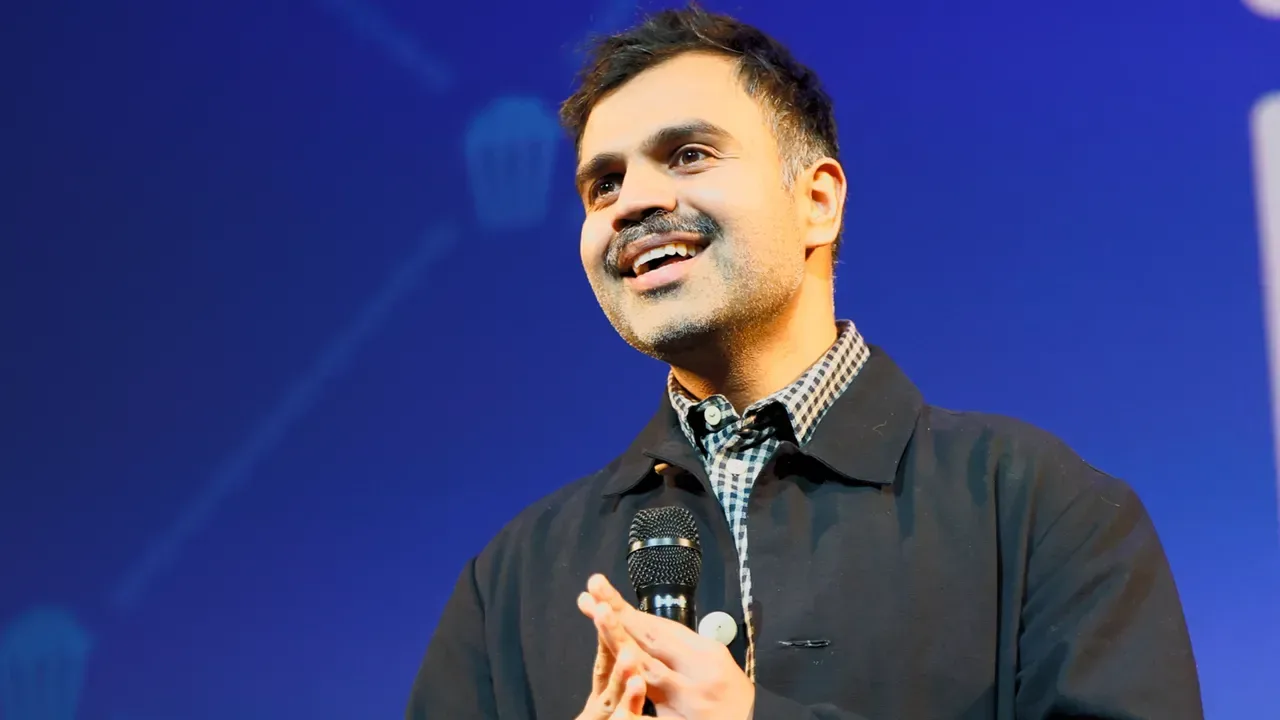
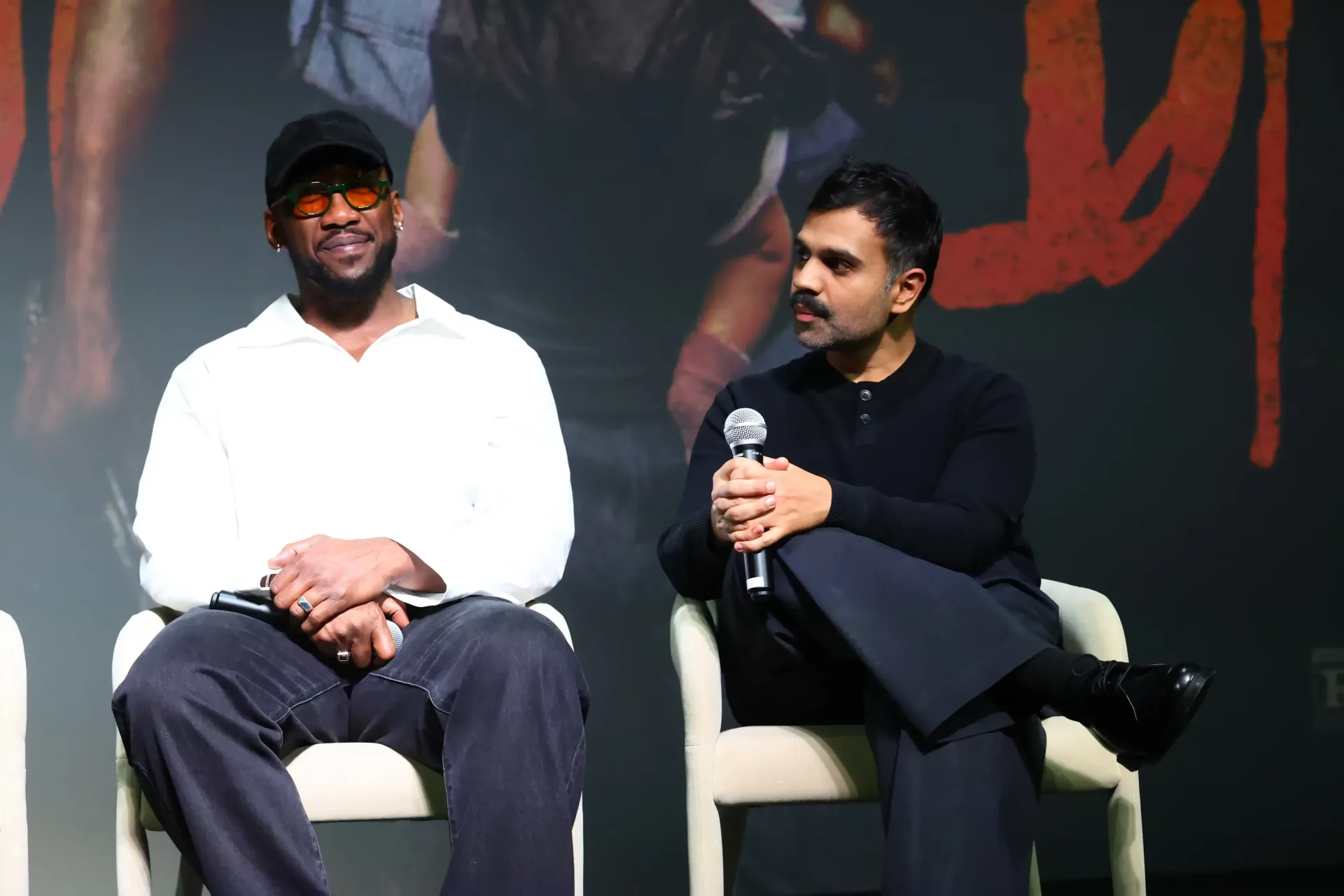
Bassam Tariq, who had been attached as the director before the project fell apart, described beginning casting and building the film without a proper script. That created a serious communication problem. A director may have to explain a prospective character and story to actors, asking them to trust that the eventual text will support the plan. If the completed writing does not match those explanations, that trust and the director’s credibility can suffer.
A script, in this context, is not merely dialogue waiting to be polished. It is the blueprint for character, story, tone, scenes and the work performers are being asked to join. Tariq’s comments illustrate why proceeding without one can be precarious: casting asks people to commit to details that are still unsettled.
Tariq also described the difficulty of serving as the bearer of bad news while not being the person who makes the ultimate decisions. He characterized that structure as unhealthy for his work as a filmmaker and said the experience reinforced his need for full control over the script. His account does not resolve every reason the film did not happen; Ali has said he still does not know why it failed. But it does establish that the project’s problems went beyond the simple presence or absence of star power.
Marvel Studios president Kevin Feige previously called the failure the biggest of his career. Ali later said he agreed with that assessment. The frankness is notable, especially because the disappointment was attached to an established superhero name and an actor with two Oscars. Those facts did not provide a reliable shield against development difficulties.
What Ali’s comments mean for audiences
It is tempting to treat casting news as a promise. A beloved actor attached to a recognizable property creates an immediate mental image of the finished film. But attachment is an early step, not an ending. A project may still need a working script, alignment among the people steering it and a greenlight that turns plans into production.
Ali’s experience also offers a cleaner way to read career gaps. The absence of frequent, ideal roles on an actor’s résumé is not evidence that the actor lacks ability or ambition. It can reflect the limited supply of projects that make sense for that person. As Ali put it, actors can be searching alongside everyone else when nobody is writing or approving material with them in mind.
Most recently, Ali starred in Bassam Tariq’s Your Mother Your Mother Your Mother, released theatrically on September 25. Its existence is a useful counterpoint to the stalled Marvel project: an actor’s path is not reducible to one franchise, even when that franchise becomes a vivid symbol of what did not happen.
The larger message is restrained but forceful. Awards matter as recognition of work. They may influence how an actor is perceived. But they cannot replace the hard, ongoing work of creating strong parts and bringing films through development. For Mahershala Ali, even two Oscars do not change the basic requirement: the next role has to be written, supported and made.