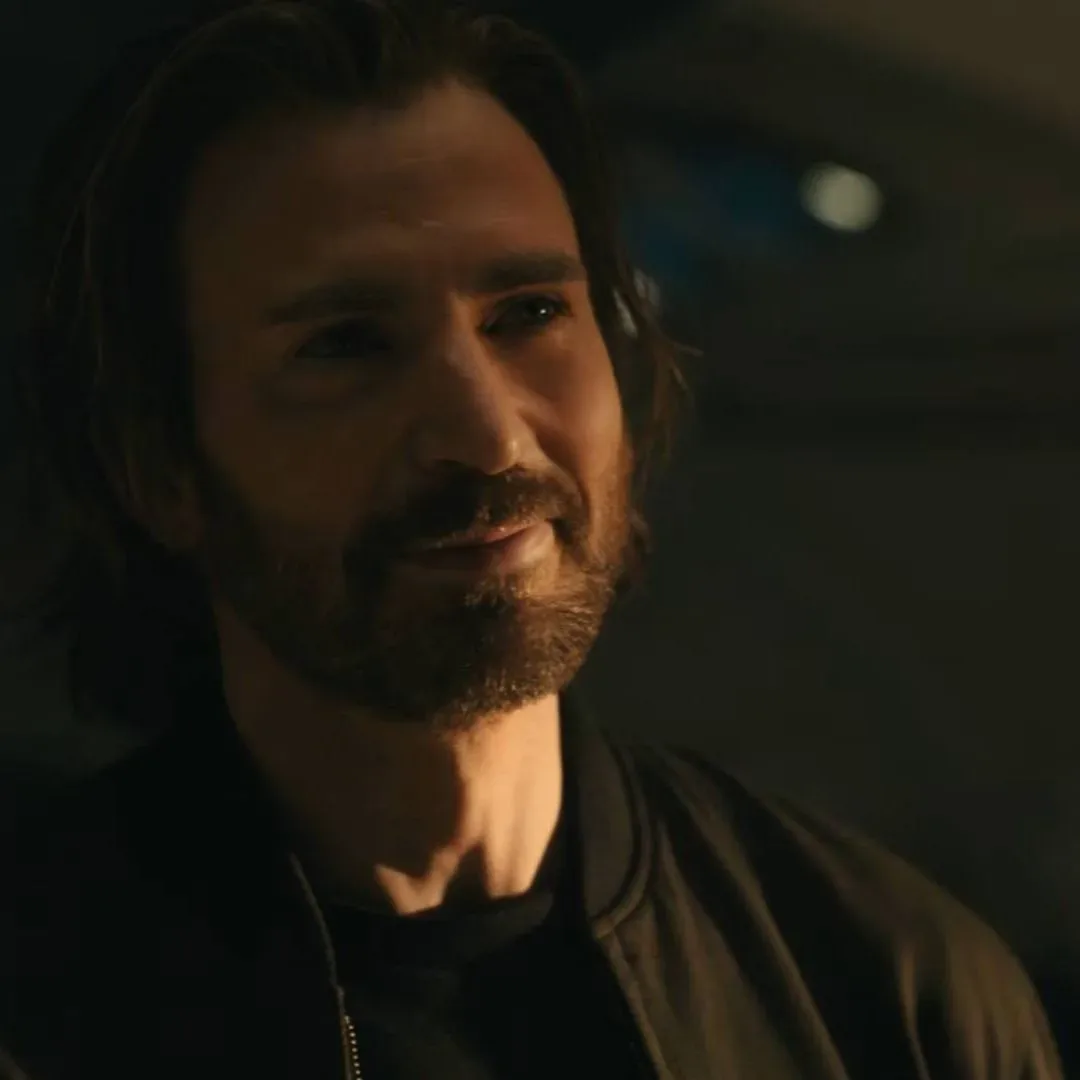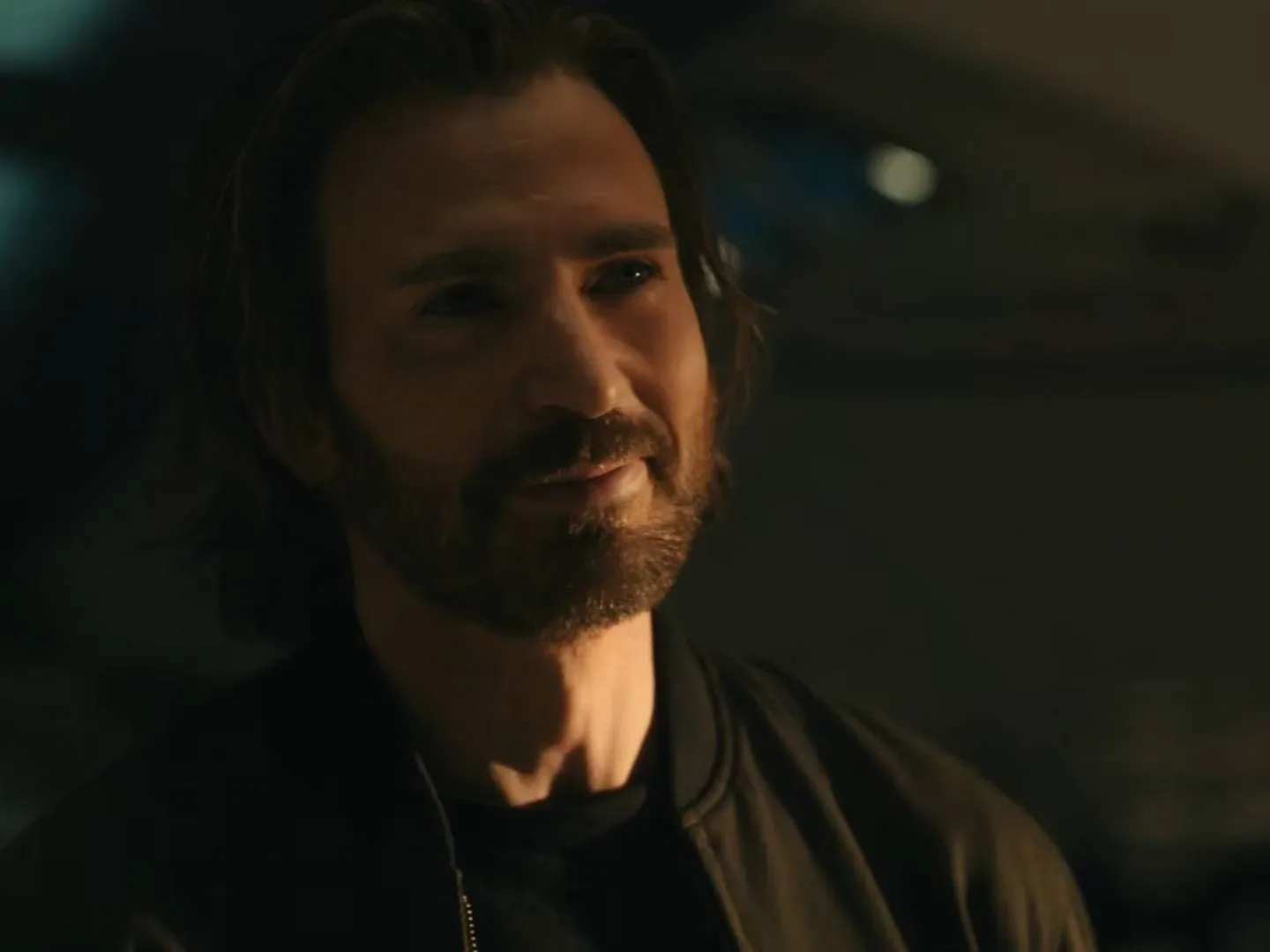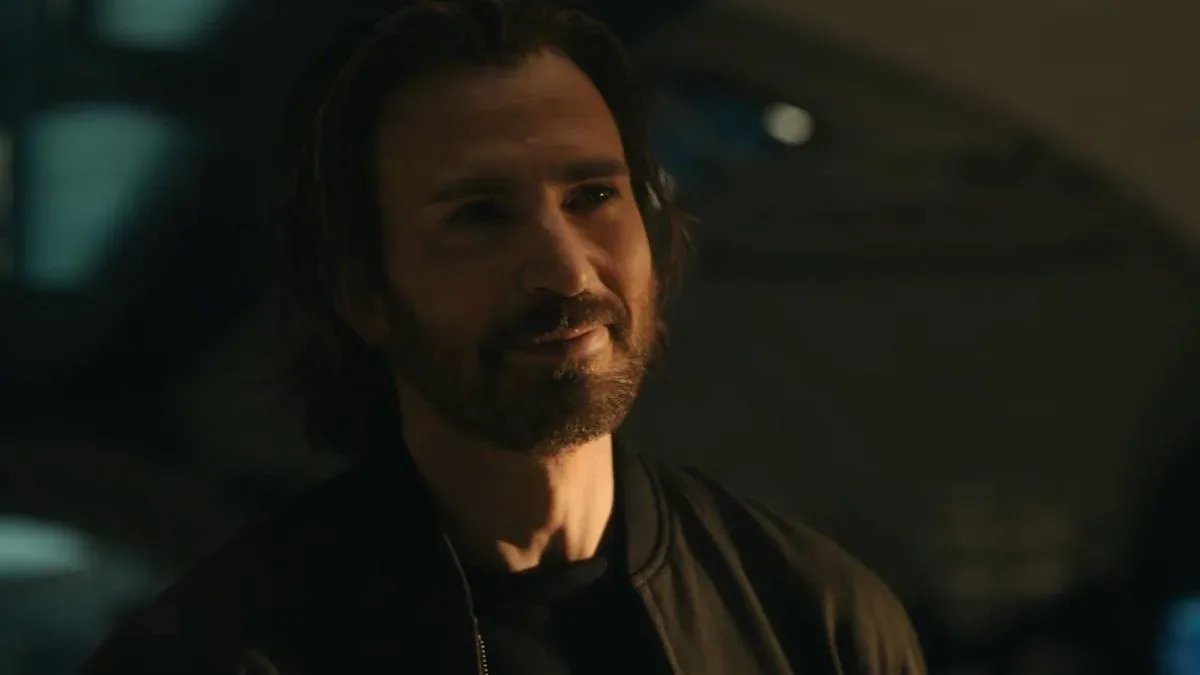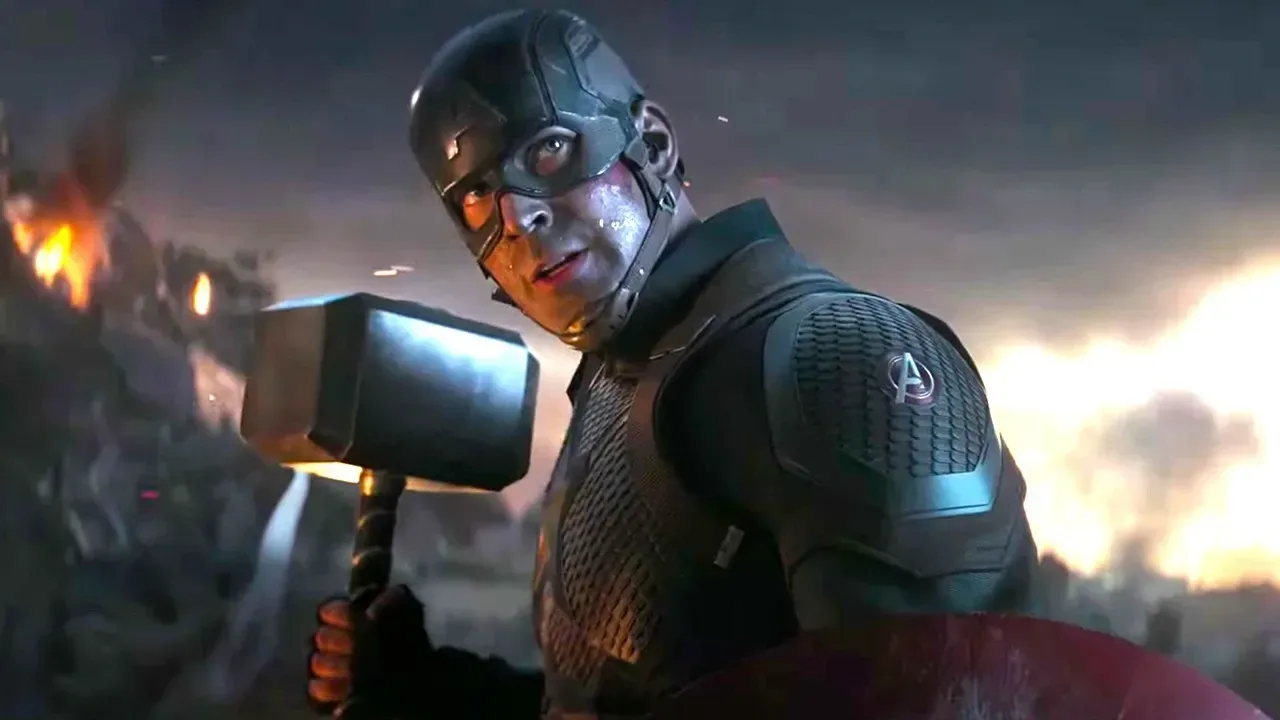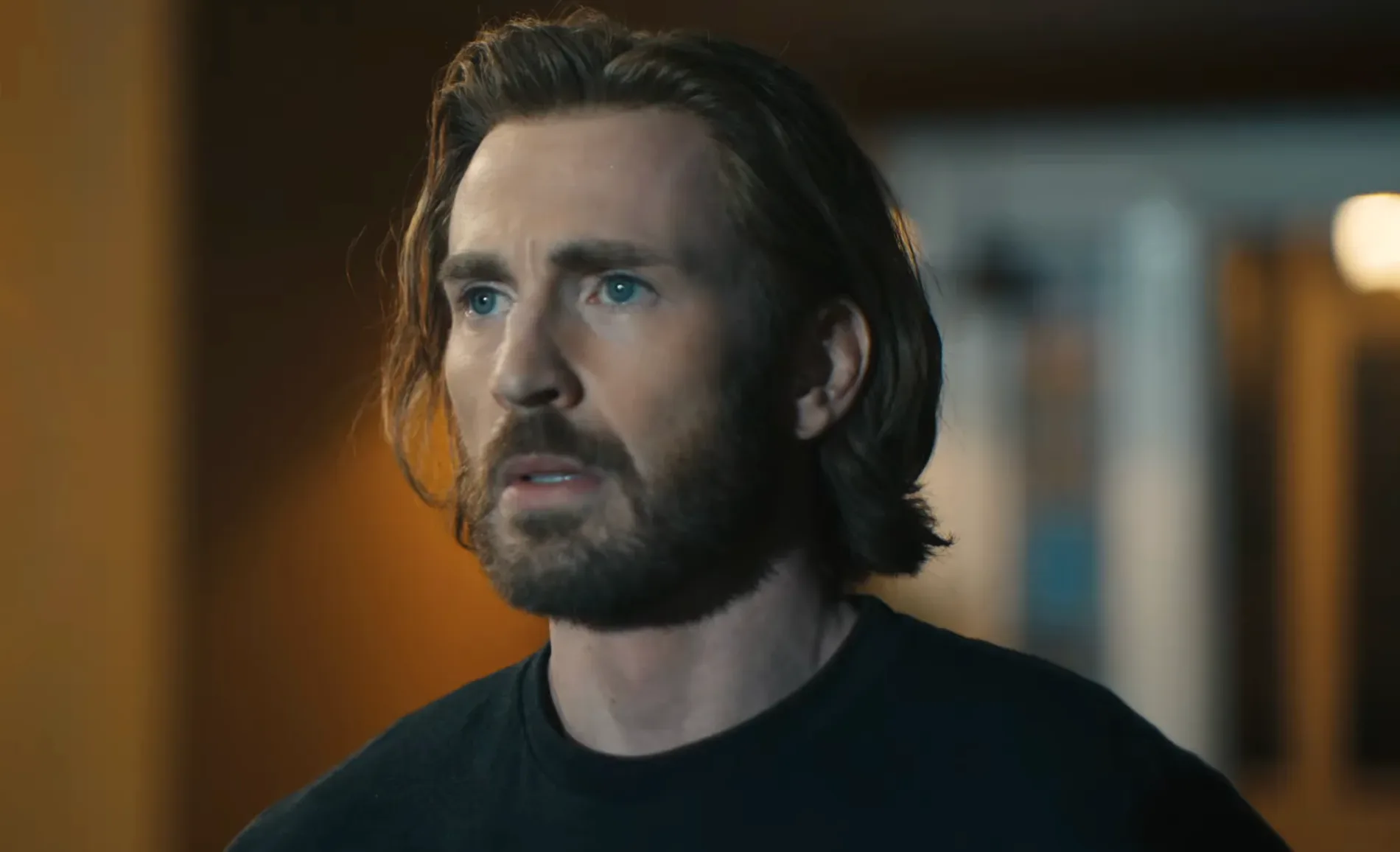
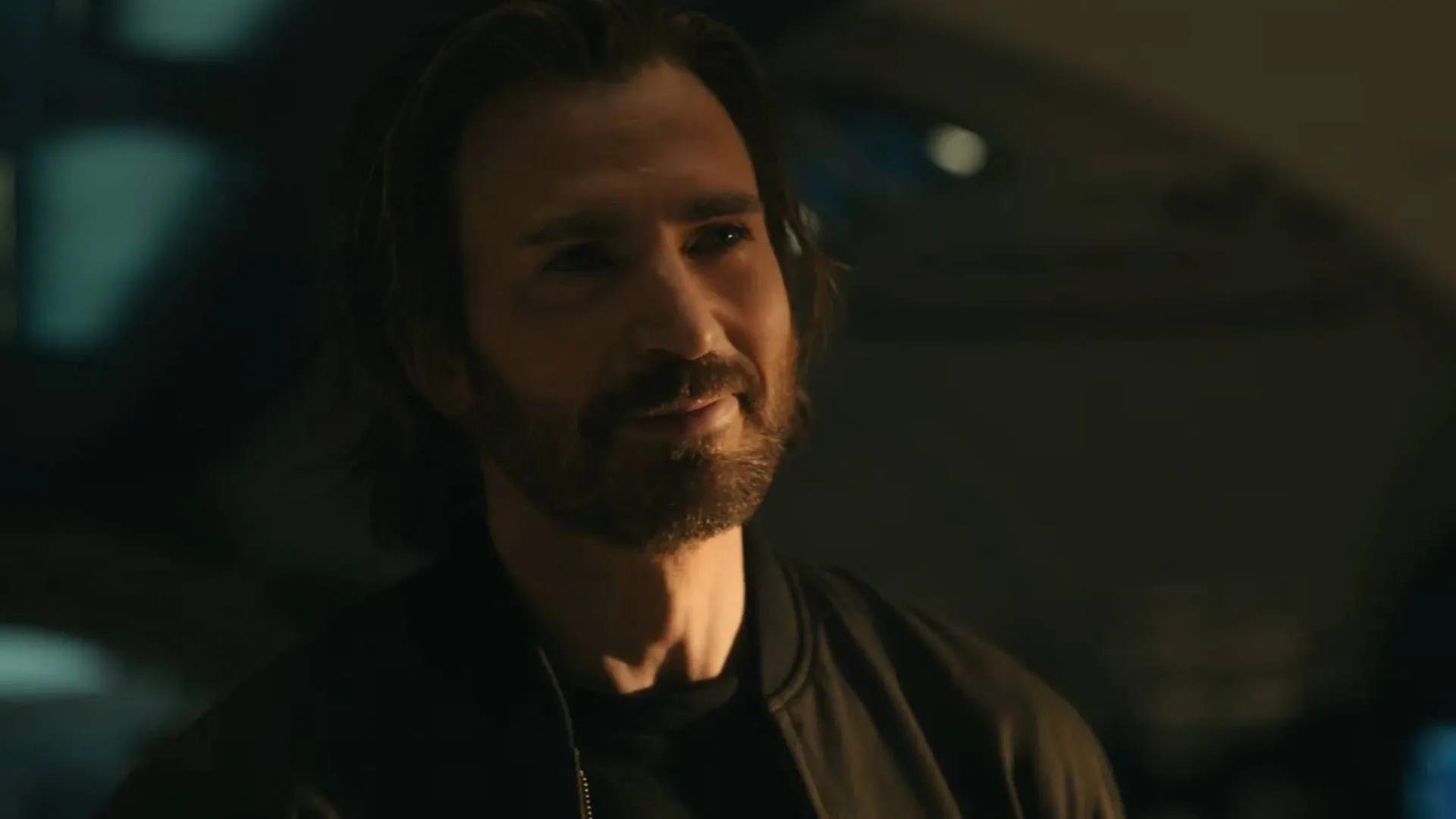
Avengers: Doomsday has reopened one of the Marvel Cinematic Universe’s most persistent questions: what exactly happened to Steve Rogers after he chose to return to the past and live with Peggy Carter?
The film’s final trailer frames that choice as the event that sets its story in motion. That is a big clarification in itself, since Steve’s ending in Avengers: Endgame was designed as a quiet farewell: he returns the Infinity Stones, remains in the past, then appears as an elderly man in the present to give Sam Wilson his shield.
But the new setup makes that last scene harder to read in a simple, one-line way. If the Steve seen in Doomsday is called back into a fight against Doctor Doom, then the older Steve who met Sam creates an immediate continuity puzzle. Was he a man who had already experienced the events of Doomsday and chose not to reveal them? Or is he a different version of Steve, produced by a branching timeline?
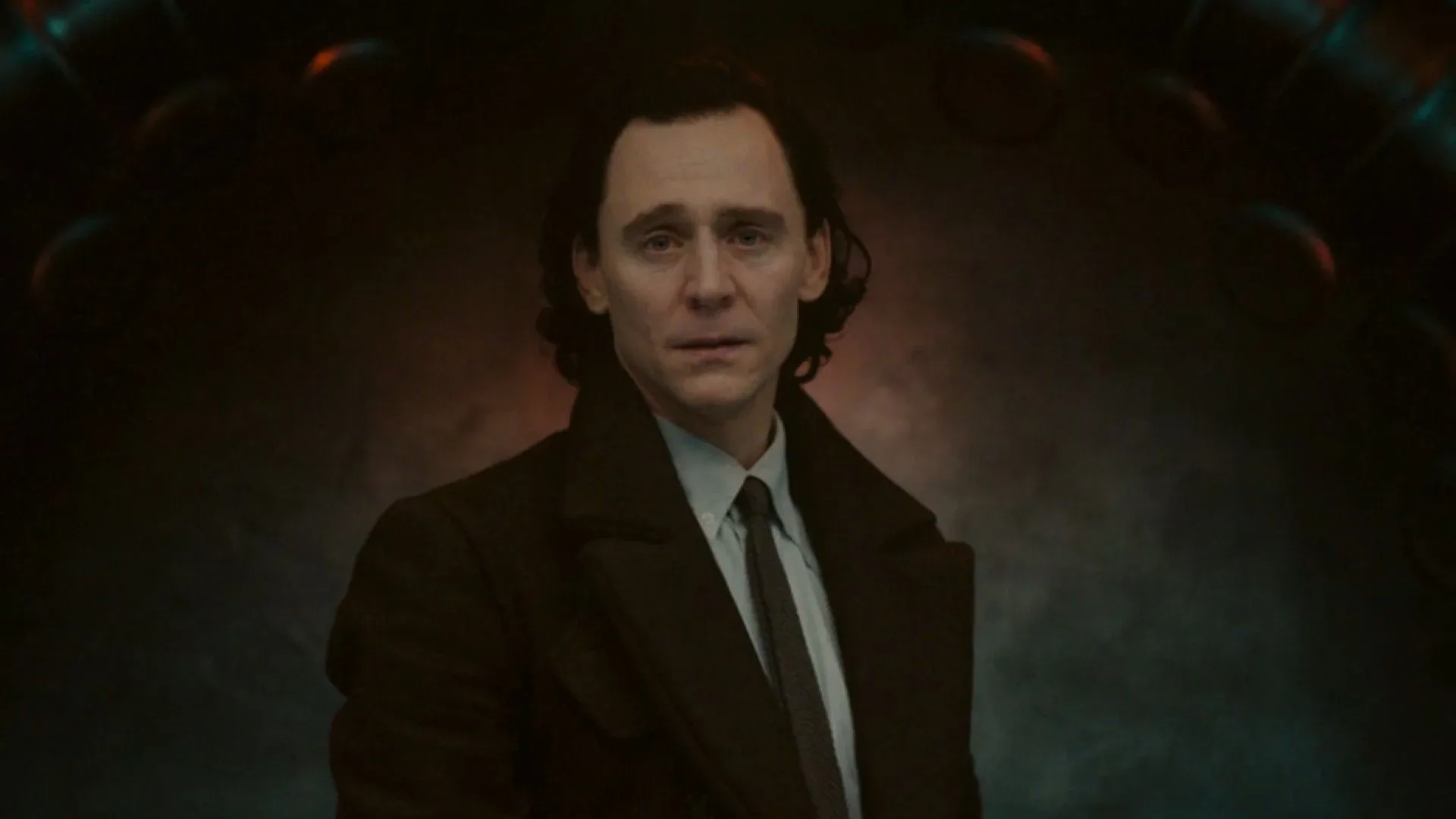
The trailer also appears to place Steve and Peggy in more than one timeline: one involving a visit from Loki, and another involving the Fantastic Four. That detail suggests the movie is not merely revisiting Steve’s retirement. It may be using it as a focal point for a multiversal story.
For more context, explore GTA 6 ATM Robbery Guide: Winches, Dye Packs, Heat, and Hot Cash.
The Old Steve question, explained
At the end of Endgame, Sam encounters an elderly Steve Rogers after Steve’s trip to return the Infinity Stones. Steve passes on the shield, a gesture that both confirms Sam as his successor and gives Steve’s own story an apparently peaceful stopping point.
The question now is chronological rather than emotional. If Steve lived with Peggy through the decades, and if he later became involved in the events of Doomsday, should the older version who hands over the shield already know that crisis is coming—or have lived through it entirely?
There are two broad readings, and the trailer material does not yet settle between them.
Related coverage includes Avengers: Doomsday Trailer Reopens a Major Question About Old Steve Rogers.
Reading one: Old Steve and Doomsday Steve are the same person
Under this interpretation, Steve’s life forms one extended personal history. He goes to the past, lives with Peggy, becomes old, and at some stage gets drawn into the conflict with Doom. The Steve who later gives Sam the shield could therefore be carrying knowledge of those events.
That would make Old Steve’s silence meaningful. It would not automatically mean he can change nothing, but it would invite the audience to ask why he says so little. One possible dramatic benefit is retrospect: after seeing Doomsday, viewers could return to the closing scene of Endgame and see a more complicated life behind Steve’s calm expression.
It would also give the handoff to Sam an added layer. Steve may not simply be retiring; he may know that Sam will have to lead in a world shaped by dangers Steve cannot—or will not—solve himself.
Still, this is only an interpretation. The available footage establishes that Steve’s decision is important to Doomsday; it does not establish that Old Steve has prior knowledge of every event in the new film.
Reading two: the older Steve is a branch counterpart
The other approach follows the branching-timeline logic discussed around Endgame. In that model, changing or arriving in the past does not overwrite a single established history. It creates, or places a traveler in, another timeline. A branch timeline is a divergent reality whose events proceed separately after the split.
Applied here, Steve’s return to Peggy could have led to more than one relevant outcome. The elderly Steve who meets Sam may belong to one path, while the Steve brought into the Doomsday plot belongs to another. They would share a common earlier history, but their lives would diverge after a particular point.
This reading makes Old Steve’s lack of warnings much easier to explain. He did not remain silent about Doom because he knew the future; he simply did not experience the version of events shown in Doomsday. The Steve at the center of the new story would be a counterpart rather than the exact older man from the bench scene.
Marvel uses the word variant for versions of a person who exist across different timelines or realities. Calling two Steves variants does not mean they are strangers in every respect. It means they can have the same starting point and still become distinct people through different experiences.
Why Loki and the Fantastic Four matter
The trailer apparently complicates matters beyond the single question of whether Old Steve is “the same” Steve. Steve and Peggy seem to be shown in two separate timeline contexts: Loki visits them in one, while the Fantastic Four arrive to speak with them in another.
That matters because it implies the plot could be comparing multiple outcomes of one personal choice. Rather than treating Steve’s decision to stay in the past as a fixed epilogue, Doomsday may treat it as a junction where multiple realities can be reached, altered, or threatened.
The Fantastic Four’s presence also signals that the story is operating on a wider scale than a private reunion. If their arrival is connected to Steve and Peggy’s timeline, their visit could be tied to the broader emergency surrounding Doom. Yet the trailer information alone does not explain why they reach that particular timeline, whether they recognize Steve, or what they ask of him.
Loki’s apparent visit is equally important, but for a different reason. Loki is already deeply associated with Marvel’s timeline and multiverse storytelling. A scene involving him and Steve could clarify the rules governing branches, variants, or intervention in the past. It could also make the rules messier. Trailer editing often places shots next to one another without confirming their full relationship, so viewers should be careful about treating two glimpsed encounters as proof of a single sequence.
What the debate gets right—and what remains unknown
The fan discussion is not really about whether audiences can remember the ending of Endgame. It is about which rule should take priority when a familiar ending is pulled into a new multiverse plot.
- The single-life theory prioritizes emotional continuity. It sees the older Steve as a person who may have endured far more than the original scene revealed.
- The branch theory prioritizes timeline mechanics. It treats different outcomes as separate paths, reducing the need for Old Steve to have hidden knowledge.
- The multiple-visit theory focuses on the trailer’s suggestion that Loki and the Fantastic Four reach Steve and Peggy under different circumstances, perhaps in separate realities.
All three ideas begin with an actual ambiguity: the current material ties Steve’s past decision to the new movie without spelling out the precise relationship between the various versions of him.
What should not be assumed, however, is that a future event is necessarily “fixed.” A character being quiet in an earlier film does not by itself prove that they knew later events were inevitable. Likewise, the appearance of a familiar character does not automatically prove the character is a variant. The film still has to identify the timeline, establish what changed, and show why that particular Steve is involved.
Doctor Doom puts the mystery under pressure
The reason this continuity question has gained traction now is simple: Avengers: Doomsday is not positioning Steve’s past as an isolated character detour. The film pits Earth’s Mightiest Heroes against Doctor Doom, played by Robert Downey Jr., and the trailer ties that looming confrontation to Steve’s choice to live with Peggy.
That makes the answer consequential. If the film uses the original older Steve, it could transform one of the MCU’s most sentimental scenes into a scene with concealed stakes. If it uses a branch version, it can bring Steve into the action without rewriting the meaning of the shield handoff to Sam. If it leans fully into multiple timelines, it could attempt both: preserve the emotional closure of one Steve while following another whose life took a more dangerous turn.
There is also an important character-level distinction. Steve leaving the shield with Sam remains a statement of trust regardless of which timeline mechanism the film chooses. The uncertainty is not over whether Sam received the shield; it is over what Steve’s unseen years contained, and whether the man who delivered it shares the new film’s history.
When the answer arrives
Avengers: Doomsday is due to arrive on December 18. Until then, the trailer offers a deliberately provocative framework rather than a full map of the timelines.
For viewers trying to keep the possibilities straight, the useful question is not simply, “Did Old Steve already see this?” It is: which Steve is each scene following, and when did that version’s timeline diverge? The answer will determine whether Doomsday is revisiting Steve Rogers’ ending, extending it, or showing an alternate life that began with the same decision.