Warning: This article discusses the ending of Avatar: Seven Havens Book One, including the final episode, “The Root Chakra.”
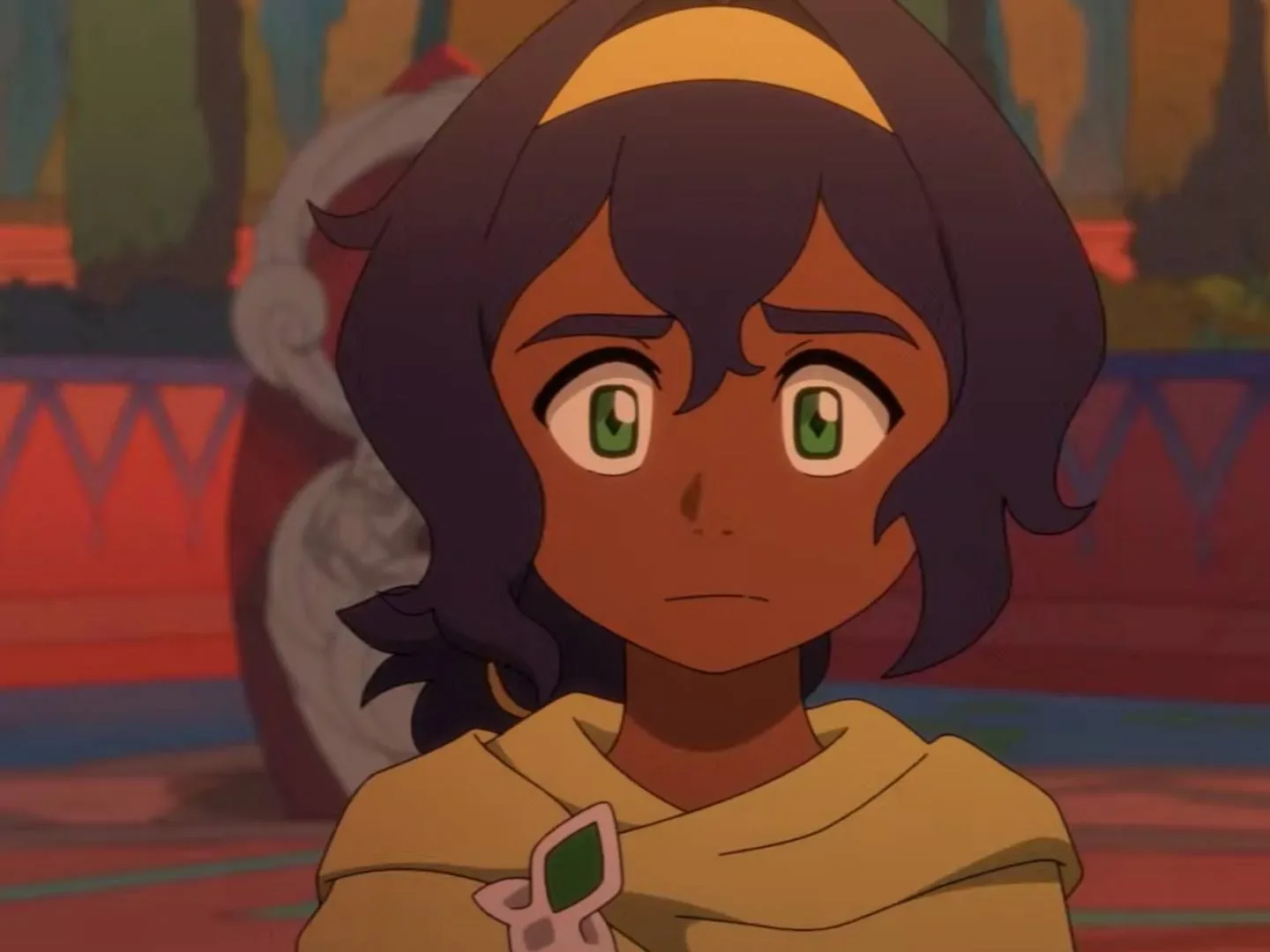
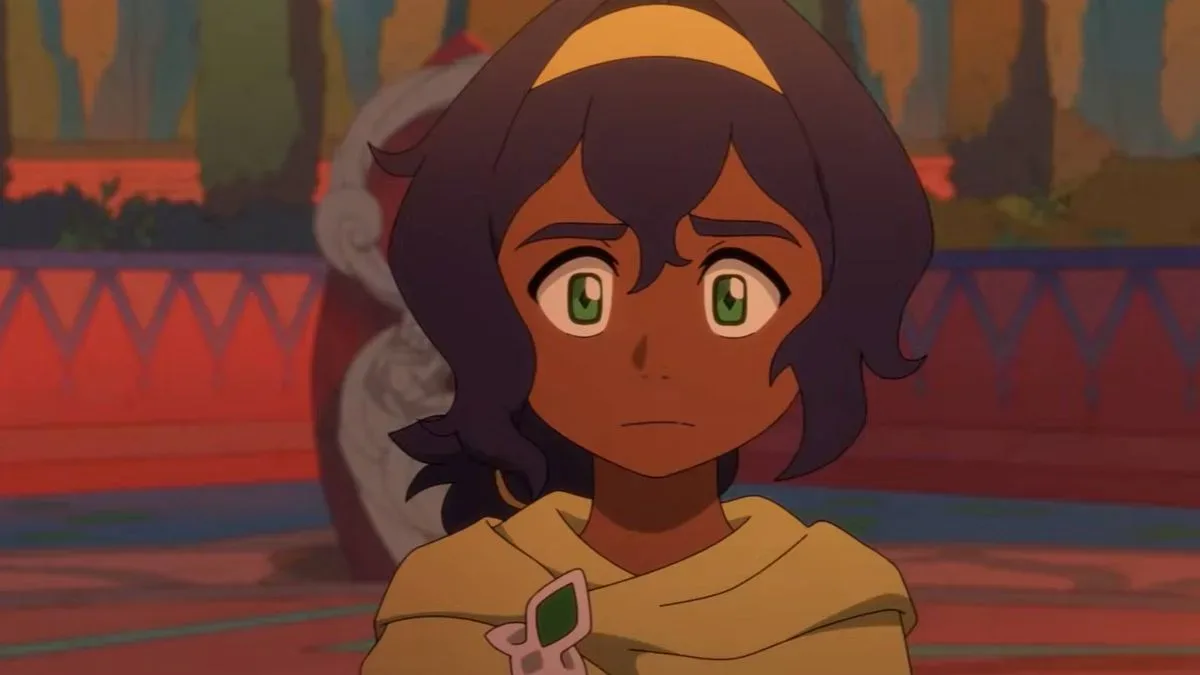
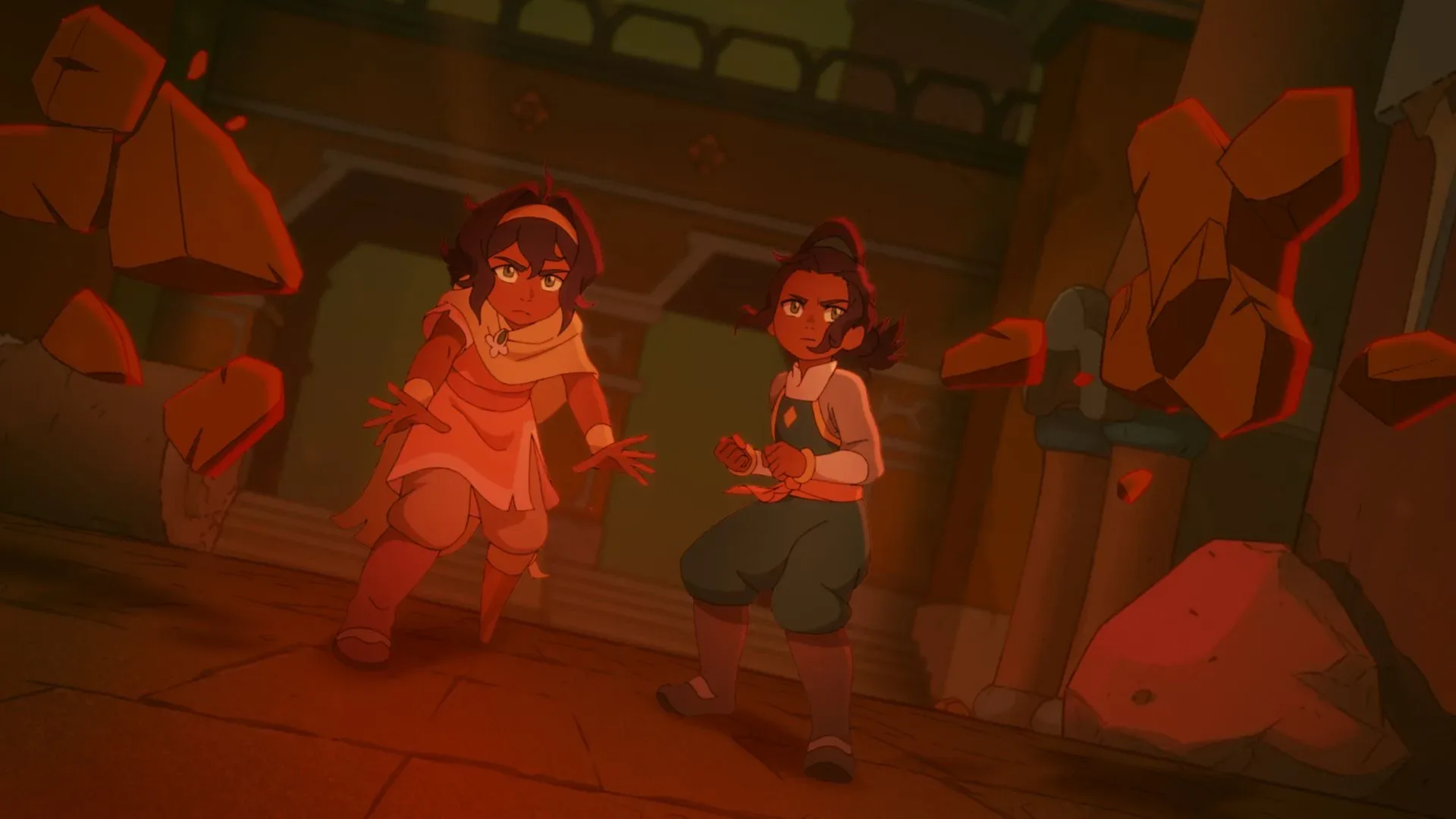
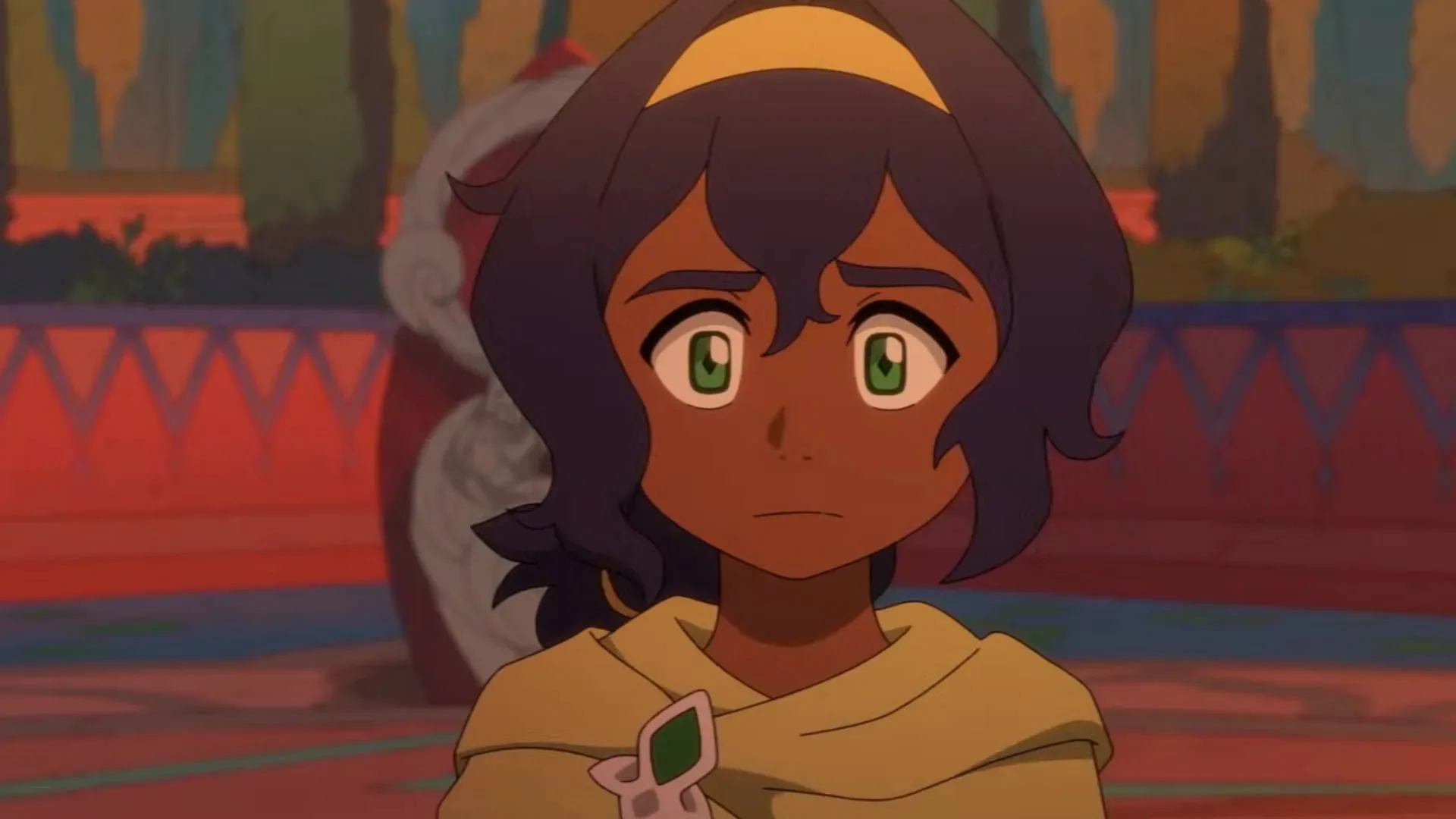
Avatar: Seven Havens built Book One around an unusual premise: two twins connected to the Avatar role. For much of the story, Nisha appears to occupy the clearer Avatar-in-training position, while Pavi is more hesitant and often pushed into the background. The finale deliberately reverses that expectation. When Ellora is threatened by an anomaly’s destructive spirit-energy dome, it is Pavi who takes the decisive step, saves the city, and accepts an identity she has feared.
The moment does more than give the quieter twin a crowd-pleasing victory. It supplies the emotional answer to Book One’s central question: which character has truly undergone the season’s defining transformation? Co-creator Michael Dante DiMartino characterizes the first book as Pavi’s journey, tracing her movement from hiding in Ellora’s streets to openly embracing that she is the Avatar.
That framing makes the finale less of a sudden promotion for an underdog and more of a payoff to a fear that has been visible all along. Pavi does not merely demonstrate more power; she confronts the reason she has been unable to fully claim that power.
Pavi’s breakthrough is about fear, not simply force
In “The Root Chakra,” Pavi expels the anomaly and frees Ellora from its spirit-energy dome. The action is tied directly to her unblocking of the root chakra, a development that gives the climax a distinctly internal dimension. The obstacle is not presented solely as an enemy outside Pavi. It is also the fear and hesitation she has been carrying about becoming the Avatar.
That distinction matters because a chakra is not just another name for an ability or a power-up. Within the story’s spiritual vocabulary, it represents a blockage or opening connected to a character’s emotional and spiritual state. Pavi’s root-chakra breakthrough therefore makes her act of rescue inseparable from her acceptance of herself. She saves Ellora because she has stopped retreating from the responsibility she associates with being the Avatar.
Saheli Khan, who voices Pavi, described the sequence as an especially powerful revelation in the script and on screen. Khan also said she expected Pavi’s fear to become the key to her eventual growth, connecting the root-chakra material to the chakra teachings Guru Pathik shared with Aang in Avatar: The Last Airbender.
The comparison is useful as context, but Pavi’s circumstances remain her own. The earlier chakra storyline established a recognizable framework in which fear can prevent spiritual progress. In Seven Havens, that framework helps articulate why Pavi has held herself back while Nisha has seemed better placed to lead. Pavi’s culminating choice is not an arbitrary twist that overrides what came before; it is the moment her longstanding reluctance is finally tested and overcome.
Related coverage includes Avatar: Seven Havens Finale Puts Pavi at the Center of Book One's Biggest Breakthrough.
Why the finale changes the way Book One reads
There is a difference between being prominent in a plot and being the character whose inner movement gives a season its shape. Nisha still has a substantial Book One story, and the premise of twin Avatars ensures that her role cannot be reduced to a detour. Yet DiMartino’s explanation places Pavi’s internal arc at the heart of the first book.
Viewed through that lens, Pavi’s earlier reserve is narrative setup rather than absence. Her reluctance to occupy the Avatar-in-training role creates the emotional distance the finale needs to cross. If Pavi had approached the Avatar identity with certainty from the outset, the root-chakra resolution would have been a demonstration of skill. Because she has been hiding and afraid, it becomes an act of self-definition.
It also explains the apparent mismatch between where the twins stand for much of the season and who takes the crucial action at the end. Nisha may have looked like the obvious candidate to resolve the crisis. Book One instead asks viewers to reconsider what makes a protagonist ready. The answer is not simply confidence, visibility, or having already accepted a title. Pavi’s readiness arrives when she can acknowledge her fear without allowing it to dictate her actions.
That is a meaningful use of the Avatar concept. The Avatar has traditionally carried enormous spiritual and civic responsibility, which makes the role a natural source of dread as well as aspiration. Pavi’s turning point keeps that burden in view. Embracing her destiny is not portrayed as discovering that the role is easy; it is choosing not to be ruled by the fear the role inspires.
The anomaly makes Pavi’s choice public
The external threat is important because it prevents Pavi’s breakthrough from remaining private or symbolic. Ellora is inside the anomaly’s destructive spirit-energy dome, so the emotional decision has immediate consequences for other people. Pavi’s acceptance of her identity produces an act that protects her city.
That gives the finale two linked resolutions. On one level, the anomaly is expelled. On another, Pavi moves beyond the self-protective instinct that has kept her from stepping forward. The spectacle and the character work are serving the same beat rather than competing for attention.
It is also a smart way to keep the story’s spiritual material grounded in stakes that are easy to understand. “Spirit energy” can sound abstract without context, but the dome’s danger to Ellora supplies a clear practical consequence. Likewise, “unblocking a chakra” could be purely metaphorical. Here, it is connected to a tangible change in Pavi’s capacity to act when the city needs her.
Nisha’s role after Pavi’s ascent remains an open question
Calling Book One Pavi’s journey does not settle the larger twin-Avatar premise. If anything, Pavi’s ascent should make the relationship between the sisters more consequential in Book Two. The finale establishes that Pavi can step into the Avatar identity when it counts, but it does not erase Nisha’s importance or resolve every implication of having two twins tied to the role.
That is why the ending has room to feel complete and still create anticipation. Pavi’s emotional blockage receives a decisive answer: she is no longer defined by hiding or by refusing to face her fear. The broader story, however, still has two central figures, and Nisha’s own substantial Book One role remains part of what the next chapter must address.
It would be premature to treat the finale as proof of a fixed hierarchy between the twins. The supported takeaway is narrower and stronger: in Book One’s defining crisis, Pavi is the character who makes the breakthrough. The season’s structure has led to her acceptance of the Avatar identity, while the full consequences for both twins are left for later.
What the Pavi reveal says about Avatar storytelling
Long-running fictional worlds can invite audiences to focus intensely on inherited rules, continuity, and who “should” occupy a particular role. Those questions can be rewarding, particularly in a setting with established spiritual ideas and famous prior Avatars such as Kyoshi, Aang, and Korra. But Pavi’s ending illustrates why character perspective matters just as much as lore mechanics.
Her victory works because the finale links the mythology to an emotional issue viewers have watched her carry: fear of being the Avatar. The plot does not ask audiences to cheer for a label being assigned to Pavi. It asks them to understand the cost of her finally claiming it.
That balance between canon-facing questions and character-led drama is relevant beyond this series. A recent discussion around a different game adaptation similarly argued that debates can become overly focused on lore at the expense of the work itself; see the perspective on why the Resident Evil conversation should not stop at lore. In Pavi’s case, the lore is meaningful precisely because it gives shape to her fear, responsibility, and release rather than replacing them.
A finale built around acceptance
The title “The Root Chakra” tells viewers where to look. The final episode’s key event is not only the removal of a dangerous dome from Ellora, although that is the immediate crisis. It is Pavi reaching the point where fear no longer blocks her from doing what she must do.
Khan’s reaction underscores the intended emotional weight of that choice, while DiMartino’s explanation provides the season-level perspective: Pavi’s move from hiding to openly saying she is the Avatar is Book One’s essential trajectory. Nisha’s story remains significant, and the twin setup leaves major territory for Book Two. Still, the first book’s culminating statement belongs to Pavi.
For a character who spent much of the season seeming to yield the Avatar-in-training space to her sister, that is a satisfying reversal. More importantly, it is a coherent one. The finale does not claim Pavi never had fear. It makes her courage meaningful by showing that she did—and that, when Ellora needed her, she acted anyway.