Major spoilers follow for Avatar: Seven Havens Book One, including episode 13, “The Root Chakra.”
Avatar: Seven Havens ends Book One by turning its largest apparent world-ending threat into something far more personal. The red spirit-energy anomaly is not confirmed as an ancient villain, a returning force of cosmic darkness, or a new lore mechanism awaiting a technical explanation. It is the materialized consequence of Nisha’s fear of abandonment, born during the traumatic moment when her parents tried to leave her behind.
That revelation also recasts the season’s conflict between twin Avatars Pavi and Nisha. Their split is not merely a question of who can better wield Avatar power. It is the fallout from a buried childhood event, two incomplete memories, and two sharply different responses to being feared. Pavi ends the season able to move forward; Nisha ends it celebrated by Ellora, but emotionally stranded and still unable to clear her root chakra.
The finale supplies meaningful answers, but carefully preserves several mysteries for later Books. The fate of Pramodh and Saumya is still not completely locked down on-screen, the twins’ missing memories are unexplained, and Korra’s connection to the cataclysm remains deliberately uncertain.
What happens in the Book One finale?
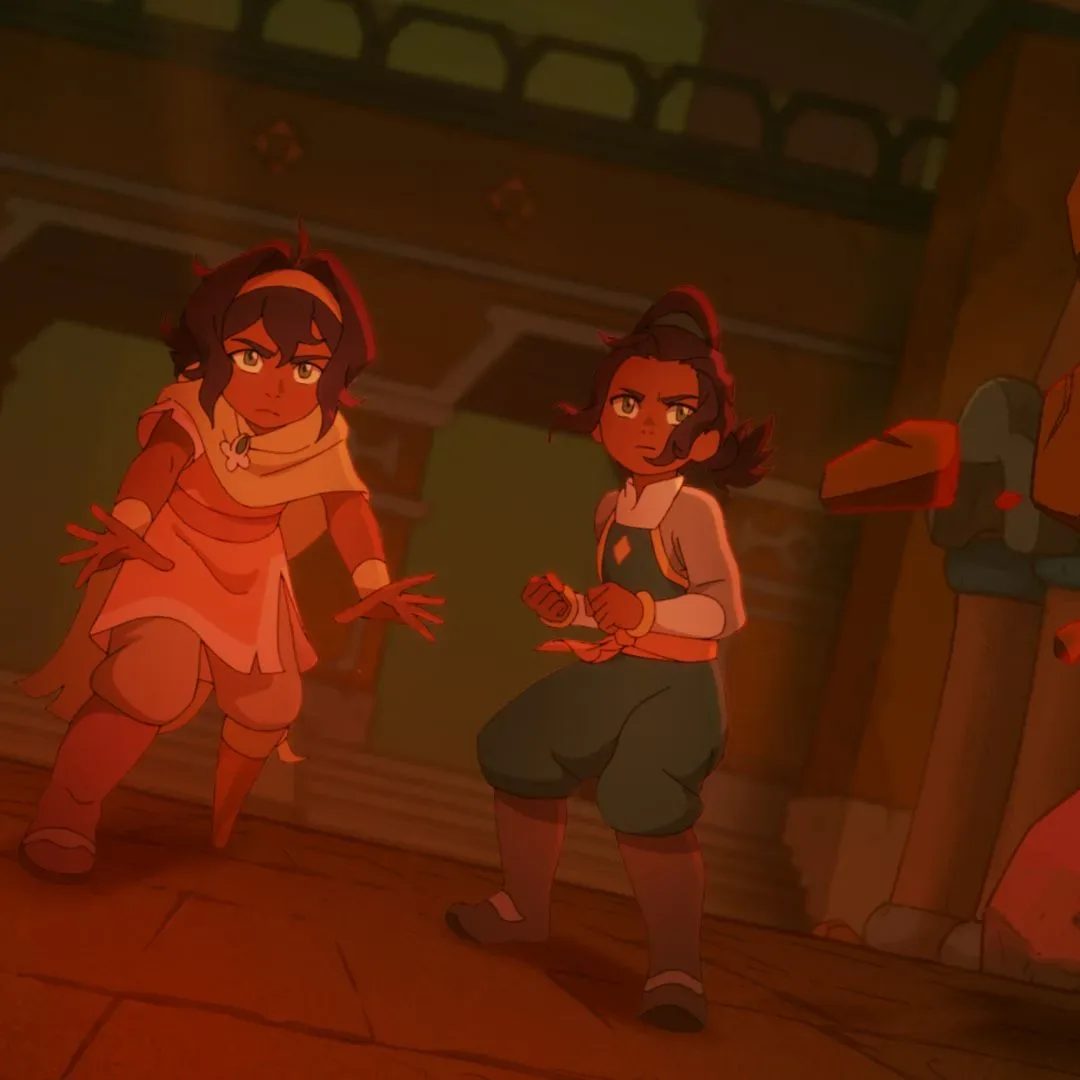
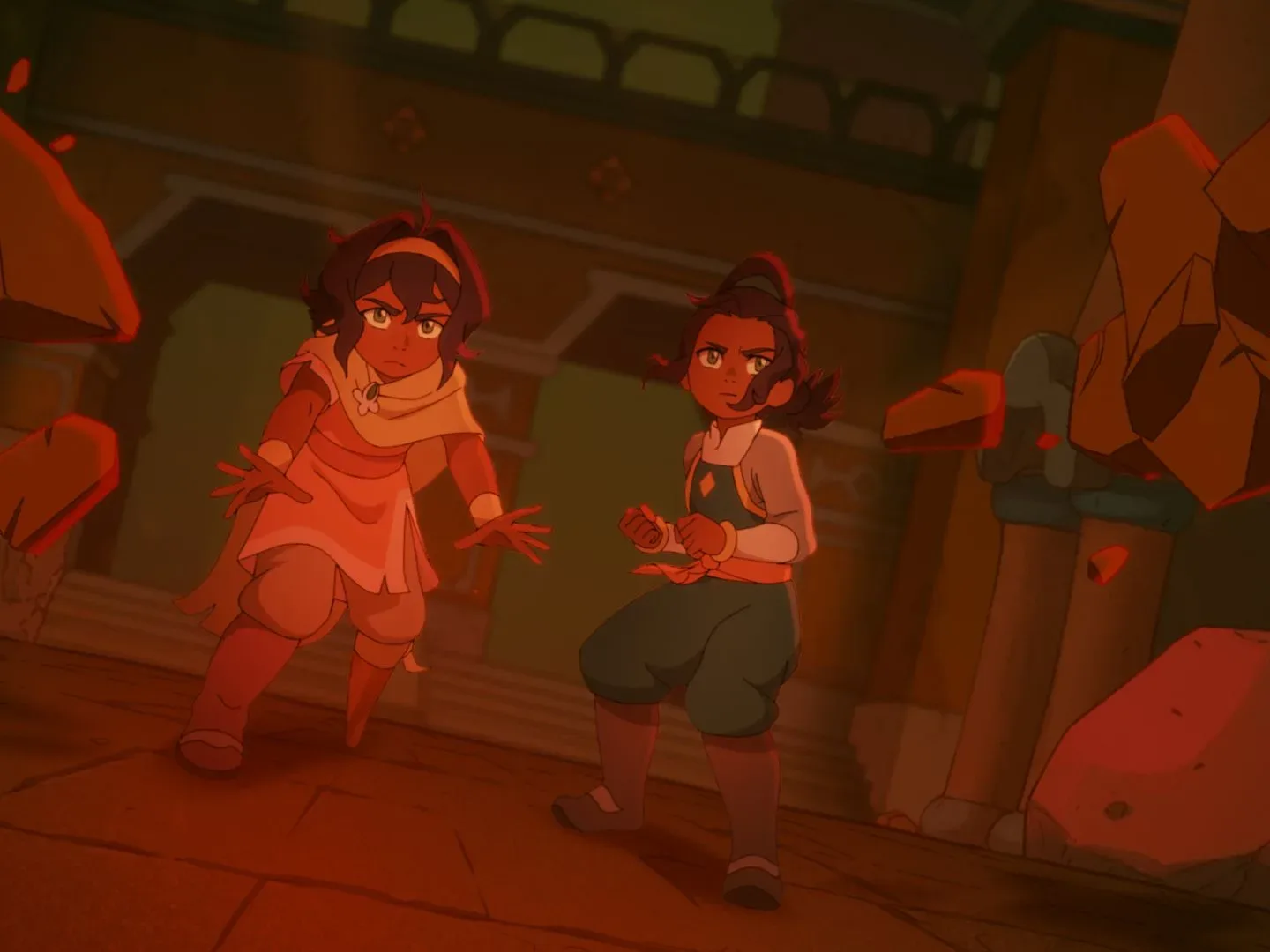
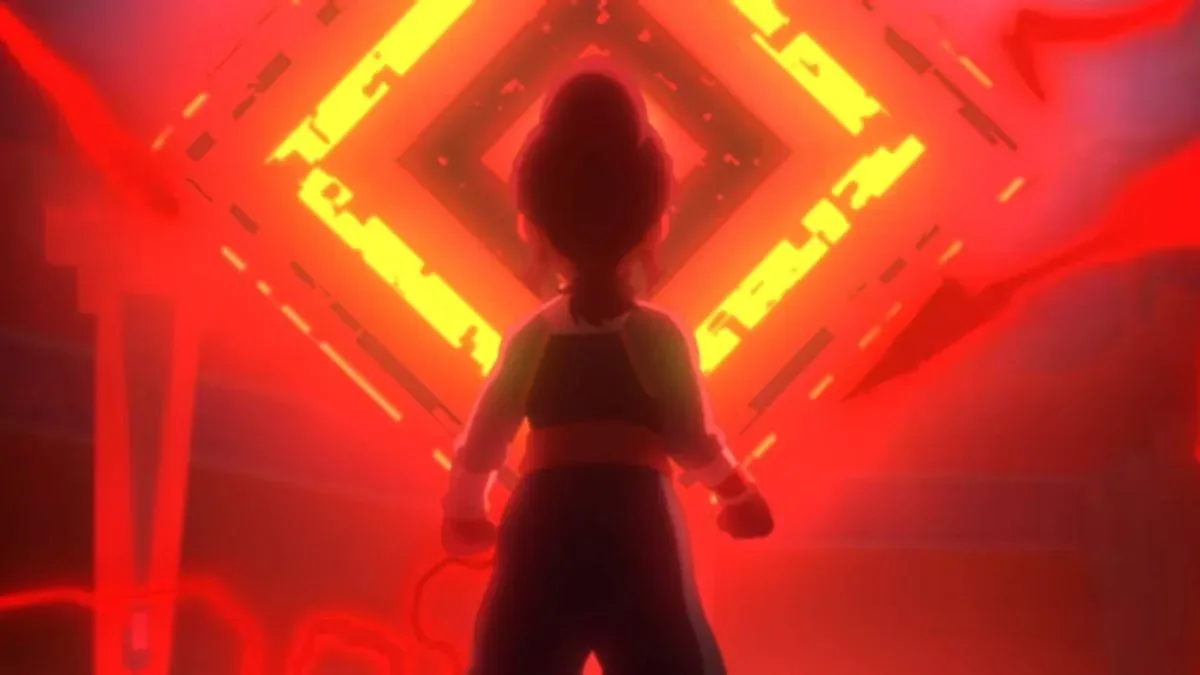
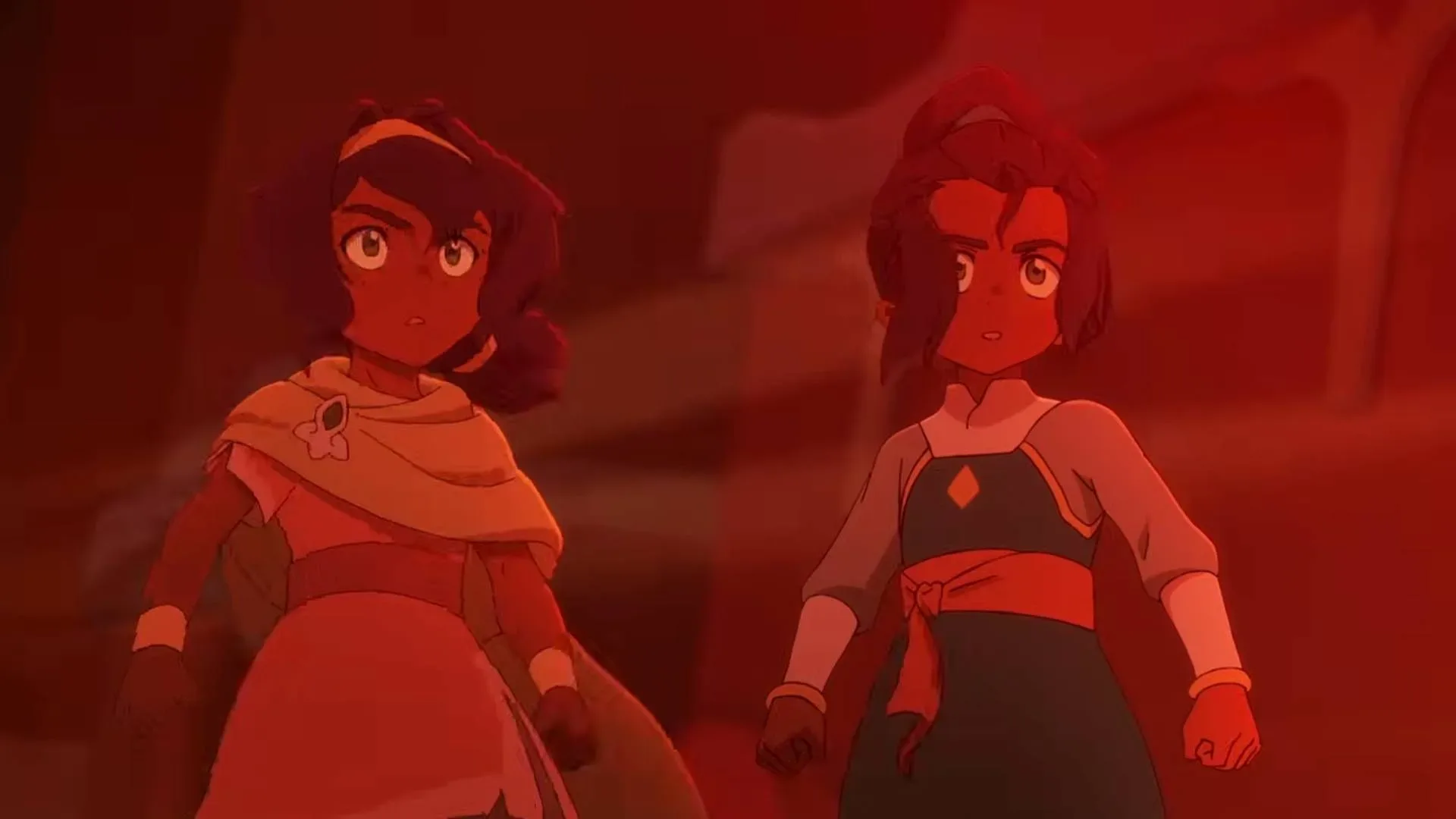
Episode 13 begins with Pavi and Nisha caught inside the enormous spirit-energy dome, the largest form taken by the anomaly. Karthik attempts to get them out, but cannot. Instead, the dome forces the twins back into their shared childhood memory and finally reveals what happened on the day their family fractured.
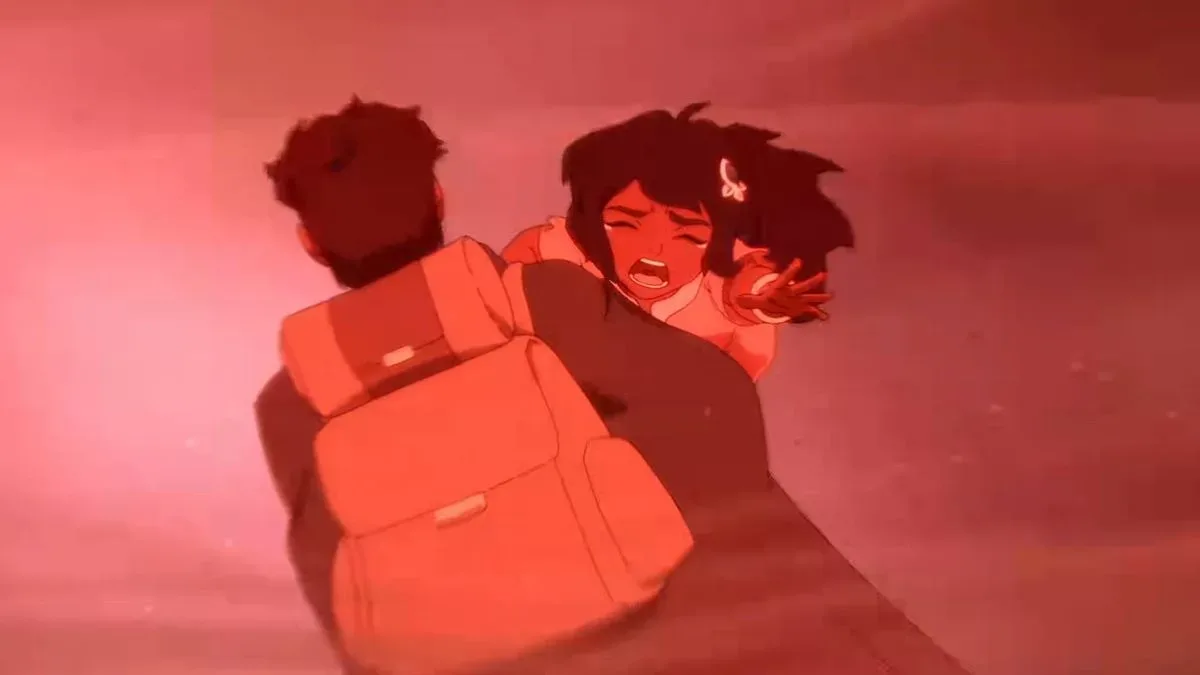
Pramodh and Saumya had intended to leave with Pavi while leaving Nisha behind. Their plan was for Karthik, whom they believed was more capable of handling Nisha’s emerging Avatar powers, to take her in and train her. The reasoning is painfully direct: Nisha’s power frightened them, and they did not believe they could safely care for her.
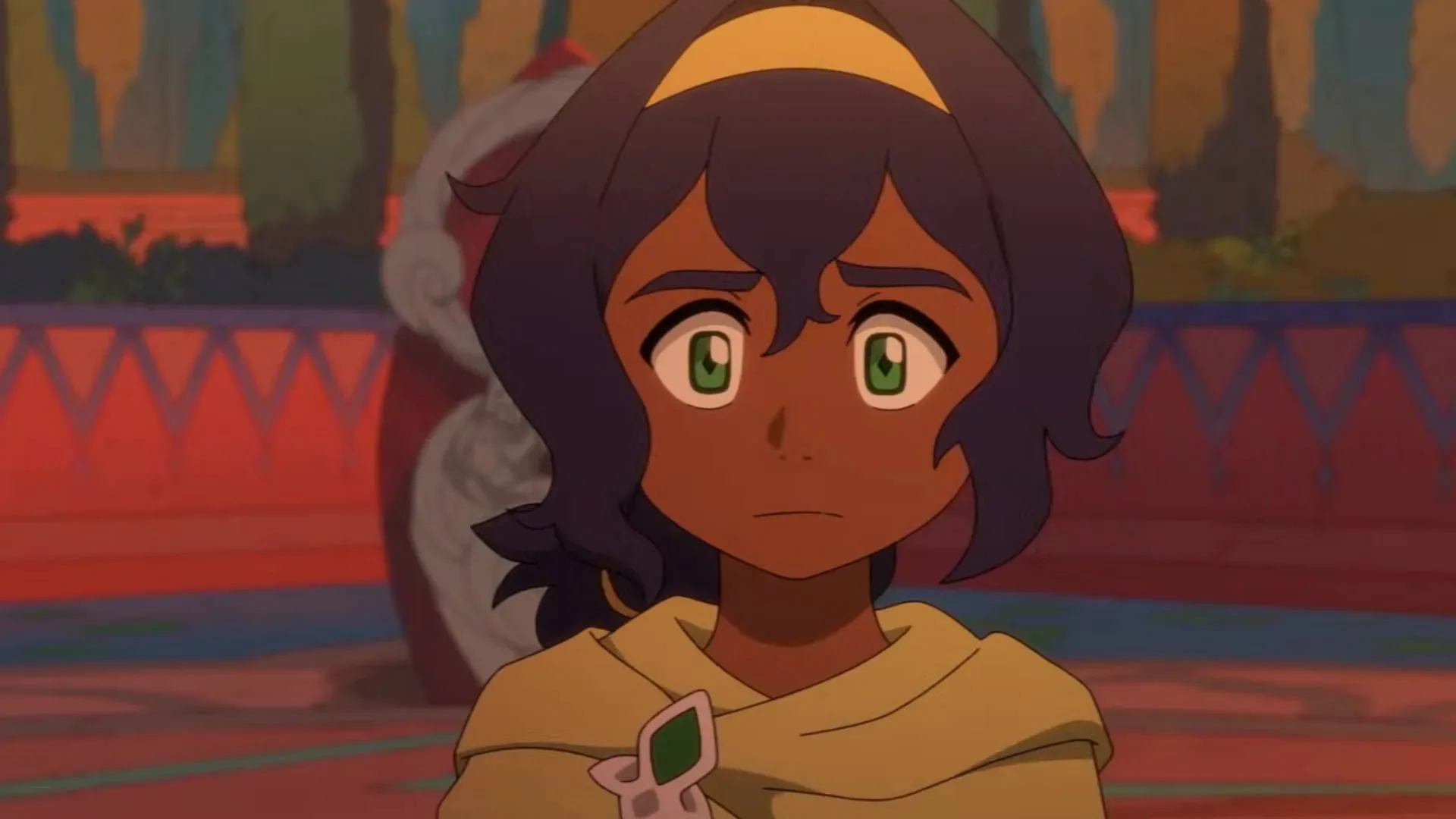
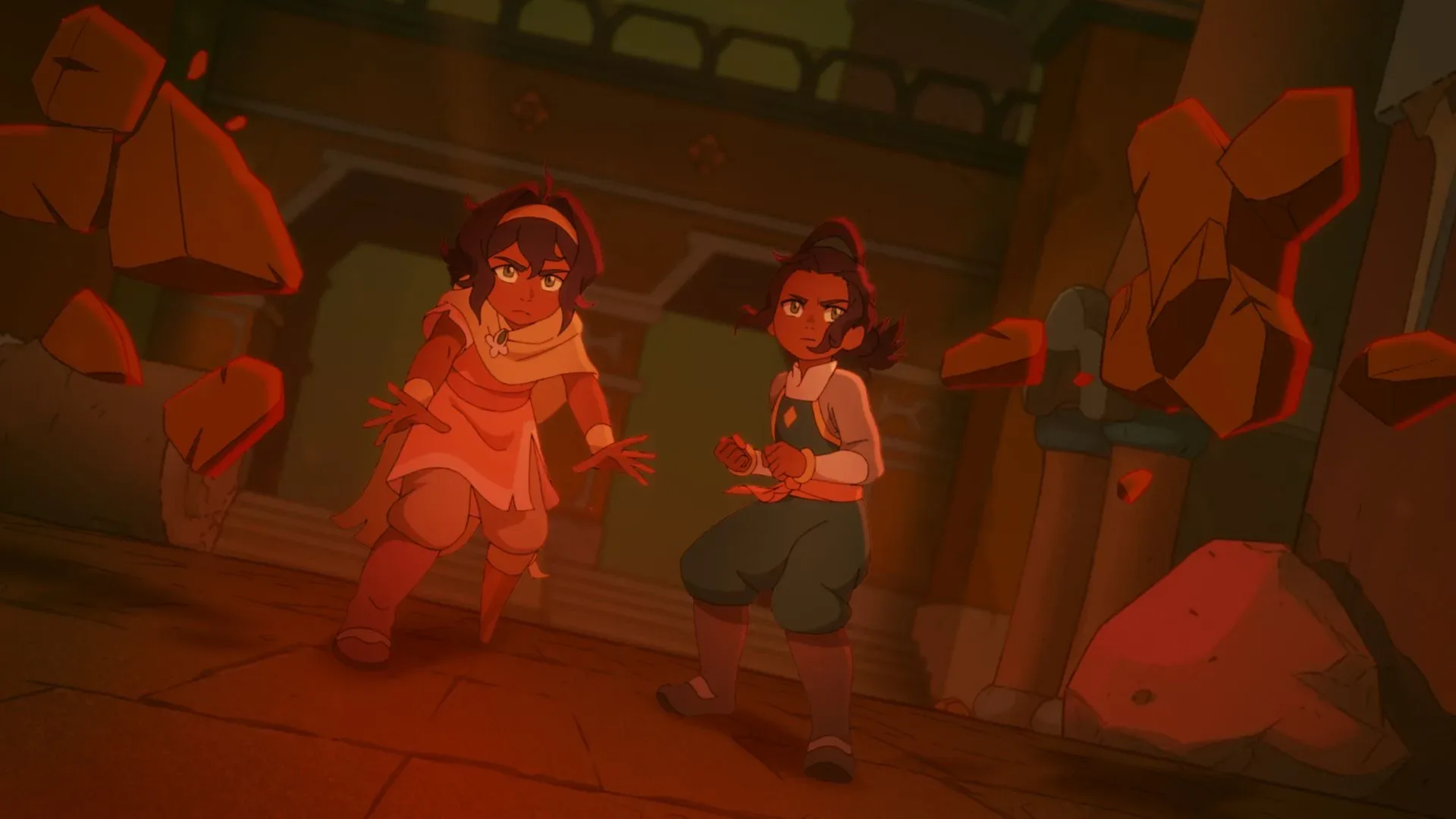
Nisha awakens and pursues her family through the Harshlands. When she confronts them, they persist in their decision to go without her, despite Pavi’s objections. In that instant, Nisha pulls in spirit energy and creates the anomaly. Its destructive bolts trigger a rockfall that seemingly crushes Pramodh and Saumya. Pavi is badly injured in the chaos, losing the lower portion of her left leg before it immediately heals, and Geet pulls her to safety.
The memory confirms why the anomaly has been so closely tied to both sisters. It originated in their shared trauma. But it also establishes a key distinction: the destructive burst came from Nisha’s terror of being rejected, while Pavi’s pain comes from realizing that Nisha concealed the truth for so long.
After the twins are expelled from the dome, Nisha prepares to confront it in defense of Ellora. The decisive action instead belongs to Pavi. By releasing her fear and accepting her responsibility as the Avatar, she holds the dome back and redirects its spirit energy upward, dispersing it from the immediate threat to the city.
Are Pavi and Nisha’s parents dead?
Pramodh and Saumya are presumed dead. The recovered memory shows the rockface collapsing after the anomaly’s energy strikes it, apparently burying them. Their deaths are the most straightforward reading of the scene and the explanation Pavi and Nisha now have for their parents’ disappearance.
However, the show does not display bodies or provide a definitive present-day confirmation. That makes survival possible, even if it is not established. The creative team has indicated that the tragedy and its effect on the twins will receive further attention in Book Two, while declining to settle the question of the parents’ ultimate fate.
For now, the safer interpretation is that the story wants viewers to sit with uncertainty rather than treat the absence of bodies as proof of a twist. In practical terms, Pavi and Nisha are processing an event they believe resulted in their parents’ deaths. Whether later episodes revise that belief is still unknown.
The anomaly is Nisha’s fear, not a confirmed Vaatu return
The season’s red anomaly invited obvious speculation because of its scale, volatility and connection to spirit energy. Book One’s finale gives it a character-based answer: it is the embodiment of Nisha’s fear of abandonment and exclusion. Its repeated pull toward the sisters is therefore not random. The energy was created during the defining trauma they experienced together.
That answer matters because it places the emotional story ahead of lore-hunting. Nisha’s core wound is not simply that her abilities are dangerous. It is that the people expected to protect her chose to leave, specifically because they feared what she might become. The anomaly literalizes that feeling: fear becomes something huge, uncontrollable and capable of endangering everyone nearby.
The show has also pushed back on the idea that the anomaly is secretly tied to Vaatu, the spirit associated with darkness and chaos in earlier Avatar storytelling. Nothing in Book One establishes such a connection. The more useful reading is that the fantasy device externalizes Nisha’s emotional state rather than introducing a separate hidden antagonist.
Pavi’s solution reinforces that point. She does not defeat the dome by uncovering a secret technique or overpowering it through raw force. She lets go of fear, accepts the Avatar role and redirects the energy. That is why the episode title, “The Root Chakra,” is central to the resolution.
What is a chakra in this story?
A chakra is presented as a spiritual blockage or point of growth in Pavi’s Avatar journey. Clearing one is tied to confronting an emotional barrier, not merely acquiring a new combat ability. Pavi unblocks her root chakra after facing her fear and choosing to embrace being the Avatar.
Nisha, by contrast, remains blocked. She may have helped defend Ellora, but being praised as its savior does not automatically heal the abandonment at the center of her trauma. Book One ends with the sisters moving in opposite directions emotionally as well as geographically.
Why did the twins forget the event?
The series has not yet given a firm in-universe explanation for why Pavi and Nisha did not remember the night their parents vanished. The most plausible interpretation from the material currently shown is psychological: both children endured an overwhelming event and blocked or buried the memory.
That possibility also fits the chakra framework. The memories and the emotional barriers are intertwined. The anomaly does not simply show them a historical recording; it pulls them into a moment they have been unable or unwilling to confront. Still, this remains an interpretation, not a confirmed answer. The twins know only what the anomaly has revealed, and Book Two may add context that changes how the sequence is understood.
What does Korra’s appearance mean, and did she cause the cataclysm?
Pavi awakens in the Spirit World after dispersing the dome and encounters past Avatars Kyoshi, Aang and Korra. Korra guides Pavi toward her newly opened root chakra, then points her to the next destination: the Floating Isles. When Pavi asks whether the people there are in danger, Korra does not answer.
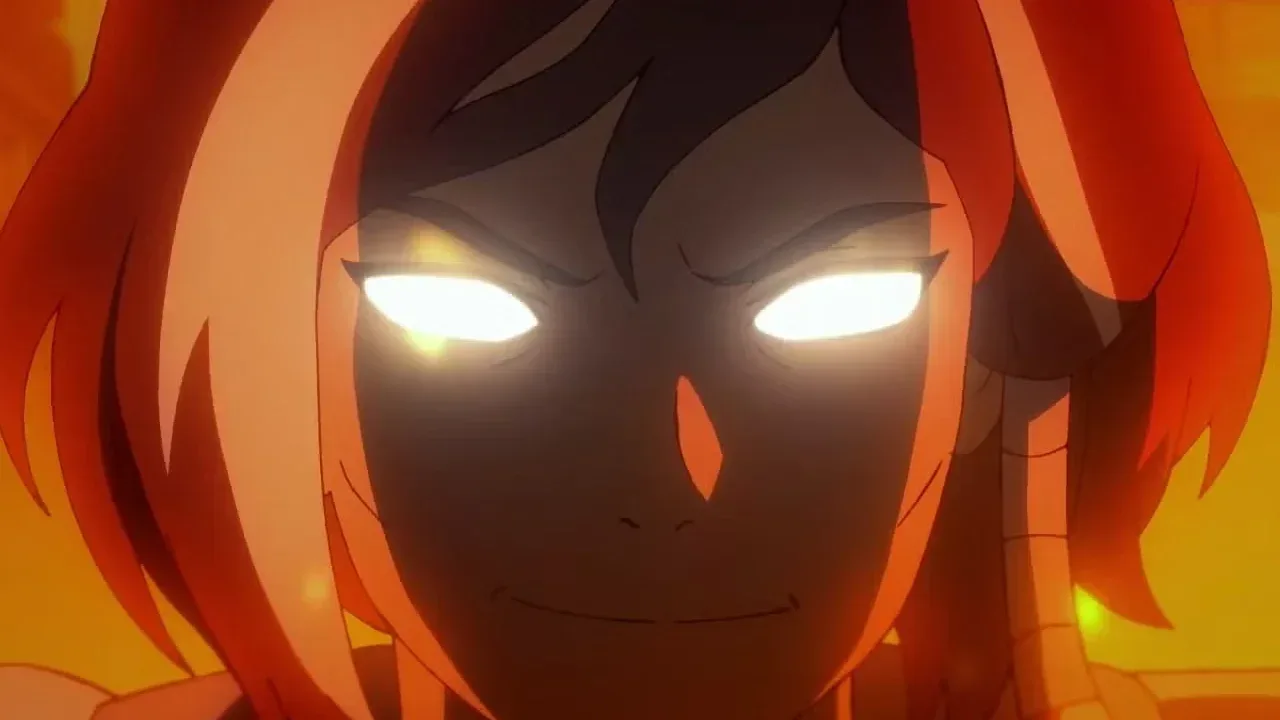
The scene confirms that Korra has a guiding role in Pavi’s journey, but it does not resolve the far bigger question surrounding the cataclysm. Earlier in Book One, a flashback shows Korra apparently pursuing someone in a car shortly before the disaster. That is still very limited evidence. It does not establish that she caused the cataclysm, acted maliciously, or even understood what was about to happen.
Her silence in the finale is similarly ambiguous. It could suggest that the Floating Isles face danger, that Pavi must discover the truth herself, or simply that the series is withholding information until it becomes relevant to the twins’ story. No conclusion about Korra’s guilt is justified yet.
That restraint is a feature of the season’s structure. The cataclysm is important background, but the finale prioritizes what its revelations mean for Pavi and Nisha now. The historical explanation is being held until it can affect their choices rather than delivered as detached mythology.
Why Pavi and Nisha separate at the end
Once the immediate danger has passed, Pavi rejects Nisha and takes the mother stone. Her declaration that she will not become a destroyer like Nisha is harsh, but it reflects the rawness of a betrayal she has only just learned about. Pavi sees Nisha’s hidden memory and the anomaly’s creation as proof that her sister cannot be trusted with the responsibility they share.
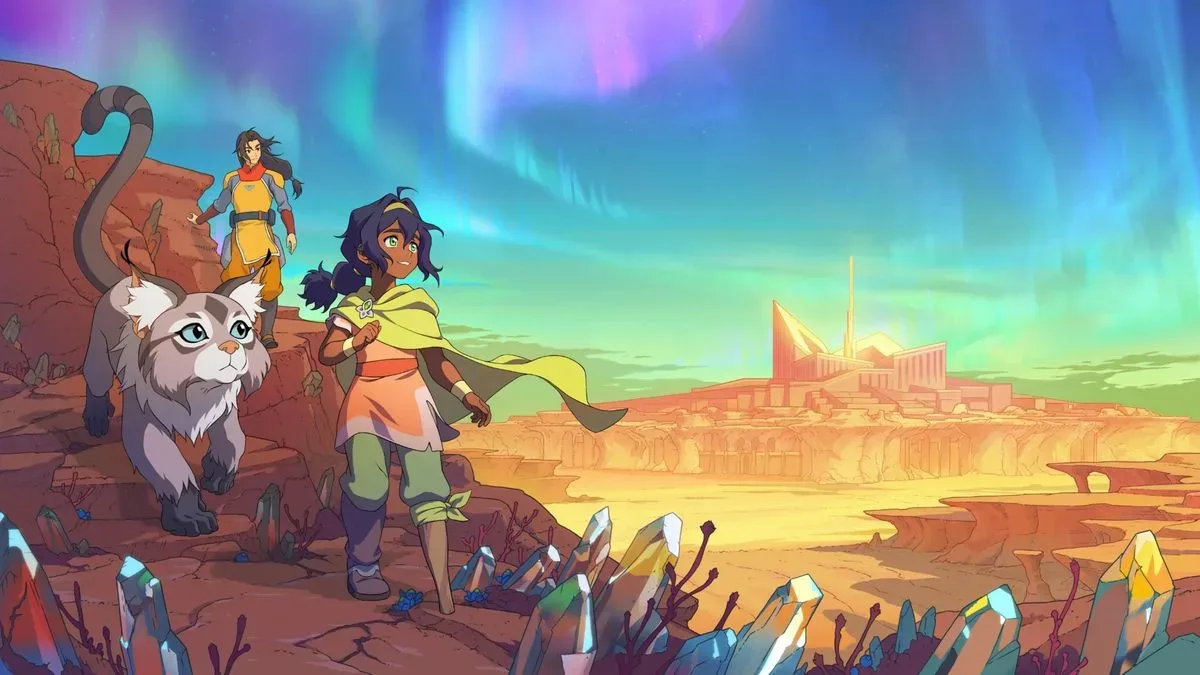
Pavi then leaves Ellora with Jae and Geet, crossing the Harshlands toward the Floating Isles. Jae believes Pavi is essential to repairing the broken world, while Pavi’s immediate task is to continue opening her chakras. The next location is therefore not a victory lap after the Ellora crisis; it is the second step in a longer spiritual journey.
Nisha remains in Ellora with Karthik. The people who once feared her now regard her as a protector because she held the dome back and helped save the haven’s citizens. That public recognition creates a sharp contrast with her private circumstances. She has gained a community’s acceptance at the same time that Pavi, the person closest to her, has pushed her away.
This split is the clearest setup for Book Two. Pavi heads toward a new place and a new chakra, while Nisha stays in a setting where she is finally valued but still has to learn how to live with the fear that created the anomaly. Ellora will continue to matter in the next Book, so the narrative is not abandoning Nisha’s side of the story.
For more on how the last episode centers Pavi’s acceptance of her role, read our look at why the Seven Havens finale reframes Book One as Pavi’s Avatar story.
What Book Two is confirmed to cover
Book Two has been confirmed, alongside Books Three and Four, though no release date has been provided. The next installment is already written and in production work, while work on the later Books is also underway.
Story-wise, the firmest starting point is Pavi’s route to the coastal Floating Isles. Korra’s vision identifies the haven as the place connected to Pavi’s second chakra. The creative team has teased a surf-oriented feel for the location, but details beyond that have not been established.
Meanwhile, Nisha’s arc in Ellora has several unresolved pressures: her blocked root chakra, her changed relationship with Karthik, the city’s new faith in her, and the rupture with Pavi. The anomaly itself has been dispersed, but the emotional condition that produced it has not been neatly solved. That distinction is likely crucial. Destroying the physical manifestation does not erase Nisha’s abandonment wound.
Is there a post-credits scene?
No. Book One’s finale has no post-credits sequence, so viewers do not need to wait through the credits for an additional teaser or hidden scene.
Ultimately, “The Root Chakra” closes the Ellora emergency while refusing to pretend that healing is complete. Pavi has made the first breakthrough, but her journey has only begun. Nisha has saved a city, yet must face the fear that helped endanger it. And the questions surrounding their parents, the cataclysm and Korra remain open enough to give the next Book real narrative ground to cover.