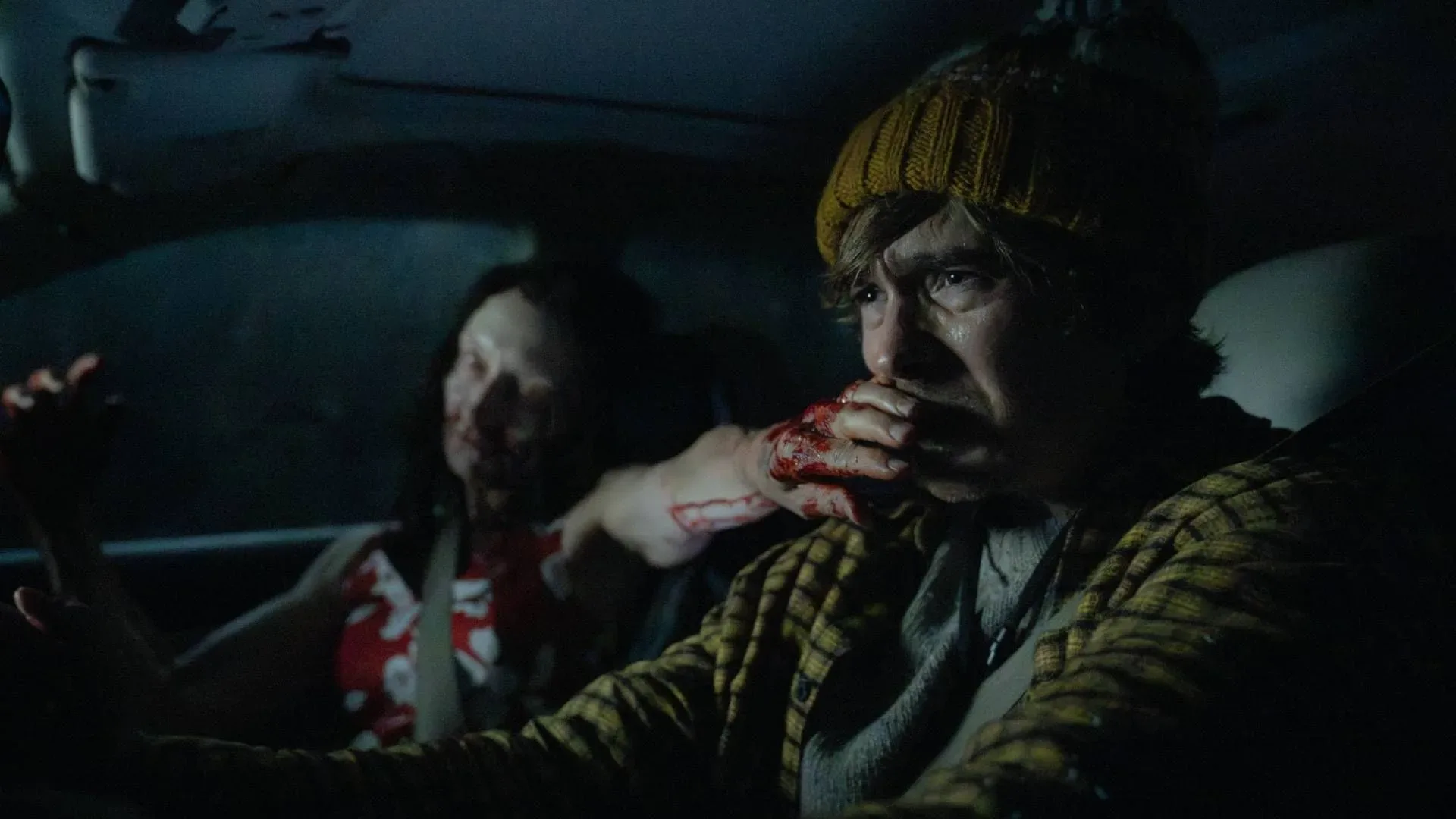
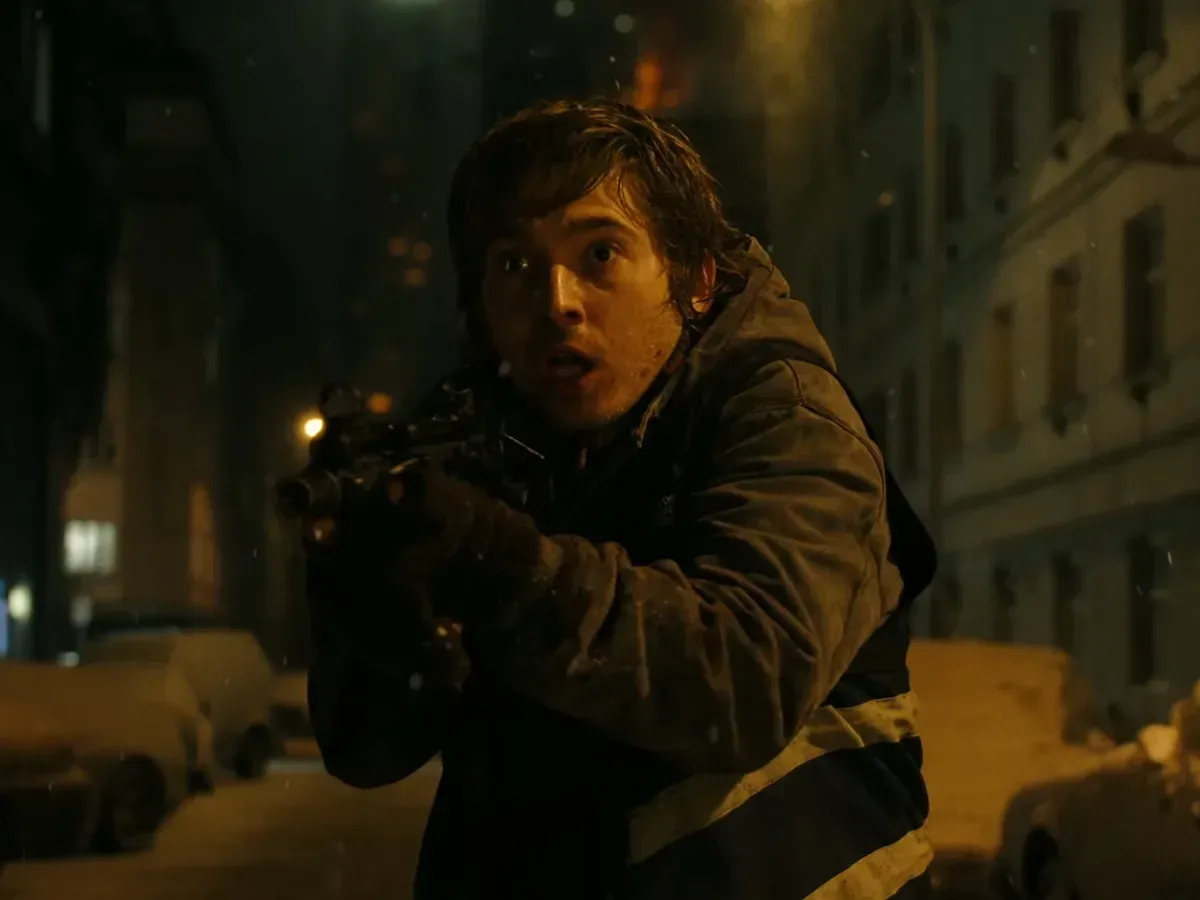
Zach Cregger has spoken candidly about the difficult side of bringing Resident Evil to film: not making the movie itself, but watching much of the public conversation become a referendum on its relationship to the games.
The writer-director said he was frustrated that discussion repeatedly moved away from the film as a standalone work and toward familiar adaptation arguments: whether it used particular characters, followed established lore closely enough, or diverged too far from what individual players expected. Cregger remains proud of the completed movie and says it is the film he set out to make, but he also acknowledged that he underestimated how dominant those arguments would become.
That tension is especially sharp for Resident Evil, a game series with an unusually broad mix of elements for fans to prioritize. Some audiences are attached to its recurring characters and continuity; others value its atmosphere, survival-horror pacing, tense exploration, and the particular dread of being under-equipped in a hostile space. A film can preserve one part of that identity while changing another, and those choices can lead viewers to judge it by very different standards.
The argument Cregger says overtook the film
Cregger’s concern is not that viewers compared the movie with the games. That comparison is unavoidable for an adaptation, particularly one built from a long-running property with devoted players. His complaint is narrower: he felt the discussion was often about anything but the movie.
In his account, debate gravitated to questions such as what the production got “wrong” in the lore, whether it should have used game characters, and whether a departure from the games was a flaw or a virtue. Those are legitimate questions for an adaptation audience, but they can also become a shortcut. Instead of examining a movie’s storytelling, performances, visual language, suspense, or emotional effect, the conversation can collapse into a checklist of retained and omitted elements.
“I was frustrated at the conversation around Resident Evil and how much of the conversation really didn't have anything to do with the movie,” Cregger said, describing a debate centered on fan standards, characters, and lore rather than the work on its own terms.
He nevertheless says he loves the film and is proud of it. Cregger also conceded that he “should have known better” before entering a project based on major intellectual property, or IP—a term used for an established fictional property whose recognizable setting, characters, and concepts can be adapted into new media. In other words, he recognizes that a highly invested response was predictable even if the scale and focus of it surprised him.
Faithful to what, exactly?
The dispute Cregger describes points to a useful distinction: literal fidelity is not the only kind of faithfulness an adaptation can pursue. Literal fidelity means closely carrying over named characters, plot events, locations, rules, or pieces of continuity. It is the form of adaptation most easily measured because audiences can identify what is present or absent.
Related coverage includes Zach Cregger Says Resident Evil Adaptation Debate Often Moved Away From the Movie Itself.
There is also tonal fidelity, meaning an attempt to translate the mood, texture, and emotional experience associated with the original work. That is inherently harder to quantify. It can involve a sense of vulnerability, tension, horror, pacing, or visual unease without reproducing a particular storyline beat for beat.
Cregger’s approach, as described here, favored the latter. He knows the games deeply, but his film sought to capture their feel rather than build itself around specific characters and every detail of the series’ lore. That choice does not settle whether every viewer will find the result successful. It does, however, clarify the artistic target: this was not presented as a simple screen replay of one game’s plot.
That distinction matters because game-to-film translation is not a one-to-one process. Games ask players to inhabit spaces, make decisions, manage danger, and live with uncertainty over time. A movie has different tools and constraints: framing, editing, sound, performance, and a fixed duration. Translating the sensation of a game may therefore require new scenes, altered character functions, or a different narrative route. Conversely, recreating every recognizable story element may not automatically recreate the feeling that made players care in the first place.
For a franchise like Resident Evil, this creates a genuine fork in the road. A filmmaker can make recognizable lore the organizing principle, or use the broader horror identity of the games as the foundation for an original story. Neither path is immune to criticism. The former risks feeling overly constrained; the latter risks being viewed as detached from the name on the poster. Cregger’s remarks make clear that he chose the second path knowingly as a creative decision, even if he did not fully anticipate the shape of the response.
Why Resident Evil carries extra adaptation baggage
The reaction is not taking place in a vacuum. Cregger referenced the fact that audiences have spent roughly two decades dealing with films carrying the Resident Evil name that, for many fans, did not feel closely tied to the games. That history makes the question of “what counts” as Resident Evil more charged than it might be for a property making its first move into cinema.
It also means people may arrive with incompatible hopes. One viewer may want a story rooted in established continuity. Another may want a movie that reproduces the nervous first-playthrough feeling of survival horror. A third may simply want an effective horror movie with the franchise’s flavor. Cregger’s frustration suggests that the most prominent debate treated those expectations as the subject, rather than treating the finished film as the subject.
There is a practical lesson in that divide for audiences, even beyond this one release. “Accurate” can mean several different things: accurate plot, accurate lore, accurate character portrayal, accurate visual design, or accurate mood. Before arguing over whether an adaptation succeeded, it helps to identify which standard is actually being used. A work may be highly faithful in one sense and decisively unfaithful in another.
That does not require fans to accept a filmmaker’s chosen interpretation. Attachment to continuity and favorite characters is a meaningful part of participating in a franchise. But Cregger’s perspective asks for a second question alongside “Is this like the games?”: “What is this movie trying to do on its own?” Both questions can coexist, and the second may produce a more useful discussion of the film’s actual craft and intentions.
A notable response from Kojima
One reaction Cregger can point to came from Hideo Kojima, who said watching the movie reminded him of how he felt playing the first Resident Evil. That comment directly supports the idea that an adaptation can aim for an experiential connection rather than a strict transfer of plot and canon.
It is not a universal verdict, nor does it erase the objections of viewers who wanted a more literal version of the material. But it identifies the specific result Cregger appears to have been chasing: a film that evokes the formative sensation of encountering the game, not merely one that catalogs its familiar pieces.
In that light, the argument over lore can be read as a clash between two valid but separate ways of watching. One approach assesses what was retained from a shared fictional universe. The other assesses whether the work generated a horror experience that feels spiritually connected to the games. Cregger plainly wanted more room for the second conversation.
What comes next for Cregger
Despite the difficult reception dynamics, Cregger did not rule out working with another established property, saying “never say never.” He has also said on multiple occasions that he has ideas for further Resident Evil movies. Still, there is no reason to treat those ideas as confirmation of a sequel, particularly after the fate of Bryan in the first film and Cregger’s own comments about the experience.
His next stated project is the original science-fiction film The Flood, which has added Jennifer Lawrence to its cast. The move to an original project may offer a useful contrast: without a pre-existing canon, discussion can begin with the movie’s own characters, world, and choices rather than its compliance with a decades-long body of work.
The broader game-to-screen conversation is still active elsewhere, including the planned Mouthwashing film adaptation. Cregger’s experience is a reminder that “adaptation” is not one creative method. It is a spectrum of choices about plot, tone, iconography, and audience memory—and those choices will shape not only the film, but the argument that follows it.
For Cregger, the central point is straightforward. He stands by the Resident Evil movie he made. What disappointed him was seeing so much attention settle on the abstract question of whether it met every fan’s preferred adaptation standard, rather than on the movie in front of them.