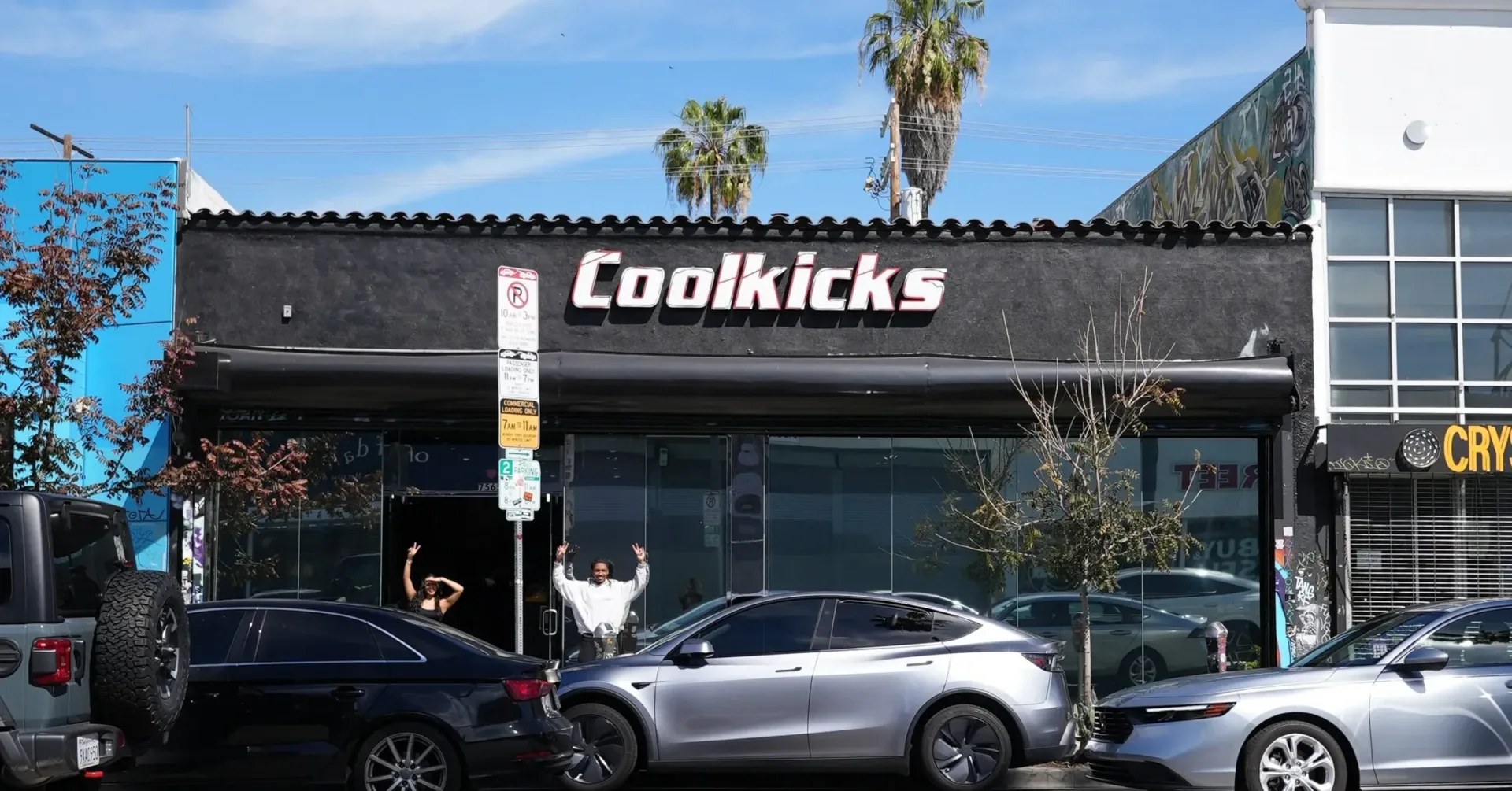
Los Angeles sneaker retailer CoolKicks and its owner, Adeel Shams, have filed a lawsuit against Complex and Nice Kicks over coverage connected to a raid on the store. The plaintiffs are seeking a court ruling on claims of defamation, trade libel and false light.
The dispute centers on how the raid was characterized, particularly whether coverage conveyed that CoolKicks dealt in counterfeit sneakers. CoolKicks argues that the framing and a headline connected the retailer with fake product even though, it says, police did not state that the business was selling counterfeit shoes. The retailer says investigators were looking into stolen sneakers.
At this stage, the filing presents allegations from CoolKicks and Shams, not proven findings. No public response from either defendant was identified in the information available. That distinction matters: a complaint begins a legal case and tells one side’s version of the dispute; it does not establish that the challenged reports were false or that either outlet is liable.
What CoolKicks says the coverage got wrong
CoolKicks points to a story published last year regarding the raid. Its central objection is not simply that the reporting covered the law-enforcement action, but that the headline and presentation allegedly suggested the shop was involved in counterfeit sales.
The retailer’s position, as described in the suit, is that an investigation concerning allegedly stolen sneakers is materially different from an allegation that a seller is moving knockoffs. That difference can appear narrow outside the resale business, but it is fundamental within it. Stolen-goods concerns relate to where merchandise may have come from; counterfeit concerns question whether the product itself is genuine. Both are serious, but they make separate claims about a retailer.
The lawsuit also names Nice Kicks over a video that CoolKicks says associated the store with knockoffs. CoolKicks maintains that the coverage harmed both its reputation and its sales. It has further said that Complex declined a request to retract the story.
Those are allegations that will need to be tested as the case progresses. The key evidence is likely to include the exact language, headline, video presentation and surrounding context at issue, along with what public authorities did and did not say about the raid. The eventual legal analysis may also turn on whether reasonable viewers or readers would take the disputed material as an assertion of fact about CoolKicks, rather than an account of an investigation or an expression of opinion.
Why the counterfeit issue carries unusual weight in sneaker resale
CoolKicks built a public audience through YouTube videos in which employees examined sneakers for authenticity. That history gives the conflict an especially sharp edge: the company’s claimed business identity is tied in part to its ability to recognize legitimate pairs and avoid fake ones.
Related coverage includes CoolKicks and Adeel Shams Sue Complex and Nice Kicks Over Raid Coverage.
Authentication is the process of assessing whether a product is genuine. In a sneaker context, that can involve comparisons of physical details, construction, materials and other identifying characteristics. The supplied information does not establish what authentication procedures CoolKicks uses, how any particular pair was evaluated, or whether any shoes involved in the raid were authentic. Still, the company’s public association with authenticity checking helps explain why it says counterfeit implications are commercially damaging.
For buyers and resellers, trust is a practical part of the transaction, not only a branding exercise. A customer who doubts a retailer’s ability or willingness to sell authentic goods may decide not to buy. A seller may similarly hesitate to consign or sell stock to a business whose name is connected with allegations of fakes. CoolKicks argues that this reputational fallout has affected sales.
That is also why the terminology matters. Calling a shoe counterfeit alleges that it is an unauthorized imitation presented as a legitimate item. Saying an item may be stolen concerns ownership and provenance instead. Neither description should be casually substituted for the other, particularly when a retailer’s authentication reputation is central to how customers assess it.
The issue has resonance beyond sneakers. Markets for physical goods often depend on confidence that the item is genuine and that its chain of ownership is sound. The same basic pressure can be seen in other collectible and resale-adjacent spaces, while the economics of physical products continue to evolve elsewhere; physical game spending has its own market complications. But this lawsuit is specifically about sneaker-media coverage and the claimed impact of an alleged counterfeit association on CoolKicks.
What the three claims generally mean
The legal labels in the complaint overlap, but they are not interchangeable. The case will depend on the law and facts applied by the court, so these are general explanations rather than conclusions about the merits.
- Defamation generally concerns a false statement presented as fact that harms a person’s or organization’s reputation. The plaintiffs’ theory appears to be that the disputed coverage falsely conveyed a counterfeit-selling accusation.
- Trade libel generally focuses more directly on alleged false statements that damage a business, its goods or its commercial dealings. CoolKicks’ claimed sales impact is therefore especially relevant to the commercial-harm side of its allegations.
- False light generally concerns portraying someone in a misleading way that would be highly objectionable. It can address harmful implication or framing even where the argument is not limited to a single plainly false sentence.
These broad definitions do not decide the case. Courts evaluate specific wording, context, applicable standards, defenses and proof of damages. The defendants may contest whether the reporting made the alleged implication, whether it was false, whether it was protected, or whether the plaintiffs can demonstrate the harm claimed. Their positions have not been provided here.
The distinction between reporting a raid and alleging counterfeits
One important question raised by the filing is how coverage of an active investigation should distinguish confirmed public information from inference. A raid can be newsworthy in itself. But the nature of the inquiry matters just as much as the fact that an inquiry occurred.
CoolKicks says the available police description did not accuse it of selling counterfeit sneakers and instead concerned stolen merchandise. If that account is accurate, the plaintiffs will likely argue that a counterfeit-centered presentation went beyond the information authorities had publicly supplied. The defendants, should they respond, may offer their own account of the reporting’s wording and basis. For now, neither side’s legal position has been adjudicated.
The case consequently is not a determination of what happened during the raid. It is a dispute over the meaning, truth and consequences of media coverage about it. That is a narrower question than proving every factual issue behind the investigation, although the underlying facts could still be important in evaluating the challenged statements.
Why the case could matter to sneaker media
Sneaker culture has a large ecosystem of retailers, resellers, collectors, social video and specialist media. These businesses and audiences often move quickly when news breaks, especially where a major store’s credibility is concerned. A video title, thumbnail, headline or framing choice can reach potential customers long before a fuller account of an investigation is available.
CoolKicks’ suit puts that dynamic under a legal microscope. Its outcome could influence how outlets approach language around raids, investigations, authentication and alleged wrongdoing by resale businesses. That does not mean the lawsuit will necessarily set a broad legal rule; the matter remains early, and its result will be driven by the particular publications and facts at issue. It does show that the commercial stakes of a counterfeit implication can be substantial for a seller whose business relies on public trust.
For consumers, the immediate takeaway is to separate allegations from findings. The fact that CoolKicks and Shams filed claims does not prove that the defendants defamed them. Likewise, coverage of a raid does not automatically establish what a retailer did or did not sell. The complaint’s core contention is that the difference between stolen-product allegations and counterfeit-product allegations was blurred in a way that injured CoolKicks.
As the case moves forward, the most consequential developments will be any response from Complex or Nice Kicks, the full contested material and the court’s treatment of the competing accounts. Until then, the lawsuit stands as an unresolved fight over wording, implication and reputation in a market where authenticity is one of the most valuable forms of currency.