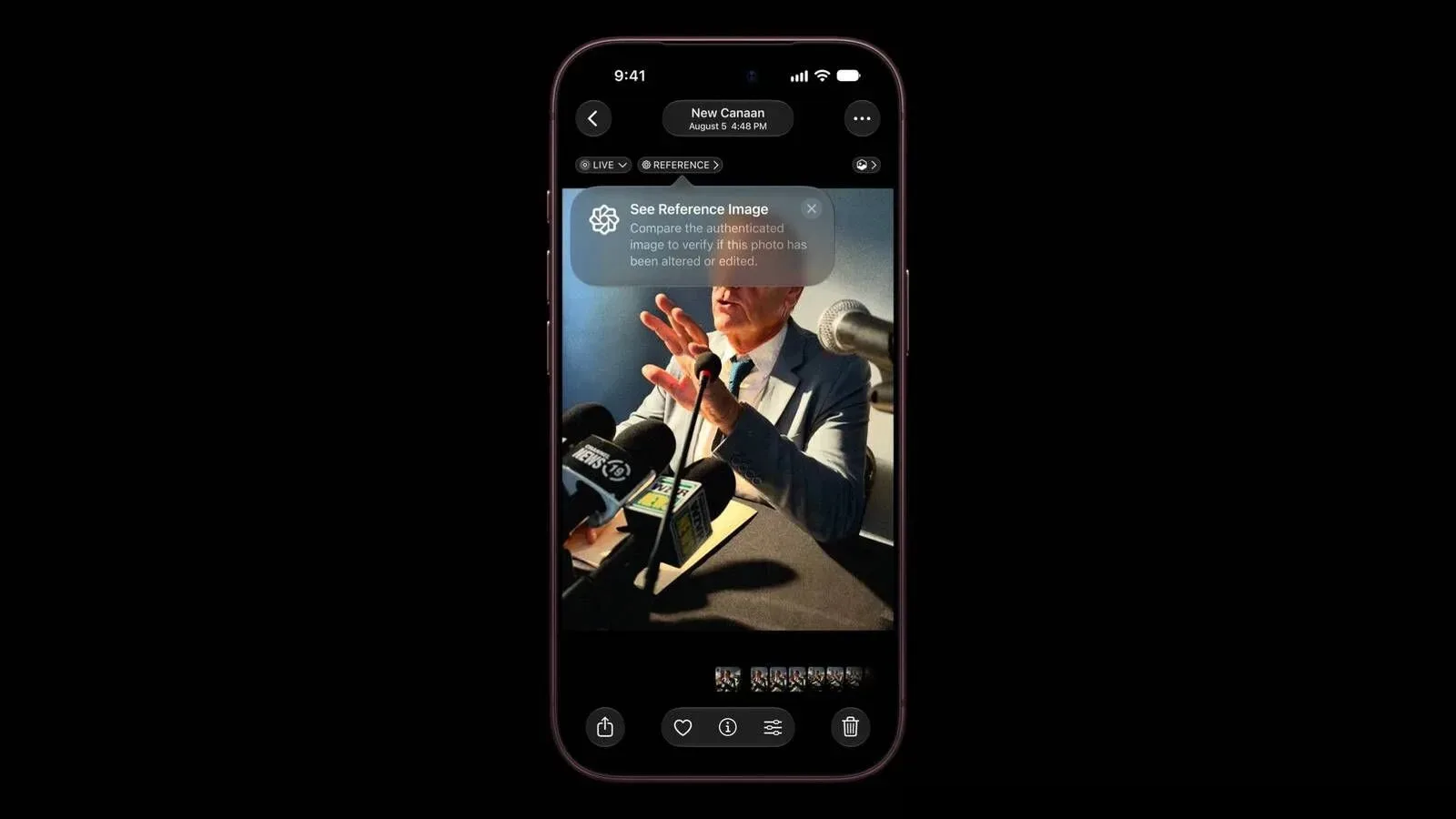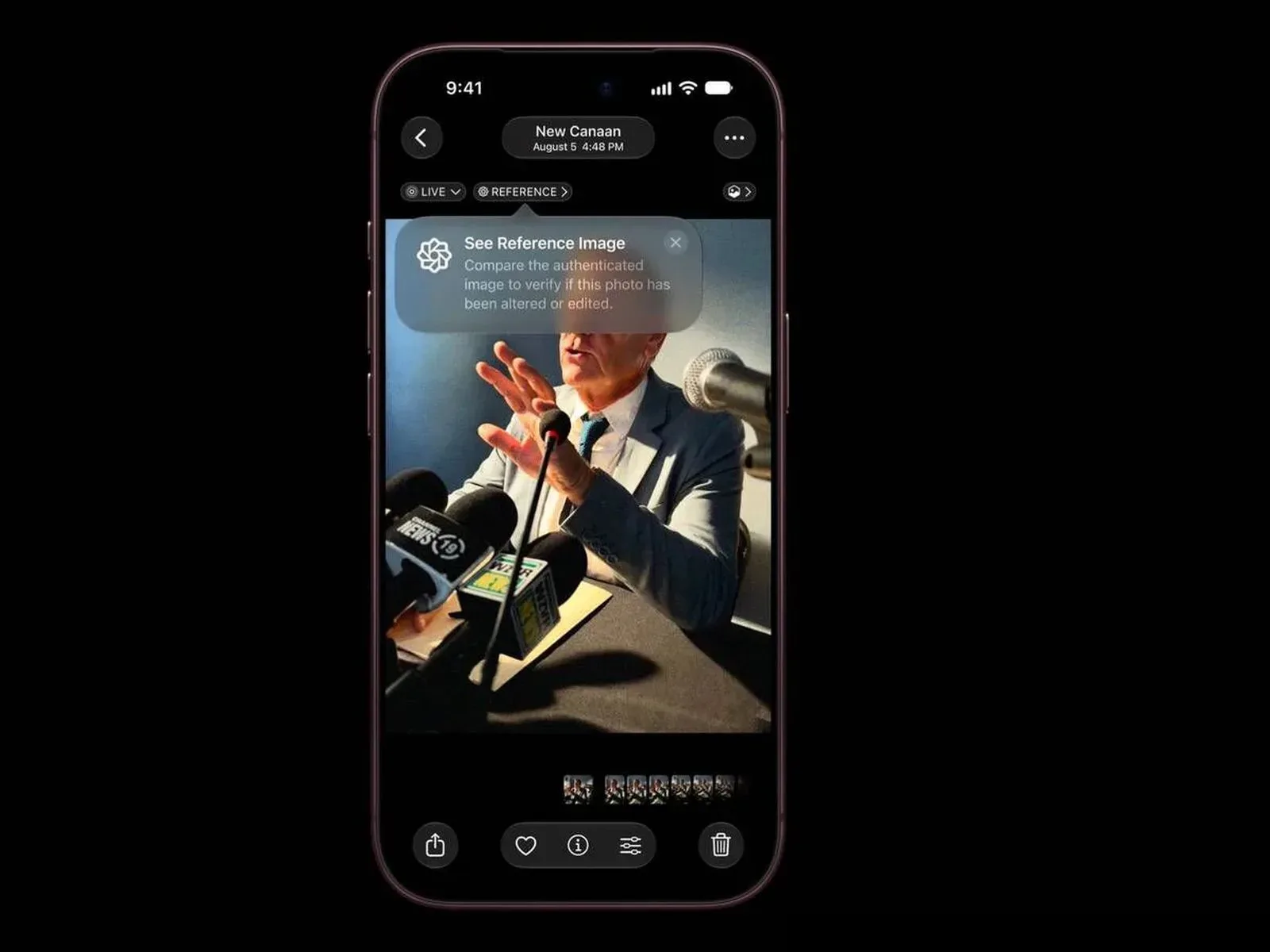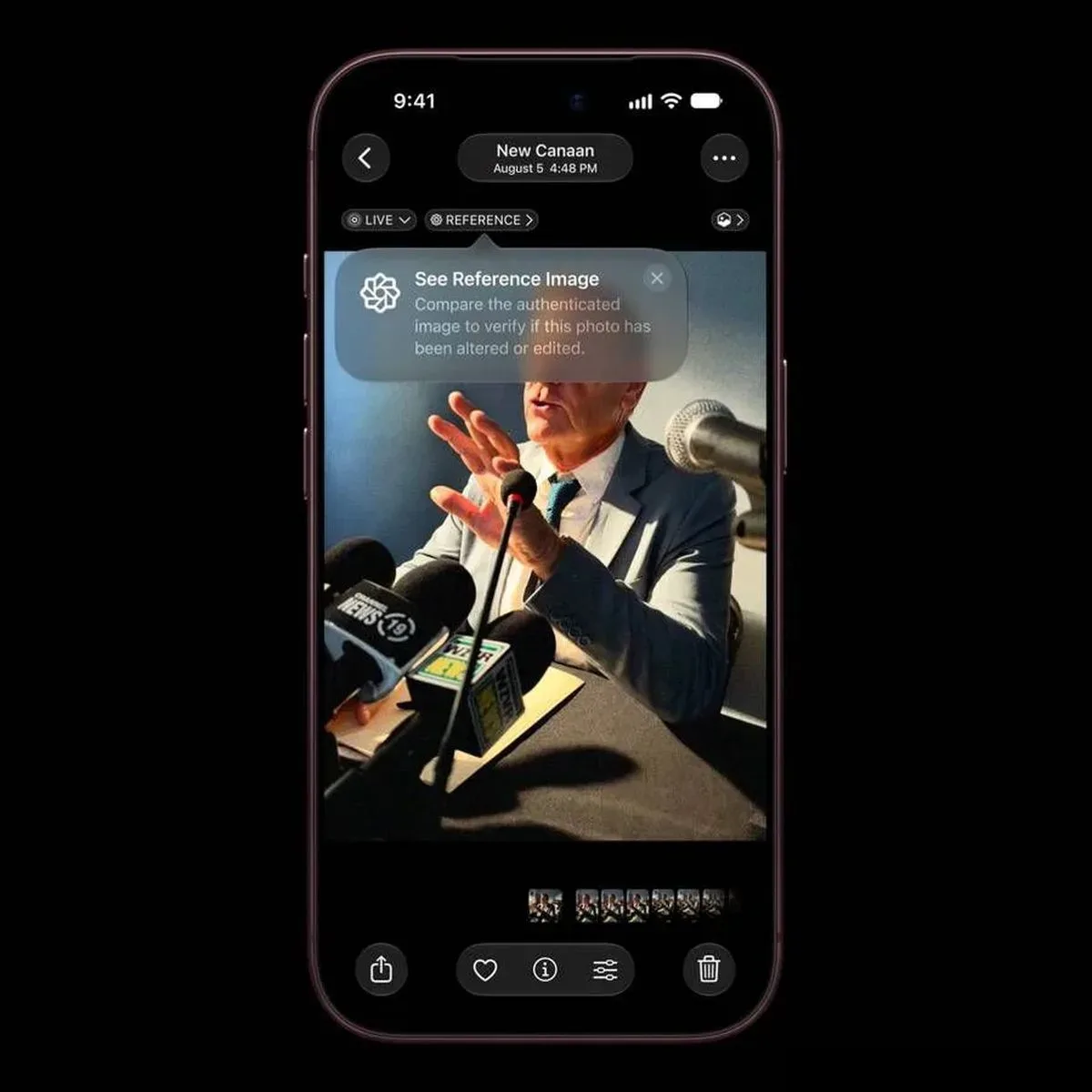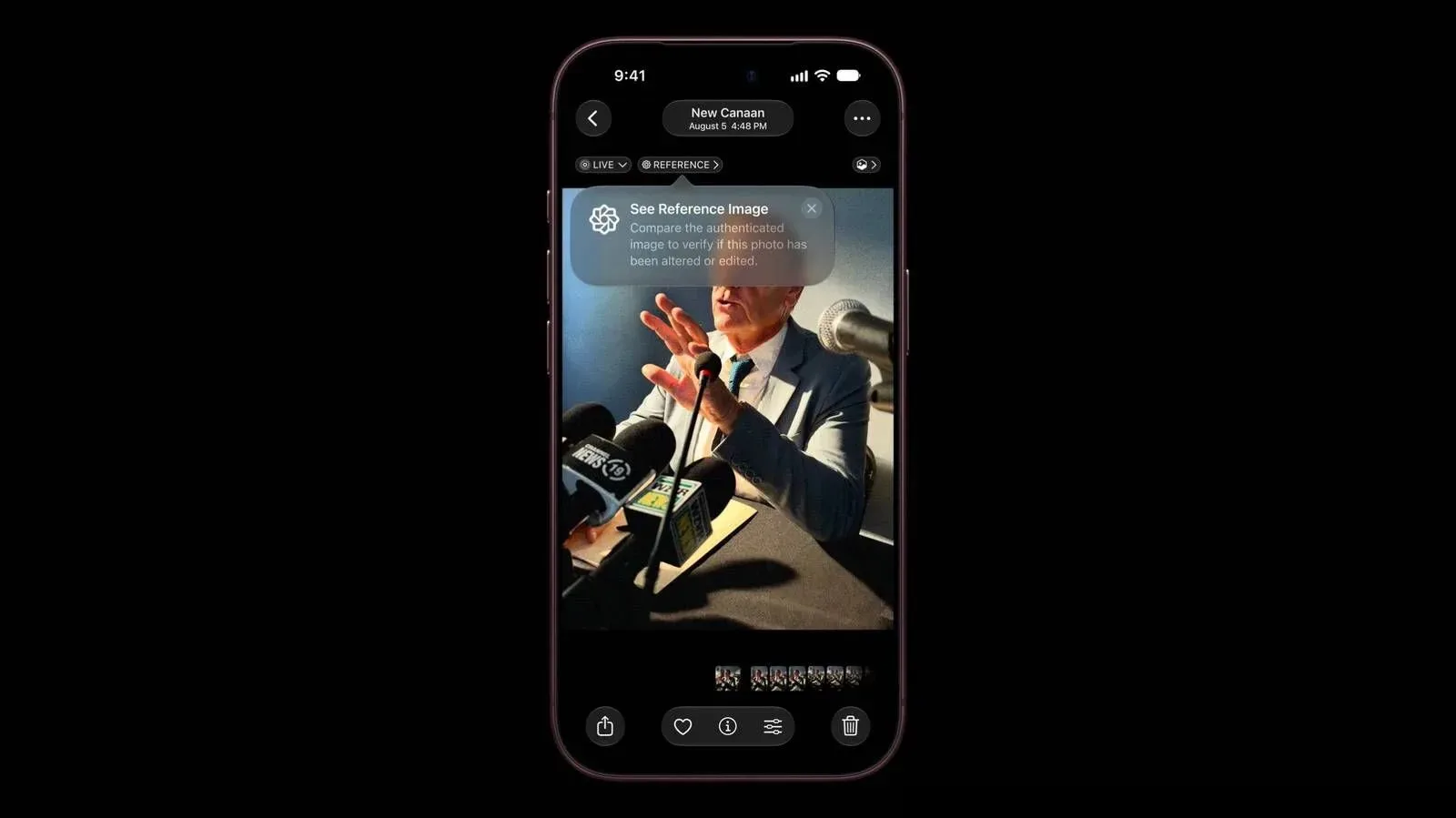
Digital photographs have reached an awkward point: a picture can be compelling, detailed, and completely unconvincing at the same time. Image-editing software has long made manipulation possible, while generative AI has made convincing imagery far easier to create from scratch. Apple’s answer on the iPhone 18 Pro and iPhone 18 Pro Max is Apple Reference Image, an opt-in camera feature intended to give a photograph a verifiable chain back to a real iPhone camera sensor and a bounded capture time.
The central idea is not that every iPhone photo becomes locked, public, or difficult to share. Instead, the feature creates a second artifact alongside an ordinary editable image: what Apple characterizes as a secure digital negative. That reference record is designed to be used when a photographer needs to demonstrate that the image originated as a camera capture rather than an AI-generated or subsequently altered file.
For a site concerned with authenticity, provenance, and the difference between an item’s story and what can actually be substantiated, the distinction matters. A standard image file can be copied, re-exported, edited, or stripped of useful context. Reference Image proposes a way to preserve evidence nearer to the point at which light first becomes pixel data.
What Apple Reference Image is meant to establish
Apple describes Reference Image as a means to verify that an image was captured with an iPhone’s camera sensor, at a specific time, without edits to the protected reference image. The company compares this protected record to a film negative. It sits beside the conventional photo rather than replacing it.
That separation is crucial. The ordinary photo remains the practical version for everyday use: it can be edited and handled as people expect from a phone camera. The reference image is the evidentiary version, held apart from that flexible workflow. The design attempts to avoid the false choice between making all photography immutable and leaving every image with no robust origin record.
Provenance is the useful technical term here. In this context, it means information and protections that help establish where a file came from and what happened to it. A provenance system is not simply a visual watermark. It is a method for tying claims about an image’s origin to technical evidence. Apple’s approach focuses on the sensor capture stage, cryptographic protection, protected storage, and a verification process.
The resulting claim is also fairly specific. The system is intended to support the proposition that a reference image was made by a real sensor in an iPhone camera, during a particular bounded time interval. That is a stronger and more useful claim than “this looks authentic,” but it should not be turned into a catch-all claim about every possible meaning of a picture. Verification of image origin is a technical foundation; readers, publishers, collectors, and investigators still have to assess the surrounding context and the significance of what is depicted.
Why signing at the sensor matters
The most significant part of Apple’s design is where authentication begins. Reference Image starts the Main camera sensor in a specialized reference mode. Immediately after capture, the sensor cryptographically signs the pixel data. Its firmware is then prevented from changing that data.
In plain language, a cryptographic signature is mathematical proof connected to particular data. If protected pixel information is changed after it is signed, a later check should reveal that the protected data no longer matches the signature. The goal is not merely to attach a statement saying “original photo” to a completed file. It is to bind the proof to the captured sensor data before later software work has an opportunity to alter it.
Apple contrasts this with systems that sign images only at the end of a software-processing pipeline. By that stage, image data has passed through more of the device’s software path. Apple argues that such an approach leaves a wider opening for tampering attacks. Reference Image’s proposed advantage is its earlier trust point: it seeks to secure the underlying capture at the sensor, rather than certify only a result that arrives after processing.
This does not mean the standard photo is presented as “bad” or invalid. Modern photography regularly involves processing and intentional edits. It means the Reference Image route distinguishes a protected capture record from the editable output. That division may be especially useful when an unmodified original is important but the photographer also wants a normal image they can crop, adjust, or otherwise use creatively.
The secure digital negative and its contents
The reference record stays on the device and contains three broad kinds of material:
- Pixel data from the capture.
- Sensor metadata, information associated with the camera sensor and capture.
- Cryptographic timestamps that provide lower and upper bounds for when the image was made.
The timestamp detail is worth unpacking. Apple does not frame the record merely as a simple, unsecured date label added to a file. The protected negative contains cryptographic timestamps with lower and upper limits. Put simply, verification can establish a bounded time window for capture rather than asking a viewer to trust ordinary metadata alone.
Because the negative is kept separately and protected from software compromise, it serves a different purpose from the shareable camera image. Apple’s language evokes traditional photography’s negative because the analogy is useful: a negative is not necessarily the version put on display, but it is the foundational record from which a photograph can be developed. Here, “developing” has a technical meaning rather than a darkroom one.
When a user chooses to develop a reference image for verification, the protected image is sent without processing to Private Cloud Compute. There, the image is rendered through a secure, private, and verifiable environment. The process is meant to make a usable verified rendering available without treating the raw protected negative like an ordinary file to be freely altered along the way.
Apple says the confidentiality of the image is maintained in this process, including from Apple. That privacy claim is important because provenance features can create a legitimate concern: proving that a picture came from a device must not automatically become a system for exposing a photographer’s private archive.
Privacy is built into the provenance approach
Apple says Reference Image avoids an explicit public credential for the photographer. It also prevents the public from associating different photos with the same sensor. Those decisions address a potential downside of authenticated media systems: if every verified photo disclosed a persistent, public device identity, unrelated images could potentially be grouped together through that identifier.
Reference Image is designed not to create that public trail. A verifier can receive evidence about a particular image without automatically gaining a visible credential that identifies the person who took it or a stable public marker that links all captures from one sensor.
This is a meaningful constraint on the product’s intended use. The stated aim is to verify a photo’s capture provenance, not to turn every photographer into a publicly traceable credential. It also helps explain why the protected image and cloud rendering process are described in privacy-focused terms rather than as a public ledger of iPhone photographs.
What attacks Apple says the system addresses
Apple says its system is designed to resist several types of attack: data injection, compromised operating systems, hardware attacks, and cryptographic attacks. These labels can sound broad, so it is helpful to separate the high-level meaning of each.
- Data injection refers to attempts to introduce fraudulent or manipulated information into a process that is supposed to handle trustworthy data.
- A compromised operating system means the phone’s normal software environment can no longer be assumed trustworthy. The sensor-level signing approach is intended to reduce reliance on a later software stage.
- Hardware attacks target physical components or their behavior rather than only apps and operating-system software.
- Cryptographic attacks seek to undermine the mathematical protections used to authenticate and safeguard information.
Apple additionally says it believes Reference Image is the only image-provenance system with quantum-secure defenses. That is Apple’s stated position about the feature, not a reason to assume there can never be a failure. The company has explicitly included a contingency mechanism: a revocation option.
Private Cloud Compute generates a confidence score for each image. If fraud is detected, Apple can revoke an individual photo or an entire sensor. In practical terms, revocation recognizes a basic reality of security engineering: an authentication system needs a response path if evidence or a component later proves untrustworthy. A record that once appeared valid may need to lose that status if fraud is established.
Opt-in, and restricted to one camera
Reference Image is not automatically applied to every iPhone photo. Apple says the feature is opt-in, meaning the owner chooses whether to use it. It is also limited to the Main camera sensor on the iPhone 18 Pro models. That limitation matters for anyone considering it as documentation: a photo taken with a different camera sensor is not covered by this particular mode.
The opt-in requirement creates an obvious practical implication. A potentially important scene cannot be retroactively turned into a Reference Image after it has already been captured normally. The protected workflow has to be selected for the relevant photo in the first place. People who expect to need evidence of capture origin may therefore need to make a deliberate camera choice before shooting.
It also leaves room for ordinary photography to remain ordinary photography. Not every sunset, pet picture, or group shot needs a separate protected negative and later verification path. Apple has positioned Reference Image as a specialized mode for occasions where provenance is valuable, rather than a mandate for the entire camera roll.
Why this matters beyond phone photography
The iPhone 18 Pro’s feature arrives as the line between a camera-made image and a generated image is increasingly difficult to judge from appearances alone. A visual inspection may help spot obvious artifacts, but it cannot provide a reliable origin history. Reference Image aims to shift the question from “does this image look real?” to “can its capture claim be technically verified?”
That framing may be useful wherever a photograph’s creation history carries weight. It could matter to people documenting an event, preserving a condition record, or sharing imagery that needs stronger support than an unprotected file can offer. The feature does not eliminate the need for judgment, nor does it certify every contextual claim made alongside a photograph. What it offers is a bounded, technically focused claim about the image’s sensor origin, capture timing, and protected reference data.
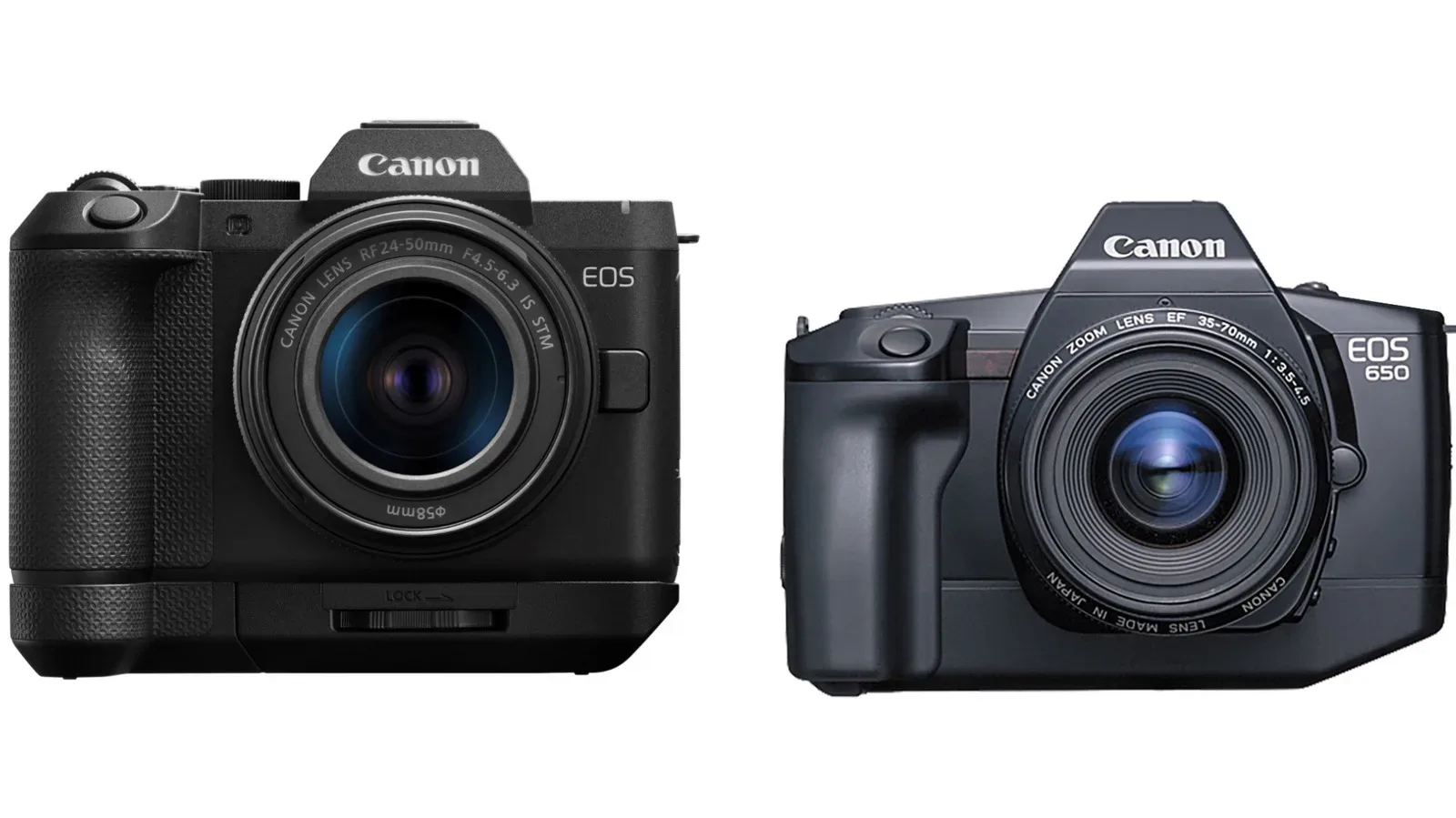
For readers interested in how camera makers are balancing traditional camera priorities with new technical demands, see our coverage of the Canon EOS R8 II’s design and imaging features.
Apple’s Reference Image system ultimately treats authenticity as something that must be established early, protected through the workflow, and still managed carefully if a security problem emerges. Its sensor-first signature, private protected negative, cloud-based verification, confidence scoring, and revocation mechanism are all parts of that one proposition. Whether it becomes broadly adopted is a separate question, but the architecture makes Apple’s intended answer clear: in an era of persuasive synthetic imagery, proving where a photo began may be as important as how it looks.