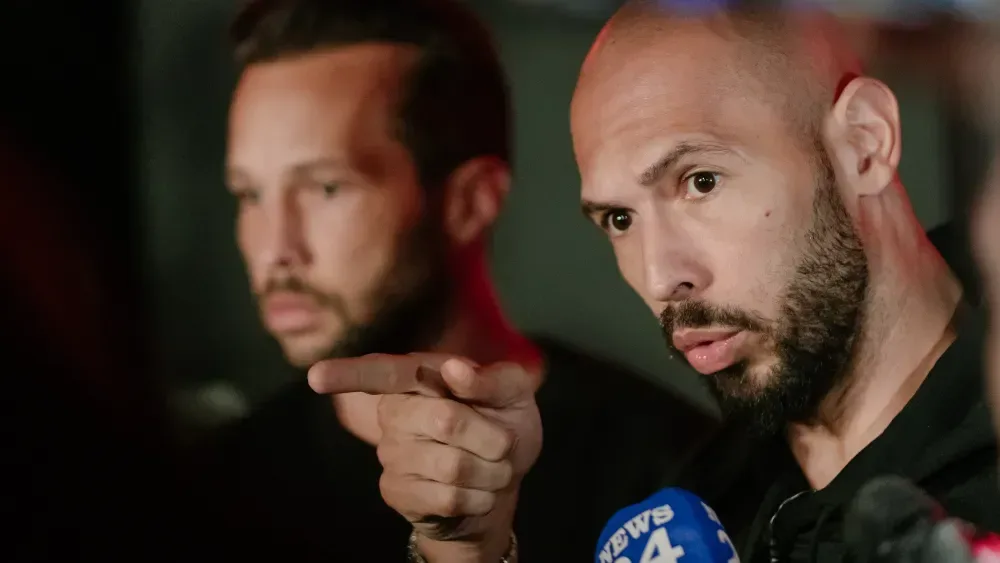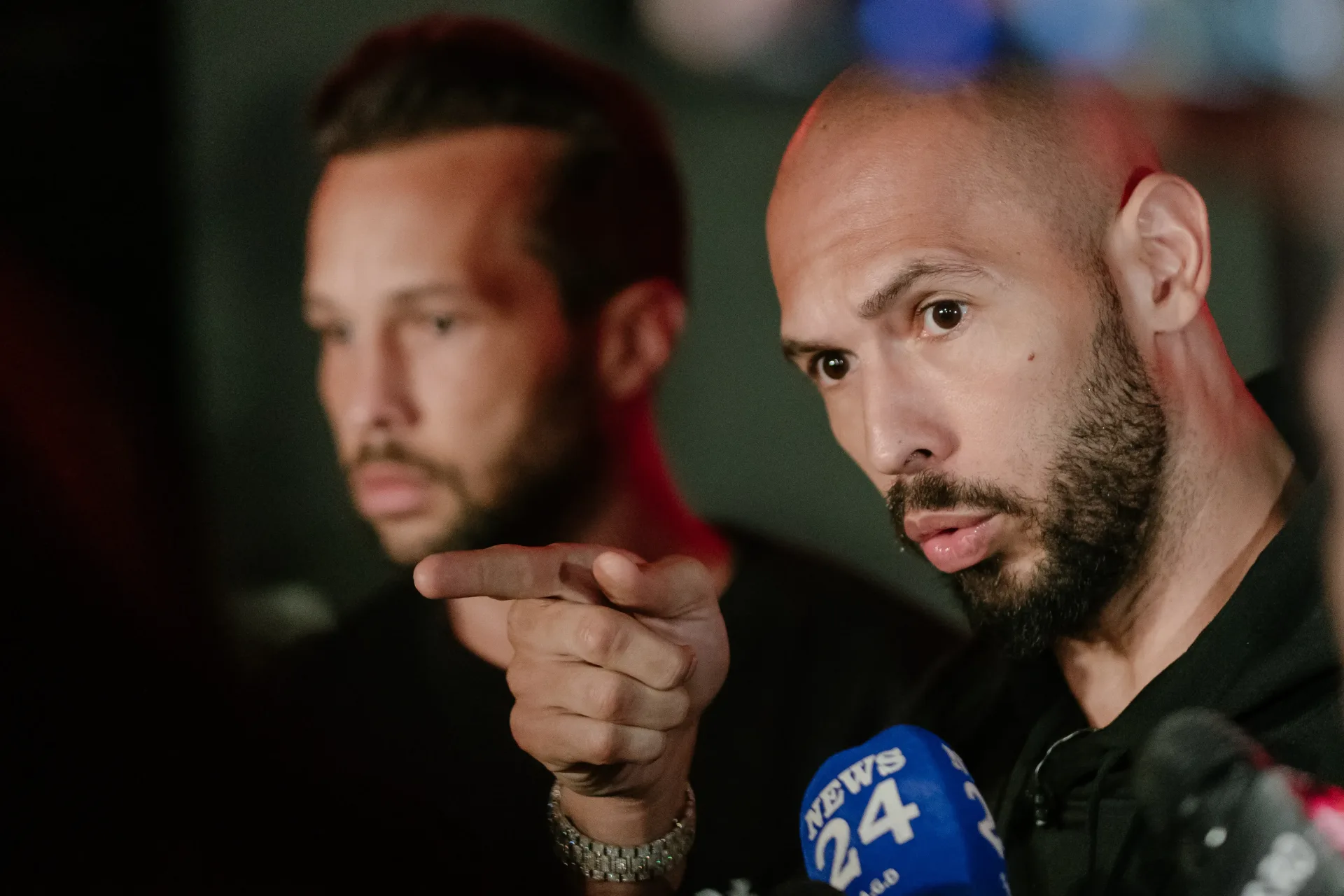
Investigation Discovery is set to premiere Andrew Tate: Toxic Empire, a four-part documentary series focused on Andrew and Tristan Tate, on November 25. The project begins with a two-hour episode at 9 p.m. ET/PT, with later installments scheduled for Wednesdays. It will also be available to stream on HBO Max.
The series arrives amid major legal allegations involving the brothers. Andrew and Tristan Tate are incarcerated in Miami while contesting extradition to the United Kingdom, where they are accused of crimes including rape and human trafficking. They have also been charged in a similar case in Romania. These are allegations and charges, not findings of guilt; the supplied information does not describe the current status or outcome of any individual case beyond the reported incarceration and extradition fight.
What the four-part series plans to examine
Andrew Tate: Toxic Empire is positioned as an examination of the system around the brothers’ online public profile as much as it is a profile of the brothers themselves. Its stated focus includes the growth of Andrew Tate’s audience, his messaging around wealth, health, male dominance and misogyny, and the tension between an aspirational sales pitch and alleged exploitation.
The series is expected to include access to male followers, insiders, alleged survivors, investigative journalists and archival material connected to the Tates. That combination is significant to the framing: rather than treating an internet celebrity’s rise as a single-person story, the production appears to be investigating the network of audiences, former associates and business practices that helped shape the phenomenon.
The announced material also says the documentary will explore recruitment of male followers and the brothers’ webcam business. It will cover what they called the “PhD,” shorthand for “Pimping Hoes Degree,” a course alleged to have taught men coercive ways to recruit women into webcamming while keeping most of the proceeds. Interviews with former followers and associates are also part of the planned program.
Because this concerns alleged conduct, viewers should keep a clear line between the documentary’s reporting and legal adjudication. A documentary can assemble testimony, records, archive and accounts from participants to explain an alleged pattern. It does not itself determine criminal liability. The scheduled series may provide context around claims that have already made headlines, but courts—not a television program—resolve guilt or innocence in criminal proceedings.
The release schedule at a glance
- Series: Andrew Tate: Toxic Empire
- Format: Four-part docuseries
- Premiere: November 25
- Opening episode: Two hours
- Linear premiere time: 9 p.m. ET/PT
- Later episodes: Wednesdays
- Where to watch: Investigation Discovery and HBO Max
The two-hour opening suggests the series intends to establish a substantial amount of background before moving through the remaining episodes. Still, no individual episode titles, runtimes for subsequent installments, or a full weekly calendar have been provided. The confirmed details are the November 25 debut, the 9 p.m. ET/PT timeslot, the Wednesday rollout, and HBO Max streaming availability.
Why the follower perspective matters
One of the more notable elements in the announced description is its emphasis on male followers and former followers. That focus could help explain a basic but important question raised by the Tates’ reach: why did the message resonate so widely in the first place?
In this context, aspiration refers to the promise of a desired future—often status, money, physical fitness, confidence or social power. A public figure does not need to persuade an audience through a single claim when a broader identity is being sold: the idea that adopting certain attitudes, habits or purchases can provide entry into an admired lifestyle. The program’s description indicates that it will examine how such promises may have existed alongside allegations of exploitation.
Exploitation, meanwhile, is not merely a harsh description for a controversial message. It concerns using people unfairly for advantage or profit, particularly where coercion is alleged. The distinction matters because the series is expected to examine a business model and course alleged to have involved coercive recruitment practices, not simply provocative online commentary.
By including former followers and associates, the documentary may be able to trace how messages were received, repeated and turned into participation. That is a different question from whether viewers approved of every statement or knew every allegation. The announced premise suggests an attempt to study the paths through which a large digital following can be recruited and sustained, as well as the consequences asserted by people who later left that orbit.
A documentary about an online empire, not just online notoriety
The title’s use of “empire” points toward infrastructure: content, followers, affiliated people, archives and commercial ventures. The available description supports that reading. It identifies audience-building and the webcam business as central subjects, indicating that the series will look beyond viral clips and public controversy to the operations connected to the Tate brand.
That framing could be particularly useful for viewers who know the name but not the terminology. The “PhD” label is presented as the brothers’ own term for a course, and the series’ reported focus is not simply the phrase’s shock value. The substantive allegation is that the course instructed men in coercive recruitment tactics related to webcamming and in retaining a large share of resulting profits. That is the claim the documentary says it will explore.
It is also worth separating several layers of the story. The existence of a following is one layer. The public messaging used to draw and retain that following is another. The alleged methods tied to business activity form another. Finally, there are the criminal accusations and charges in the United Kingdom and Romania, plus the current extradition dispute. These subjects overlap, but they are not interchangeable. A careful documentary needs to distinguish an account of influence from an examination of alleged commercial conduct and from the legal process itself.
Who is making the series
Julian P. Hobbs, Elli Hakami and Adrian Murray are credited as directors and producers for Investigation Discovery. The announced credits identify the creative team, but do not provide further information about the production process, interview list, reporting methodology or the scope of archival material that will appear onscreen.
Those unanswered details may matter when the episodes arrive. “Extensive archive” can encompass many kinds of material, from social posts and recorded clips to interviews and material connected to the subjects’ public history. The announcement does not specify what the archive contains, so it would be premature to assume particular footage or disclosures. Likewise, the reference to insiders and alleged survivors confirms the planned perspectives but does not identify the people involved or summarize their accounts.
For audiences assessing a documentary of this kind, the most useful questions are often straightforward: What claims are attributed to whom? What evidence is presented for those claims? Is a statement an allegation, a charge, a defense, an established fact, or the filmmaker’s interpretation? And does the program make those distinctions easy to follow? The currently available description signals subjects and participants, not yet the answers to those questions.
What viewers should avoid assuming before the premiere
The announcement confirms a trailer exists, but it does not establish every claim, interview or scene that may be included in the finished program. Nor does it say whether Andrew or Tristan Tate participate in the series, provide interviews, or offer responses to specific assertions made by others. Without those details, readers should not infer the presence or absence of a rebuttal from either brother.
Similarly, the scheduling news does not offer a comprehensive legal update. It says the brothers are incarcerated in Miami and fighting extradition to the United Kingdom, and identifies accusations there and charges in Romania. It does not provide court dates, rulings, a timetable for extradition, or outcomes. Those gaps are important, because ongoing legal matters can change independently of a documentary’s release calendar.
That precision is especially necessary with a subject whose public profile has generated intense debate. A series can examine ideology, online persuasion and alleged wrongdoing without collapsing all of them into one undifferentiated claim. The strongest version of that approach lets viewers understand the mechanics of influence while preserving the difference between reported allegations and matters established in court.
A wider television context
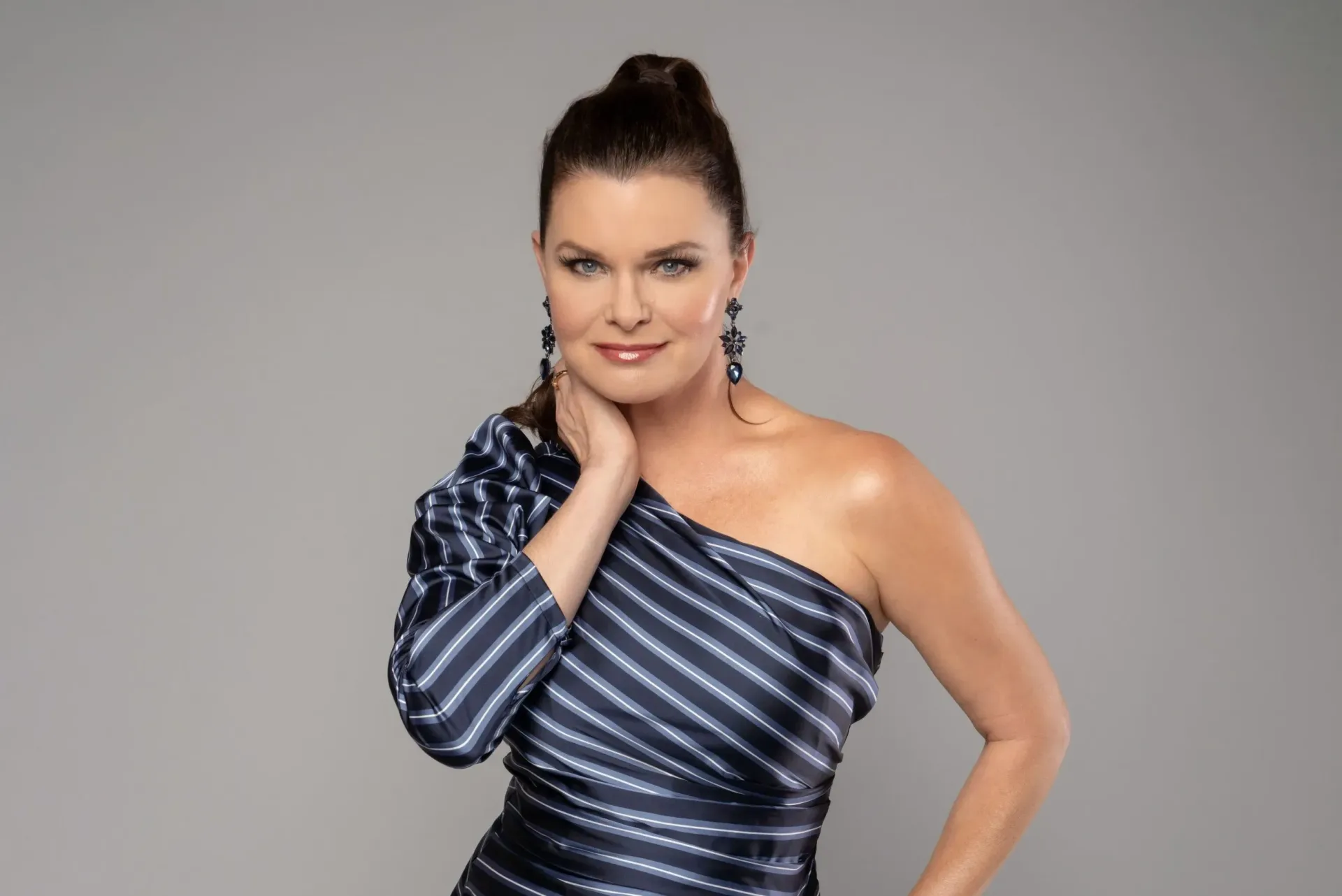
The project joins a television landscape in which personality-driven narratives, archival material and interviews are frequently used to revisit highly visible public stories. For another example of how television careers can extend across formats and roles, see Joking Joystick’s coverage of Heather Tom’s expanding soap-opera work.
In the case of Andrew Tate: Toxic Empire, the central issue is far more serious than celebrity image management. The announced series concerns allegations of coercion, human trafficking and rape alongside the story of a digital following built around a particular version of success and masculinity. Its value will depend on how rigorously it connects those elements, how clearly it labels contested claims, and how responsibly it handles the accounts of alleged survivors and former participants.
For now, the confirmed takeaway is simple: the four-part series begins November 25 with a two-hour Investigation Discovery premiere at 9 p.m. ET/PT, streams on HBO Max, and will continue on Wednesdays. The program promises an examination of the Tates’ rise, their network of followers and associates, and the allegations surrounding the business practices at the center of its investigation.