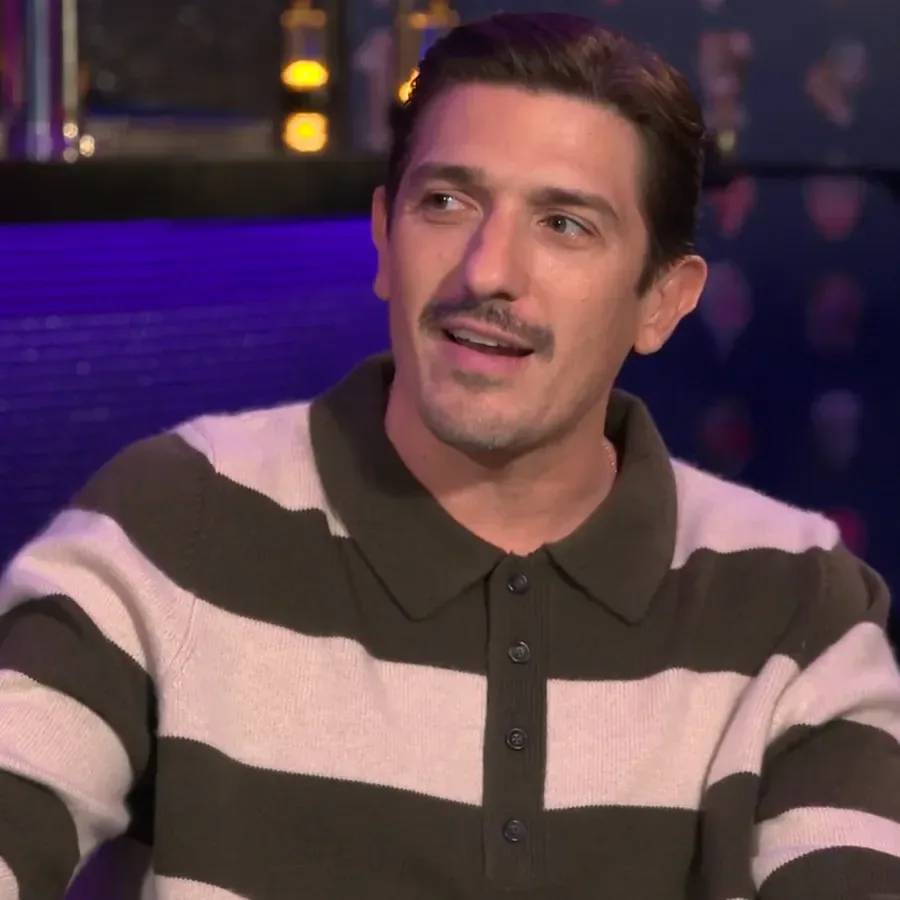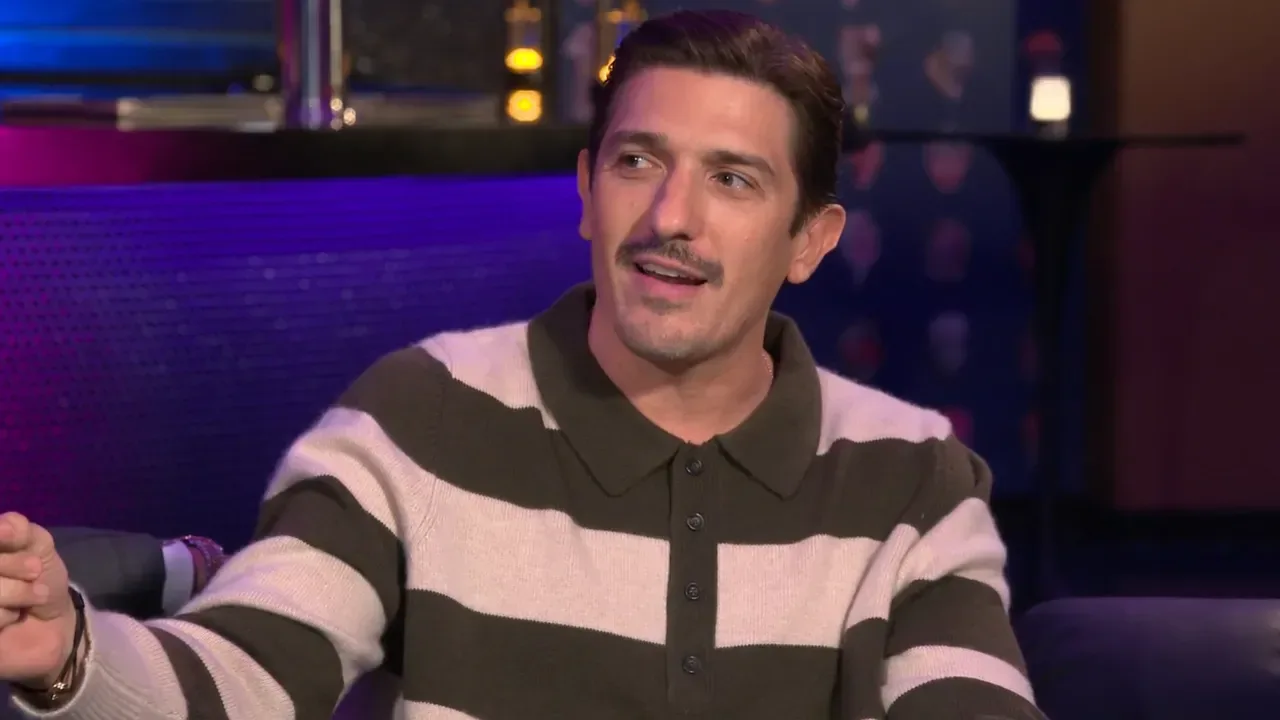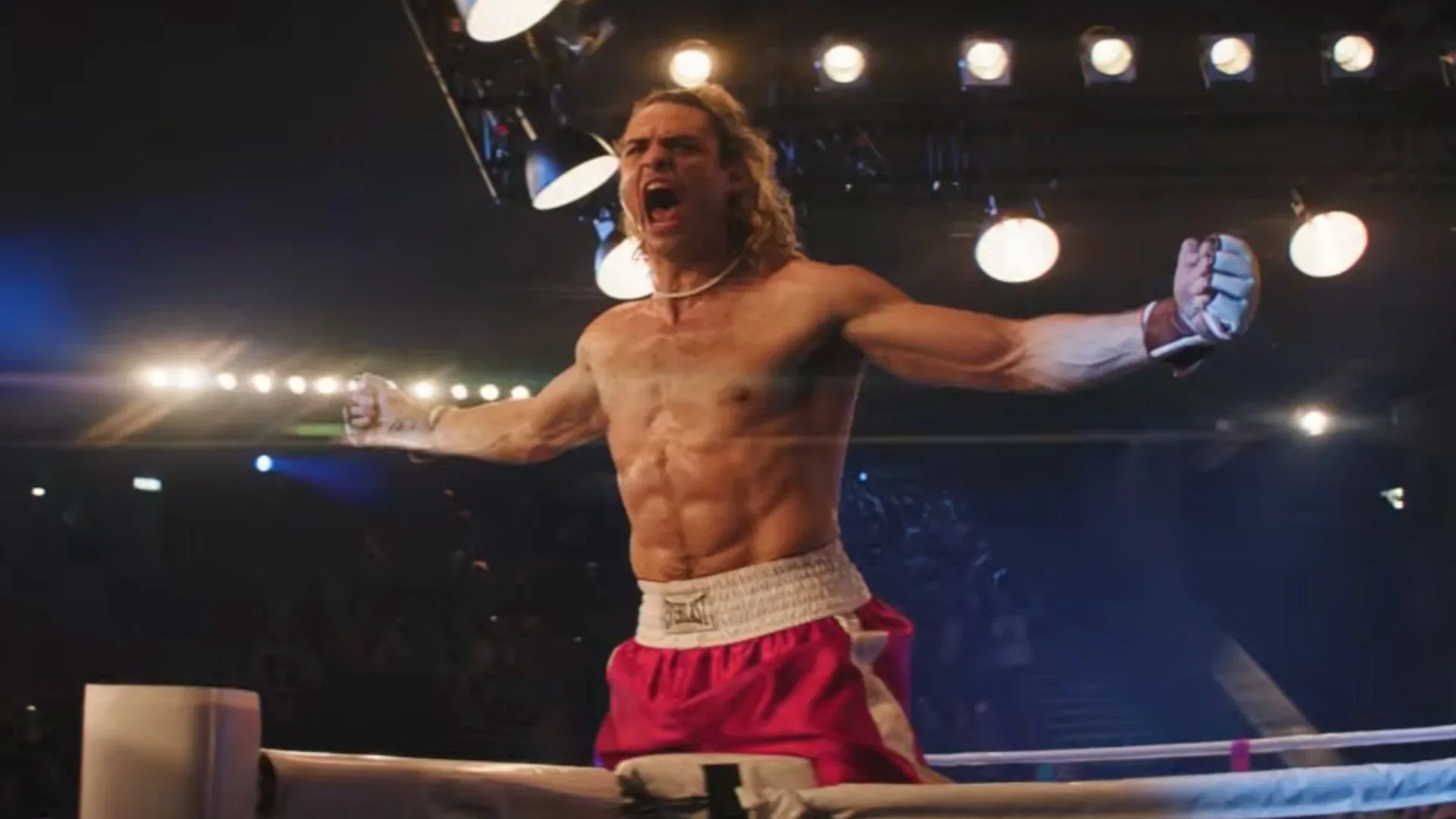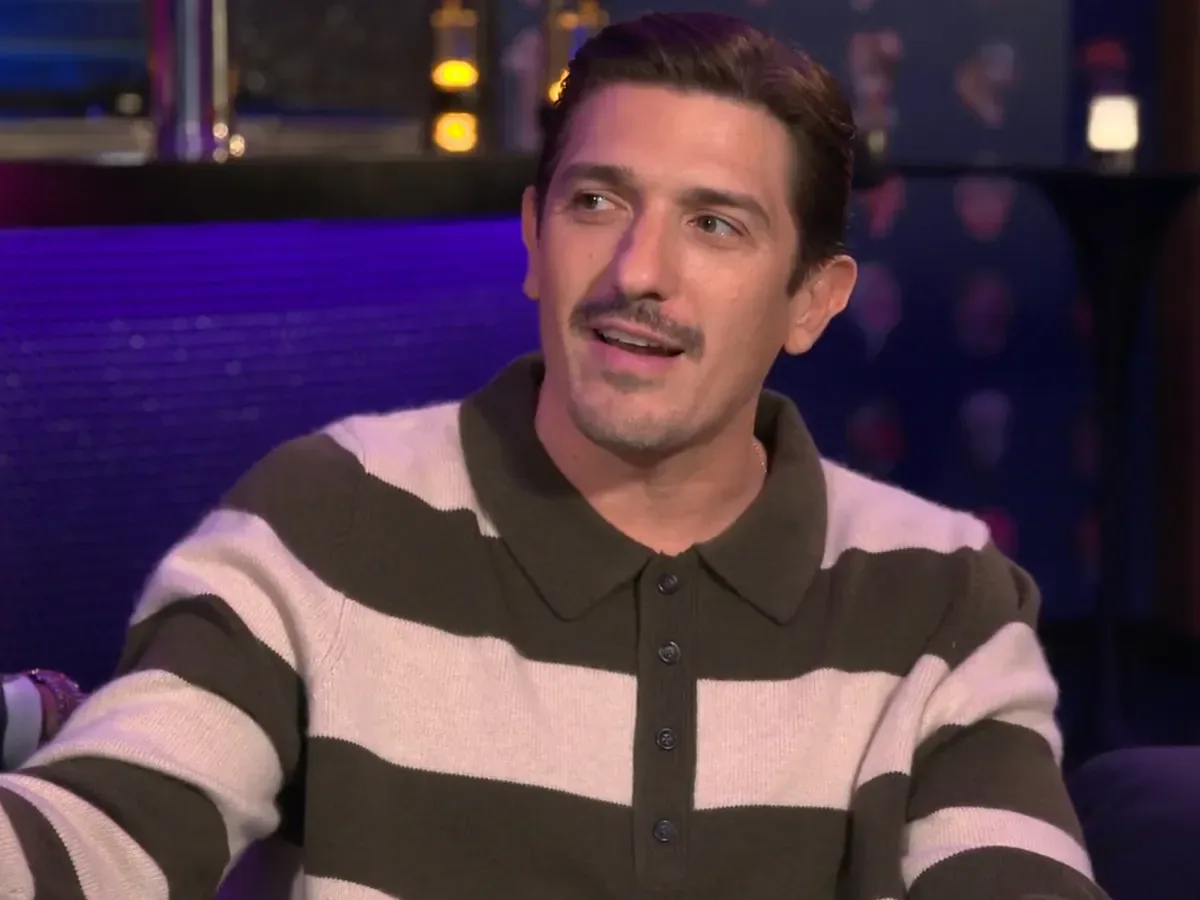
Andrew Schulz has addressed the Mortal Kombat II callout that turned a Street Fighter appearance at the 2025 Game Awards into a brief, very public fighting-game feud.
Schulz, who plays Dan Hibiki in the forthcoming Street Fighter film, brought up the Mortal Kombat II cast during the event. He initially invited applause for them before revealing they were not actually in attendance, then joked that they did not care about the audience and closed with a declaration of support for Street Fighter.
The bit traveled quickly online, where some viewers read it as an unnecessarily hostile swipe at another video-game adaptation. Lewis Tan, a star of the Mortal Kombat films, also pushed back on the moment. Now, Schulz says the intention was substantially less confrontational: a knowingly exaggerated, mutually beneficial rivalry in the mold of professional wrestling.
Schulz frames the joke as a “work”
In wrestling terminology, a work is a planned or performative element designed to advance a story, character, or reaction. It is distinct from a shoot, an unscripted or genuine remark. Schulz said he believed the Mortal Kombat reference would function as a work: playful antagonism that fans would recognize as promotional theater rather than a personal insult.
He also said that he read the material supplied for the appearance and expected the exchange to create a larger shared cultural moment for the two films. His comparison was to the kind of high-profile, competing-release conversation where attention surrounding one title can amplify attention around another.
“I thought we were in this together!” Schulz said while explaining the response.
That explanation does not erase why the moment landed differently for some viewers. A staged feud only works when enough people understand that everybody involved is playing along. Here, the Mortal Kombat II cast was not present, and the remarks did not arrive with an obvious on-stage response from the other side. In that setting, the joke could easily look less like cooperative promotion and more like one production using another as a target.
Why the reaction became bigger than a throwaway bit
Street Fighter and Mortal Kombat are not merely two unrelated action properties. They are among the most recognizable names in fighting games, a genre whose communities have long embraced competitive banter, character allegiance, matchup arguments, and crossover speculation. That history gives a joke between the brands an immediate charge—but it also means fans may be protective of both.
Related coverage includes Andrew Schulz Says Mortal Kombat Game Awards Joke Was Meant to Set Up a Crossover.
The issue was not simply that Schulz praised Street Fighter. Promotional appearances are expected to do that. The sharper element was the assertion that the absent Mortal Kombat II team cared only about money. Even presented as a punchline, it attached a motive to people who were not there to answer in real time.
Schulz’s later comments suggest he sees the viral backlash as evidence that the strategy generated attention. He joked that he was awaiting thanks because the Street Fighter appearance had, in his view, also directed attention toward Mortal Kombat II. That is an understandable publicity argument: mention a rival property on a major stage, and conversation expands beyond the film being promoted. But attention is not automatically positive attention, particularly when it creates an apparent divide between casts and fanbases.
A crossover is enthusiasm, not a confirmed project
The conversation ultimately moved from rivalry to collaboration. Schulz said a Street Fighter/Mortal Kombat crossover was the kind of possibility he had hoped to set up through the Game Awards bit. Cody Rhodes, who also appeared in the discussion, echoed that sentiment.
Eric Andre added his own lighthearted endorsement, referencing Noob Saibot—the Mortal Kombat character whose name draws from series co-creator Ed Boon’s name spelled backward—and likened the prospect to a cartoon crossover. The important distinction is that this is cast enthusiasm, not confirmation of a film, game, deal, or formal creative plan.
There is at least a broader reason fans continue to entertain the idea. Ed Boon has expressed interest in a possible Street Fighter crossover game. That does not establish that one is in development, and it says nothing definite about a crossover movie. Still, it helps explain why a bit of competitive framing can quickly turn into discussion of characters, universes, and hypothetical team-ups.
Other Street Fighter cast members were also receptive to collaborating with another fighting-game franchise. Andrew Koji and Callina Liang specifically mentioned Marvel vs. Capcom. Again, these comments show interest rather than an announced production. For audiences, the useful line to maintain is simple: actors saying they would like to participate is not the same thing as rights holders, studios, developers, or filmmakers putting a crossover into motion.
What it means for Street Fighter’s immediate future
The more concrete question is the performance of Street Fighter itself. Director Kitao Sakurai has said that any future Street Fighter films depend on how the first film performs in theaters. That places the franchise’s next cinematic step on the reception of the movie actually arriving, rather than on viral banter or hypothetical crossovers.
Street Fighter is scheduled to reach theaters on October 16, 2026. Schulz plays Dan Hibiki, a character whose place in the franchise naturally makes him an amusing fit for brash, deliberately overconfident promotional energy. Yet the film’s prospects will rest on the finished movie and audience response, not on whether the Mortal Kombat joke becomes a lasting meme.
There is a practical takeaway for fans watching this kind of promotional exchange: distinguish the performance from the product. A viral clip can be part of a campaign, a comic persona can be intentionally provocative, and crossover chatter can be sincere without representing an official announcement. In this case, Schulz and his fellow Street Fighter performers have clarified that they hold no hostility toward the Mortal Kombat franchise or its actors.
That clarification shifts the episode from a purported feud to a lesson in the limits of kayfabe outside wrestling. Kayfabe is the presentation of fictional conflict as if it were real. It is effective when the audience accepts the game being played. Online, where clips often circulate without the surrounding context, that shared understanding is much harder to guarantee.
Fighting-game fandom is especially primed to react because loyalty and debate are part of the fun—but those debates can become intense when a major adaptation is involved. The same passionate scrutiny appears across gaming culture, including discussions around design choices and player agency such as the concerns raised in this conversation about RPGs and hidden paths. For Street Fighter and Mortal Kombat, the immediate reality remains straightforward: no crossover has been announced, and the on-stage joke was, by Schulz’s account, intended as promotion rather than a genuine attack.