Role-playing games have long made a virtue of letting players miss things. A cave left unexplored, an NPC conversation cut short, an encounter discovered through wandering, or a dialogue response available only under narrow conditions can all create the feeling that a world has more to offer than any one playthrough can hold.
Timothy Cain, co-creator of Fallout, worries that this kind of material is becoming harder to defend during game development. In a recent video, Cain described a growing preference for linear stories with a single end state, fewer expensive optional branches, and more moments that every player is likely to encounter. His concern is not simply that games may become shorter. It is that games may increasingly signal every meaningful discovery rather than trust players to locate it themselves.
“Things are really going to linear storylines, with one end state,” Cain said, while adding that non-linear games are still being made.
Cain’s argument is a useful way to separate two ideas that are often treated as the same thing: a game having a large amount of content, and a game giving players genuine latitude over what they see. An RPG can be enormous while strongly directing its audience toward a prescribed sequence of activities. Conversely, a more contained game can feel rich if it supports meaningful detours, distinct choices and discoveries that are not all advertised in advance.
The business problem behind content players may never see
At the center of Cain’s concern is an obvious production calculation. Optional content still has to be made, tested and integrated even if only a small share of players ever encounter it. A hidden quest may require writing, art, design work, combat setup and quality assurance. Optional dialogue can mean recording extra voice-over, preparing additional NPC reactions and ensuring a choice does not break later scenes.
That work has value for the players who find it, but it can be difficult to present as essential when a project is trying to limit costs. Cain said he has been told not to spend so much time and money on player conversations and NPC responses that only a small fraction of the audience will see.
There is also a social rationale in his description. If most players pass through the same scenes and reach the same broad outcome, they have a ready-made set of shared reference points when they discuss the game. A more linear structure can therefore appear efficient twice over: it concentrates development spending on sequences nearly everyone will witness, while also making sure the audience has common stories to compare.
That logic is understandable, but it comes with a creative cost. Optional material is not merely surplus content. In a role-playing game, it can be part of how a player forms a personal relationship with the setting. A secret route, an unusual response or a quest found by accident can become memorable precisely because it was not handed to everyone in the same way.
Related coverage includes Timothy Cain Warns RPGs Could Lose Their Best Kept Secrets.
What Cain means by unguided exploration
Cain specifically pointed to what he sees as a decline in unguided exploration. The term means exploration without a system explicitly identifying every destination or reward for the player. Instead of following a quest marker, map icon, visual prompt or sound cue, the player wanders, notices something unusual and decides whether it is worth investigating.
In Cain’s view, a world map once encouraged players to stumble across locations, items and combat encounters. He argues that contemporary design more often directs the eye and the player’s route toward worthwhile content. The risk, he says, is that players can tell a discovery was designed to be found by essentially everyone, turning it from a surprise into another scheduled stop.
“It’s almost as if nobody thinks people will find things on their own,” Cain said.
It is important not to confuse that criticism with a blanket case against clarity. Signposting is a design tool, not automatically a flaw. A marker can reduce frustration, help players who have limited time, and make a complicated game more approachable. Visual and audio cues can also guide attention without requiring a player to constantly consult a menu.
The more useful question is how much guidance a game applies, and to what kind of content. If every activity is highlighted with the same urgency, exploration can lose some of its tension and curiosity. If nothing is communicated, players may not experience freedom so much as confusion. Cain’s concern is about the balance shifting so far toward explicit direction that being observant or adventurous no longer changes the experience very much.
Non-linearity is more than choosing an ending
Non-linear design is also broader than multiple finales. A game can offer one final destination but still permit different routes, optional relationships, alternate approaches to encounters, divergent dialogue and side stories that meaningfully alter a player’s understanding of the world. Conversely, a title can provide several end states yet funnel nearly every player through the same major path.
Cain’s warning is that development incentives may favor both a single narrative route and a set of highly shared moments along that route. This would reduce the number of branches that require unique writing, performance and implementation. It could also shrink the difference between one player’s story and another’s.
That distinction matters because role-playing games do not rely only on plot outcomes for replay value. A return playthrough can be motivated by a different class, combat approach, set of companions, conversation choice or unexplored area. Hidden and optional content supports that structure by making it plausible that a player’s first trip was only one version of the adventure.
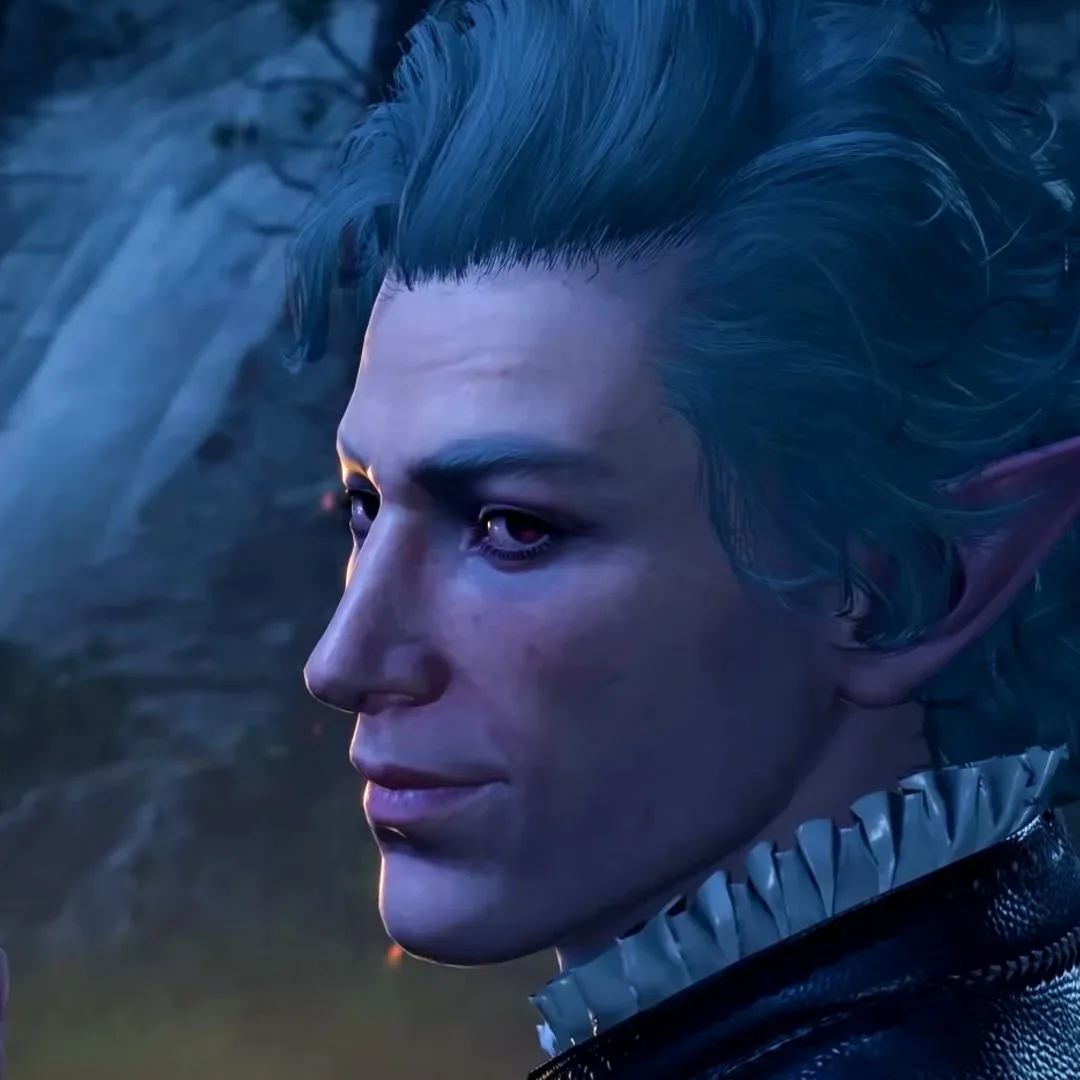
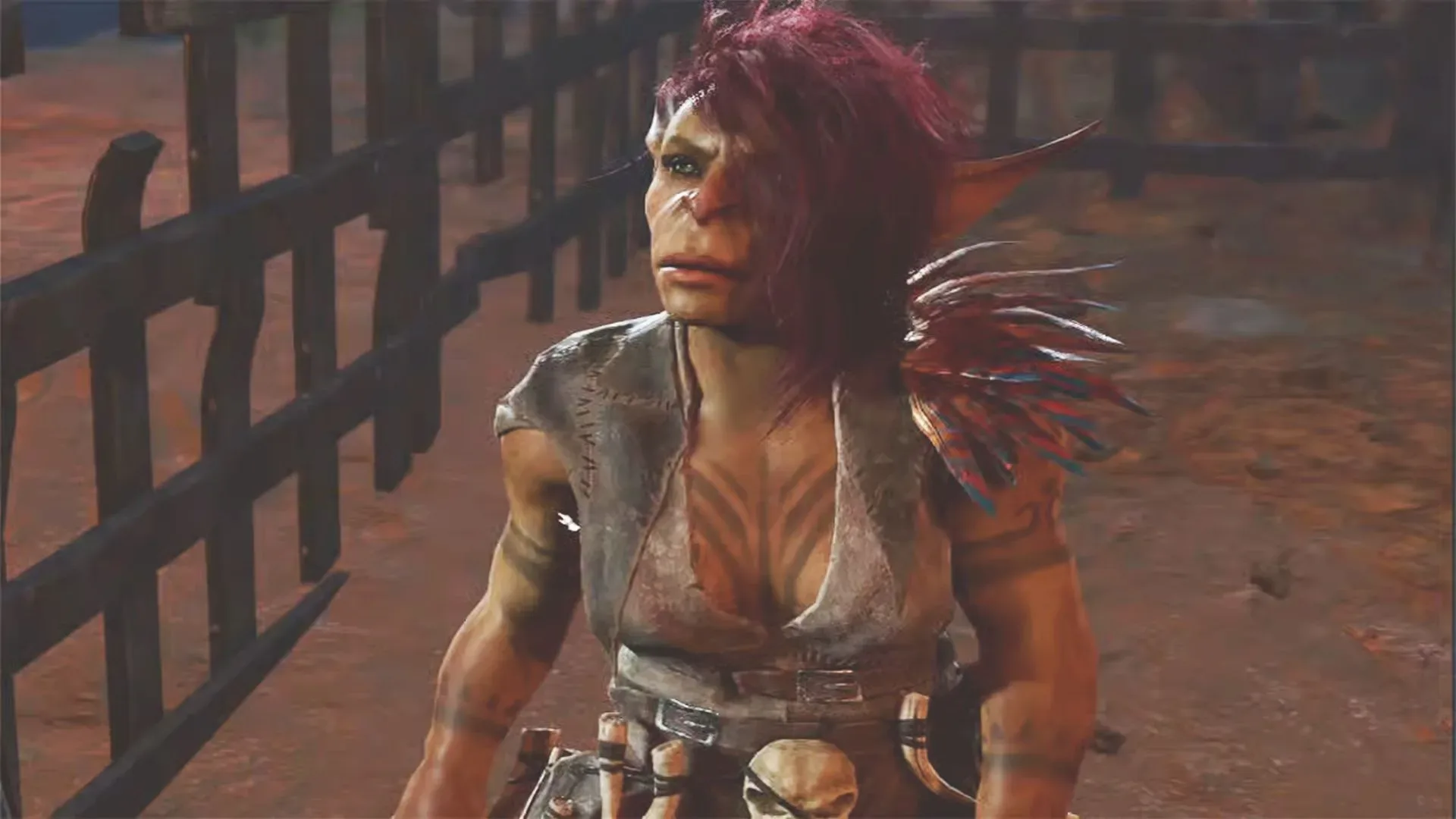
Baldur’s Gate 3 is a timely example of why the issue resonates. Its reputation rests in part on dialogue branches, optional quests and material players can uncover through experimentation and careful exploration. Those elements do not require every person to see the same content to feel successful; the possibility of having missed something is part of the appeal. Cain cited this general kind of optional dialogue and deeply buried quest material as central to beloved contemporary RPGs.
Why checklists are not the same as player freedom
There is a separate criticism often aimed at large games: fatigue from a map crowded with things to do. That complaint does not necessarily contradict Cain’s defense of hidden content. A checklist can be expansive without being surprising. When every activity is displayed immediately, the player may have plenty of tasks but little reason to observe the world or make a discovery on their own terms.
In practical terms, players looking for a sense of adventure may prefer a game to reserve some content for curiosity rather than place every reward behind an obvious icon. Developers, meanwhile, can use signposting selectively: clearly communicate critical objectives while allowing optional encounters, dialogue and locations to remain less explicit. That is not a demand that every RPG abandon accessibility or remove quest tracking. It is an argument for leaving room for initiative to matter.
Cain’s remarks do not establish that every RPG is headed toward a single-path model. He acknowledged that non-linear games continue to be made, and he did not identify a specific company behind the direction he described. His comments are best read as a warning from a veteran developer about the pressures that can shape decisions before players ever see a game.
Budget pressure can shape design long before launch
The broader backdrop is pressure to control costs and appeal to a wide audience. When budgets tighten, content with uncertain player exposure can become an easy target because it appears optional on a spreadsheet even when it is structurally important to a game’s identity. Recent industry restructuring remains a major concern, as seen in a proposed studio closure and role cuts at Ubisoft.
Cain’s framing suggests a particular danger: publishers or managers may treat the percentage of players who view a scene as the only measurement of its worth. But low visibility does not always mean low value. A hidden sequence can inspire players to talk, replay, compare notes and approach the wider game with more attention. Its function may be to enrich the possibility space, rather than to become the most frequently viewed piece of content.
The counterargument is also real. Content that is too obscure can amount to work players never have a fair opportunity to appreciate. Developers need to make choices about where to invest, and a game cannot make every route equally elaborate. The relevant creative decision is not whether all content must be hidden or all content must be mandatory. It is whether a project preserves enough optionality that exploration, experimentation and conversation feel consequential.
For Cain, the answer appears tied to a basic RPG promise: players should sometimes be allowed to find something because they looked, not because a giant signal told them where to stand. If future projects increasingly prioritize universal story beats and directly marked rewards, they may still be polished and accessible. What they risk losing is the quiet, personal thrill of realizing the game had a secret waiting for the player who chose to go off the path.