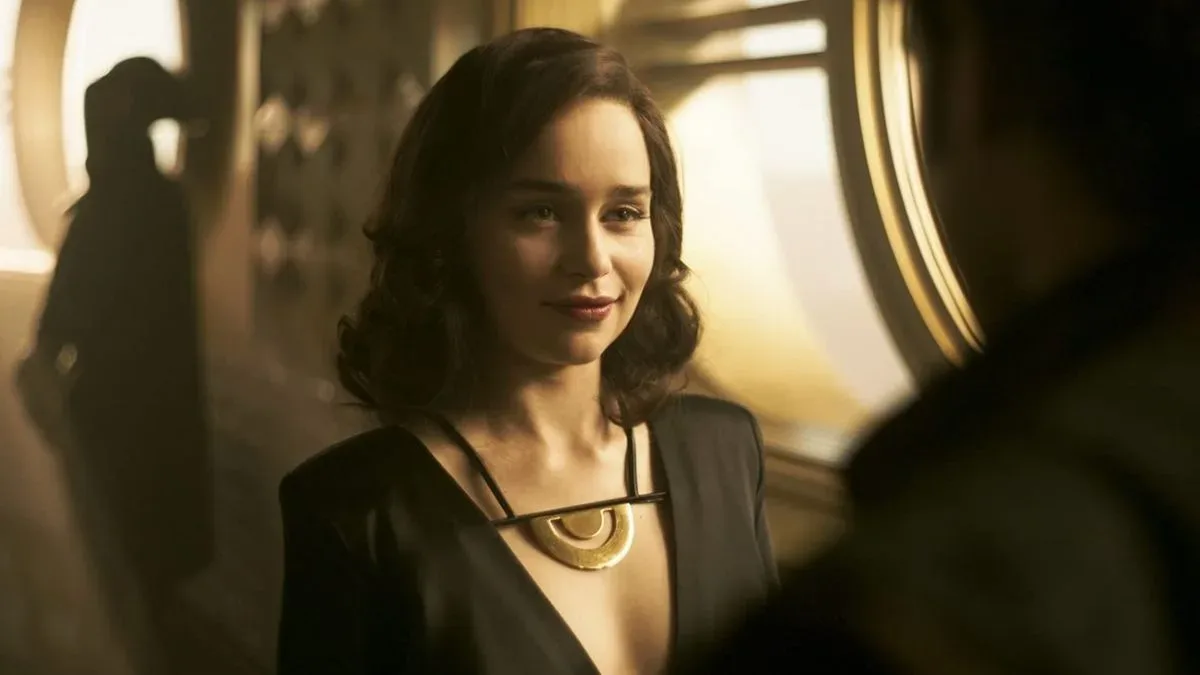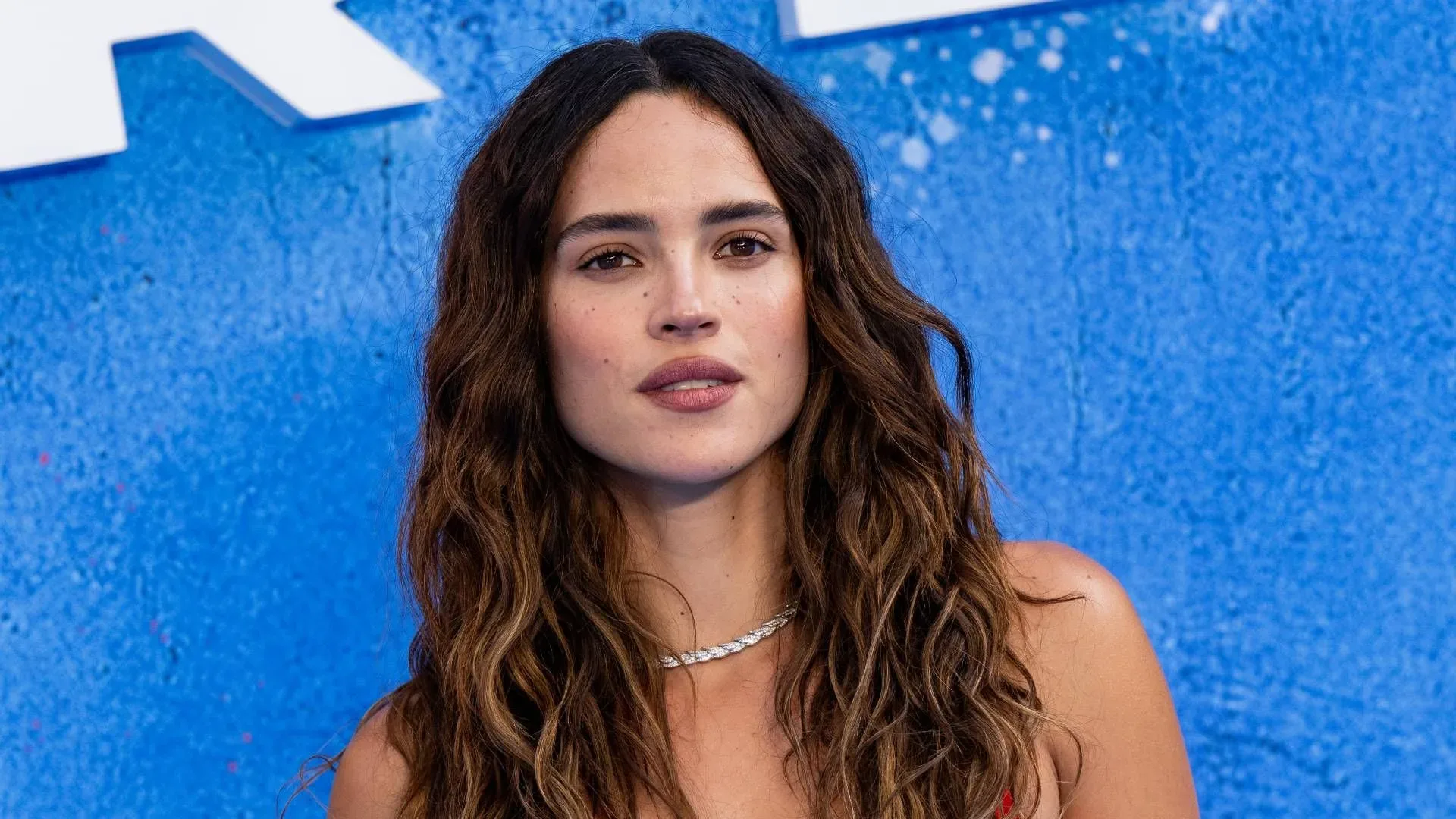
There are Star Wars near-misses, and then there are near-misses that come with a flight suit, Alden Ehrenreich in the room, and a very real chance of becoming one of the galaxy’s biggest new characters. Adria Arjona has revealed that she came close to playing Qi’ra in Solo: A Star Wars Story—only for the role to ultimately go to Emilia Clarke.
In retrospect, Arjona is not mourning the alternate timeline. Far from it. Missing out on Qi’ra eventually left her able to play Bix Caleen in Andor, a part she holds in especially personal regard. Arjona says Bix is the only character she has had tattooed on her body, which is about as unambiguous a sign of affection as a performer can give without commissioning a full-size rebel safehouse in the living room.
It is also a reminder that casting stories are rarely as simple as a door closing. Sometimes they are more like a hyperspace route unexpectedly changing course: stressful in the moment, potentially life-altering later, and likely to include a few people staring at a control panel wondering how any of this was supposed to work.
The Qi’ra audition that nearly changed everything
Arjona discussed the audition while appearing on the Happy Sad Confused podcast. She said she tested for Qi’ra alongside Ehrenreich, who would go on to portray the younger Han Solo. Phil Lord and Christopher Miller, the movie’s original directors, were also present for the test.
That detail places the screen test in a distinctive period of Solo’s development. Lord and Miller were initially directing the film before Ron Howard ultimately took over as director. Arjona’s recollection does not turn the audition into a grand piece of behind-the-scenes mythology; it makes it sound like what a screen test is often likely to be for the actor involved: intensely high-pressure, thrilling, and almost impossible to view with emotional distance when the role happens to sit inside a franchise you have dreamed of joining.
Arjona remembered feeling extraordinarily nervous. The significance went beyond the size of the production or the possibility of playing a lead opposite Han Solo. She had wanted to be part of Star Wars for a long time, and she spoke about how meaningful it would have felt to see a Latin American woman like herself in that kind of prominent role.
Her comments point to an essential tension that can sit beneath an audition: it is a professional opportunity, but it can also carry representation, personal ambition, and the hope that one person’s casting might widen the picture of who gets to inhabit a beloved fictional universe. In Arjona’s case, the possibility felt close enough to touch. She described being put into a suit for the test and realizing that the dream could conceivably become real.
That is the particularly cruelly efficient machinery of a major-franchise screen test. One minute you are trying to remember the scene, hit the emotional beats, and avoid turning into a nervous ball of carbonite. The next, the brain is racing several light-years ahead to posters, premieres, action figures, and the terrifying possibility that a childhood wish is suddenly asking for a headshot.
Emilia Clarke became Qi’ra
The part went to Clarke, who played Qi’ra in the finished 2018 film. Qi’ra is central to Solo: she is tied to Han’s past and becomes an increasingly important figure in the story’s criminal-underworld turns. The character’s ending leaves her future open rather than neatly sealed away, one reason Qi’ra has remained a subject of interest for viewers who would like to know more about her path.
Arjona has expressed no bitterness about Clarke’s casting. Instead, she praised Clarke and made clear that the chance to contend for the role was already a remarkable experience. That response matters because casting headlines can sometimes flatten the process into a fictional rivalry: one actor wins, another loses, dramatic music plays, and somebody in a cape stares mournfully out a window.
Real careers are less tidy. Actors audition for roles that never become theirs, and the work of going after those parts can still create connections, sharpen instincts, or simply demonstrate that they were seriously in the conversation. Arjona’s story is not a claim that she was destined to be Qi’ra. It is a clear-eyed acknowledgement that she wanted it badly, came close, and later found the right Star Wars character through a different doorway.
Solo received a mixed response on release, while Andor developed a particularly strong reputation among Star Wars television audiences. Comparing the projects as a contest would miss the point, though. They have different tones, narrative needs, settings, and ambitions. What Arjona’s experience illustrates is that a performer’s most valuable franchise role may not be the first one they can picture themselves landing.
Bix Caleen became the role that stayed
Arjona eventually entered the Star Wars universe as Bix Caleen, an important character in Andor. Bix’s connection to Cassian Andor places her near the emotional center of the series, and the character’s experience is shaped by the escalating dangers of life under the Empire. Across the show’s two seasons, Bix is not treated as mere scenery for Cassian’s journey. Her life, endurance, relationships, and trauma carry their own weight.
That is why Arjona’s tattoo comment lands with such force. It is not simply a cheerful piece of fandom trivia, although every fictional universe should probably have room for a little cheerful tattoo trivia. It suggests that Bix became a character with lasting personal meaning to the actor who played her.
Arjona said she is “so thankful” she did not get the Qi’ra role because otherwise she would not have played Bix, the one character she has tattooed on her body.
There is a satisfying symmetry to that. The earlier audition mattered because it represented Arjona’s determination to get into Star Wars. Bix mattered because it gave her a role substantial enough to make that long-held ambition feel specific, rather than abstract. The galaxy far, far away is enormous on a map, but an actor’s connection to it can come down to one character who feels impossible to leave behind.
For fans, the tale also offers a useful corrective to the tendency to treat casting as a permanent verdict on an actor’s place in a franchise. An unsuccessful test does not mean an actor did not belong. Arjona belonged there; the eventual role was simply Bix rather than Qi’ra. And the performance gave Andor one of its crucial human anchors.
From rebellion to a still-secret DC part
Arjona’s next major comic-book-adjacent destination is DC’s Man of Tomorrow, described as a follow-up to Superman. Her role has not been publicly identified. There has been widespread speculation that she may be playing Wonder Woman, but that remains rumor rather than confirmed casting information.
That distinction is worth keeping firmly intact. A rumor can be entertaining—especially when it involves one of the most recognizable superheroes ever created—but it is not a character announcement. Until official details identify Arjona’s part, the responsible reading is simple: she is in Man of Tomorrow, and the identity of her character is unknown.
The broader move from Star Wars to DC is still an intriguing one. Arjona has already been through the peculiar pressure of approaching an iconic property, first as an actor hoping to break into Star Wars and later as a performer carrying a key role in Andor. Whatever her DC character proves to be, she will arrive with experience of how quickly a franchise role becomes meaningful to audiences—and how intensely every unconfirmed detail can be inspected like it is a blurry holocron recovered from a convention parking lot.
For now, the confirmed story is more compelling than the hypothetical one. Arjona once tested for Qi’ra opposite Ehrenreich, with Lord and Miller in attendance. Clarke received the role. Arjona later became Bix Caleen, helped shape one of Star Wars television’s most admired series, and found a character significant enough to make permanent. Not every missed opportunity needs rewriting. Some of them turn out to be the route that gets a performer exactly where they were meant to go.
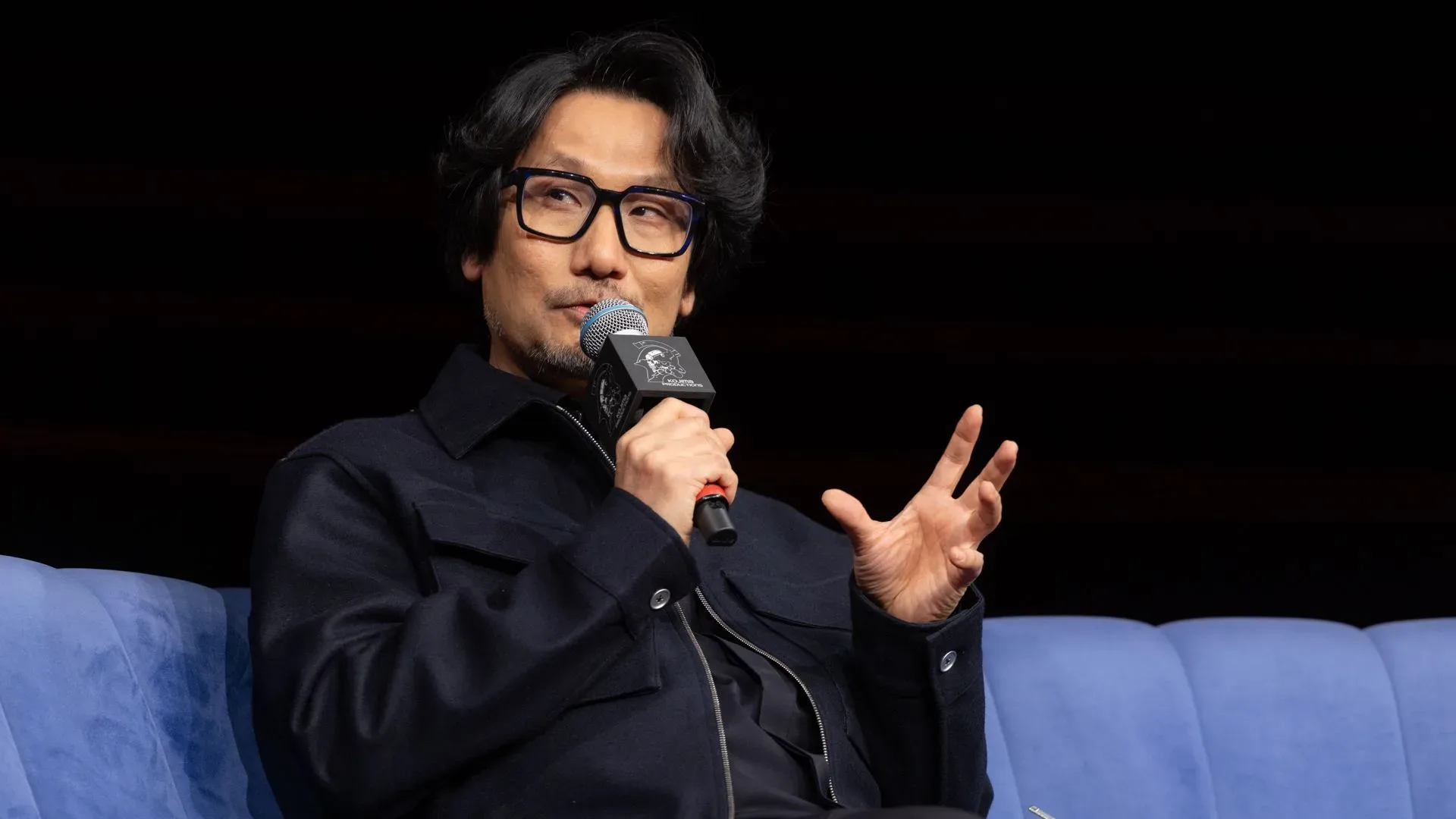
For another look at a filmmaker reflecting on an unusually early career breakthrough, see Hideo Kojima’s comments on Kane Parsons’ rapid rise.