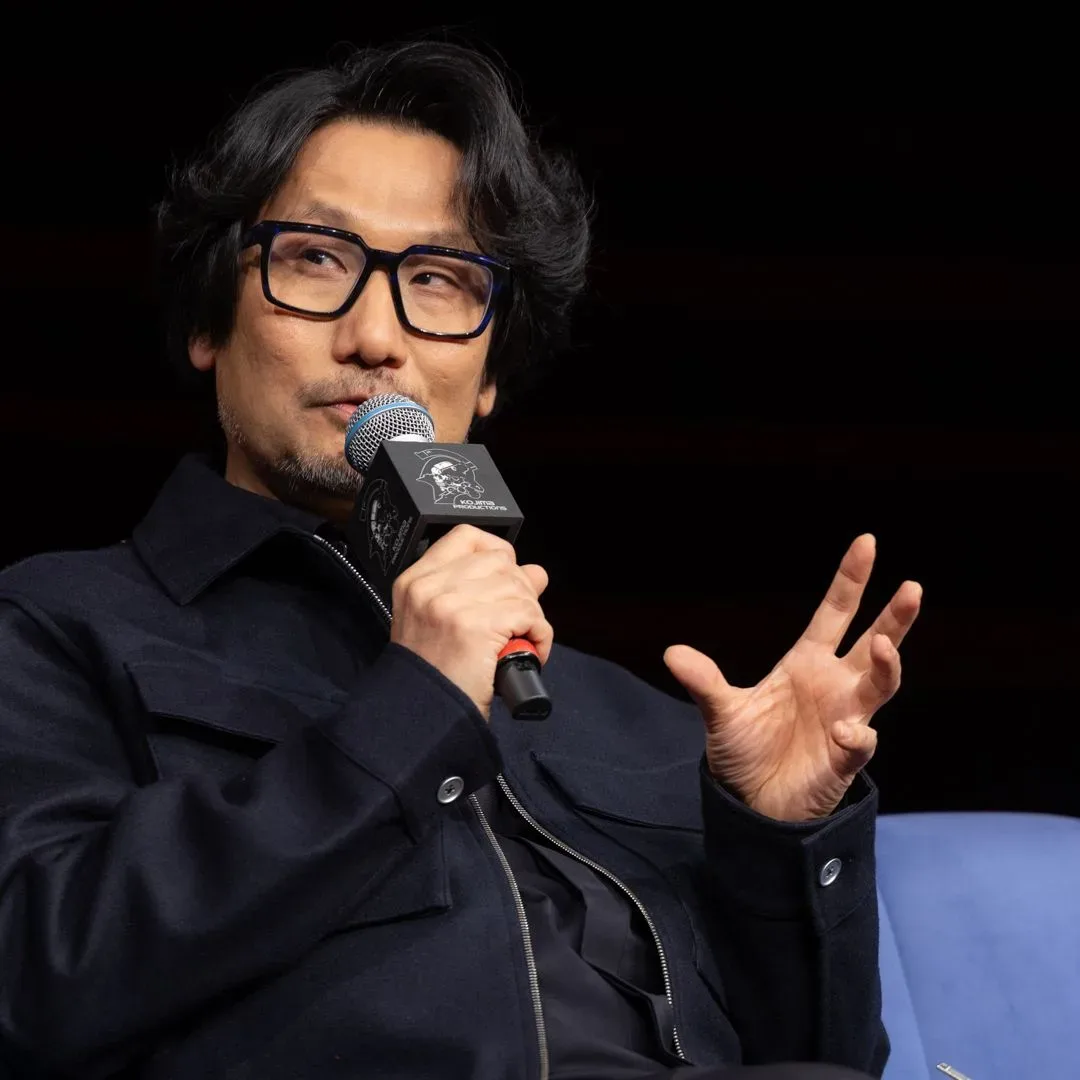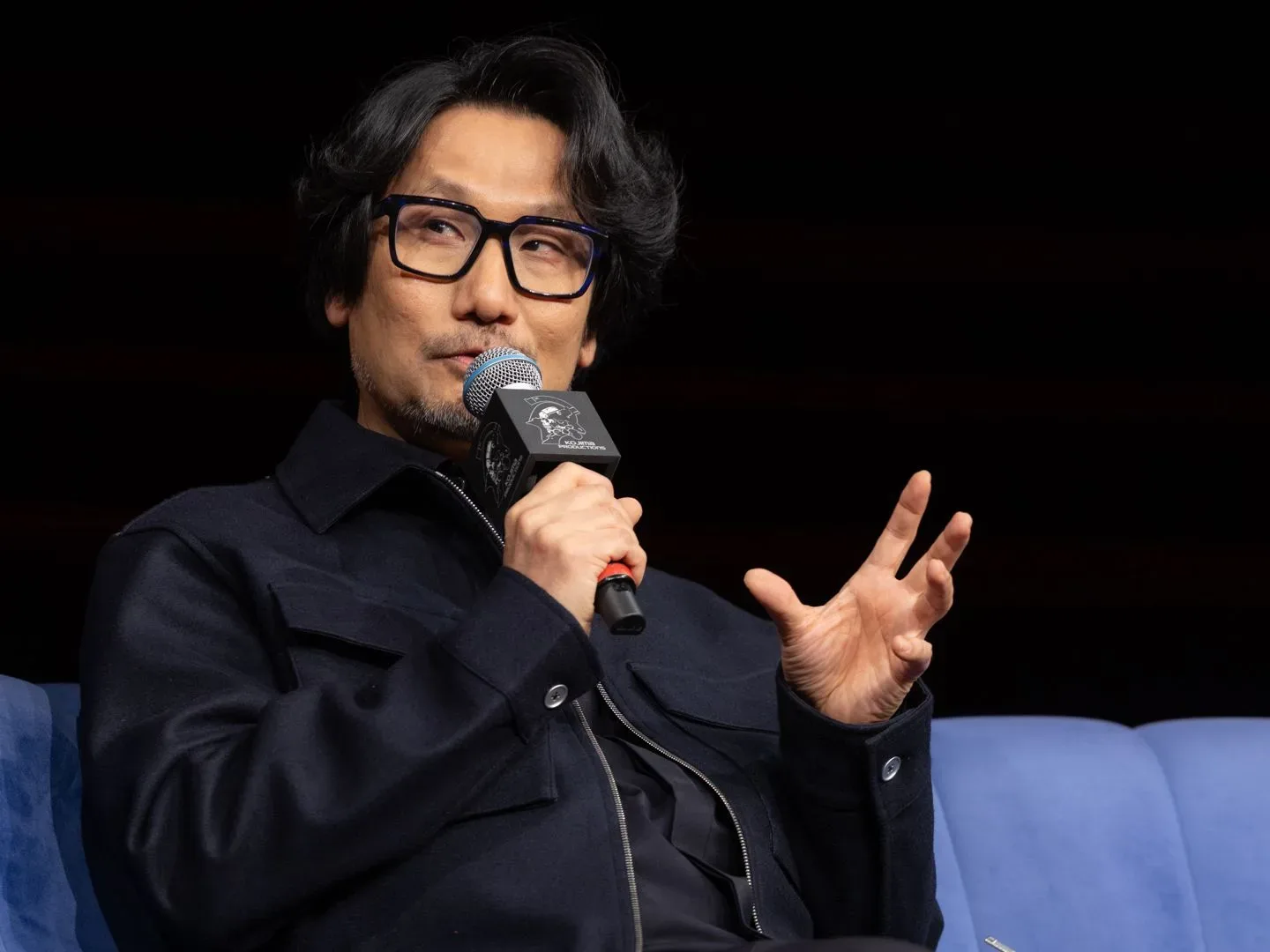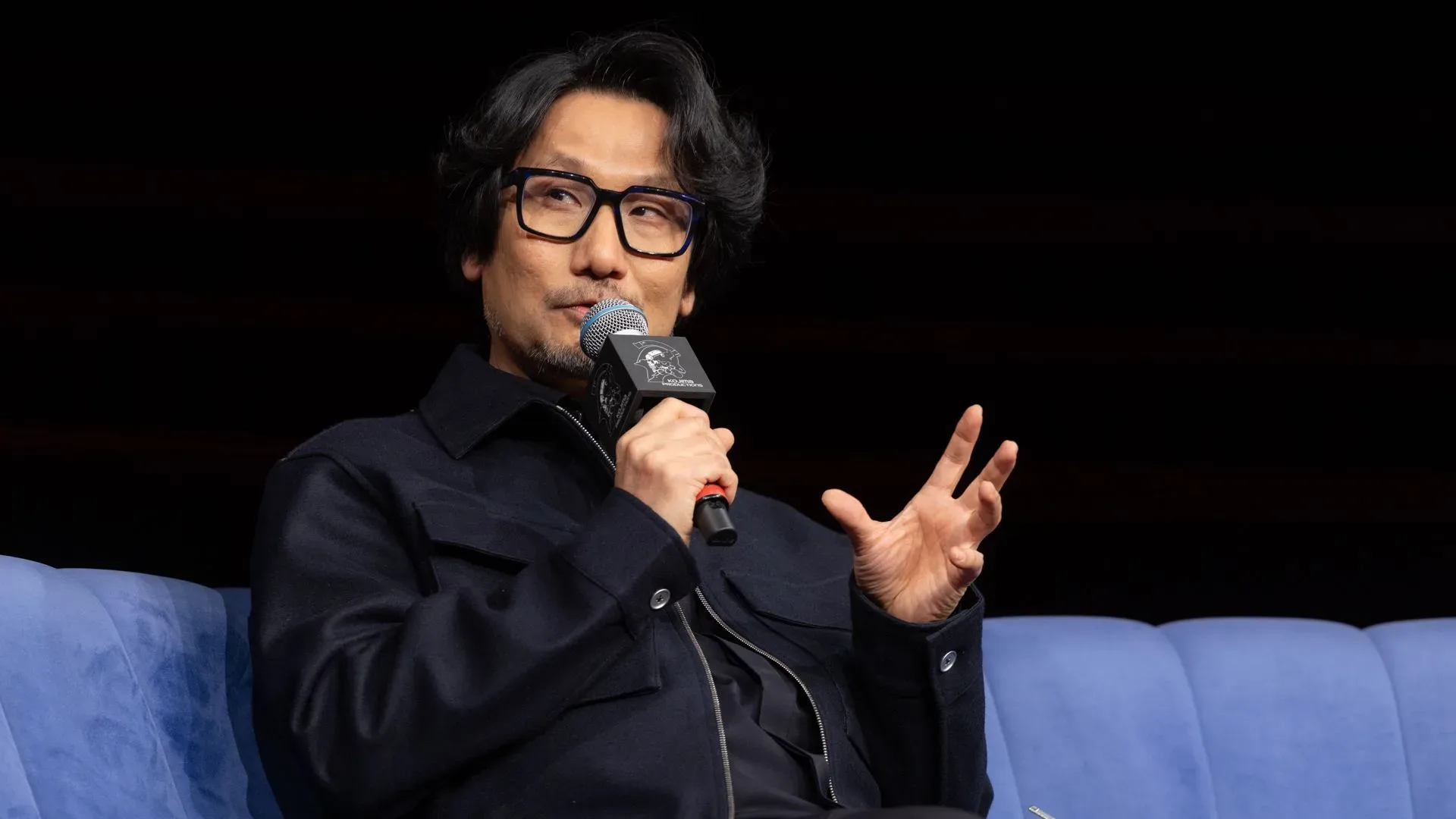
Hideo Kojima has offered an unusually personal comparison between his own early career and the rapid film breakthrough of Backrooms director Kane Parsons. Speaking at the movie’s Japanese premiere, the creator of Metal Gear and Death Stranding praised Parsons’ ability to carry a digital-native creative sensibility into a major analogue-film production—and admitted that he feels some envy over the director reaching that point at just 21.
The comparison is striking because Kojima himself began directing games at a young age. He made Metal Gear at 23, a formative achievement that helped establish one of games’ most influential stealth-action series. Parsons, meanwhile, directed Backrooms while 20 and has now arrived at a film premiere as a 21-year-old whose work grew from internet video into a theatrical feature.
For Kojima, the contrast is not about dismissing the work needed to reach either milestone. It is about how dramatically the routes into film have changed. The modern path visible in Parsons’ career moves through online creativity, audience discovery, a recognisable visual identity and a connection to a film studio. That infrastructure simply was not part of Kojima’s own early creative landscape.
A digital creator’s route to the big screen
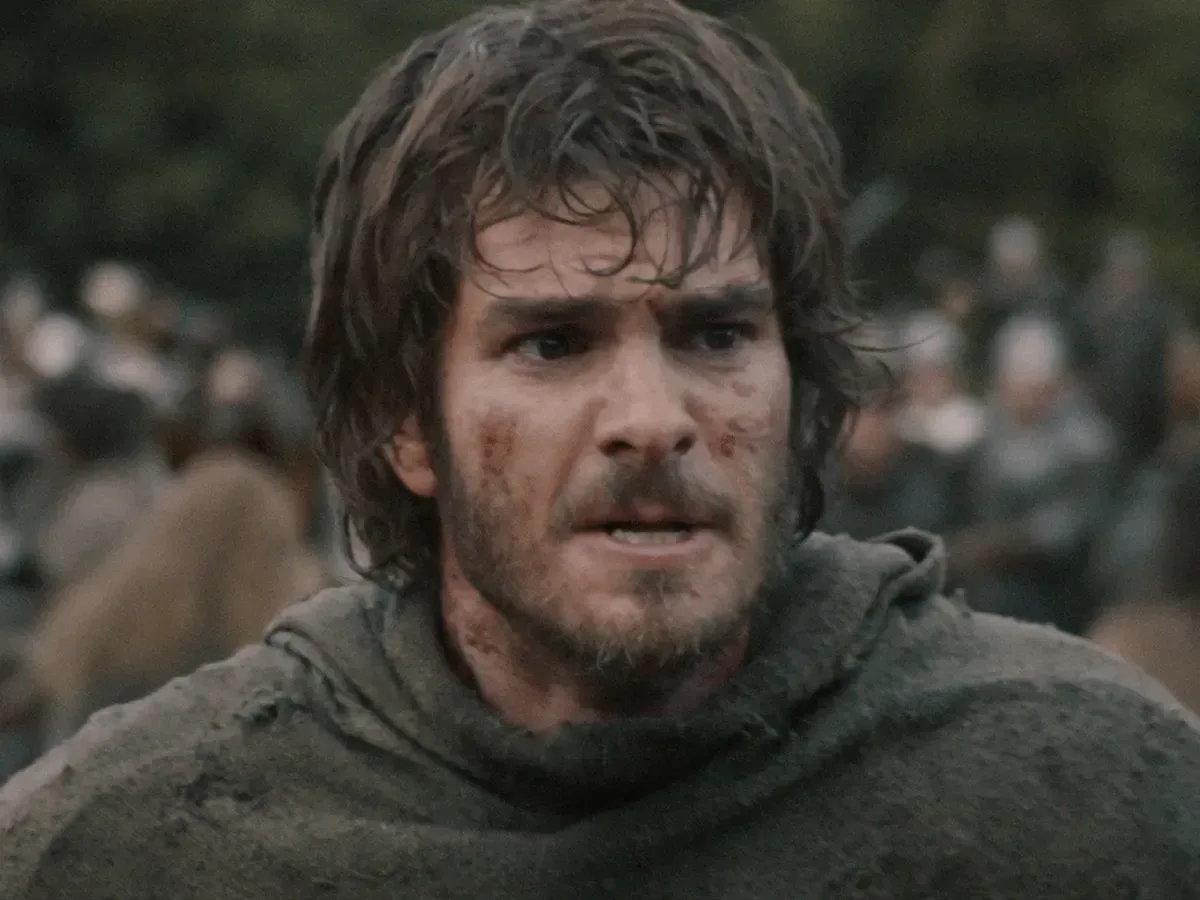
Parsons’ rise began with The Backrooms, a YouTube short that accumulated 93 million views. Before that, he made animated Attack on Titan fan films. Those projects put him in a distinctly internet-era creative pipeline: learn by making, publish directly, find an audience through circulation, and develop a concept with enough visual force to keep growing.
The Backrooms idea is particularly suited to that ecosystem. Its unsettling imagery and sense of impossible, anonymous interior space invite viewers to speculate, remix and imagine what might be beyond the next beige corridor. A short-form digital work can establish that sensation quickly. Turning it into a feature, however, asks for a different kind of control: sustaining tone, creating progression and building a film that can carry an audience beyond a single unnerving image.
Backrooms has evidently made that transition on a substantial scale. The film has been described as one of the major box-office successes of summer 2026, a season characterized as the biggest summer ever at the box office. Parsons also became the youngest director to have a debut film open at number one. Those milestones do not erase the years of online work before the feature; they make that early work more meaningful, showing how a self-started short can become the foundation for a far larger production.
That trajectory matters to games as much as it does to movies. Game creators have long used mods, prototypes, fan projects, game jams and freely shared demos as calling cards. Online video has created another route, one where filmmaking skills, digital effects knowledge, editing instincts and a clear command of atmosphere can be visible to a worldwide audience before a conventional industry gatekeeper enters the picture.
Kojima on the generation gap—and creative possibility
At the Japanese premiere, Kojima framed the age difference directly: Parsons is 21 and Kojima is 63. More importantly, he identified the value he sees in artists raised with digital tools who then bring that outlook to analogue film. In Kojima’s view, the result can be remarkable when digital sensibility is effectively transferred to film.
Related coverage includes Hideo Kojima Says He Is 'Envious' of Backrooms Director Kane Parsons' Early Film Breakthrough.
That observation fits Kojima’s own career. His games routinely occupy the space between cinematic presentation and interactive design, using extended scenes, unusual framing, music, performances and highly deliberate visual motifs. Yet his comments about Parsons are not simply a case of a game creator claiming film territory. They acknowledge that younger artists can have a fluency with digital images that comes from making and distributing work online from the beginning.
There is a practical dimension to that fluency, too. Digital-native filmmakers can build an audience before making a full feature, and the audience can understand a project’s visual language immediately. The success of a short does not guarantee that a feature will happen, much less that it will succeed, but it can demonstrate a creator’s command of an idea in public. A distinctive proof of concept can now travel at a speed that would have been hard to imagine when Kojima was beginning his career.
Kojima’s response when asked to relate Parsons’ ascent to his own was blunt and funny. He noted that he made Metal Gear at 23, but said A24 did not contact him until he was about 59. He added that he was honestly envious, observing that there was no A24 to call him when he was around 25.
“I made Metal Gear at 23 – but A24 didn’t get in touch with me until I was about 59. So it’s completely different, isn’t it?”
The remark captures two realities at once. Kojima was already making landmark work in games while young, so this is not a story of an artist who lacked an early opportunity. But the opportunity he is describing is specifically a route into the contemporary independent-film world. The bridges between games, online culture and film are wider now than they were decades ago.
Death Stranding’s film adaptation remains in development
Kojima’s relationship with A24 is not hypothetical. The studio is working with Kojima Productions on a film adaptation set in the Death Stranding universe. Michael Sarnoski, whose directing credits include Pig and A Quiet Place: Day One, is attached to direct.
There is still no confirmed release date for the Death Stranding film. That leaves plenty of major questions unanswered, including how closely the project may track the games, what elements of its world may be emphasized, and which performers may appear. At this stage, the confirmed creative connection is enough to make Kojima’s comments about A24 especially resonant: he is now collaborating with the company he wishes had existed in a comparable form earlier in his life.
It is also a reminder that a game adaptation does not need to be treated as a simple plot transfer. Death Stranding is built around an idiosyncratic world, themes of human connection and a deliberately singular audiovisual identity. Any film version will have to make choices about what that universe becomes in a non-interactive medium. Sarnoski’s involvement indicates that the adaptation has a director attached, but its final shape remains unconfirmed.
Cross-media projects are increasingly part of the conversation around games, from adaptations to collaborations that place film and television properties inside playable worlds. For a recent example of that wider intersection, Fortnite’s tie-in with The Uprising shows how game spaces can be used alongside a screen project rather than merely as separate promotional territory.
Games remain Kojima’s stated priority
Despite the attention surrounding film and his active work with A24, Kojima has indicated that he wants to remain focused on making games. That is a meaningful distinction. His involvement with a film adaptation does not signal a complete move away from the medium where he built his reputation.
For players, that focus may be the most important part of this moment. Kojima can appreciate Parsons’ remarkable early film opportunity, collaborate on a movie connected to Death Stranding, and still define games as his central creative pursuit. The film interest reflects how influential his work has become beyond consoles and PCs; it does not change the fact that interactivity is the foundation of his career.
Parsons’ accomplishment and Kojima’s reaction together outline a broader cultural shift. A creator can begin with fan animation, make a short that reaches tens of millions of people, and direct a number-one feature before turning 21. A veteran game designer who began directing at 23 can look at that path with admiration, humour and a little regret about the timing. Neither route is simple, but they reveal how quickly the borders between digital creation, games and cinema continue to move.