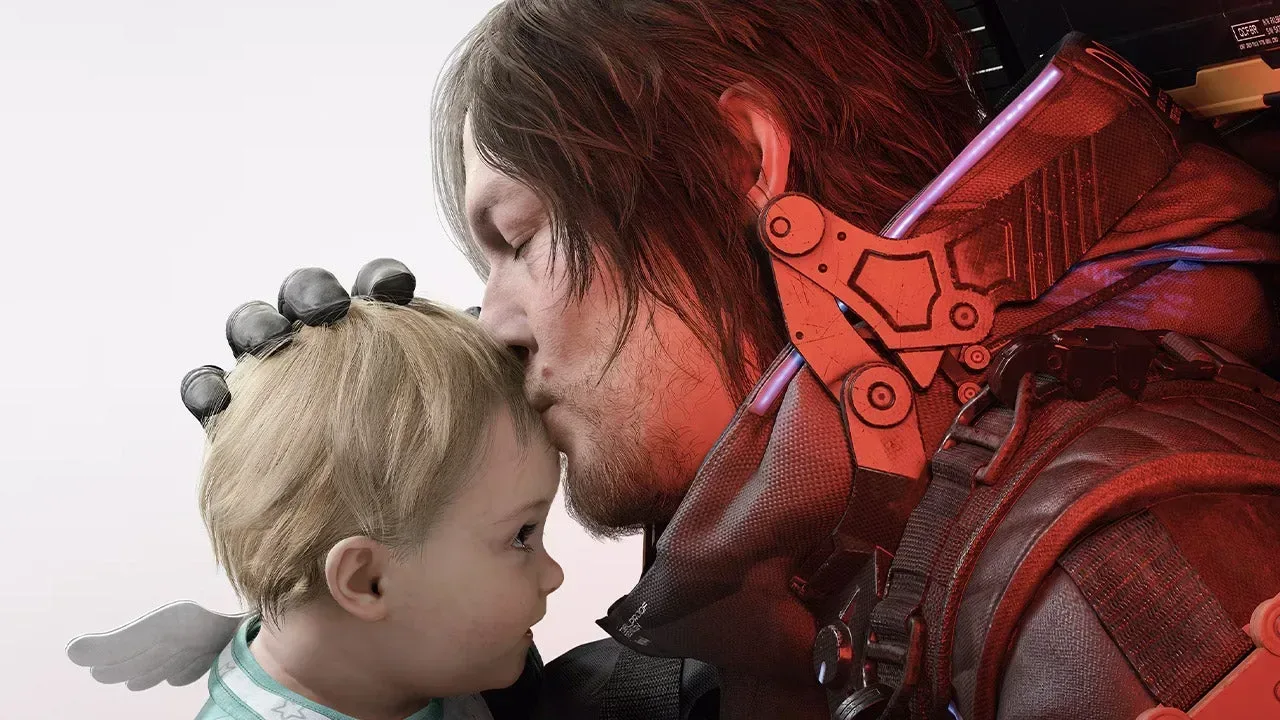
The Death Stranding film is taking a tangible step toward production. Director Michael Sarnoski and cinematographer Pat Scola have been scouting locations in Iceland, with images and video from the trip showing waterfalls, moss-covered terrain and broad open landscapes. No specific filming site has been confirmed, but the work is a meaningful indication that the adaptation’s visual planning is underway.
Sarnoski previously said the film is intended to shoot next year in Iceland and Northern Ireland. That timetable has not been accompanied by a release date, cast announcement or a start-of-principal-photography confirmation. Still, a location scout is one of the clearest public signs so far that the project is moving beyond its initial announcement phase and into practical preparation.
Why location scouting matters here
Location scouting is the process of evaluating real places for filming. It is not the same thing as confirming that cameras will roll at every site visited. A creative team may examine a landscape for its appearance, weather, access, safety, sound conditions, available daylight, the room needed for crew and equipment, and whether a location can support the desired scenes. A striking waterfall or a field of moss can be inspirational without ultimately becoming a set in the finished film.
That distinction is important in this case. The Iceland material shared by Sarnoski and Scola demonstrates the kind of terrain under consideration, rather than revealing a definitive sequence, plot point or destination from the movie. It does, however, align with the sparse, imposing and naturalistic visual identity associated with the game.
For a film based on a world so closely linked with traversal across dramatic terrain, real landscapes can do more than provide a handsome backdrop. They can establish scale, distance and isolation in-camera. A performer moving through a physical location responds to actual ground, wind, light and space; the camera can also capture details that are difficult to reduce to a single digital asset: uneven surfaces, shifting weather, mist, texture and the depth of a horizon.
That does not mean visual effects will be absent. Large-scale genre filmmaking frequently combines location work, constructed sets and computer-generated imagery. The meaningful point is more limited: the scouting trip suggests the production is considering real environments as a central part of its visual language rather than treating every exterior as a stage-bound or entirely digital problem.
Iceland and Northern Ireland fit the stated plan
The locations being explored are consistent with Sarnoski’s previously stated intention to shoot in Iceland and Northern Ireland. Iceland’s waterfalls and mossy expanses visible in the scouting material offer a strong visual match for the atmosphere that players may associate with Death Stranding. The footage is notably sunnier than the game’s frequently severe mood, but it still shows why the country could be attractive to a production seeking arresting, elemental scenery.
There is a useful caution for fans eager to decode every frame: visual resemblance is not a promise of direct recreation. The movie is not being positioned as a beat-for-beat transfer of the game’s existing story. It is being developed as a new, original story within the world of Death Stranding. That gives the filmmakers room to use the setting’s atmosphere and broader ideas without needing every location to correspond to a familiar in-game place.
Related coverage includes Death Stranding Film Scouting in Iceland Signals Production Is Moving Closer.
In adaptation terms, that is an important creative choice. A direct adaptation asks a film to compress, rearrange or reproduce a pre-existing plot. An original story set in the same universe instead prioritizes continuity of world and tone. It can introduce characters and conflicts that are designed around the demands of a feature-length film while preserving a connection to the property that audiences recognize.
It also explains why the scenic evidence is more informative about mood than narrative. Waterfalls, open ground and richly textured natural surroundings suggest a direction for the movie’s imagery. They do not establish who the protagonists are, what they want, or how closely the film’s events will touch those of the games.
A new cast is expected, but returning faces remain possible
The original-story approach means viewers should expect a new cast of characters. At the same time, Sarnoski has indicated that familiar figures from the games could potentially appear. At present, that possibility should be treated as just that: a possibility, not a confirmed list of returning performers or characters.
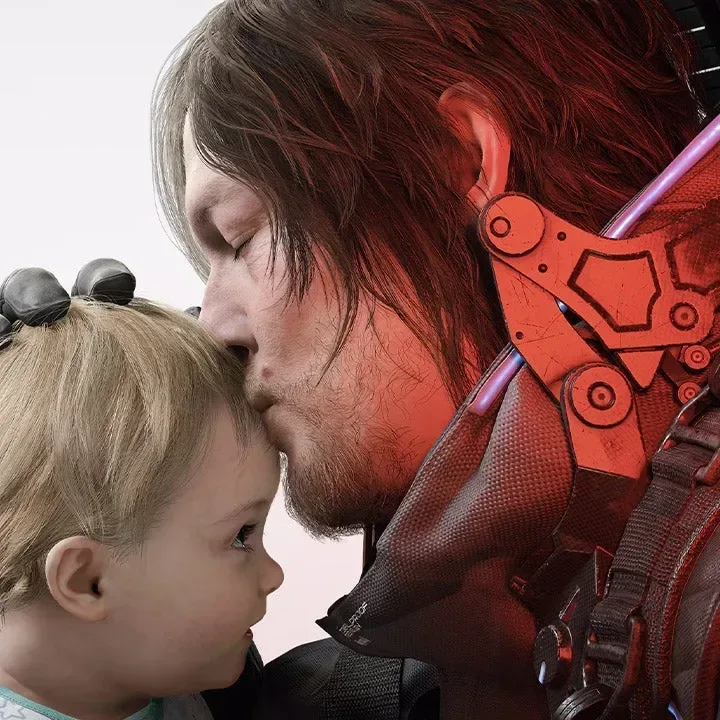
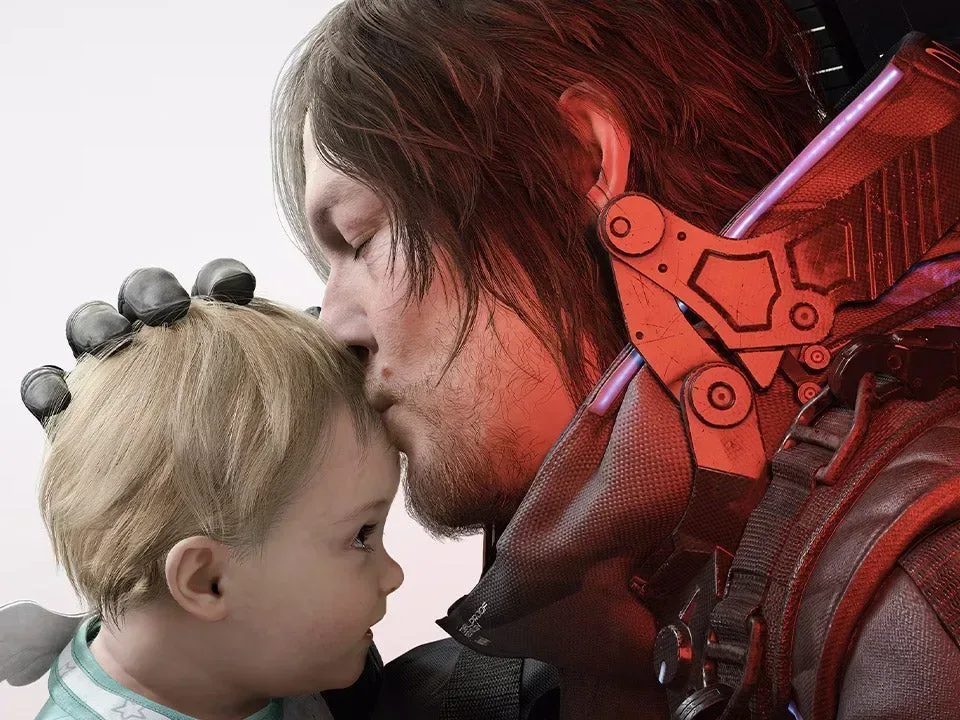
Norman Reedus, who plays Sam Porter Bridges in the games, has said he would be interested in returning for the film. His involvement has not been announced. There are likewise no confirmed casting details for the project, so it would be premature to assume either a cameo or a leading role for any performer associated with the games.
That uncertainty is especially relevant to an adaptation built around a new story. An appearance by an established character could serve as connective tissue, but the film does not need to depend on returning faces to establish its identity. The stated premise leaves room for the movie to build a cast suited to its own plot while maintaining a relationship with the wider setting.
Kojima’s involvement sets a key boundary
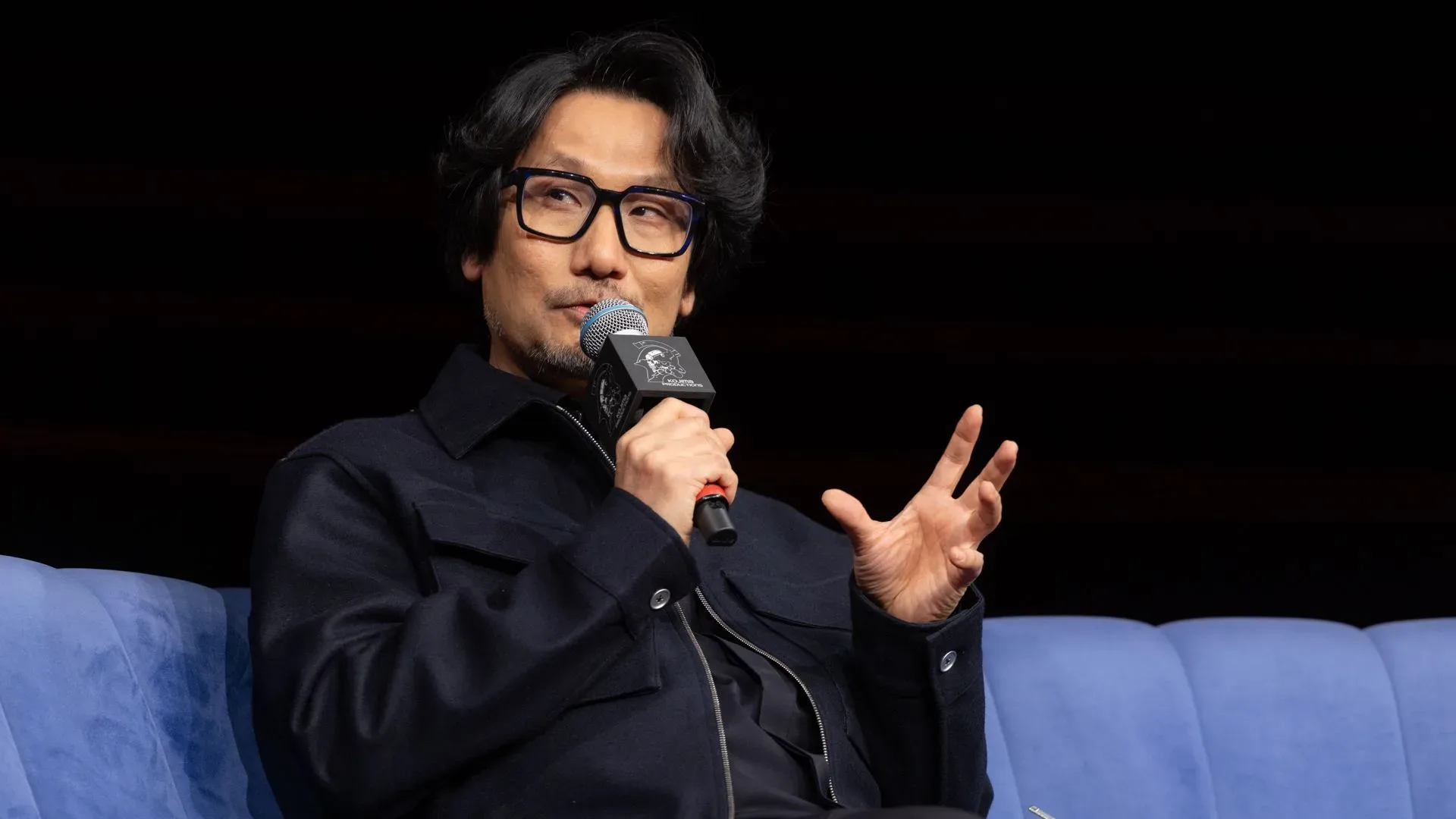
Series creator Hideo Kojima is involved in the film, which is being produced in conjunction with A24. That involvement gives the project a direct creative link to the game’s original creator while placing Sarnoski in the director’s chair. The distinction matters: Kojima’s participation supports continuity with the franchise, while the director is responsible for shaping the film as a motion-picture work.
The adaptation arrives while Kojima has expressed no interest in personally directing a third Death Stranding game, though he has said he would allow someone else to make one from a concept he created. In the meantime, the franchise is being extended through media beyond the games, including this film and an anime.
That broader approach makes the movie more than a simple attempt to replay a known story in another medium. It is part of an effort to expand the setting through distinct projects. For fans, the practical implication is that the film may add to the world without functioning as a substitute for an announced new game or as confirmation of a third game directed by Kojima.
It also puts the production in the wider conversation around game adaptations, where the central question is often not whether a film can reproduce every event, but whether it can translate a property’s identity into a different form. A feature film has less time than a game and different tools for pacing, perspective and character development. The choice to tell a fresh story may offer more flexibility than attempting a rigid retelling.
What the scout does—and does not—tell us about the schedule
The Iceland trip makes it reasonable to say the project appears to be progressing toward production, but it does not establish an exact filming date. Sarnoski’s previously stated plan was to shoot next year in Iceland and Northern Ireland. There is no announced premiere date, and no official cast has been revealed.
A 2028 release has been discussed as a possibility if shooting begins next year, but it remains speculative. A location scout cannot settle a film’s calendar by itself. Production schedules can change for many reasons, and the available information does not provide a locked date for filming, post-production or theatrical release.
For now, the firm takeaways are straightforward:
- Michael Sarnoski is directing the Death Stranding film.
- He and cinematographer Pat Scola have been scouting locations in Iceland.
- Sarnoski has said he plans to shoot next year in Iceland and Northern Ireland.
- The movie will tell an original story in the game’s world.
- Hideo Kojima is involved, and the project is being produced in conjunction with A24.
- Cast information and a release date have not been announced.
What to watch for next
The next substantial update would likely be a casting announcement, a formal production-start notice or clearer confirmation of the locations that survive the scouting stage. Until then, the Iceland images are best understood as early visual evidence rather than a trailer-like preview of finished scenes.
Even so, they are encouraging evidence for the film’s sense of place. The landscapes shown by Sarnoski and Scola have the vastness and tactile natural detail that could help a Death Stranding story feel grounded in a physical world. For an adaptation that needs to carry a distinctive game universe onto a cinema screen, that is a stronger signal than a generic promise of “faithfulness.”
As the project develops, it will also sit alongside a changing screen-business landscape, where new genre-film distribution efforts continue to emerge, as seen in this look at Cinema Machine and Graven Image. The immediate story for Death Stranding, though, is simpler: its filmmakers are out in the landscape, looking for a real-world foundation for a new journey.