The Academy Museum of Motion Pictures has set a wide-ranging winter 2026–27 calendar spanning restored classics, horror history, animation, Korean action cinema and hands-on education. The program begins in December and continues through February, with standalone spotlight events sitting alongside longer series such as Present Past 2026: A Celebration of Film Preservation, Dark Entries: The Birth of Horror Cinema and Shohei Imamura: Below the Horizon.
Among the central preservation events is a 4K restoration premiere of William Wyler’s Wuthering Heights (1939), presented as part of Present Past. A 4K restoration is a newly prepared version of a film intended for very high-resolution presentation; in this context, it places a 1939 feature within a contemporary museum program rather than treating film preservation as a purely archival exercise. The season also includes a live-orchestra screening of Kubo and the Two Strings (2016), an annual 3D-cember run, and guest-attended presentations of films including Blue Sky, Sing Sing, Cabin Fever and the two Veteran films.
A winter slate built around preservation and rediscovery
Present Past 2026 runs from December 3 through 21 and is explicitly devoted to film preservation. Its 4K Wuthering Heights premiere is the stated marquee restoration, while the wider slate gives audiences several ways to engage with how moving-image history is kept visible: a December 6 screening of The Family Oppenheim (Semya Oppenheim) (1938), a January celebration of the Mirisch Company, a late-February series dedicated to Shohei Imamura, and an archival program focused on Marilyn Monroe.
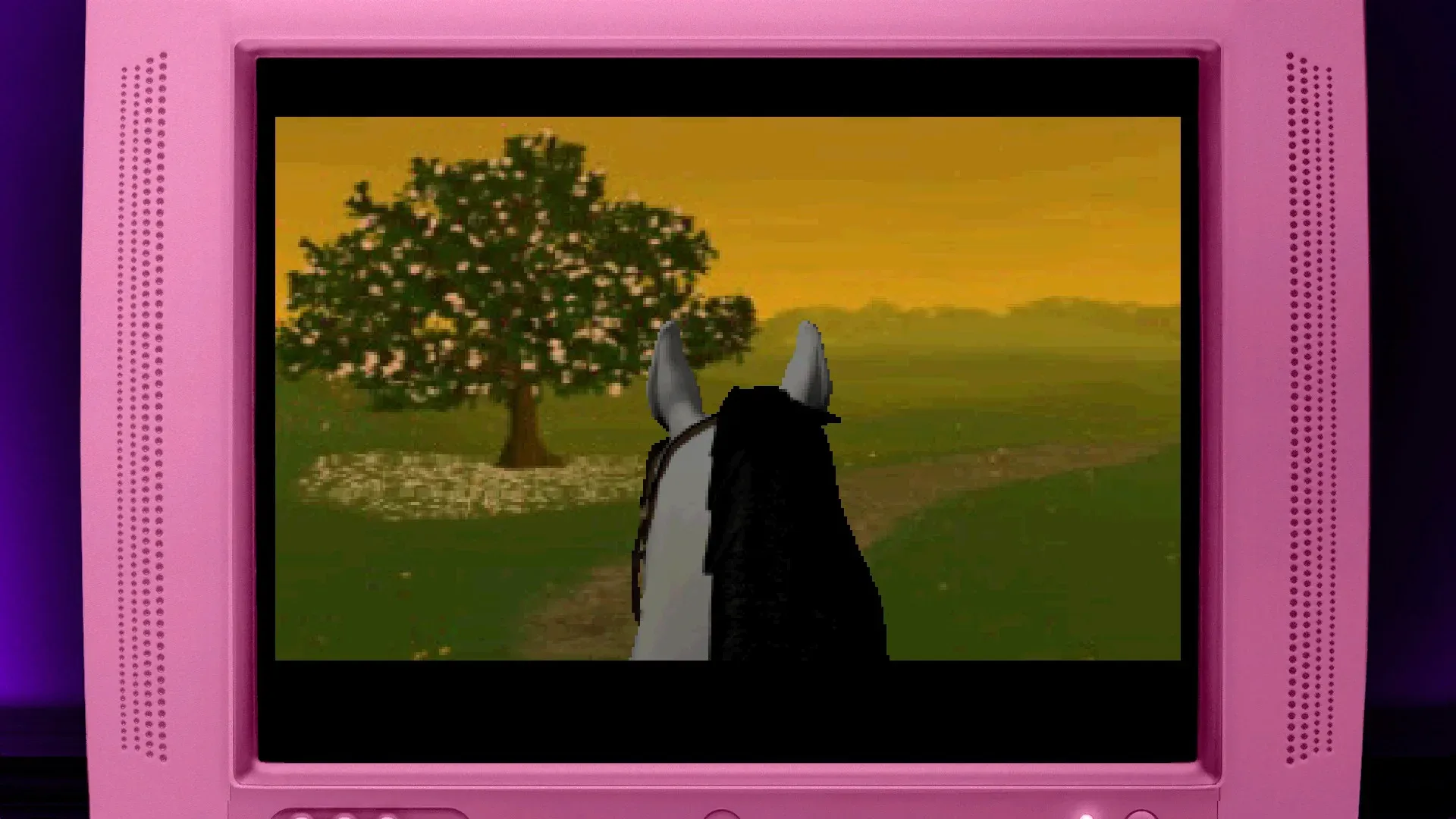
The word “preservation” can be easy to flatten into a catchall for old films. Here, the programming makes the term practical. A restoration premiere gives a historic work a fresh screening context, while an event such as “Archiving the Life of Marilyn Monroe” turns attention toward the materials and records around a star’s screen legacy. That is a useful distinction: preservation is not only about watching a title again, but also about maintaining the history needed to understand it. The same broader impulse has relevance well beyond film; as our look at Barbie Rewind and game preservation explores, access to older media can involve both the work itself and the context around it.
December’s preservation-oriented events are not limited to the 1930s. Blue Sky (1994) will be presented on December 5 with Jessica Lange, who won the Academy Award for best actress for her performance in the film. That same day, sound professional Karen Baker Landers leads “Inside Horror: Frightening Sounds,” a program whose title points toward a vital but often less visible side of screen craft: sound’s ability to establish atmosphere, threat and surprise.
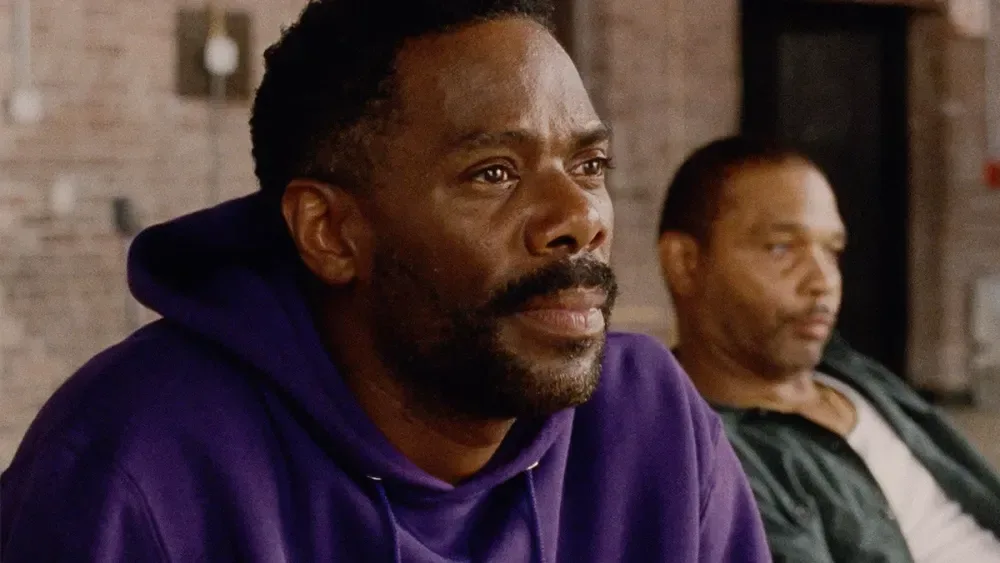
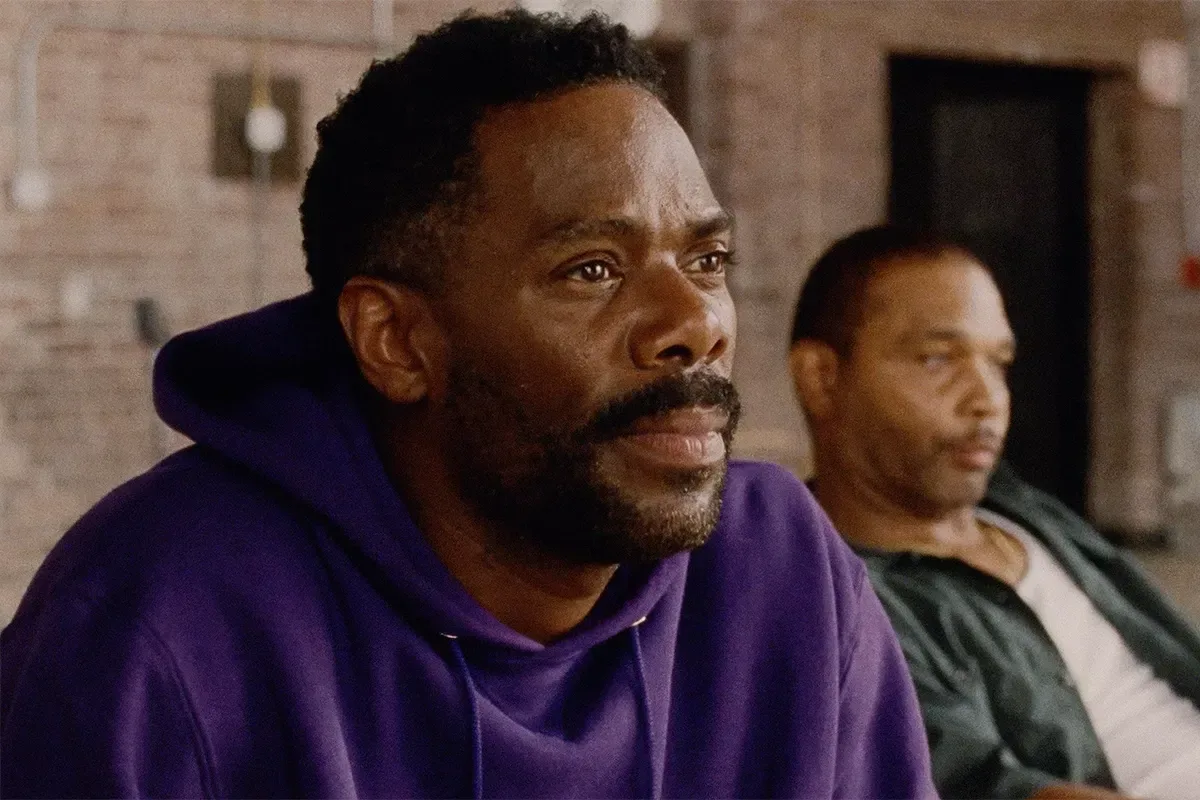
Colman Domingo and the Teen Council present Sing Sing
One of December’s major single-night events is “An Evening With Colman Domingo Featuring Sing Sing” on December 13. The 2024 film will be presented with the museum’s Teen Council, and Domingo will appear for the occasion. He received a best actor nomination for playing John “Divine G” Whitfield, an incarcerated man who finds purpose through a theater program at Sing Sing Correctional Facility.
Domingo has framed the return screening around the value of bringing unfamiliar stories and people to audiences, as well as the conversations the film can prompt. That framing matters for a Teen Council presentation in particular. The event is positioned as more than a celebrity introduction or a retrospective honor: it connects a current film, its subject matter and an audience-facing discussion setting. The supplied program does not detail the format of the evening beyond the screening and appearance, so attendees should not assume a particular Q&A structure or additional programming.
The December calendar also includes “In Focus: Choreographing Marilyn Monroe” on December 18. Together with the February gallery event on archiving Monroe’s life, the two programs suggest an approach that separates performance from documentation without treating either as secondary. Choreography concerns what appears on screen and how movement is constructed; archiving concerns the survival and organization of material that can help illuminate a career later.
Horror is a season-long conversation, not just a late-night slot
Horror has one of the clearest through-lines in the winter program. Dark Entries: The Birth of Horror Cinema runs from December 7 to February 26, while The House of Horror: Hammer Films 1955–1974 runs from January 15 through 30. The first series signals a historical lens on the genre’s beginnings. The Hammer program narrows that focus to a defined studio-and-era frame, giving visitors a second route into horror’s development.
Three “Inside Horror” events make the technical side of the genre explicit. “Frightening Sounds” with Karen Baker Landers arrives December 5; “Crafting Monsters” with Kevin Yagher is scheduled for January 16; and “Casting a Final Girl” with Terri Taylor takes place February 6. The phrase “final girl” is a horror term for the surviving female character who commonly confronts the threat near the end of a story. Its presence in the program signals that casting is being treated as part of how genre conventions take shape, alongside sound and creature creation.
February 6 also brings “In Focus: Black Horror Stories,” extending the horror strand beyond production technique and studio history. The program listing does not specify titles, speakers or a screening component, but its placement on a day already containing both the “Final Girl” event and the Veteran double feature makes it one of the busiest dates on the calendar.
The season’s horror spotlight is Cabin Fever, scheduled for January 23 with director Eli Roth. There is a small title-year discrepancy in the supplied announcement material: an opening reference calls it Cabin Fever (2002), while the detailed schedule and later screening description identify it as Cabin Fever (2003). The museum’s dated program entry uses 2003, so that is the year attached to the January 23 listing.
Music, 3D and action cinema broaden the screening experience
Kubo and the Two Strings will screen December 12 with a live orchestra. A live-orchestra presentation changes the relationship between audience and soundtrack: rather than hearing only the film’s standard recorded mix, viewers experience music performed in the room alongside the feature. The announcement identifies the accompaniment as a live orchestra but does not name the ensemble or provide further production details.
3D-cember returns from December 26 to 31. No individual films are listed for that series in the available program information. Its inclusion still establishes a year-end block devoted to 3D exhibition, distinct from the preservation, guest spotlight and horror strands elsewhere in the season. Audiences looking for particular titles or formats will need to rely on subsequent museum-specific details rather than infer a lineup from the series name alone.
On February 6, director Ryoo Seung-wan and actor Jung Hae-in are set to appear for a double feature pairing Veteran (2015) with Veteran 2: I, the Executioner (2024). Pairing the two films provides a direct opportunity to see a 2015 entry alongside its 2024 follow-up, with creative guests connected to the event. As with the rest of the slate, the announcement confirms their appearance but does not promise a specific discussion format.
Film-company, filmmaker and community-focused series
January 2 through 31 is reserved for Trust the Artists: A Celebration of the Mirisch Company. The schedule provides the series title and dates, but not individual film selections, so the meaningful takeaway is its company-focused structure. That differs from the auteur emphasis of Shohei Imamura: Below the Horizon, which runs February 18 through 28 and is organized around the filmmaker.
Another February program, Unapologetically So … Black Queer Women and Femmes on Screen, runs from February 4 through 15. Its title makes its curatorial focus clear, while the supplied schedule does not break out constituent films or speakers. The calendar therefore supports a concise expectation: it is a multi-day screen program centered on Black queer women and femmes, not a one-off panel to be conflated with the separately listed February 6 horror event.
Workshops move from watching films to making and discussing them
The winter offering also includes education programs for people interested in the work behind storytelling. On February 27, filmmaker and actor Carlos López Estrada will lead a Finding Your Story Workshop. López Estrada’s listed credits include Blindspotting and Raya and the Last Dragon. The workshop’s title suggests a focus on developing personal or creative narrative direction, though no curriculum, eligibility requirements or duration is specified in the available announcement.
On February 28, the museum will host “Tactile Filmmaking — Stop-Motion Animation Inspired by The Horror Show” as a drop-in workshop. “Stop-motion” refers to animation created by incrementally repositioning physical objects and photographing them frame by frame, so “tactile filmmaking” is an apt description of an activity built around material, hands-on image making. The listing confirms its drop-in format and inspiration, but does not identify the precise materials, capacity or age range.
Academy Museum winter 2026–27 dates at a glance
December
- December 3–21: Present Past 2026: A Celebration of Film Preservation
- December 5: Spotlight: Blue Sky (1994) with Jessica Lange
- December 5: Inside Horror: Frightening Sounds with Karen Baker Landers
- December 6: Spotlight: The Family Oppenheim (Semya Oppenheim) (1938)
- December 7–February 26: Dark Entries: The Birth of Horror Cinema
- December 12: Spotlight: Kubo and the Two Strings (2016) with live orchestra
- December 13: An Evening With Colman Domingo Featuring Sing Sing (2024)
- December 18: In Focus: Choreographing Marilyn Monroe
- December 26–31: 3D-cember
January
- January 2–31: Trust the Artists: A Celebration of the Mirisch Company
- January 15–30: The House of Horror: Hammer Films 1955–1974
- January 16: Inside Horror: Crafting Monsters with Kevin Yagher
- January 23: Spotlight: Cabin Fever (2003) with Eli Roth
February
- February 4–15: Unapologetically So … Black Queer Women and Femmes on Screen
- February 6: Spotlight: Veteran (2015) and Veteran 2: I, the Executioner (2024) with Ryoo Seung-wan and Jung Hae-in
- February 6: Inside Horror: Casting a Final Girl with Terri Taylor
- February 6: In Focus: Black Horror Stories
- February 18–28: Shohei Imamura: Below the Horizon
- February 26: Gallery Spotlight: Archiving the Life of Marilyn Monroe
- February 27: Finding Your Story Workshop with Carlos López Estrada
- February 28: Drop-In Workshop: Tactile Filmmaking — Stop-Motion Animation Inspired by The Horror Show
Tickets for museum members are listed as available beginning November 18, with public ticket sales beginning November 19. The announcement does not state ticket prices, seating rules or whether every event follows the same access arrangement, so prospective visitors should check the museum’s event details for the specific screening or workshop they plan to attend.