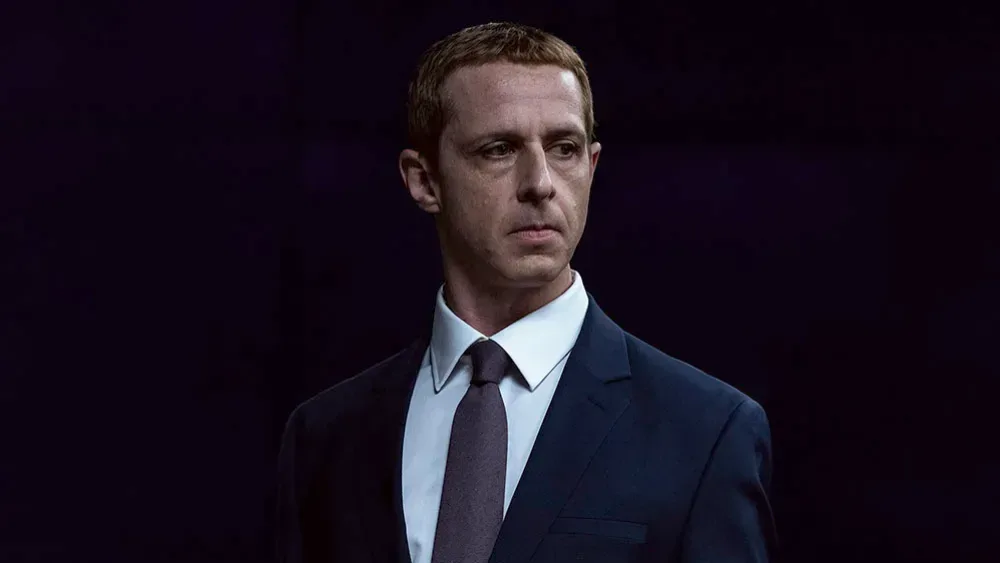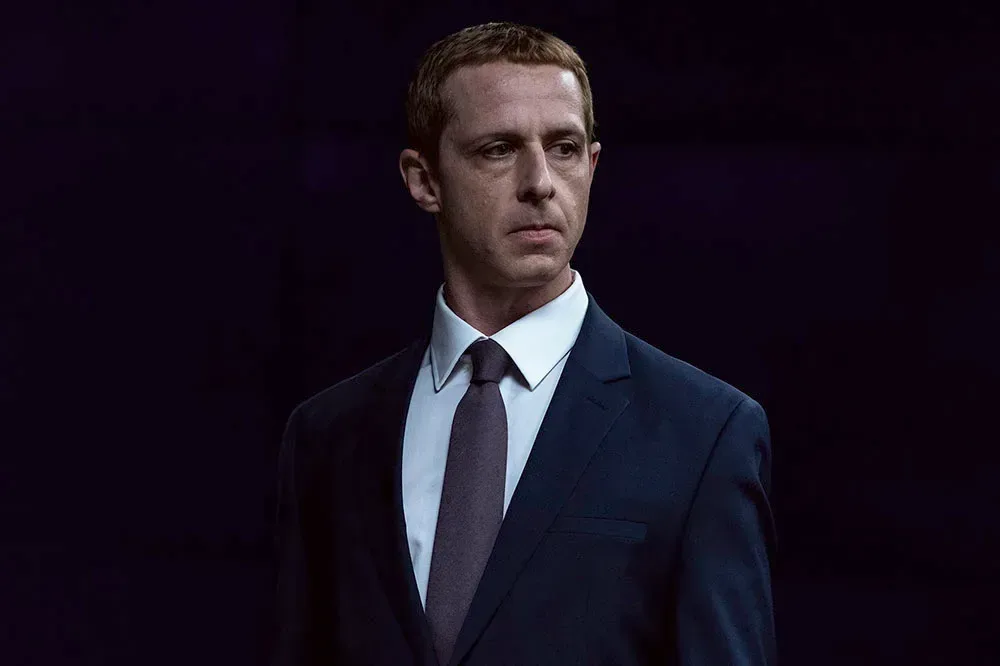
Aaron Sorkin has addressed three of the biggest points of speculation around The Social Reckoning: reshoots undertaken after its trailer arrived, the unusually controlled test-screening process, and the absence of Donald Trump’s name in a story that includes a recreation of January 6.
The writer-director’s central message is that the extra shooting was a refinement process, not an emergency repair. Sorkin said the production had three additional days to revisit two scenes after Sony Pictures chairman and CEO Tom Rothman asked whether there was anything he would like to shoot again. Although Sorkin initially joked that he would redo the entire film, he narrowed that down to a pair of scenes where he believed the movie could gain something.
That distinction matters because “reshoots” is often treated as a single ominous term in movie conversation. It can describe a production scrambling to solve a major problem, but it can also mean returning to material that already works and strengthening it with the benefit of time, editing, and a clearer sense of the whole picture. Sorkin puts The Social Reckoning firmly in the latter category.
Three days to improve two scenes
Sorkin rejected the suggestion that the added shoot was prompted by reactions to the trailer. He said the goal was simply to make the film better, rather than correct something fundamentally broken. The practical scope he described is also relatively specific: two scenes and three days of filming.
That does not tell audiences exactly what changed on screen, and Sorkin did not identify the scenes. But it does establish the stated rationale. The work came from an opportunity to add or revise, rather than from an instruction to reverse course after promotional response.
Reshoots can be easy to misread from outside a production. A trailer, a delayed release, or reports of extra filming may encourage people to connect events that occur near each other. Sorkin’s account draws a deliberate line between timing and cause: the shoot happened after the trailer, but he says it was not a reaction to the trailer.
There is also a useful production-side takeaway in Rothman’s involvement. The studio chief’s question was not presented as a demand for a wholesale replacement of the film. Instead, it opened a small window for Sorkin to identify material he wanted to enhance. That is a much narrower proposition than rebuilding a finished movie.
A follow-up centered on Facebook’s internal record
The Social Reckoning follows 2010’s The Social Network, but its story shifts to a later and more consequential chapter in Facebook’s history. Mikey Madison plays former Facebook engineer and whistleblower Frances Haugen. Jeremy Allen White plays Wall Street Journal reporter Jeff Horwitz.
Related coverage includes Aaron Sorkin Explains The Social Reckoning Reshoots and Trump’s Absence.
Their work leads to The Facebook Files, the 2021 investigative series based on internal company material. Those reports examined Facebook’s harmful effects on teenagers and its role in spreading misinformation, including material tied to political violence. The film’s premise therefore has a built-in tension: it is a drama about people, documents, journalism, and corporate decisions, while its subject matter intersects with some of the most polarized political events in the United States.
That framework is important when considering why a January 6 recreation can appear in the film without Trump being directly named. Sorkin says the omission was his own choice, not a studio instruction. He said he promised Rothman there would be no Trump signage and no “Make America Great Again” material.
The movie’s stated focus is Facebook’s role in the growth of divisiveness, extremism, and hyper-partisanship, rather than a red-versus-blue political story.
This is a choice of framing, not an attempt to pretend politics are absent. Sorkin acknowledged that the subject will inevitably be felt politically. The distinction he is making is between portraying an identifiable political figure and examining the platform, incentives, and circulation of information that form the film’s intended subject.
What leaving out a name can mean
In a fact-based drama, an omission can be as revealing as an inclusion. Here, Sorkin’s explanation suggests that he wants the narrative’s attention on the systems exposed by Haugen and reported on by Horwitz. In other words, January 6 functions as part of the consequence of a wider information environment rather than as a detour into a biographical account of one politician.
That approach will not make the subject feel neutral to every viewer, and Sorkin does not claim that it will. His point is more precise: the film is concerned with broad patterns of division and extremism, even where audiences may read those patterns through their own partisan lens.
For viewers, the practical implication is straightforward. Anyone expecting a drama organized around Trump as a character or symbol should calibrate those expectations. The film’s reported focus is the Facebook whistleblower story and the reporting that brought internal concerns into public view.
For a broader look at how public figures and entertainment narratives can be revisited years later, see our coverage of Christy Carlson Romano’s reflections on her difficult Even Stevens dynamic with Shia LaBeouf.
Legal review shaped at least one line
Sorkin also described a more granular change made during the process: an outside legal firm retained by Sony required the rewriting of a line attributed to a senior Facebook official. In the original version described by Sorkin, the official used a gendered insult when referring to a former employee. The legal concern was evidentiary. Unless the film could establish that a senior Facebook executive had actually used that language about a former employee, the line could not stay as written.
The expletive was removed. It is a small example, but it illustrates a crucial constraint on films rooted in recent, real events. Dramatic dialogue can efficiently communicate hostility, power, or contempt. Yet when that dialogue is put in the mouth of a recognizable corporate figure or a senior official, a production may need a factual foundation for the attribution.
Legal vetting does not necessarily dictate a movie’s overall argument. It does, however, affect the precision of particular claims, characterizations, and lines. In this case, the reported result was a narrower rewrite rather than a change to the film’s larger story about Facebook, whistleblowing, and the reporting behind The Facebook Files.
Why the test screenings are a limited signal
Sorkin said the studio was highly concerned about secrecy during test screenings. Each screening was held on the studio lot for 70 Sony employees. He openly noted that this does not create a strong polling sample.
A test screening is typically used to observe how viewers respond to a near-finished or unfinished cut, whether through reactions during the film, discussion afterward, or questionnaires. But the usefulness of those results depends heavily on who is in the room. A group drawn entirely from one company is not equivalent to a broad audience selected to represent varied moviegoers.
The arrangement described here has an obvious trade-off. Keeping the event on the lot and limiting it to employees can reduce the risk of plot details or footage escaping before release. At the same time, it makes the feedback less representative of the public. Sorkin’s own assessment recognizes that limitation rather than treating the screenings as a definitive measure of how audiences will respond.
That secrecy also helps explain why reports about testing should be handled cautiously. The available detail establishes that screenings happened under controlled conditions. It does not establish a comprehensive public-audience verdict, nor does it support assuming that any additional shooting was a response to a broad negative reaction.
What is actually known before release
- Release: The Social Reckoning is set for October 9.
- Story: The film follows Frances Haugen and Jeff Horwitz as Facebook’s internal workings are exposed through the events behind The Facebook Files.
- Reshoots: Sorkin says three days of additional filming addressed two scenes and were intended to improve the movie, not fix a crisis.
- Political depiction: January 6 is recreated, but Trump is not named or shown through associated signage; Sorkin says that was his decision.
- Legal revision: One insult attributed to a Facebook senior official was removed after legal review sought factual support for the wording.
- Testing: Screenings were limited to groups of 70 Sony employees on the studio lot because of secrecy concerns.
Until the film is released, the most responsible reading of these details is the one Sorkin has provided: an upcoming follow-up to The Social Network has been refined in a focused additional shoot, legally checked at the line level, and tested in a deliberately narrow setting. The larger creative decision is to make Facebook’s role in misinformation and polarization the center of the frame, even when the real-world events surrounding that subject invite viewers to look elsewhere.