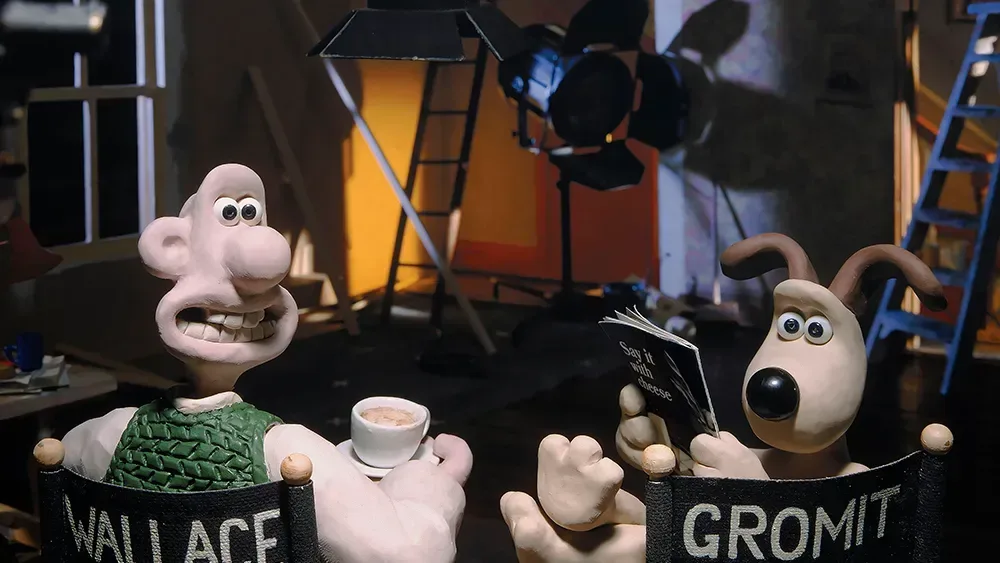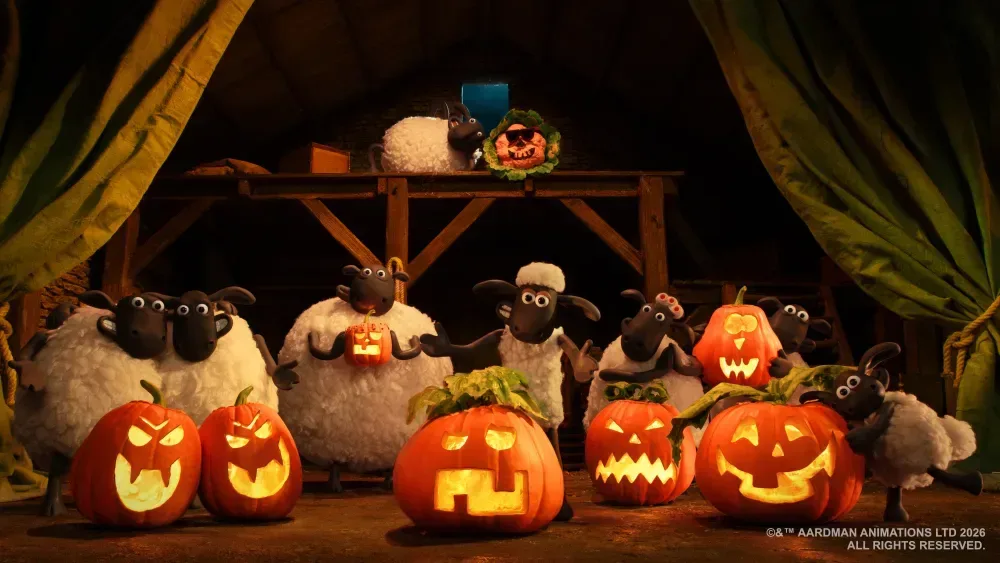
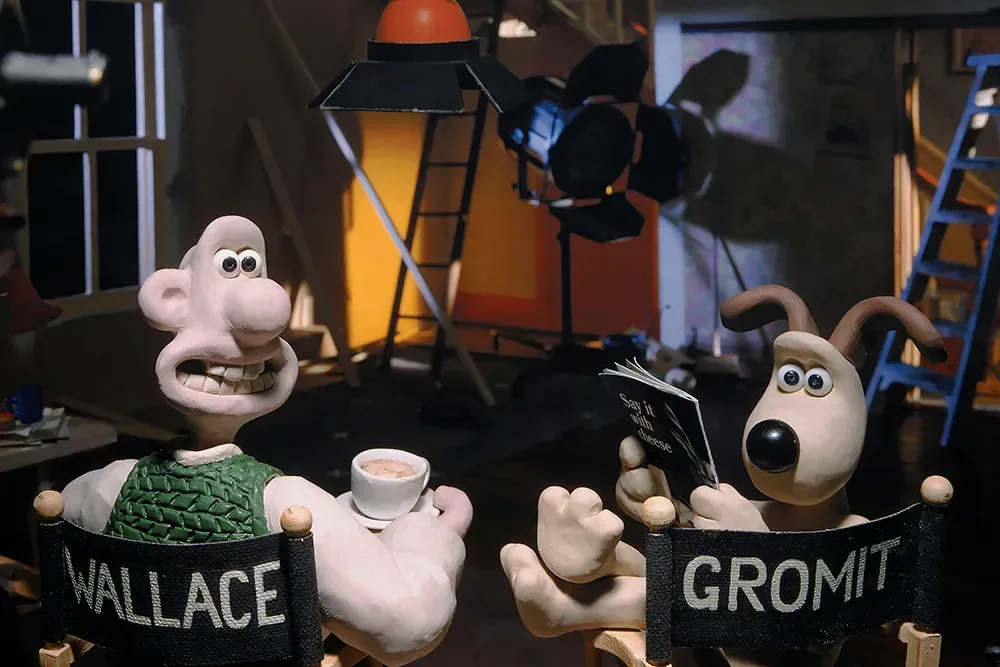
Aardman’s 50th anniversary is set to receive a substantial television celebration this Christmas. Cracking Job Gromit: Aardman at 50 has been commissioned for BBC One and BBC iPlayer, promising a look at the studio’s work from Morph’s first screen appearance in 1976 through to major favourites including Wallace & Gromit, Shaun the Sheep and Chicken Run.
The special’s title uses a very deliberate bit of Aardman-flavoured language, but its stated focus is broader than a clip show or a roll call of famous characters. It is intended to tell the story of the studio’s first half-century, combining newly made animation with previously unseen footage and rare archive material. Early sketches, character designs and development artwork are among the materials expected to feature.
That emphasis matters. The best-known Aardman characters are inseparable from their finished films and programmes, but the anniversary special is also positioned as a chance to look at the work and people behind them. For an animation studio built around a distinctive handmade screen identity, designs and development material can offer a different perspective from the final shot: not merely what audiences recognize, but how a character or project was being shaped before it reached the screen.
A landmark year begins with Morph
The documentary will mark 50 years since Morph first appeared on screens in 1976. That makes Morph more than an opening chapter in the programme’s timeline: the character is the anchor for a five-decade story that subsequently encompasses several generations of viewers and several of the studio’s most enduring creations.
For more context, explore Temmie Chang Completes Personal Pixel-RPG Trilogy With Of the World.
The announced range—from Morph to Wallace & Gromit, Shaun the Sheep and Chicken Run—also clarifies the scale of the project. This is not being framed solely around one franchise, even if Wallace and Gromit understandably supply the title’s “Gromit” half. Instead, the programme has been set up as a studio portrait, using recognisable characters as entry points into Aardman’s creative legacy.
For viewers, that should make the special accessible whether their strongest connection is with the earliest work, the eccentric inventor and his patient dog, the flock at Mossy Bottom Farm, or the feathered cast of Chicken Run. The shared thread is Aardman itself: the people, craft and character-led storytelling represented by those names.
What the archive material could add
Archive is one of the most promising elements in the announcement. The programme is expected to include rare early sketches, character designs and development artwork, alongside special unseen footage. These are not interchangeable terms, and each suggests a slightly different window on animation production.
- Early sketches can capture an initial visual idea before it is refined into a familiar form.
- Character designs are artwork used to establish how a character should look and read on screen.
- Development artwork refers to material produced while a project is being explored and shaped, before the audience sees a final version.
- Previously unseen footage points to moving-image material that has not previously been made public, though the announcement does not yet specify which productions or periods it covers.
There is value in keeping those distinctions clear. A polished final animation is made to communicate a finished story; a sketch or design can preserve uncertainty, experimentation and decisions that were later changed. The special has not revealed exactly what will be included, so it would be premature to assume particular abandoned concepts or behind-the-scenes discoveries. Still, the commitment to artwork and archive gives the documentary a potentially richer scope than a straightforward celebration of finished hits.
It also means the programme may be of interest beyond casual nostalgia. Fans of animation, design and screen craft often want to see the route from an idea to a recognised character. The announced material appears intended to foreground that route, while retaining the broad, family-friendly appeal associated with the studio’s characters.
New animation alongside the history
The documentary will not rely only on old material. New animations are also planned, although no details have been announced on their characters, format or role within the programme. That uncertainty is worth preserving: there is no indication yet that the new material constitutes a separate series, a new feature, or any wider return for a particular property.
What can be said is that fresh animation gives an anniversary documentary an opportunity to make its history feel active rather than purely archival. It can provide transitions, framing or an original creative response to the milestone. Whatever form it takes, it places Aardman’s past and present in the same programme rather than treating the 50th anniversary as a museum piece.
The result could be especially fitting for a studio whose legacy is being presented through characters that have continued to remain recognisable across a long stretch of screen history. A retrospective often asks audiences to remember why something mattered. New animation can instead show that a creative identity still has a current voice—without the documentary needing to become a conventional new instalment of any one franchise.
Fans and collaborators on the Aardman effect
The special will also include contributions from Lenny Henry, Romesh Ranganathan, Nick Mohammed, Amelia Dimoldenberg, Thandiwe Newton, Rob Brydon, Lauren Patel, Ben Whitehead and Jordan Stephens. They are described as fans and collaborators, a mix that should allow the documentary to approach Aardman’s influence from more than one angle.
That distinction is meaningful. A collaborator may be able to speak to working with the studio or participating in one of its productions. A fan can speak more directly to the lasting cultural connection made by characters and stories. The announced participants may have different relationships with Aardman’s work, and the programme has not specified the precise nature of every appearance. But their inclusion signals that the special will be looking outward as well as inward, considering why these creations have resonated with performers, comedians and audiences.
The BBC has described the programme as a festive treat for viewers of all ages and highlighted its access, archive and much-loved characters. Mitre Studios, which is producing the film, has likewise emphasized both the familiar icons and the craft and people behind them. Taken together, those descriptions suggest an anniversary programme aiming to balance broad entertainment with a genuine account of the studio’s creative process.
A Christmas slot that suits a family landmark
Christmas is a natural home for a documentary built around a studio whose best-known work crosses age groups. The scheduling gives families a shared viewing option while also giving long-time followers an occasion to revisit the characters that have followed them across different periods of life. The precise broadcast date and time have not been announced.
Its BBC One and BBC iPlayer commission also provides two ways to watch within the BBC’s own television and streaming services. That is all the distribution information currently confirmed; no further territories or release arrangements have been detailed. Viewers should therefore treat the Christmas window as the firmest schedule information so far rather than an exact appointment.
The project is directed by Yemi Bamiro and produced by Samora Tikly, with Storm Stewart as line producer. Ed Sleeman and Jack Shillaker are executive producers for Mitre Studios. The BBC commission is credited to Jasmyn McGuile and Michael Jochnowitz.
Why this is more than an anniversary reel
Fifty years is a large enough milestone to invite a simple parade of beloved moments. Cracking Job Gromit: Aardman at 50 has the ingredients for that kind of celebration, certainly: its title, planned Christmas transmission and line-up of famous contributors all point toward warmth and accessibility. Yet the archive and development focus gives it a second purpose.
By including designs, sketches and special footage, the programme has an opportunity to make the studio’s creative labour visible without losing sight of the characters audiences actually know. That is a useful balance for any documentary about animation. Finished work often makes craft look effortless; production material can remind viewers that screen icons begin as choices, revisions and work in progress.
There is still much to learn, including the final broadcast date, the specific archival discoveries and what the new animation will involve. But the announced shape is clear: a Christmas documentary that will use 50 years of Aardman history to celebrate Morph, Wallace and Gromit, Shaun the Sheep, Chicken Run and the artistic teams behind them.
For more on the confirmed Christmas plan, the documentary’s BBC schedule announcement provides the currently available overview.