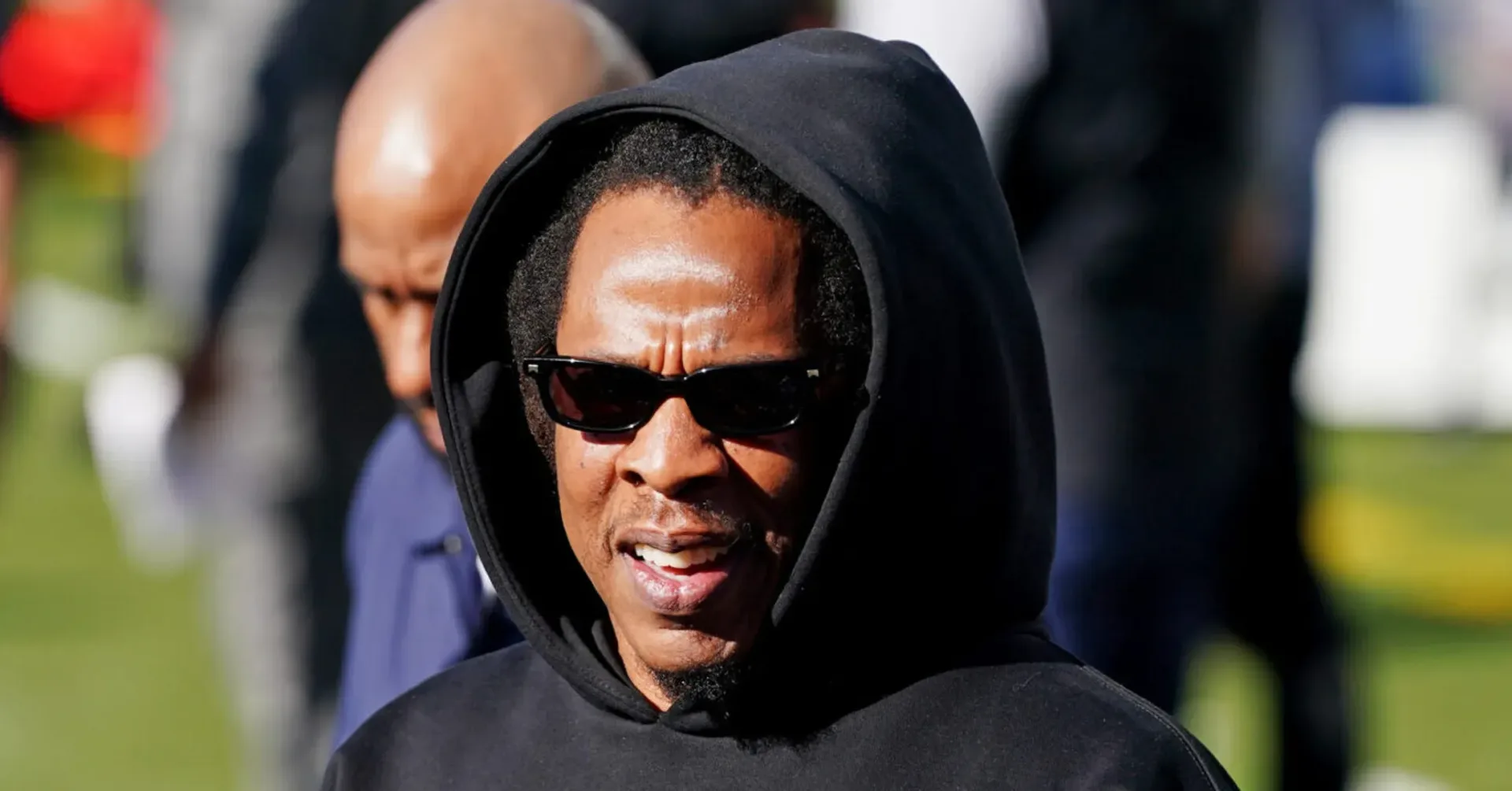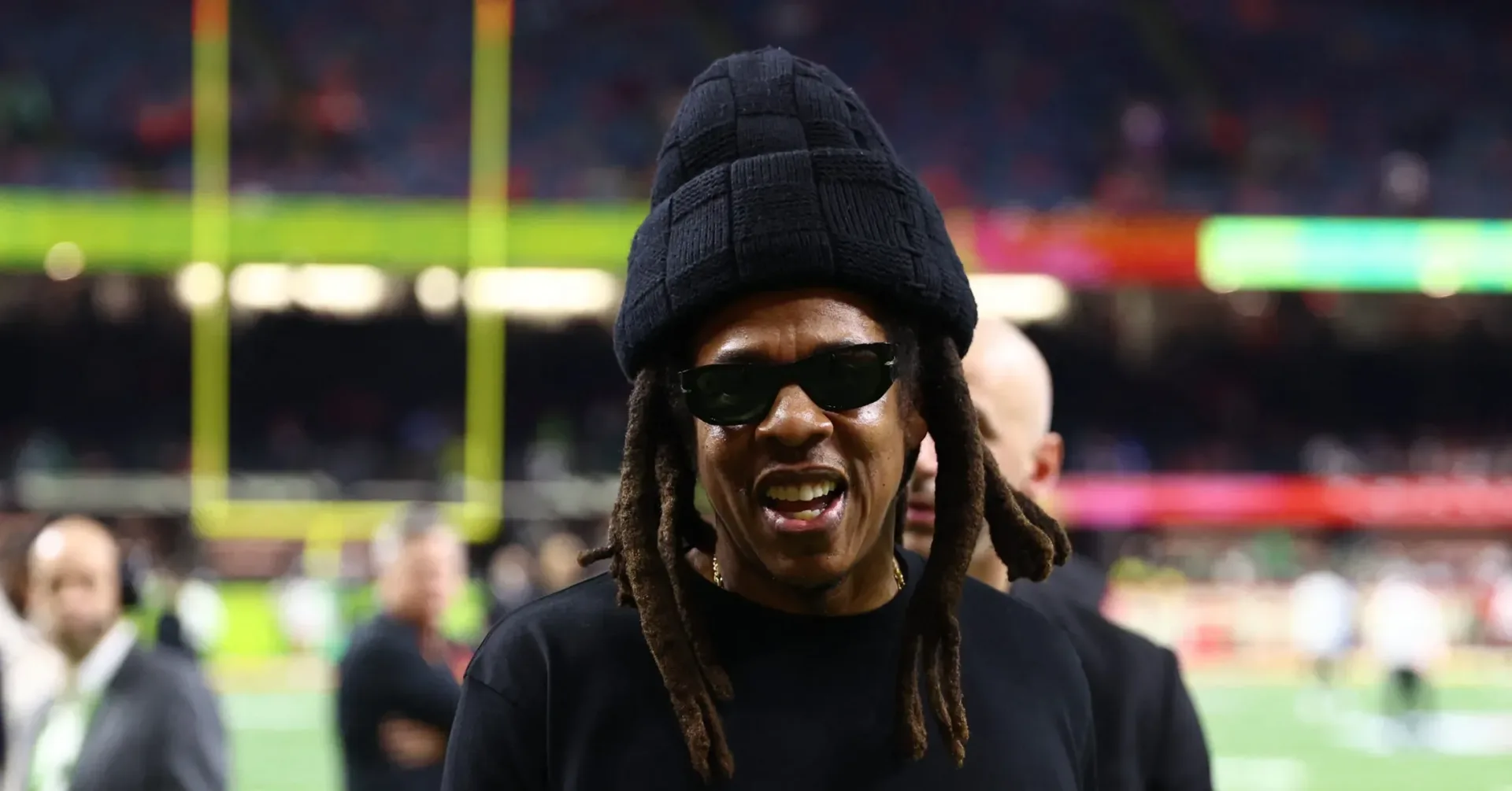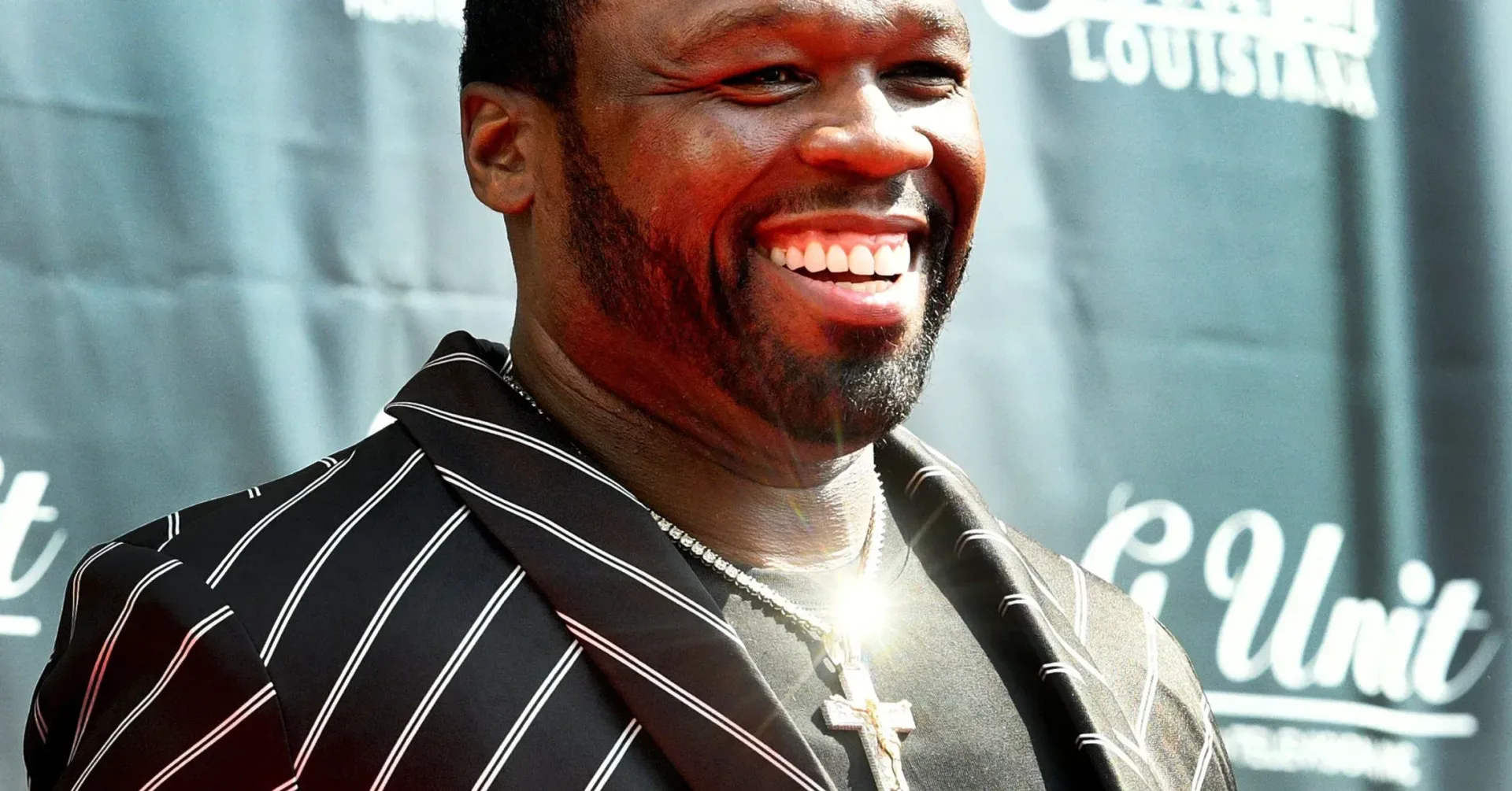
50 Cent has reopened one of hip-hop’s most famous release-week rivalries, returning to the September 11, 2007 clash between his Curtis album and Kanye West’s Graduation. Speaking during an interview that also touched on his upcoming Street Fighter film, the rapper framed the old contest less as a clean audience verdict and more as a battle shaped by label power, marketing and Jay-Z’s position at Def Jam.
His central claim is blunt: Jay-Z’s leadership at Def Jam helped put the promotional weight behind Graduation, to the detriment of Curtis. 50 Cent has also argued that Jay-Z was never, in his view, the biggest rapper in the world, and suggested his own ascent helped push Jay-Z toward an executive role during the mid-2000s.
Those are 50 Cent’s interpretations of an era-defining commercial contest, not independently established explanations for the outcome. But they are revealing because they shift the familiar story. The long-running shorthand has been that Kanye West’s win marked a major change in hip-hop’s mainstream center: a supposedly “nerdy” and stylistically different artist prevailed in a public showdown with a star closely associated with street rap. In 50 Cent’s retelling, that cultural narrative leaves out the business infrastructure behind the releases.
A rivalry deliberately turned into a public test
Graduation and Curtis arrived on the same day, September 11, 2007. West’s album had originally been scheduled for a week later, before its date was moved up to create a direct contest. That decision made the matchup much larger than a routine release calendar collision. It gave fans, commentators and the artists themselves a simple scoreboard: whichever album sold more would be treated as the winner.
50 Cent made the stakes even clearer by saying he would quit rapping if West sold more copies. The wager was not ultimately honored—50 Cent did not stop recording—but it helped turn first-week sales into the event’s central drama. In an era when physical and digital purchases were a highly visible measure of momentum, the opening-week total carried exceptional symbolic force.
West won that immediate numbers battle. Graduation moved 957,000 units, while Curtis sold 691,000. Both figures signal enormous interest, and describing Curtis as a commercial nonentity would plainly miss the scale of its debut. Yet a head-to-head contest is designed to flatten that kind of context. Once the albums were presented as competing sides, a difference of 266,000 units became a verdict rather than merely a comparison.
That is why the event still has such a hold on hip-hop memory. It joined sales, persona, genre expectations and celebrity competition into one unusually legible moment. West’s win was widely understood at the time as a statement that there was room at the top of rap for an artist whose public image did not fit the established street-rap archetype represented in the matchup.
50 Cent’s argument is about promotion, not just taste
Years later, 50 Cent is contesting the idea that the sales result can be explained solely as a change in fan taste. He alleges that Jay-Z deployed Def Jam’s full budget in support of Graduation. This is an important distinction in the way he tells the story: he is not merely saying West made a strong album or found a receptive audience. He is arguing that the playing field itself was altered by a major label’s promotional choices.
Related coverage includes 50 Cent Revisits ‘Graduation’ vs. ‘Curtis’ and Blames Jay-Z’s Role at Def Jam.
In music-business terms, a marketing campaign can encompass advertising, retail visibility, publicity and other efforts intended to keep an album in front of potential listeners and buyers. 50 Cent’s claim places those mechanisms at the center of the contest. It is a claim about influence within a label system, rather than a measurable breakdown of a campaign’s spending or its direct effect on every sale; no such budget details were provided in the interview material.
That limitation matters. Album sales have many possible inputs, including each artist’s audience, the timing and framing of a release, public discussion, singles, press attention and retailer support. The reported totals establish who sold more in that first-week race. They do not, by themselves, identify a single reason why. 50 Cent nevertheless remains emphatic that Jay-Z was, in his words and perspective, the “judge, jury, and executioner” of the encounter.
Jay-Z’s Def Jam years sit at the center of the allegation
Jay-Z served as president of Def Jam from 2004 through 2007. 50 Cent points to that executive appointment as evidence for a broader argument about status and momentum in the mid-2000s. He contends that Jay-Z would not have moved into that role without 50 Cent’s rise, characterizing the executive transition as a retreat rather than simply another chapter in Jay-Z’s career.
Again, that is an adversarial reading from one artist who has long operated comfortably in the language of competition. The underlying timeline is clear: Jay-Z held the presidency during the period in question, including the year of the Graduation-Curtis release battle. What 50 Cent is adding now is a personal theory of cause and responsibility. He casts Jay-Z not as a detached executive but as an active actor whose institutional influence mattered at a pivotal moment for both records.
The interview’s broader exchange also shows that 50 Cent’s view of Jay-Z is not presented as a straightforward personal feud. He was asked whether he would object to Eminem working with Ja Rule, a scenario he dismissed as implausible because he does not believe Eminem would collaborate with a direct opponent of his. 50 Cent added that an Eminem and Jay-Z collaboration would not bother him. That answer could have suggested a relaxed stance toward Jay-Z, but 50 Cent immediately separated personal tolerance from his larger criticisms of Jay-Z’s stature and role in 2007.
In other words, the dispute he is airing is not simply “would these artists work together?” It is about legacy, competitive rank and who gets credit—or blame—for a famous turning point.
Why the 2007 matchup still matters
The original battle was unusually theatrical because neither side allowed it to remain implicit. West moved his release date to meet 50 Cent directly, and 50 Cent’s pledge to retire if defeated ensured the comparison would be repeated everywhere the albums were discussed. The framing invited people to treat the pair as opposing futures for rap, despite the fact that the two artists’ careers and audiences could not be reduced to a single week of sales.
That framing has endured precisely because it is so neat. Graduation winning with 957,000 units became shorthand for an audience embracing an alternative to the image of rap dominance that 50 Cent represented. Meanwhile, Curtis became linked to the loss even though 691,000 units remains a substantial total. The public story of the showdown made relative performance more memorable than absolute scale.
50 Cent’s latest comments add a less tidy but useful question: how much can any release-week “referendum” tell us without accounting for the organizations surrounding the artists? His answer is unequivocal—he believes Jay-Z’s Def Jam role was decisive. The evidence provided supports that this was his position and confirms the release dates, leadership period and sales totals at the heart of his argument. It does not settle the broader causal claim.
For listeners revisiting the moment, that distinction is worth preserving. The sales race happened, West won it, and the outcome had an outsized effect on how the period was narrated. But the meaning of that outcome remains contested, especially by the artist who lost the race and now sees label strategy as part of the story.
The practical legacy of a headline-sized sales race
The Graduation versus Curtis matchup demonstrates why public rivalries can become bigger than the music alone. A same-day release can concentrate attention and give audiences an easy narrative, but it can also encourage overly absolute conclusions: winner versus loser, old style versus new style, career ascendant versus career finished. In reality, 50 Cent continued rapping after the bet, and the supplied figures show that both albums commanded major opening-week demand.
It also underscores why executive and label roles attract scrutiny whenever a release becomes culturally consequential. A label president’s perceived loyalties, promotional decisions and visibility can all become part of the conversation, whether or not those details are publicly documented. 50 Cent’s accusation is likely to keep the focus on Jay-Z’s Def Jam tenure whenever the 2007 competition is revisited.
Music’s current distribution and discovery landscape is different from the one in which this battle took place, and questions about how work is presented to audiences remain just as relevant. For a more current industry example, see Joking Joystick’s coverage of YouTube’s rollout of AI-generated music labels. The underlying lesson is not that every popularity metric is meaningless; it is that numbers gain their cultural meaning through the circumstances and narratives built around them.
For 50 Cent, those circumstances have never been settled. Nearly two decades after Graduation and Curtis shared a release date, he still regards the contest as something more than Kanye West outselling him. He sees it as a campaign in which Jay-Z’s executive authority made the difference—and as a chapter that continues to shape arguments about power, promotion and rap history.