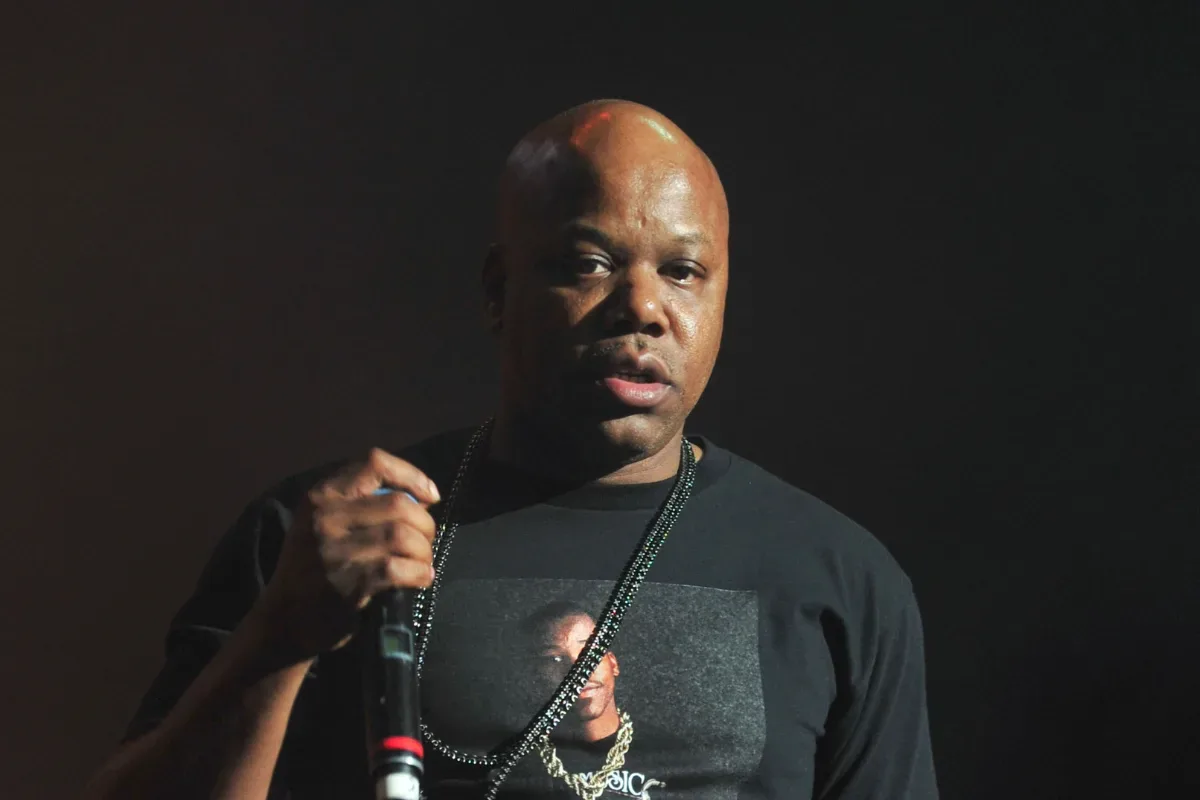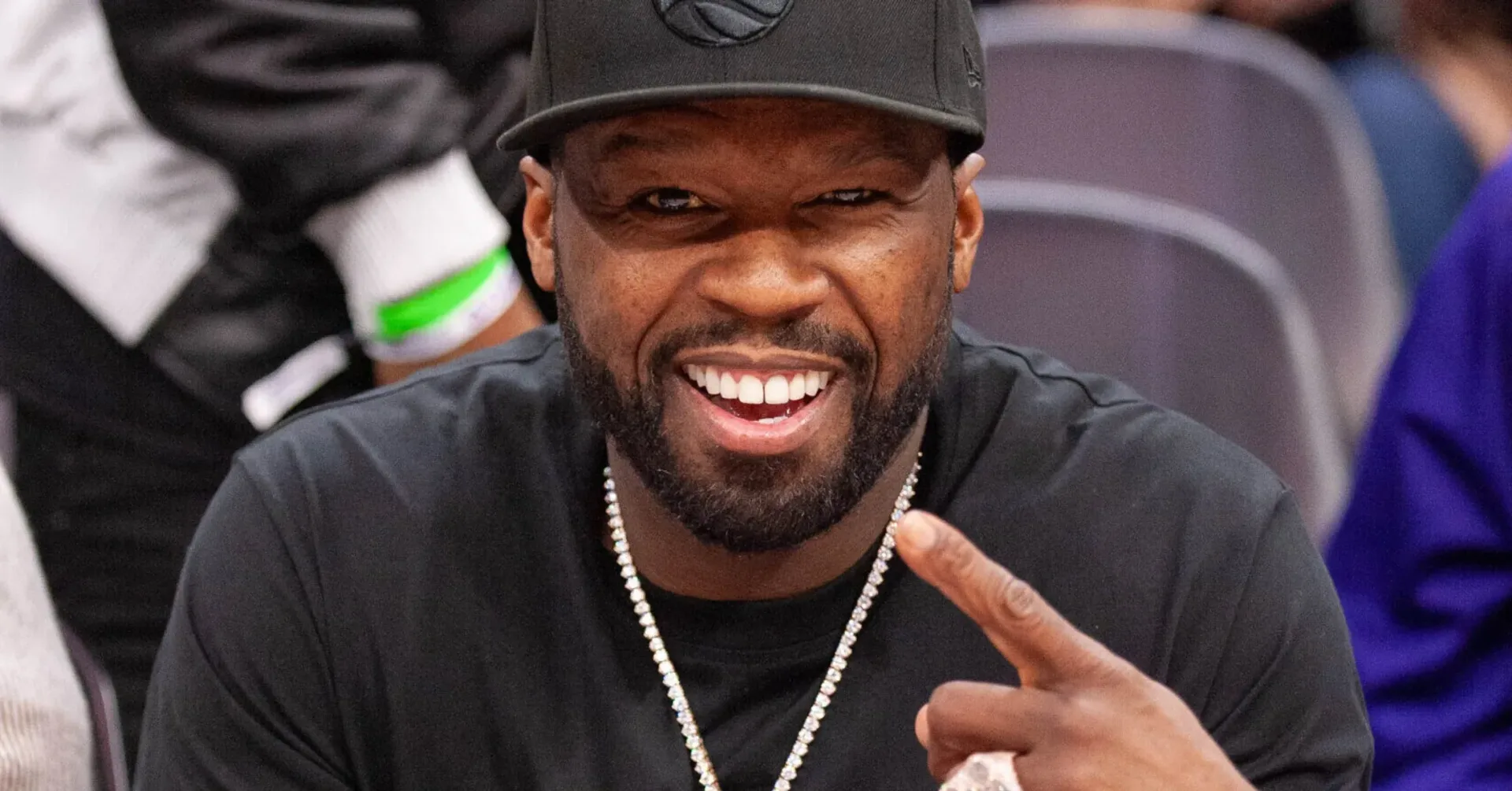
50 Cent has weighed in after Too Short apologized for saying he would attend a future welcome-home party for Sean Combs. Reposting Too Short’s apology on Instagram, 50 Cent turned the situation into a short, blunt joke: “Too short sorry, sorry he said he going to a Diddy party. 👀 who going to that. LOL 😆”
The post arrived after Too Short’s remarks about Combs drew sustained criticism online. The veteran Bay Area rapper had said he would go to “the Puff Daddy coming home party” while discussing Combs’ potential return to public life. Although Too Short also condemned the 2016 hotel surveillance video in which Combs assaulted Cassie Ventura, the proposed party appearance became the central focus of the backlash.
Too Short subsequently issued a more detailed clarification and apology. He said he had been “a little insensitive” in how he expressed himself, explained that he had learned more about the wider allegations after the response to his comments, and said he does not condone emotional, physical, or sexual abuse.
Why the original comment prompted such a strong response
The controversy is rooted in the gap between what Too Short appeared to mean and how his words were received. His stated position began from personal loyalty: he characterized Combs as a friend he did not intend to abandon. But saying he would attend a celebration after Combs’ prison term made that loyalty sound, to critics, like a public endorsement at a moment when the violence shown in the Ventura video and the broader allegations surrounding Combs remain inseparable from discussion of his public standing.
That distinction matters. A person can say they condemn a specific act while also choosing to maintain a friendship. Publicly framing a future reunion as a “coming home party,” however, is not a neutral expression of private contact. It invokes celebration. That was the friction point in Too Short’s initial statement, and it is why the comment traveled much further than his stated condemnation of the assault footage.
Too Short’s later message directly addressed his lack of awareness. He said he knew about the Ventura footage but had not understood how many women had accused Combs of abuse before he began reading more following the criticism. His apology did not simply repeat that he opposed the video; it broadened his stated position to reject abuse in any form.
“I do not condone abuse in any kind of way, not emotional, not physical, not sexual, and I don’t support anybody that does it,” Too Short said in his apology.
His explanation also sought to narrow the meaning of the word “party.” Too Short said he was thinking of the large celebrity events he had attended in the past, not the sexual encounters discussed during Combs’ trial. He said that, across dozens of Combs gatherings he had attended, he had not seen nudity or sexual activity.
Related coverage includes 50 Cent Jokes About Too Short’s Diddy Party Apology.
That clarification provides context for what Too Short says he intended, but it does not erase why people objected to the phrasing. The criticism was not only about what someone might expect to happen at a future event. It was about whether a highly visible show of celebration was appropriate in light of Combs’ conviction, the assault video, and the allegations that have affected his reputation.
The legal context behind the reaction
Combs was convicted in July 2025 on two counts of transporting individuals for prostitution and was later sentenced to 50 months in federal prison. The jury acquitted him of racketeering conspiracy and sex-trafficking charges. Those outcomes need to be stated precisely: a conviction on some charges is not the same thing as a conviction on every allegation or every count brought before a jury.
The 2016 hotel surveillance footage of Combs assaulting Ventura was presented during the federal trial. Too Short specifically referenced his disapproval of the behavior shown in that video before later saying he had not grasped the breadth of the accusations against Combs.
For readers tracking the larger case, the reported projected release timing and ongoing legal disputes surrounding Combs remain separate questions from the argument over Too Short’s comments. The immediate story here is a public-relations dispute: what it means when artists speak about friendship and forgiveness while addressing conduct that has already drawn grave public scrutiny.
50 Cent’s post turns a serious dispute into a familiar social-media beat
50 Cent’s contribution did not add a new allegation or legal claim. It was a reaction to Too Short’s apology, framed as a joke about the idea of anyone wanting to attend the proposed party. Still, the post matters because it amplified the basic question already being asked across social media: who, exactly, would publicly align themselves with such an event?
The joke also demonstrates how quickly the original subject shifted. Too Short initially spoke about loyalty to a longtime acquaintance and distinguished that loyalty from approval of assault. Once the clip circulated, the focus condensed into a much sharper, more easily shared premise: an artist saying he would celebrate Combs’ release. The apology then became its own viral artifact, and 50 Cent’s repost made the reversal the punchline.
That pattern is common to celebrity discourse, but it has real stakes when abuse is part of the conversation. A brief, provocative sentence can outpace every qualification around it. A later explanation may be more thoughtful or more complete, yet it arrives after the audience has already formed an impression of the original statement.
In this case, Too Short did not deny making the initial comment. Instead, he acknowledged that his wording was insensitive and said he needed to understand more. That is a meaningful difference from an apology built only around audience misunderstanding. His message placed responsibility on his own lack of knowledge rather than insisting that critics had simply misheard him.
What Too Short’s clarification does — and does not — settle
Too Short’s explanation answers two immediate questions. First, he says his mention of a party referred to the kind of big, public gatherings he remembered attending over the years. Second, he now says plainly that he does not support abuse.
It does not necessarily settle the broader disagreement. Critics may still conclude that his original promise to attend a welcome-home party showed poor judgment, regardless of the kind of party he had in mind. Others may view the apology as an effort to correct a statement made before he had fully engaged with the allegations. Both reactions are possible because the debate is fundamentally about public symbolism, not merely a factual mix-up over what a party would entail.
There is also an important difference between explanation and exoneration. Explaining that he was referring to prior large-scale celebrity parties gives Too Short’s original comment more context. It does not make the response to that comment unreasonable, particularly after he himself said he had spoken without recognizing the scope of the accusations he later read about.
For public figures, the practical lesson is less about rehearsing perfect statements than recognizing the weight certain words carry. Terms like “coming home party” and “I’m going” signal an intention to participate, celebrate, and be visibly associated with a person. When the person at the center of the conversation has a conviction and a widely circulated video documenting assault, that association will be scrutinized far beyond the speaker’s personal intent.
A controversy that remains about accountability, not just celebrity sparring
50 Cent’s Instagram jab gives the episode its headline-friendly angle, but it should not obscure the substance that prompted Too Short’s apology. The public reaction centered on the discomfort of treating a future return from prison as an occasion for celebration amid the legal record, the assault footage involving Ventura, and the allegations Too Short said he had only begun to understand more fully.
Too Short’s newer statement makes his present position clearer: he says he condemns abuse and does not support people who commit it. His earlier statement, meanwhile, remains the reason this discussion began. The two comments now sit together, rather than replacing one another: an initial declaration of loyalty and a subsequent acknowledgment that the way it was expressed was insensitive.
As for 50 Cent, his post distilled the controversy into its harshest public-facing question. In a situation where Too Short tried to separate friendship, past party experiences, and condemnation of abuse, 50 Cent’s joke suggests that much of the audience sees little room for that separation when the proposed event is a celebration of Combs’ release.