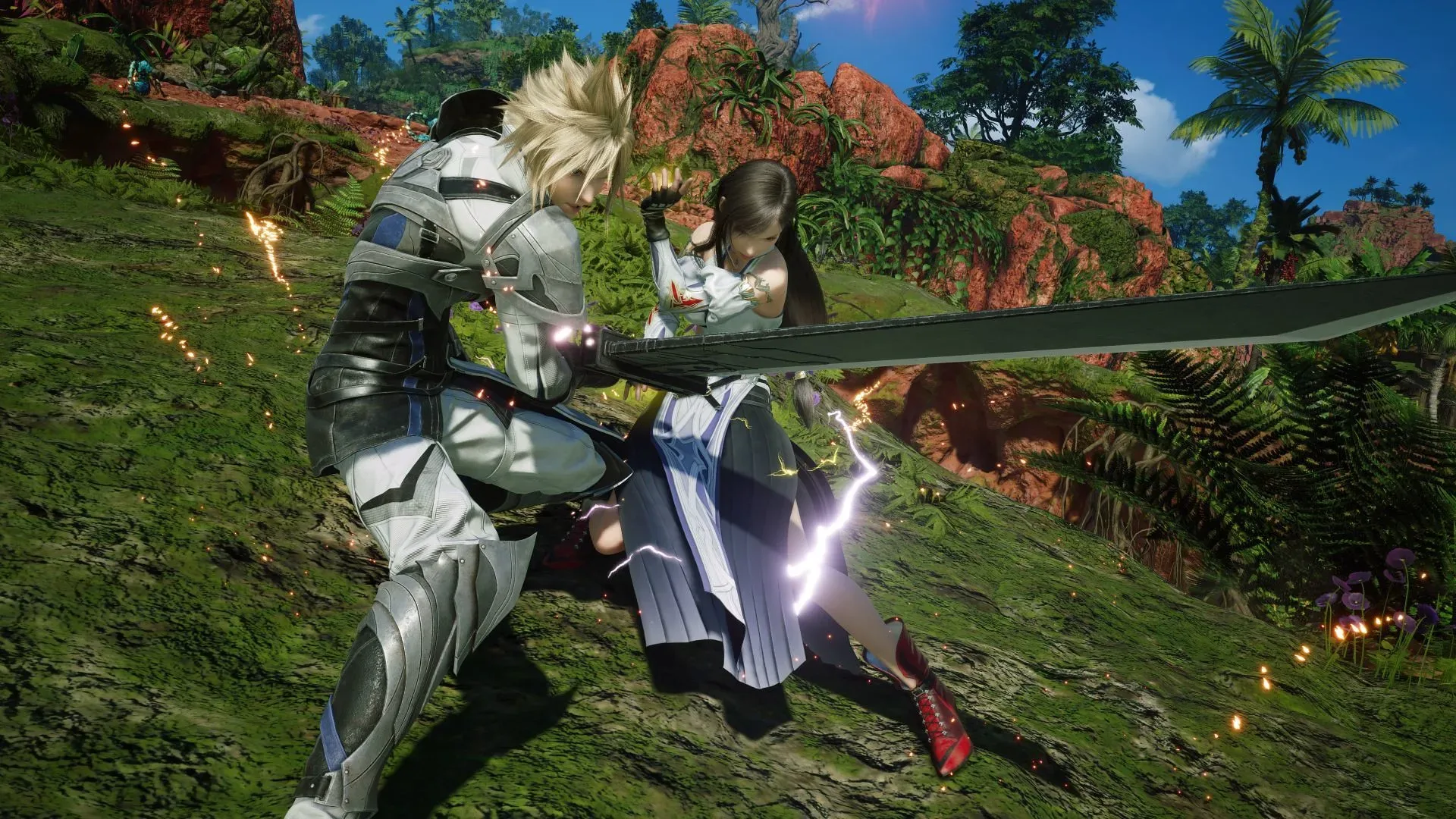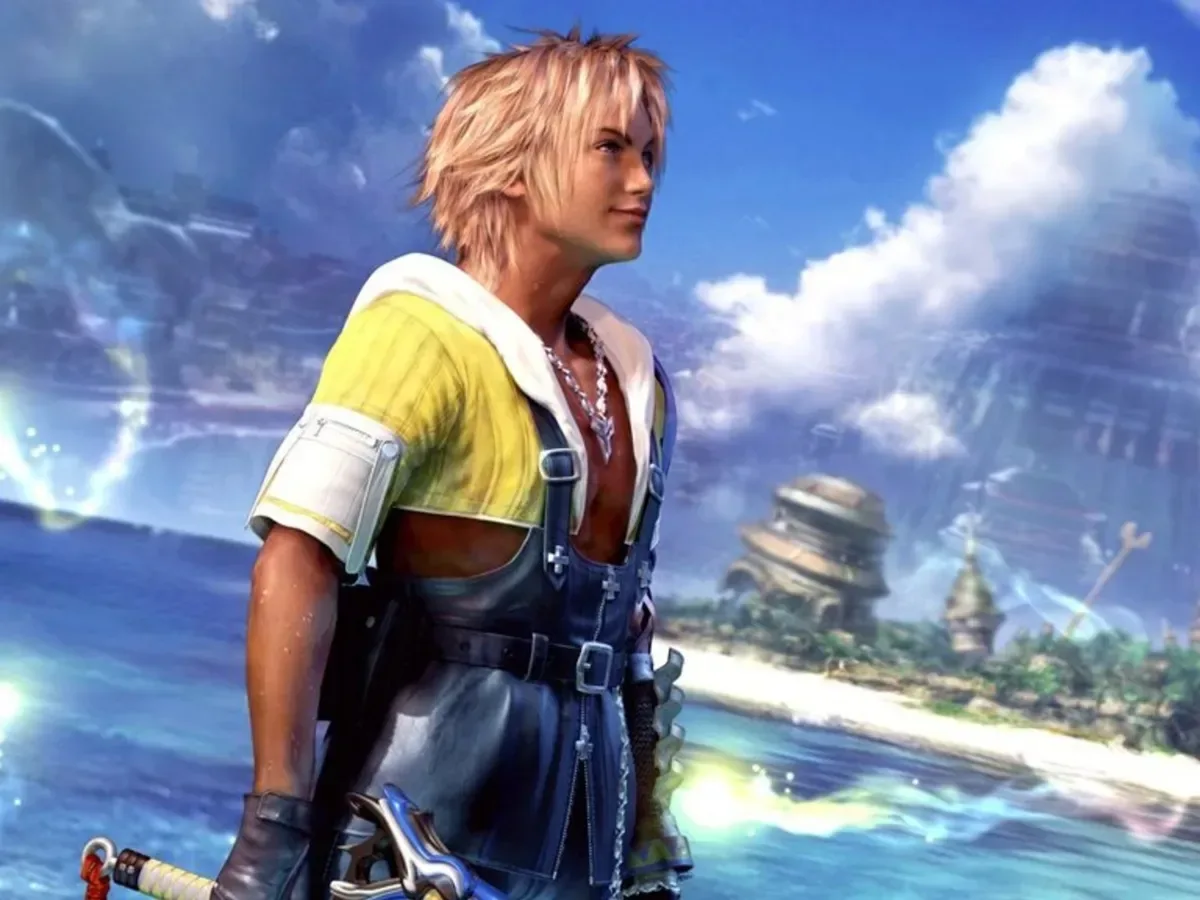
Final Fantasy producer Yoshinori Kitase has identified Star Wars as a major creative influence on the long-running RPG series, while drawing a firm line between inspiration and imitation. His examples span two very different kinds of game-making decisions: the conspicuous naming of supporting characters in Final Fantasy VII, and the broader design premise for Final Fantasy X’s fictional sport, Blitzball.
The comments came during a discussion at Lucca Comics & Games Festival 2026 about the success of Clair Obscur: Expedition 33, a game whose creators have been open about Final Fantasy’s influence. Kitase welcomed that relationship as part of an ongoing creative exchange: artists absorb work that matters to them, turn it into something of their own, and in time inspire another generation of creators.
“I took inspiration from many things I was interested in when I was younger, and I used that inspiration to create my games,” Kitase said. “I think it’s beautiful that there’s this kind of cycle where we inspire each other and we take things from each other’s games.”
Biggs and Wedge are the clearest nod
Kitase singled out Biggs and Wedge in Final Fantasy VII as the most immediately visible connection. Their names echo members of the rebellion in Star Wars, making them a deliberate reference that players familiar with both franchises can spot without needing to compare plots, worlds, or character arcs.
That distinction matters. A reference is an intentional signal toward another work—often a name, phrase, visual detail, or other recognisable touchpoint. It does not inherently recreate the earlier work’s dramatic structure or fictional setting. In this case, the names function as a compact acknowledgement of something Kitase enjoyed, embedded inside a Final Fantasy story with its own characters and circumstances.
Kitase also said he has taken care not to copy Star Wars directly. The concern is understandable: a creative influence can help solve a design problem or establish a desired feeling, but reproducing it too literally risks making the result feel like a replica rather than a new work. His examples suggest a practical approach to that boundary. One is a small, overt homage; the other is an adaptation of a high-level idea into a dramatically different fictional context.
Blitzball began with an idea from Podracing
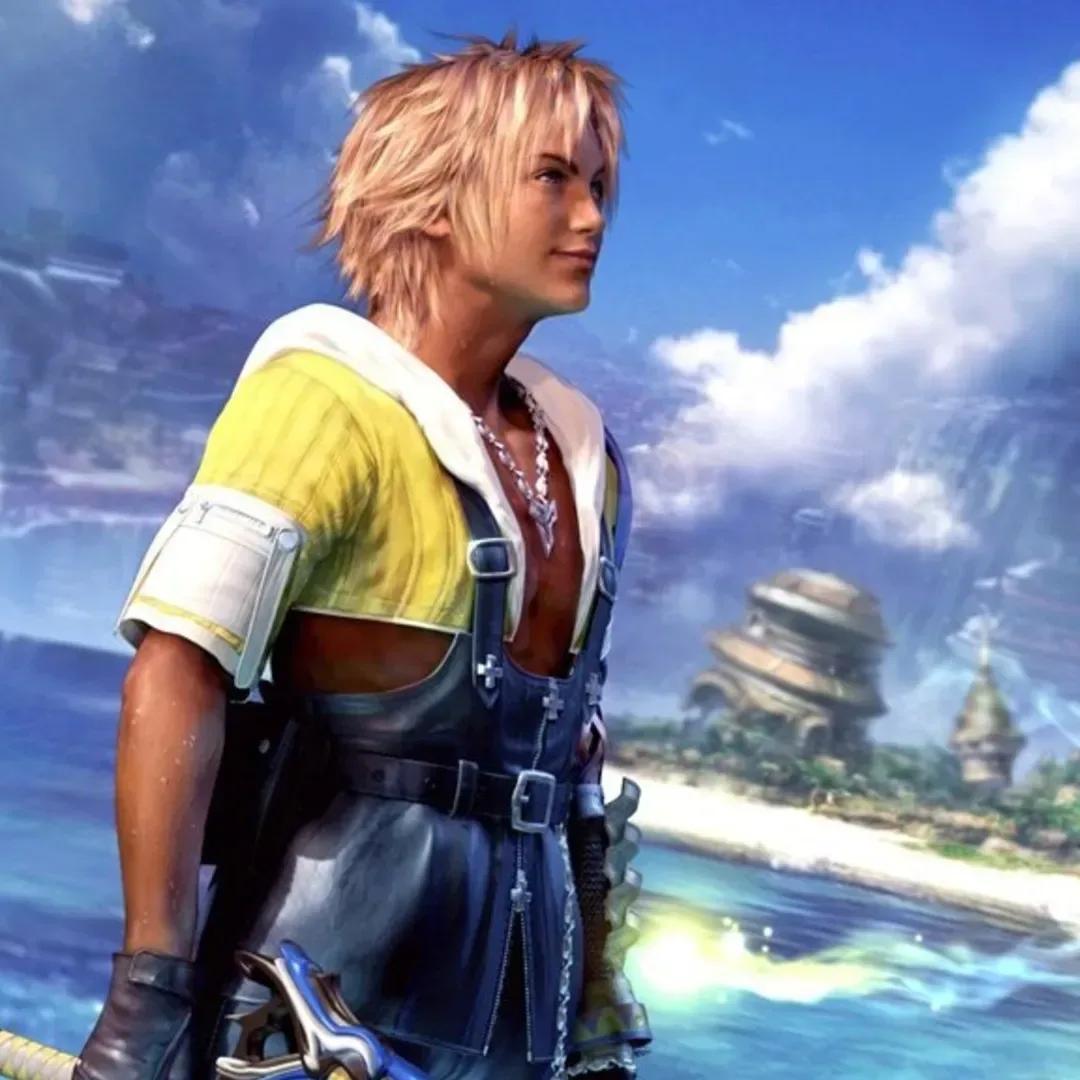
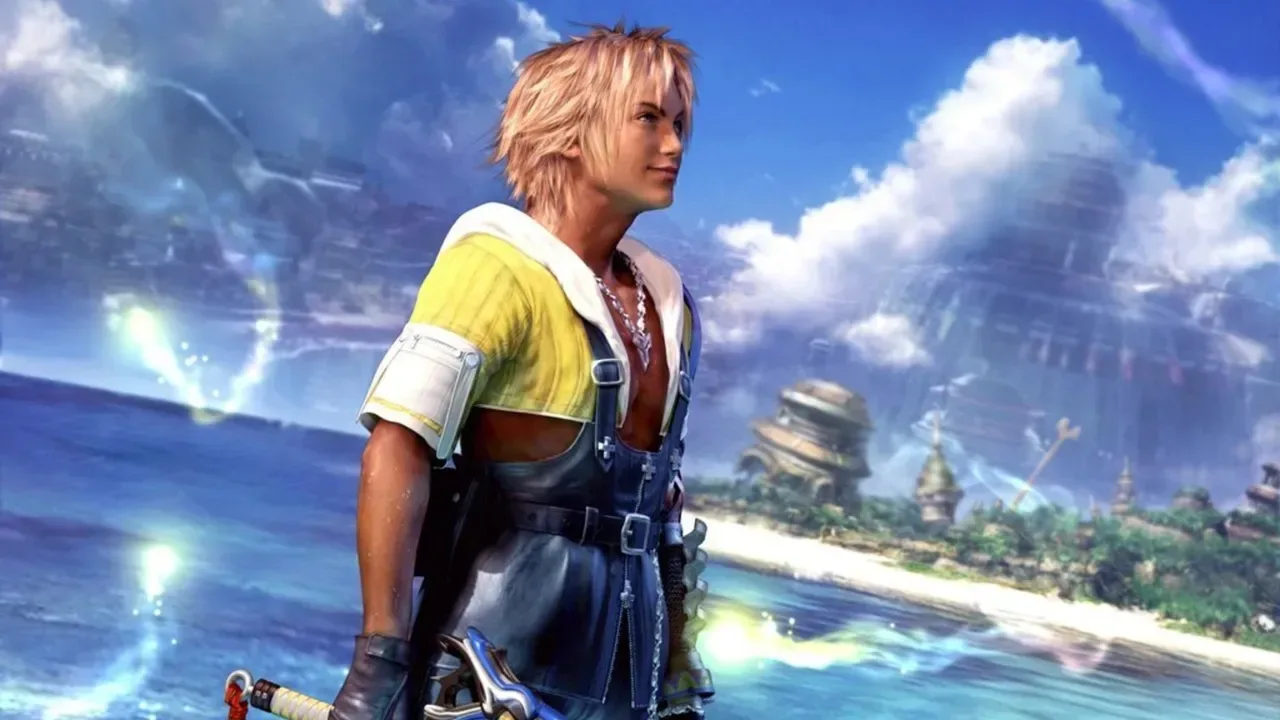
The more revealing example is Blitzball, the aquatic team sport built into Final Fantasy X. Kitase said he was considering how to create a sport that belonged inside the game’s fantasy setting. He drew on an idea he associated with the Podracing sequence in Star Wars Episode I: The Phantom Menace: placing competitive sport within a fantastical world.
“The fact of using sport inside a fantasy context, I took this idea directly from Star Wars,” Kitase said.
Related coverage includes Final Fantasy Producer Yoshinori Kitase Reflects on Star Wars Influences Across the Series.
This is influence at the conceptual level rather than a claim that Blitzball is a version of Podracing. Podracing is a race; Blitzball is presented as a team sport. Their activities, rules, and roles are not the point of Kitase’s comparison. The shared spark is the realization that a spectacle associated with sport can make an invented world feel inhabited by people with pastimes, audiences, local heroes, and public rituals.
For role-playing games, that kind of detail can do substantial world-building work. Main quests usually explain the urgent conflict: the threat to confront, the destination to reach, or the people whose fates are at stake. A sport can communicate another side of a setting. It can suggest what communities celebrate, how fame operates, and what ordinary life looks like when the protagonist is not advancing the central plot.
Blitzball therefore illustrates a useful design principle: a creator does not need to import a familiar object wholesale to learn from it. They can instead identify its function. Here, the useful function was apparently not “include this specific kind of race,” but “use organized competition to give a fantastical setting a lived-in social dimension.” That is an idea flexible enough to be rebuilt into something distinct.
Why the exchange around Expedition 33 is notable
Kitase’s remarks also frame the conversation around Clair Obscur: Expedition 33 in a generous way. He said he knew the game and had spoken with its creators, and that he was happy to see a Final Fantasy-influenced project succeed. Rather than treating a younger work’s acknowledged inspirations as a threat or a shortcut, he described them as evidence of a continuing cycle.
That does not mean every similarity between games is automatically meaningful, nor does it erase the value of originality. The important distinction is between identifying an influence and assuming that influence is the whole story. Games can inherit broad traditions—party-based RPG systems, cinematic staging, fantasy iconography, menus, combat structures, or approaches to character drama—while still arriving at their own setting, mechanics, tone, and priorities.
Kitase’s own Star Wars examples make that case neatly. Biggs and Wedge are an easily understood homage. Blitzball is a transformed design prompt. Neither example suggests an attempt to reproduce Star Wars inside Final Fantasy. Together, they show two ends of a spectrum that creators and players often discuss under the same loose word, “influence.”
- Direct homage: a recognisable acknowledgement, such as a name shared with an earlier work.
- Conceptual influence: adapting a creative premise or function while changing the form it takes.
- Imitation: recreating a work so closely that the new result risks reading chiefly as a copy—an outcome Kitase said he has tried to avoid.
The conversation is especially useful because it moves past the shallow question of whether a creator was influenced at all. Nearly every major creative work has antecedents. The more interesting question is what, specifically, was borrowed: a surface-level reference, a storytelling instinct, a mechanical solution, or a method of making an unfamiliar world legible to an audience.
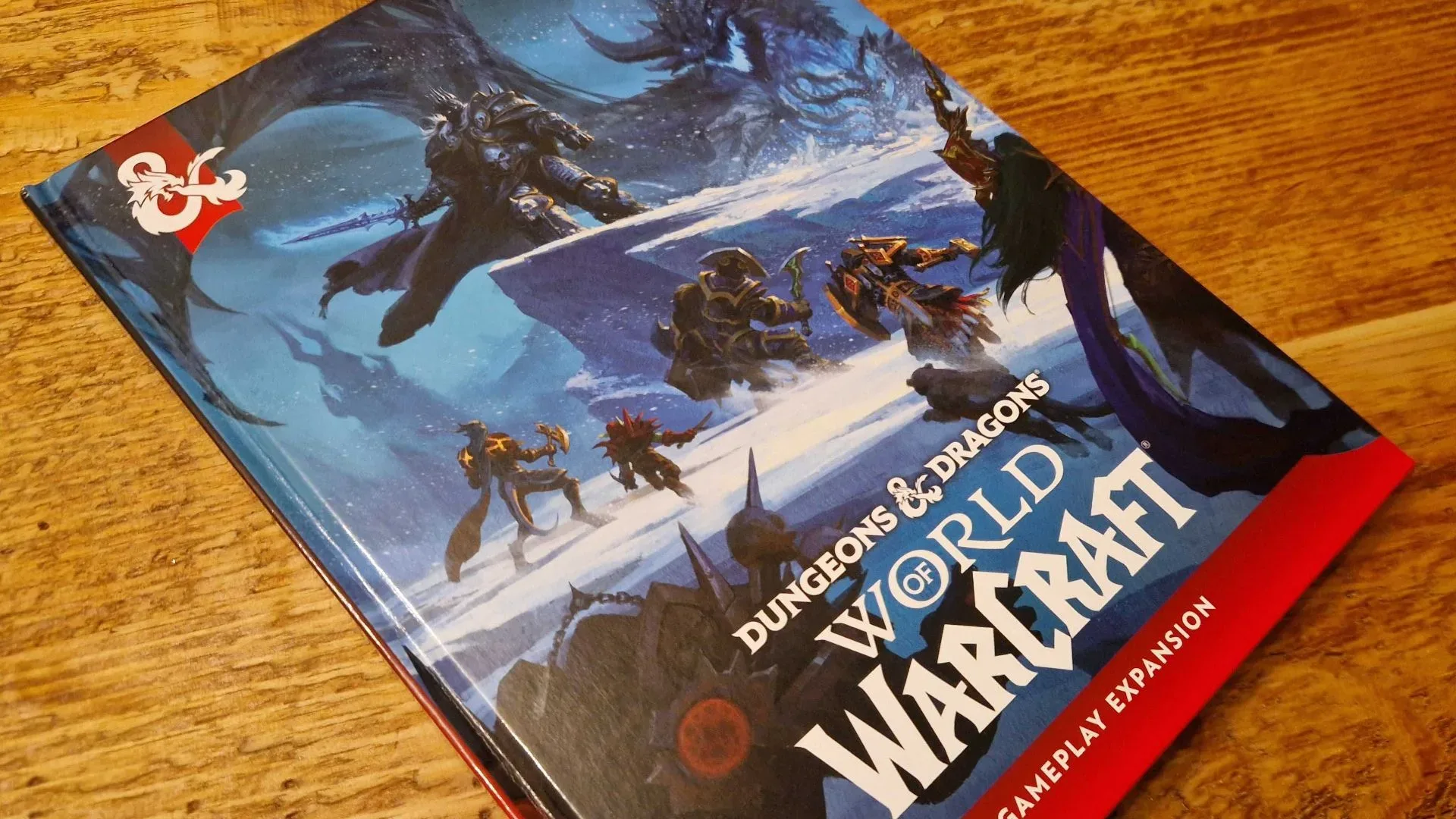
That wider exchange is visible across games, including projects that translate familiar worlds into entirely different formats. For example, D&D World of Warcraft’s tabletop approach shows how an established setting can be reinterpreted around another medium’s needs rather than merely duplicated.
A small window into how Final Fantasy is assembled
Kitase’s comments do not turn Final Fantasy into a Star Wars offshoot, and they are not a complete inventory of the franchise’s inspirations. They are more valuable as a small, specific window into creative process. A name may begin as affectionate fan recognition. A game-within-a-game may originate with a question about what will make an imagined society feel complete. Both can emerge from childhood enthusiasms, then become part of a work with a different identity.
For players revisiting Final Fantasy VII, the Biggs and Wedge names now stand as the clearest deliberate wink. For players returning to Final Fantasy X, Blitzball can be viewed not only as an optional activity or fictional sport, but as a world-building choice shaped by a cinematic inspiration: the value of letting a fantasy population gather around competition.
Kitase’s comments arrive as the remake trilogy’s final installment, Final Fantasy VII Revelation, is scheduled to launch on April 8, 2027. Beyond that forthcoming release, his point has relevance well outside one series. New games can openly acknowledge the works that helped form their creators without surrendering their own voice. The work is in the transformation—taking an influence seriously enough to understand what it does, then changing it enough to make it belong somewhere new.