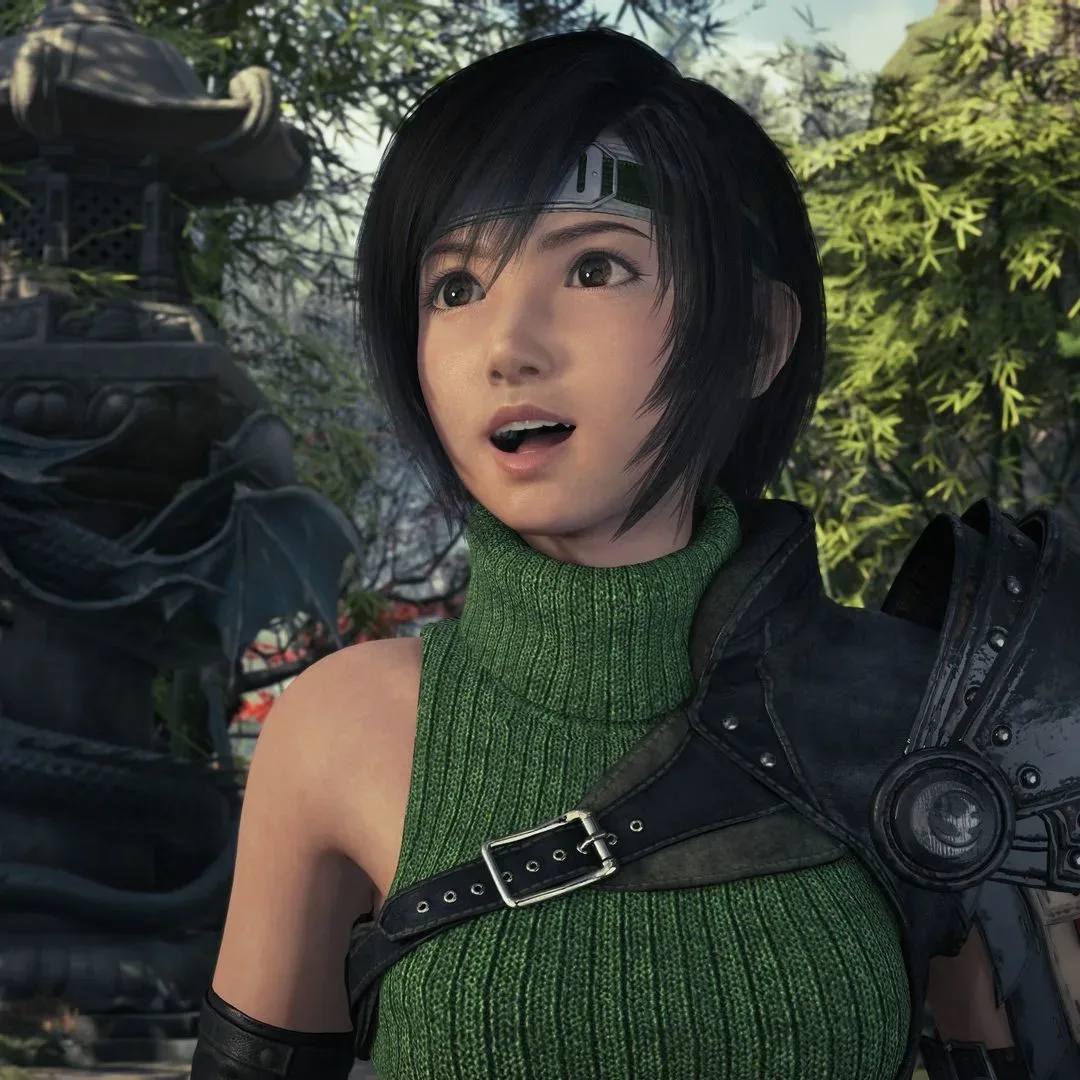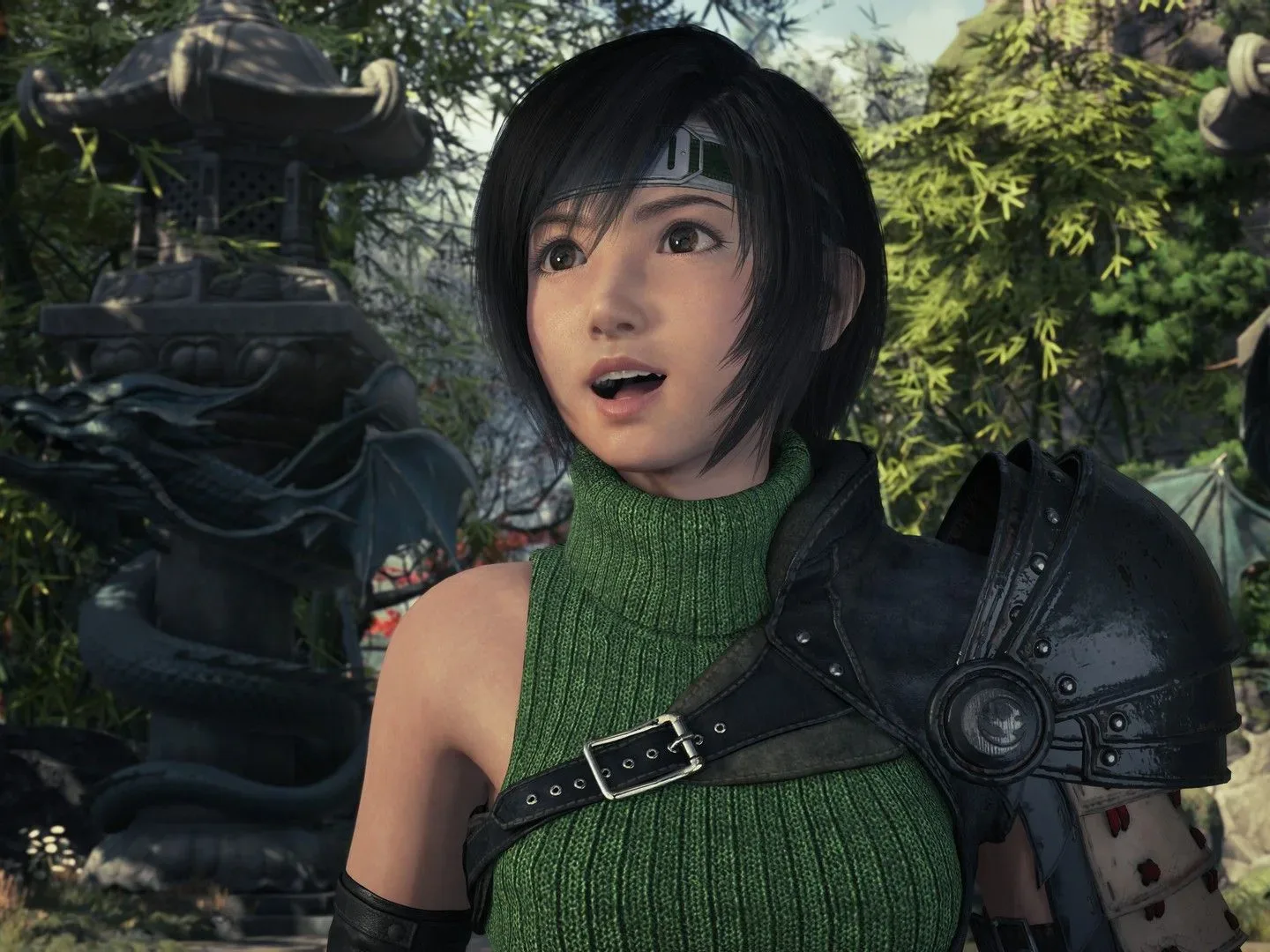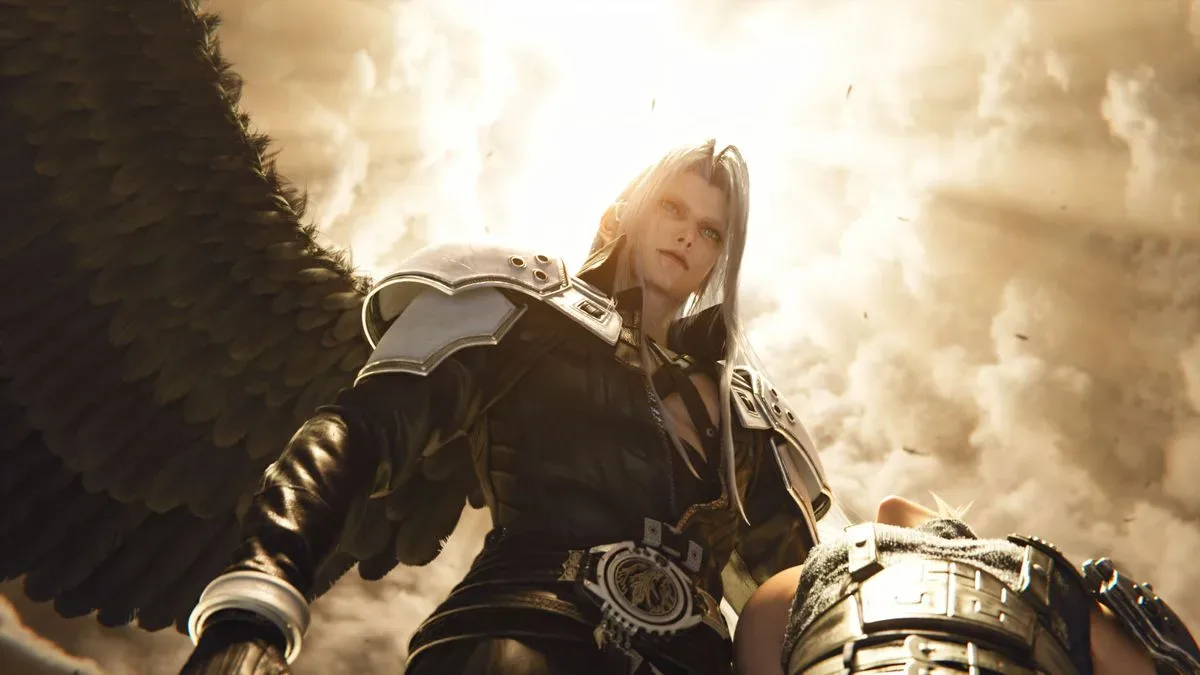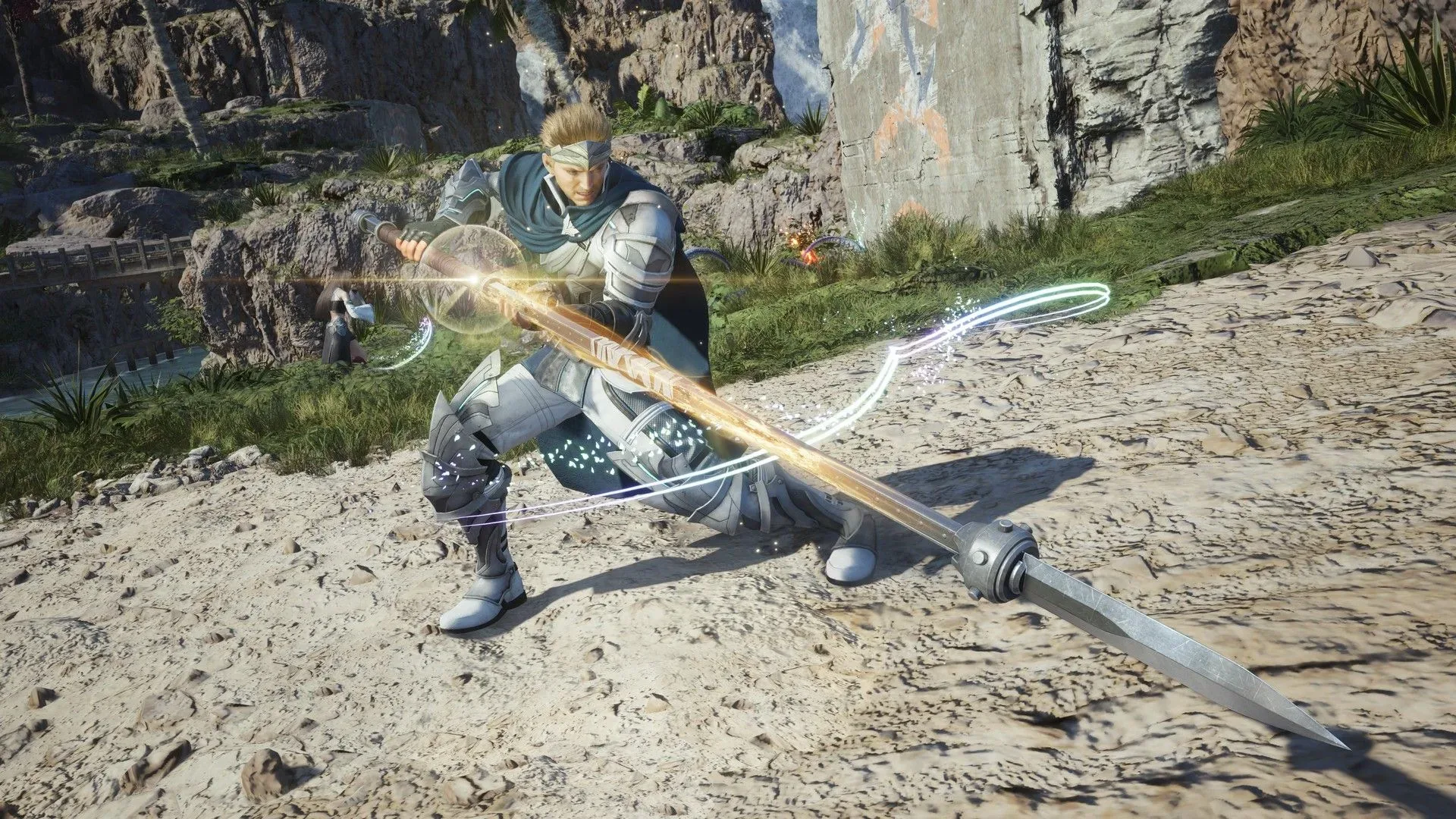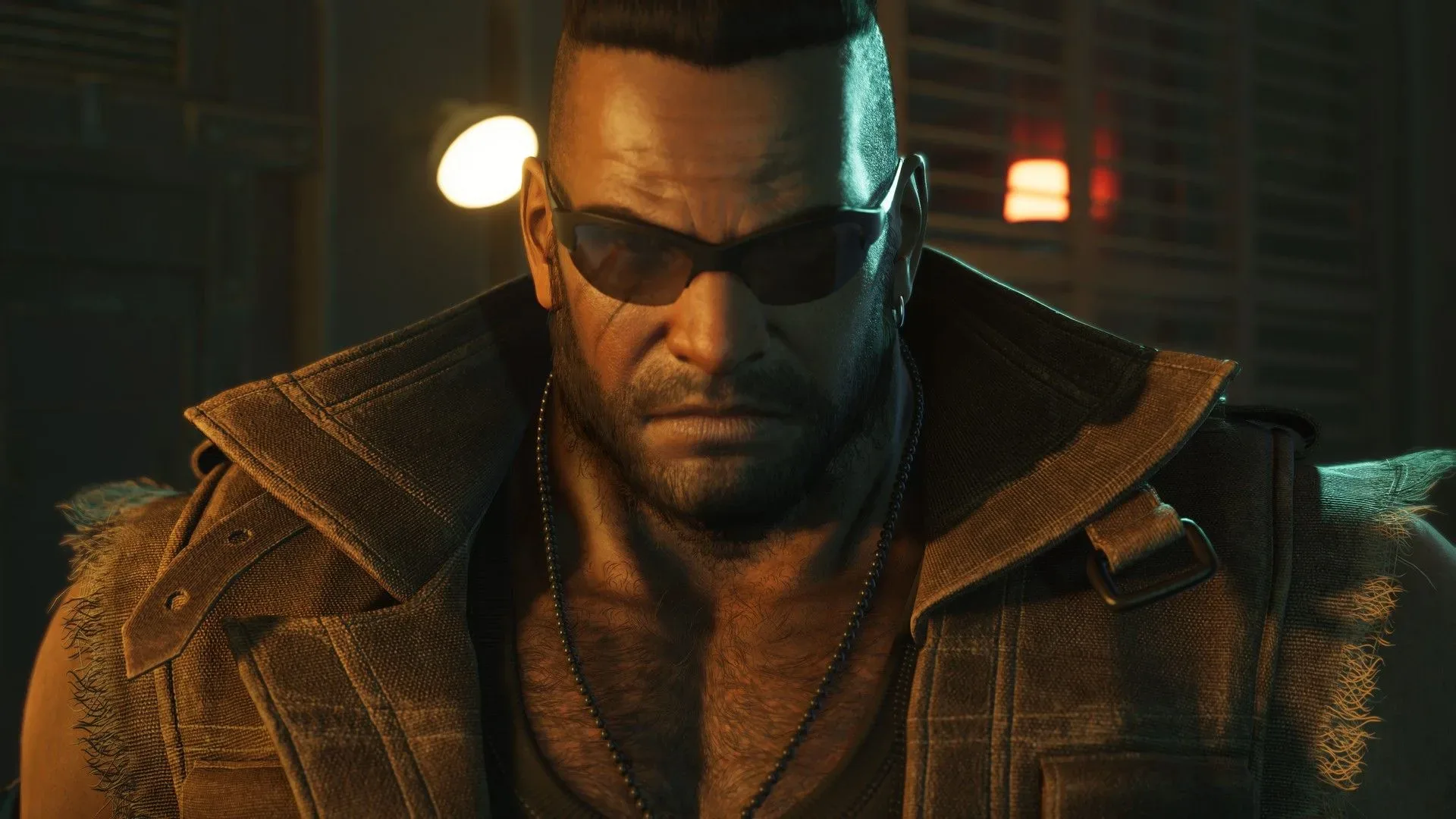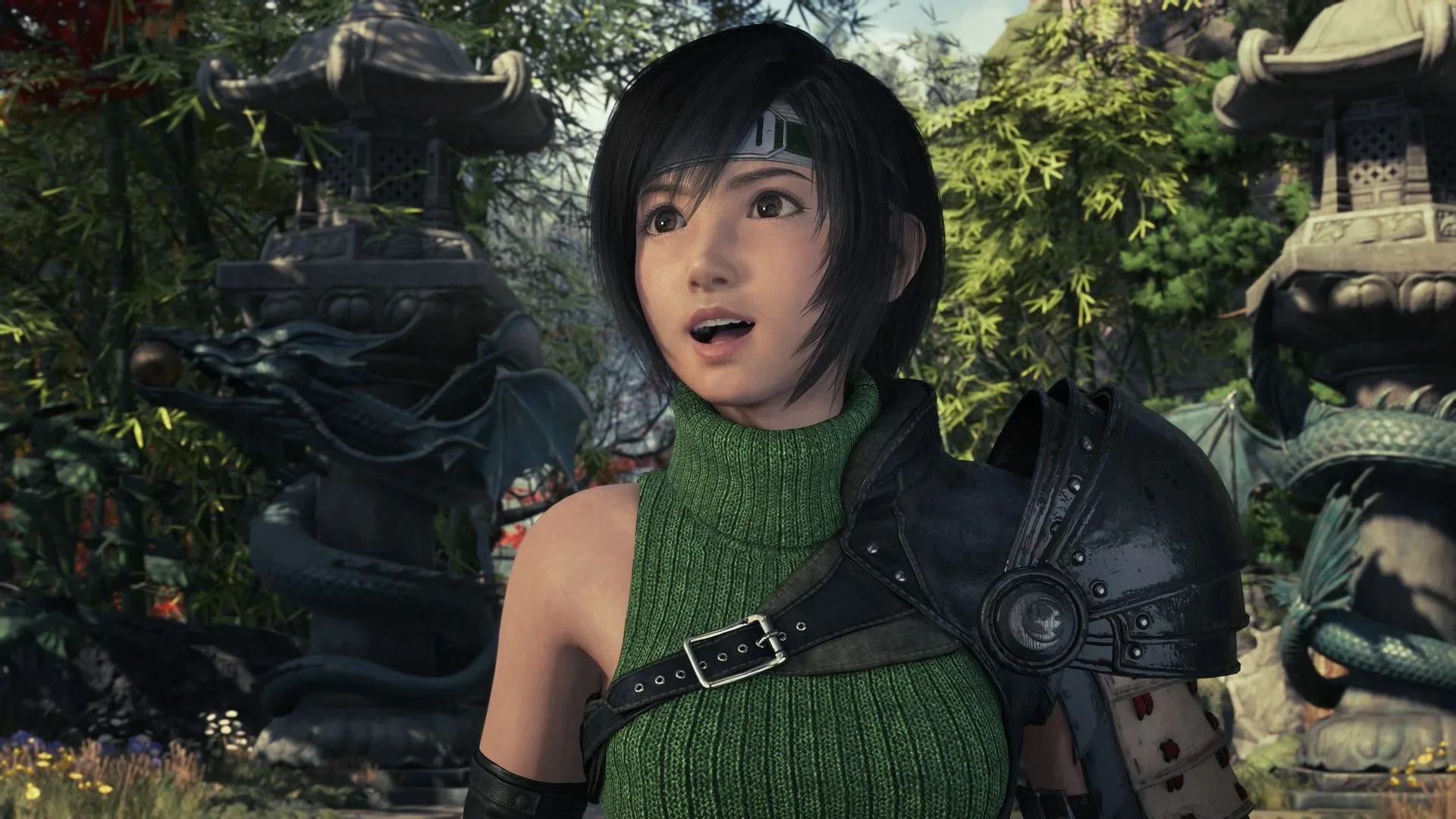
Final Fantasy 7 Revelation is intended to be the finish line for Square Enix’s remake trilogy, with its scheduled April 8, 2027 release positioned as the end of this particular retelling of Cloud Strife’s saga. But “the end” in Final Fantasy 7 language has always had a suspicious number of asterisks, wings, compilation subtitles, and opportunities for a devastating flashback.
Yoshinori Kitase, a Square Enix company director and a key figure in Final Fantasy 7’s long history, has said the team can confidently describe Revelation as the end of the series. In the immediate context, that means the three-game remake project: Final Fantasy 7 Remake, Final Fantasy 7 Rebirth, and now Final Fantasy 7 Revelation. The trilogy is being built as a complete arc rather than a conveyor belt that simply keeps producing numbered remake chapters until meteor finally gets a union contract.
That said, Kitase also made clear that a completed remake trilogy does not necessarily mean every possible Final Fantasy 7-related project is permanently off the table. If audiences respond strongly to the finale and remain eager to spend more time with these characters and this world, a spin-off could still happen. Nothing has been announced, and no specific project has been promised. It is simply a door that has not been sealed with materia, cement, or a deeply emotional orchestra cue.
A finale designed to be a finale
Revelation’s role is unusually important because Square Enix is not merely releasing another chapter in an ongoing adaptation. The company has spent years reconstructing and expanding the 1997 role-playing game into a trilogy with a substantially larger scope. Kitase has emphasized the amount of work put into ensuring the newest entry achieves the quality the team is aiming for, framing it as the culmination of that effort.
The expectation surrounding runtime also illustrates the scale of the undertaking. If Revelation lands in the same broad neighborhood as its two predecessors, the complete remake trilogy could add up to at least 150 hours. That is not a confirmed final total, and it depends on how long the third game ultimately is, but it is an eye-catching measure of just how much territory this project has covered.
For players, the important distinction is simple: Revelation is not being presented as a midpoint or a cliffhanger engineered to require a fourth main remake game. It is meant to resolve the remake series. In an era where the phrase “part one” can occasionally feel like a hostage note written by a content roadmap, a defined endpoint is worth noting.
Kitase’s position is that Revelation can be called the end of the series, while the longer-term future may still depend on how fans receive the trilogy and its finale.
That wording accommodates two ideas at once. First, Square Enix wants the trilogy to stand on its own. Second, Final Fantasy 7 has a lengthy record of returning after it looked finished.
Related coverage includes Final Fantasy 7 Revelation Is Meant to End the Remake Trilogy, but Kitase Leaves Room for More.
Final Fantasy 7 has ended before. Sort of.
When the original Final Fantasy VII launched in 1997, the creative expectation was far more self-contained. Kitase has recalled that the team saw the game as completed work and expected to move on afterward. That makes sense for the period: the original was a single, enormous RPG with a clear ending and no apparent obligation to become a multimedia cosmos populated by prequels, follow-ups, remasters, and lore that can be debated with the seriousness normally reserved for ancient legal codes.
Players, however, were not ready to leave the cast behind. The enduring popularity of the characters helped create the conditions for later Final Fantasy 7 projects. Those projects included Final Fantasy VII: Advent Children and Crisis Core: Final Fantasy VII, the latter originally released in 2007. Crisis Core Reunion, a remastered version, followed in 2022.
This history matters because it explains why “Revelation ends the series” should be read narrowly and carefully. It is a statement about the remake trilogy’s planned structure, not an ironclad declaration that no future story anywhere in the broader Final Fantasy 7 universe could ever be considered. The franchise has already demonstrated that fan attachment to its people, places, and unresolved curiosities can create room for projects outside the original game’s main narrative.
Kitase specifically pointed to fan reactions to the characters as a major reason the earlier spin-offs came to exist. The same broad logic could apply after Revelation, although there is no guarantee it will. Interest has to be there, and Square Enix would still need an idea worth pursuing rather than simply opening the vault because somebody found a spare belt buckle in a character-design archive.
What “more” could mean — and what it does not mean
For now, it is important not to transform a possibility into a reveal. There is no confirmed spin-off title, no release window, no announced platform list, no trailer, and no indication of which character or era might lead a future project. Kitase has left room for something after the trilogy, but room is not the same thing as a reservation.
Still, Final Fantasy 7 offers an unusually large pool of material should Square Enix decide that fans want more. Earlier projects have shown that the setting can support stories outside Cloud’s central journey. A potential future effort could theoretically take the shape of another character-focused tale, an exploration of a less-developed period, or a different genre altogether. Those are possibilities suggested by the franchise’s past structure, not details of an announced plan.
The measured takeaway is that Square Enix appears to be protecting the finality of Revelation while acknowledging the reality of one of gaming’s most durable casts. The developer does not have to keep extending the remake trilogy itself to revisit the world later. That separation may be reassuring to players who want the three-game story to feel complete, while also giving longtime fans a reason not to toss every piece of Midgar memorabilia into the Lifestream just yet.
The Highwind’s leap into a newer design direction
Revelation is also arriving with signs that the final installment will continue experimenting with the remake project’s gameplay language. The game’s leadership has confirmed that Fortnite was among the inspirations for the idea of jumping out of the Highwind. Yes, a phrase that once would have sounded like somebody shuffled three game-disc cases in a washing machine now belongs to the real development conversation around Final Fantasy 7.
The comparison does not mean Revelation is being described as Fortnite with swords, spells, and one profoundly overworked Buster Sword. It does indicate that Square Enix looked beyond older Final Fantasy conventions when considering how players might move through and interact with the world from an airship. For an ongoing look at that Fortnite side of gaming culture, see our coverage of Fortnite’s Sora.
That Highwind detail also fits the larger identity of the remake trilogy. These games are rooted in a beloved 1997 RPG, but they have not treated nostalgia as a museum exhibit behind velvet rope. The project has repeatedly sought to make familiar material feel newly staged, expanded, and mechanically reimagined. Revelation seems set to continue that approach as it carries the trilogy toward its intended closing chapter.
Why fan response matters after April 2027
Fan response is often mentioned in corporate interviews as a polite abstraction, but here it has a particularly concrete precedent. The original Final Fantasy 7 became more than a one-off game because players continued to care about its characters years after the credits. That interest supported a chain of connected works across different formats and generations.
Revelation will therefore face two related, but distinct, tests. It has to work as the conclusion to the remake trilogy, delivering an ending worthy of the time and expectation invested in the first two games. Then, only after that story has had a chance to land, the wider audience reaction could help determine whether there is appetite for another detour into this world.
For the moment, the official picture is appropriately tidy: Final Fantasy 7 Revelation is scheduled for April 8, 2027, and it is intended to conclude the remake trilogy. Anything beyond that remains hypothetical. Yet Final Fantasy 7 has spent nearly three decades proving that a finale can be a genuine ending and still leave fans staring at the credits, wondering whether there might be one more mission somewhere beyond the map.