Xbox is giving its screen-adaptation ambitions a formal home with Xbox Pictures, a new division intended to bring the company’s worlds and characters to audiences through films, television and other forms of “linear storytelling.” That phrase is corporate language, admittedly, but the basic idea is simple: stories people watch from beginning to end rather than games they directly control.
The important part is not that an Xbox game might someday become a show or a movie; several already have projects at various stages. The notable change is organizational. Xbox Pictures now exists as a named operation within a broader effort called XP, which is designed to build Xbox’s reach outside the game itself. In other words: experience points, but for the entire business instead of a character sheet.
For fans, this creates a clearer framework for future adaptation news. It does not, however, confirm a new film, television series, cast, release date or platform. Xbox has outlined the department’s purpose, but the immediate slate remains unspecified.
What Xbox Pictures is meant to do
Xbox Pictures is focused on connecting Xbox-owned worlds and characters with film and television opportunities. That places the division on the business and development side of adaptations: identifying properties, finding suitable production-company partners and helping turn game settings into projects for audiences that may never pick up a controller.
That distinction matters. A game adaptation is not merely a game story placed in a different box. Games use player agency, systems, exploration and repeatable challenges to create their experience. Film and television use a fixed sequence of scenes, performances and editing. Even a property with a huge lore base needs decisions about whose story is being told, what to leave out, and whether the result should resemble a character drama, an action spectacle, an animated series or something else entirely.
“Linear storytelling” describes that fixed-path structure. In a game, a player may decide where to go, which dialogue options to choose or how to approach an encounter. In a series episode or movie, the creators make those choices for everyone watching. Xbox Pictures’ role, based on the stated plan, is to extend the company’s properties into those formats—not to replace the games with them.
The new unit is part of XP, a name that riffs on “experience points.” XP formally groups four investment areas:
- Xbox Pictures, for film and TV adaptations;
- Xbox Products, covering licensing and merchandise;
- Xbox Partnerships, for sponsors and brand partners; and
- Xbox Places, for broadcast events, in-person events, theme parks and other location-based experiences.
Taken together, those categories show a strategy broader than screen adaptations alone. A recognizable game world can potentially become a program to watch, a licensed product line, a partner campaign and a physical attraction. Xbox Pictures is one spoke in that arrangement, though perhaps the one most likely to make people immediately picture a trailer, a casting announcement and a very serious protagonist staring into the middle distance.
Related coverage includes Xbox Pictures Launches as Xbox Expands Its Film and TV Ambitions.
Kayleen Walters will lead XP
XP will be led by president Kayleen Walters, the former CEO of Mojang. Mojang’s connection is particularly noteworthy because it is the studio behind Minecraft, one of Xbox’s most visible game properties and one that already has an on-screen future in motion.
Walters’ appointment does not reveal which franchise will be next or how much direct creative involvement Xbox Pictures will have in individual productions. It does, however, put a single executive in charge of a group whose responsibilities cross entertainment, consumer products, partnerships and live or place-based experiences. That structure can make coordination easier when one franchise appears in several forms, while still leaving the actual production work to specialized film and television partners.
For viewers, the practical takeaway is modest but useful: when Xbox announces future adaptation plans, there is now a dedicated division expected to sit behind that work. The announcement should not be read as proof that every Xbox series is headed for a screen. A formal adaptation group can evaluate possibilities, seek partners and develop projects without every conversation becoming a finished production.
What is already known about Xbox-related adaptations
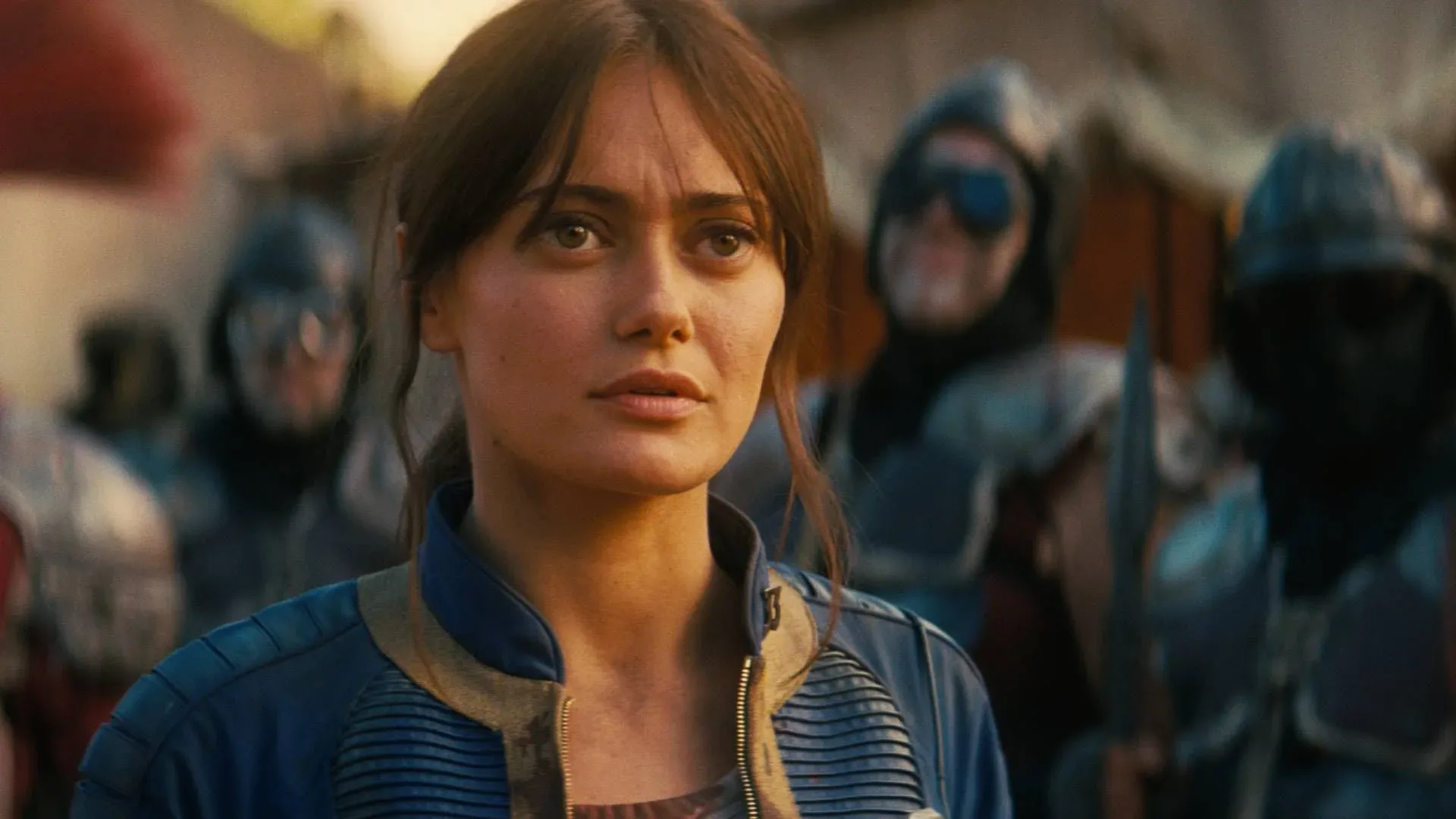
The known projects illustrate how different stages of adaptation can look. A Minecraft movie sequel is in development. Fallout season 3 is filming and could arrive as soon as May 2027. Meanwhile, the proposed Gears of War movie for Netflix remains in production limbo.
Those updates are worth keeping separate because “in the works” can cover a very wide stretch of the road. A project that is filming has moved into active production, with work underway to capture material for the eventual show. A sequel in development has a stated future but does not, from that description alone, supply a release timetable. A project in limbo has not necessarily been cancelled, but neither does it have a clear forward path. Those are dramatically different levels of certainty, even if all three can be discussed under the same broad adaptation umbrella.
Xbox has also reportedly pitched The Elder Scrolls, Diablo and Halo for possible film or television adaptations. That is an indication of interest, not confirmation that any of those pitches will become a released project. A pitch is an attempt to persuade partners to support a concept; it is not the same thing as an order to make a season, the start of shooting or a finished deal.
That caution is especially important for major game franchises. Familiar names can generate immediate excitement, but the path from a proposed adaptation to a public release involves development, financing, partner arrangements and production. Xbox Pictures may make the company’s pursuit of that path more systematic, but it does not make the path short.
Why a dedicated division could matter
The strongest case for Xbox Pictures is consistency. An adaptation can introduce a setting and its characters to people outside the existing player base, while existing fans can get another way to engage with a world they already know. The wider XP setup suggests Xbox sees that as part of an interconnected franchise approach, rather than a collection of isolated licensing deals.
There is also a practical advantage in having adaptation work recognized as its own area. Video-game development and film or television production have different schedules, creative processes and commercial relationships. A dedicated group can concentrate on matching a property with a partner and format that make sense, rather than treating every screen proposal as a side task for a game team.
Still, the value of the unit will ultimately be judged by the projects that emerge, not the acronym. The announcement contains no confirmation that Xbox Pictures will take a particular creative approach, no project list beyond the adaptation activity already known, and no claim that games will be built around television or movie releases. That lack of specifics is not a reason to assume bad news; it is simply the present boundary of what has been announced.
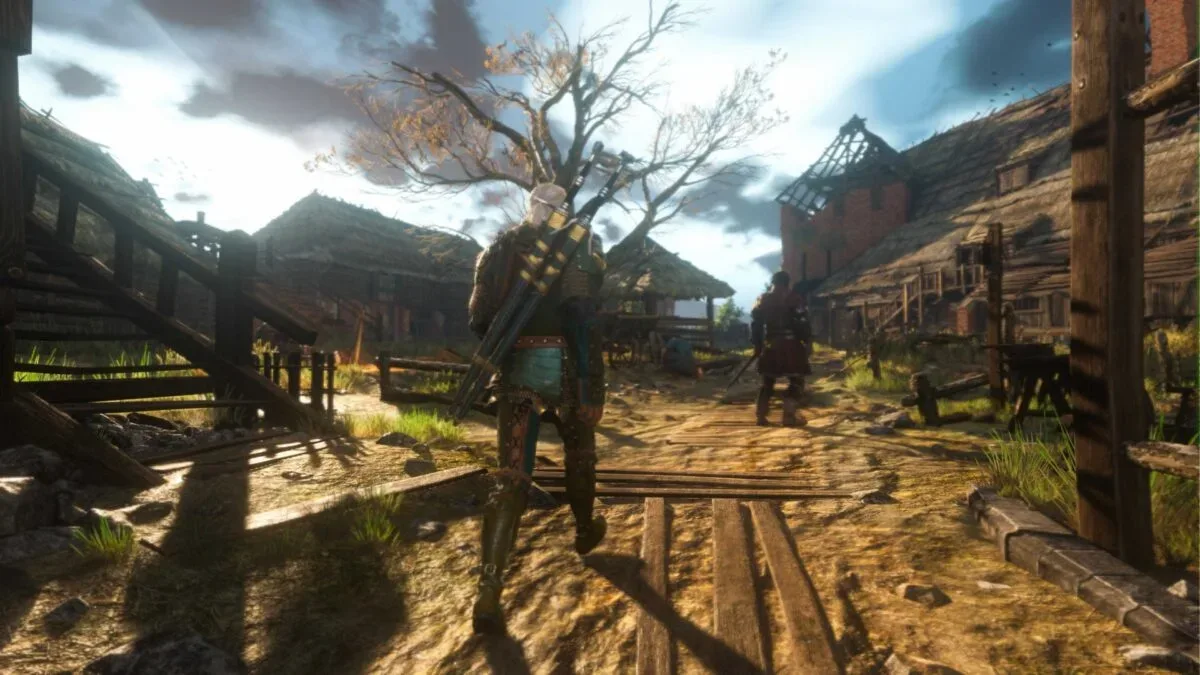
It is also separate from ordinary game support and platform updates. For a more immediate Xbox-related example, a recent update gave PS5 and Xbox players more control over bloom in The Witcher 3 Remastered. Xbox Pictures concerns a different kind of expansion: taking established game properties beyond the screen in front of the player and into conventional film, TV and related entertainment formats.
What fans should watch for next
The most meaningful next steps will be concrete ones. A named production partner, a format confirmation, a showrunner or filmmaker, casting, a distributor, or a production start would each clarify that a specific project has advanced beyond the exploratory phase. Until then, broad references to pitches and possible adaptations should remain exactly that: signs of interest rather than promises.
For now, Xbox Pictures provides an answer to a structural question—who inside Xbox is positioned to pursue these stories for film and TV. It does not yet answer the creative questions that matter most to audiences: which world is next, what story will be chosen, and when anyone will be able to watch it.
Xbox’s slate already ranges from a Minecraft sequel in development to a filming third season of Fallout, with Gears of War waiting in an uncertain position. Bringing that activity under a dedicated banner signals that more adaptations are a deliberate part of the company’s future plans. The names reportedly being pitched, including The Elder Scrolls, Diablo and Halo, show the scale of the possibilities. They should not be mistaken for a finalized slate—but they do make one thing clear: Xbox is preparing to treat its game universes as entertainment properties that can travel well beyond the console.