Xbox is consolidating its ambitions beyond the controller under a new division called XP. The group is intended to grow the audiences for Xbox-owned game worlds through film, television and other linear storytelling, while also handling products, live events, attractions and collaborations with creators and brands.
The immediate significance is not a newly announced Gears of War film, a Diablo series, or a touring Forza spectacle. No individual project was unveiled alongside the division. Instead, XP is a structural move: Xbox is creating a dedicated home for the work of turning game franchises into broader entertainment brands and giving existing players ways to engage with those brands away from a game screen.
Matthew Ball, Xbox’s chief strategy officer, framed the plan in exceptionally expansive terms, including an ambition for Microsoft to become the world’s number-one entertainment company and to entertain one billion people each day. XP is plainly part of how Xbox hopes to pursue that scale. Games remain the foundation, but the company is putting an organizational name and leadership structure behind the idea that a franchise can travel across multiple formats.
What XP is meant to do
XP’s brief has two connected sides. The first is audience expansion: take Xbox’s worlds and characters to people who may encounter them first through a television show, film, or another form of linear storytelling. “Linear” here means a work that proceeds in a fixed sequence chosen by its makers, rather than an interactive game in which players determine actions, pacing, success and failure.
The second side is serving the existing community through products, live experiences and attractions described as authentic to the franchises involved. That wording matters. A brand extension can be a straightforward licensed item carrying a logo, but an authentic extension is meant to feel rooted in the setting, characters or tone that fans recognize. That is a difficult standard to meet, and it will be central to how players judge XP’s output.
XP also intends to establish partnerships with creators and brands. The announcement does not detail what form those deals will take, who may participate, or which franchises are first in line. Still, partnerships are a crucial part of the model. Film, television, licensed products and physical attractions each operate with different creative, production and distribution needs. A focused division can provide a consistent steward for the game property while specialist partners handle their respective mediums.
In practical terms, XP may become the connective tissue between Xbox studios, external entertainment partners and the fans being asked to follow a property across formats. It does not mean every Xbox game must become a show, movie or attraction. It does mean Xbox is building a unit specifically designed to evaluate and develop those possibilities across its portfolio.
Kayleen Walters takes the lead
XP will be led by Kayleen Walters. Her background spans both major franchise management and Xbox’s own game organization: she spent 13 years at Lucasfilm before joining Microsoft, and later served as president of Mojang, the studio behind Minecraft.
Walters was also an executive producer on A Minecraft Movie, and she is named as a producer on its upcoming sequel. That experience is relevant to XP’s stated mandate because Minecraft is already a clear example of a game world operating well beyond its original format. It has a vast player identity, a major film adaptation and, with a UK Minecraft theme park scheduled to open next year, a forthcoming physical attraction.
The planned park illustrates why Xbox’s approach is wider than screen adaptations alone. Attractions are long-term, public-facing interpretations of an intellectual property. They require a franchise to be understandable to visitors who may not know its deeper game systems, while still giving dedicated fans details and atmosphere worth caring about. Products and events face a related challenge at different scales: they have to invite newcomers in without reducing a distinctive game identity to a generic logo.
Walters’ experience does not guarantee that every XP project will work. It does, however, give the new unit leadership with exposure to the complicated business of carrying a game property into film and location-based entertainment.
Xbox has evidence for both opportunity and caution
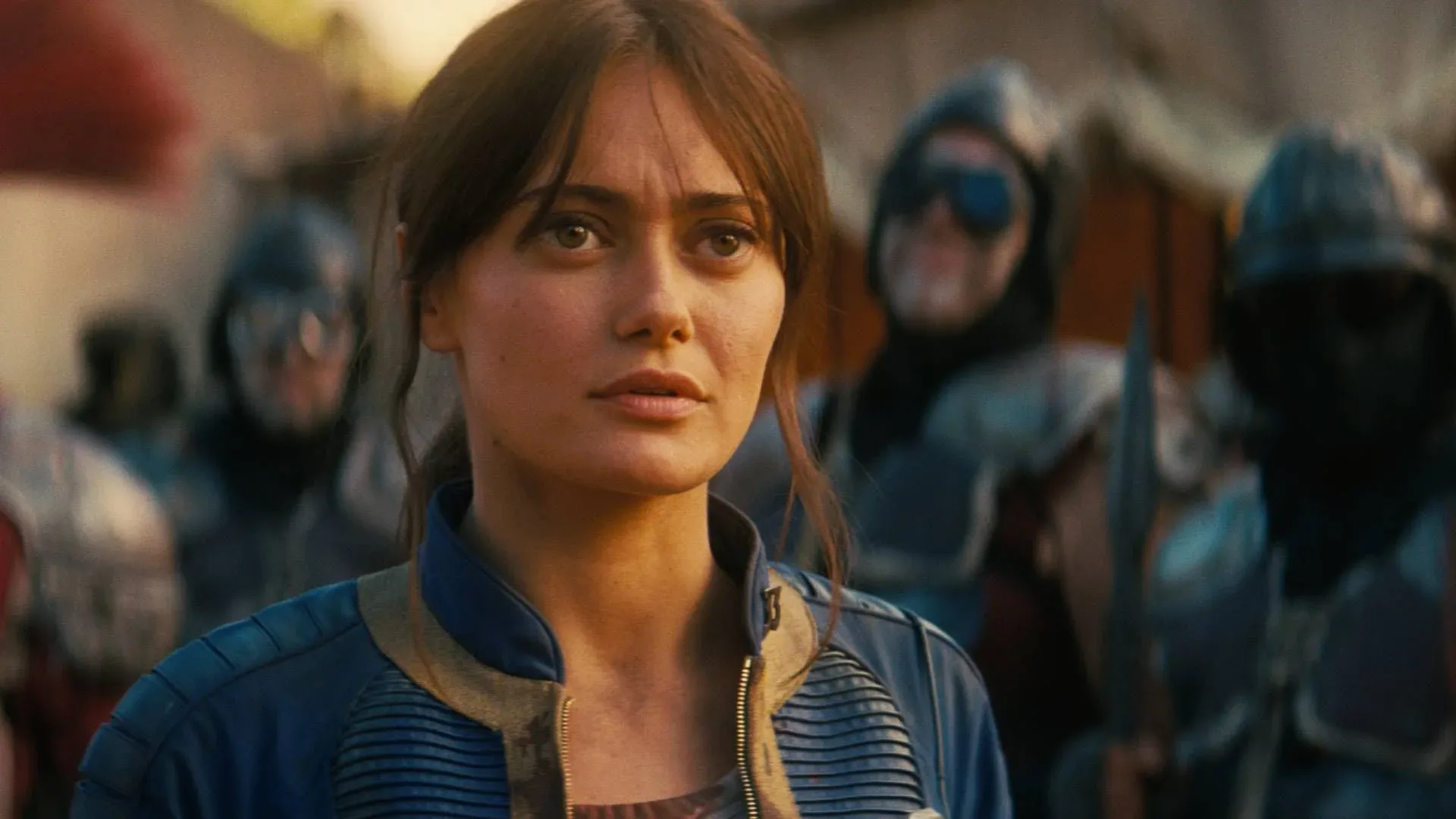
Xbox is not beginning from zero. The company’s recent adaptation history supplies examples of both the promise and risk of the strategy. The live-action Halo show did not land as well as Xbox would have hoped, while the Fallout television series on Prime Video has been a significant success. A Minecraft Movie also performed strongly at the box office.
Those outcomes underline an important point: owning recognizable game intellectual property creates an opening, not an automatic hit. In this context, intellectual property, usually shortened to IP, means the protected creative material around a franchise: its name, setting, characters, stories and recognizable visual ideas. A valuable IP can offer awareness before a new adaptation arrives, but an adaptation still needs a compelling interpretation in its own medium.
That is especially true across Xbox’s unusually varied catalog. Halo is rooted in science-fiction combat and military mythology. Fallout has a post-apocalyptic role-playing identity. Minecraft is a sandbox game whose appeal is closely tied to player creativity. Forza is associated with racing; Candy Crush is a puzzle franchise; The Elder Scrolls and Diablo are fantasy worlds with their own tones and histories. A single adaptation playbook would not suit all of them.
That diversity makes XP’s role potentially valuable. Rather than treating an adaptation as an isolated licensing transaction, the division can theoretically consider which medium best fits a property and how a project connects to the game community. The key word, though, is “theoretically.” Xbox has announced the division’s mission, not a release slate or the creative details that will determine whether particular projects succeed.
Potential franchises, with plenty still unconfirmed
Additional adaptations of Gears of War, Candy Crush, Diablo, Forza and The Elder Scrolls have been reported as future plans. These should not be read as a confirmed timetable of finished productions. No dates, formats, casting, platforms or release plans were provided in the information around XP’s formation.
The same restraint applies to Xbox’s planned collaboration with Kojima Productions on television and film projects. Xbox recently secured publishing rights for Physint, the action-espionage game in development from the studio led by the creator of Metal Gear Solid. The collaboration signals an interest in building screen work around an upcoming game partnership, but it does not establish the subject, form or timing of any specific project.
For players, the short-term takeaway is therefore organizational rather than consumer-facing. XP does not itself announce a game, a series premiere, a movie release, a product line or an event. It creates a division whose job is to develop those kinds of initiatives and coordinate them around Xbox franchises.
Why the strategy reaches beyond adaptations
Calling XP a film-and-TV division would miss half of its remit. Its portfolio includes consumer products, events and attractions, all of which can keep a franchise visible between game releases. A screen adaptation might introduce a setting to a large new audience; an event or attraction can offer a shared in-person encounter; products can make the property part of a fan’s everyday environment. Together, these are forms of what is often called transmedia strategy: extending one fictional world or brand across several types of media and experiences.
Transmedia does not simply mean putting the same story everywhere. At its best, each format does something suited to its strengths. A game can deliver agency and systems; a television season can spend time with characters and serialized drama; a film can offer a concentrated spectacle; an attraction can create physical scale and place. At its weakest, cross-media expansion becomes disconnected merchandise or projects that borrow a familiar title without understanding what made the game meaningful. XP’s stated emphasis on authenticity sets an expectation that Xbox will try to avoid the latter outcome.
There is also an audience question. Some people will come to an Xbox franchise through a show or movie first, then decide to try a game. Others may have played for years and only want adaptations that respect the original. XP is being asked to address both groups at once. That means preserving recognizable identities for established fans while making projects legible for people who have never picked up a controller.
The announcement fits a broader entertainment environment in which game properties are increasingly treated as worlds capable of supporting multiple kinds of storytelling. For more on how media companies are structuring themselves around newer formats and brand projects, see this look at expanding vertical microdrama and branded-content plans.
What to watch next
The first test for XP will be specificity. Its mission is broad enough to encompass films, series, partnerships, merchandise, live events and attractions, but audiences will ultimately evaluate individual projects. Announcements that identify a franchise, creative partners, format and intended audience will show how Xbox translates its new strategy into action.
For now, the concrete facts are clear: Xbox has formed XP, appointed Walters to lead it, and given it responsibility for expanding game properties through storytelling and fan experiences beyond games. Minecraft already provides a visible case study through its film and planned UK attraction. Other major Xbox-owned worlds, as well as the Kojima Productions relationship around Physint, provide a deep bench of possibilities.
XP’s creation is a commitment to treating Xbox franchises as entertainment ecosystems, not only game releases. Whether that commitment produces beloved adaptations and events will depend on choices that have not yet been announced: which worlds are selected, who gets to make them, and whether the final work earns the confidence of both newcomers and the people who knew those worlds first through play.