Lifetime is making a substantial move into vertical microdramas: short-form, mobile-first serialized video designed to be watched in a portrait orientation. The plan combines newly made projects, re-edited chapters drawn from existing Lifetime movies and a much larger collection of A+E Global Media programming prepared for licensing to other platforms.
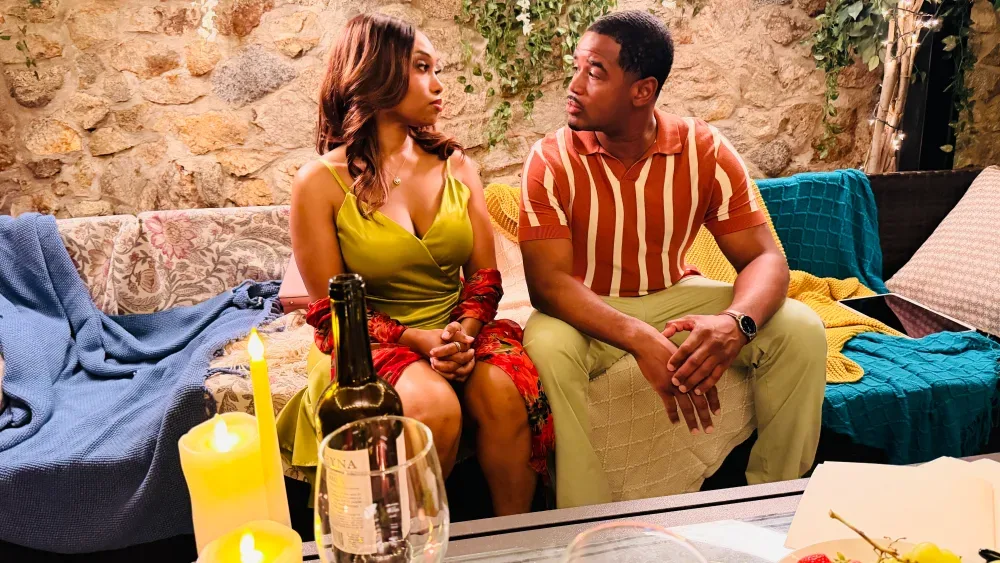
The immediate destination is MyLifetime.com, alongside the Lifetime mobile app. Three original vertical films from Microhouse Films are part of the initial slate: Tides of Temptation, Matched With a Murderer and His Lies Taste Like Love. Seven Lifetime titles adapted from the existing library are also included in the rollout.
For audiences, the important distinction is that this is not solely a library-repackaging effort. The initiative has three connected tracks: purpose-built originals, established films split into vertical chapters, and sponsored productions. That mix lets Lifetime test a new viewing format while continuing to use familiar genres, recognizable titles and an existing catalog.
What vertical microdrama means here
A vertical production is framed for a phone held upright rather than the horizontal, widescreen presentation associated with television and film. A microdrama, in this context, is a dramatic story delivered in short chapters. The available details do not specify running times, episode counts or release windows for individual projects, so viewers should not assume a particular chapter length or binge model.
The format changes more than screen orientation. A portrait frame narrows what can comfortably be shown at once, generally putting more pressure on close-ups, individual characters, text messages, reactions and decisive story beats. Chapter-based delivery also makes a cliffhanger or an immediate narrative question especially valuable: each installment needs to give viewers a reason to tap forward rather than move to something else on their feed.
That does not automatically make vertical video a lesser version of a conventional movie or series. It is a separate delivery and framing choice. In Lifetime’s case, it will encompass both material created for the format and edits of stories that first existed as standard Lifetime movies. How well any individual adaptation works will depend on whether its plot can sustain breaks into chapters and whether the new crop and pacing retain the information viewers need.
A recurring release plan across app and web
Lifetime intends to add vertical titles every two weeks through its mobile app, with the same material also accessible through MyLifetime.com. The company is targeting as many as seven original projects by the end of the year. Two of those originals are holiday-themed sponsored projects from vertTV: Casting Christmas and Destination, Christmas.
That cadence matters because it signals an ongoing programming lane rather than a one-time format experiment. A biweekly flow can give the app a regular reason to bring viewers back, while web access widens the route to the shows beyond a single mobile download. The supplied plans do not detail geography, account requirements, advertising load or whether every title will appear on both services at precisely the same time. Those remain practical questions for viewers as the slate rolls out.
Brand-supported productions are also a central part of the strategy, not an afterthought. Sponsored storytelling means an advertiser is involved in supporting a production, creating a commercial relationship around the title. The announcement identifies the two vertTV holiday originals as sponsored, but it does not name their brands or explain the exact form that sponsorship will take within the programs.
That emphasis places vertical storytelling alongside the wider advertising and distribution business. For a related look at how media companies are organizing those functions, see this report on advertising, content sales and distribution leadership changes at Skydance. The key point for Lifetime’s own rollout is more direct: a mobile-first format gives the company another setting in which programming, audience engagement and advertising can operate together.
The first original projects
Tides of Temptation has an especially clear relationship to Lifetime’s more traditional programming. It is a stand-alone digital companion to Terry McMillan Presents: Paradise with You, a Lifetime original movie set to debut November 7. Taye Diggs, Autumn Federici and Shelby Stone are executive producers on the companion project.
A companion title can serve several functions without requiring audiences to treat it as a replacement for the feature-length movie. It may provide another point of entry for people who encounter the story through a phone, offer more material to viewers already interested in the film, or give the broader release a second promotional surface. The announcement calls it stand-alone, which is an important qualifier: it indicates the vertical project is positioned as its own digital work rather than simply a chaptered cut of the movie.
Microhouse Films’ wider group of upcoming projects also includes Reunion Island, which is slated to debut at the New York-based ALZA Festival, and Recklessly in Love with My Daughter’s Best Man. No launch dates or platform availability details were supplied for those two projects beyond the festival debut note for Reunion Island.
The titles themselves fit the heightened relationship peril, secrets and romantic complication that viewers frequently associate with Lifetime-branded drama. Still, titles are not plot synopses. No character details, story outcomes or creative credits beyond those specified for Tides of Temptation have been provided, so expectations should stay limited to the confirmed slate and format.
Existing Lifetime movies become chaptered vertical stories
Seven Lifetime original films have been edited into vertical chapters for MyLifetime.com:
- A Lifeguard’s Obsession
- Burned by Love
- Danger in the House
- My Husband’s Worse Mistake
- What Would You Kill For?
- Secret of a Dean’s Wife
- College Professor Obsession
This portion of the rollout is useful for understanding the practical value of the vertical strategy. The company can introduce a new consumption format without relying entirely on an all-new production pipeline. Recutting a movie into chapters potentially gives a familiar title a new structure for mobile discovery and intermittent viewing. It also tests whether stories developed for a conventional movie runtime can find a second life when narrative turns are redistributed across smaller installments.
There are creative limits to that approach. A film built for one sustained sitting may use scene transitions, widescreen compositions or gradual tension differently from a work designed from the outset for a portrait chapter feed. A vertical re-edit must make choices about what remains on screen and where an episode ends. The announcement confirms that these films have been converted into vertical chapters, but it does not describe the editorial process, whether new footage was produced, or how extensively the original stories were restructured.
That uncertainty is worth keeping in mind. “Adapted” can describe a wide range of work, from relatively straightforward reformatting to a more thoroughly rebuilt serial presentation. Until individual titles are available, the confirmed fact is the change in delivery: chaptered, vertical versions are coming to MyLifetime.com.
Nearly 200 titles prepared for a broader licensing push
The larger business component is significant. In connection with the upcoming MIPCOM market, A+E Global Media has adapted nearly 200 titles into vertical microdramas that will be available for license to other platforms. Licensing means another service can obtain rights to carry content under agreed terms; it does not mean all of those titles are automatically joining Lifetime’s own app or website.
The library work goes beyond Lifetime movies. Named programs include Cold Case Files, I Survived, Alone, Ice Road Truckers, Forged in Fire, History’s Greatest Mysteries, Hoarders and Married at First Sight.
Those shows span factual crime, survival, competition, history, lifestyle and relationship programming. Their inclusion suggests that the company sees vertical adaptation as a format strategy with uses beyond scripted melodrama. It is not a claim that every genre will be experienced identically in a chaptered phone presentation. Instead, the range shows that a large catalog can be repackaged into a common mobile-oriented format, then offered to platforms looking for ready-made short-form material.
The near-200 figure includes nearly 200 Lifetime movies as part of the library content referenced in the plan. The announcement does not provide a title-by-title inventory, specific licensees or territories, so the scale should not be confused with a confirmed global launch list. It is best understood as a prepared catalog for distribution discussions.
Why this matters for viewers and the industry
For viewers, the most tangible result is another way to encounter Lifetime stories: in short, upright chapters through the Lifetime app and MyLifetime.com. People who prefer watching longer movies in one sitting may continue to favor the original versions where available. People accustomed to mobile viewing may find a chaptered presentation more compatible with short breaks and on-the-go use. Neither preference is inherently more legitimate; they answer different viewing habits.
For Lifetime, originals are the longer-term creative test. A new project such as Tides of Temptation can be conceived around the constraints and opportunities of portrait viewing from the start. The adapted movie slate, meanwhile, gives the company a faster way to build volume and measure audience interest around known material. Sponsored holiday projects add a commercial model to the same ecosystem.
For the broader media business, the licensing catalog is the ambitious part. A company with a deep archive can treat vertical microdrama not only as a destination feature for its own services, but as a distributable version of its programming. That approach may appeal to platforms seeking professionally produced mobile-first inventory without building every series from scratch.
What has not been established is just as important as what has. There are no supplied episode lengths, subscription details, advertiser identities, international rollout specifics, performance figures or audience data. There is also no basis yet to say which type of project—purpose-built original, sponsored holiday title or re-edited library release—will resonate most strongly.
What is clear is that Lifetime is committing to a sustained vertical slate across web and mobile, while A+E Global Media is preparing a much broader set of adaptations for external licensing. With originals arriving alongside library chapters every two weeks, the plan gives the company a recurring mobile programming experiment that extends far beyond a handful of isolated short videos.