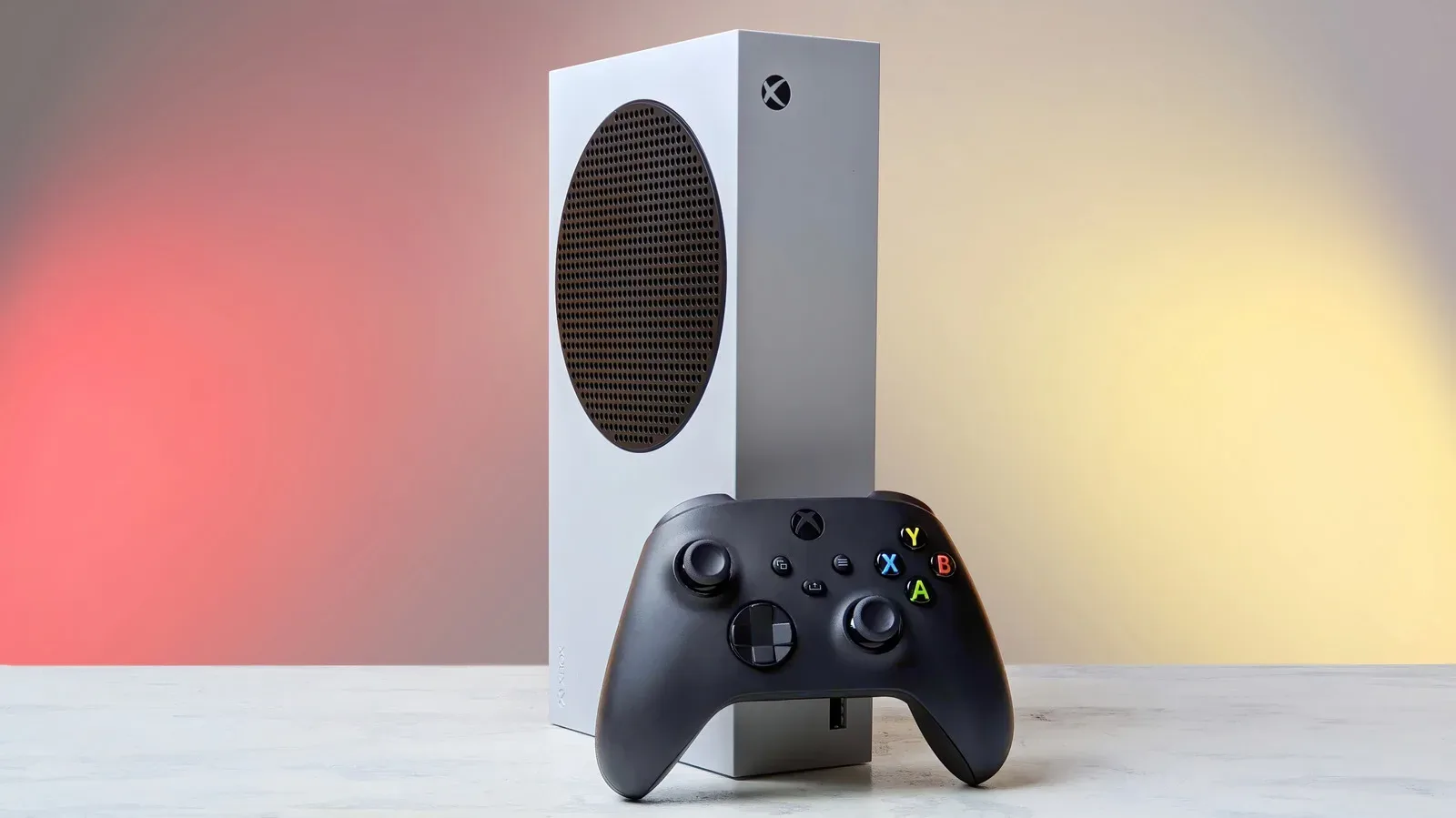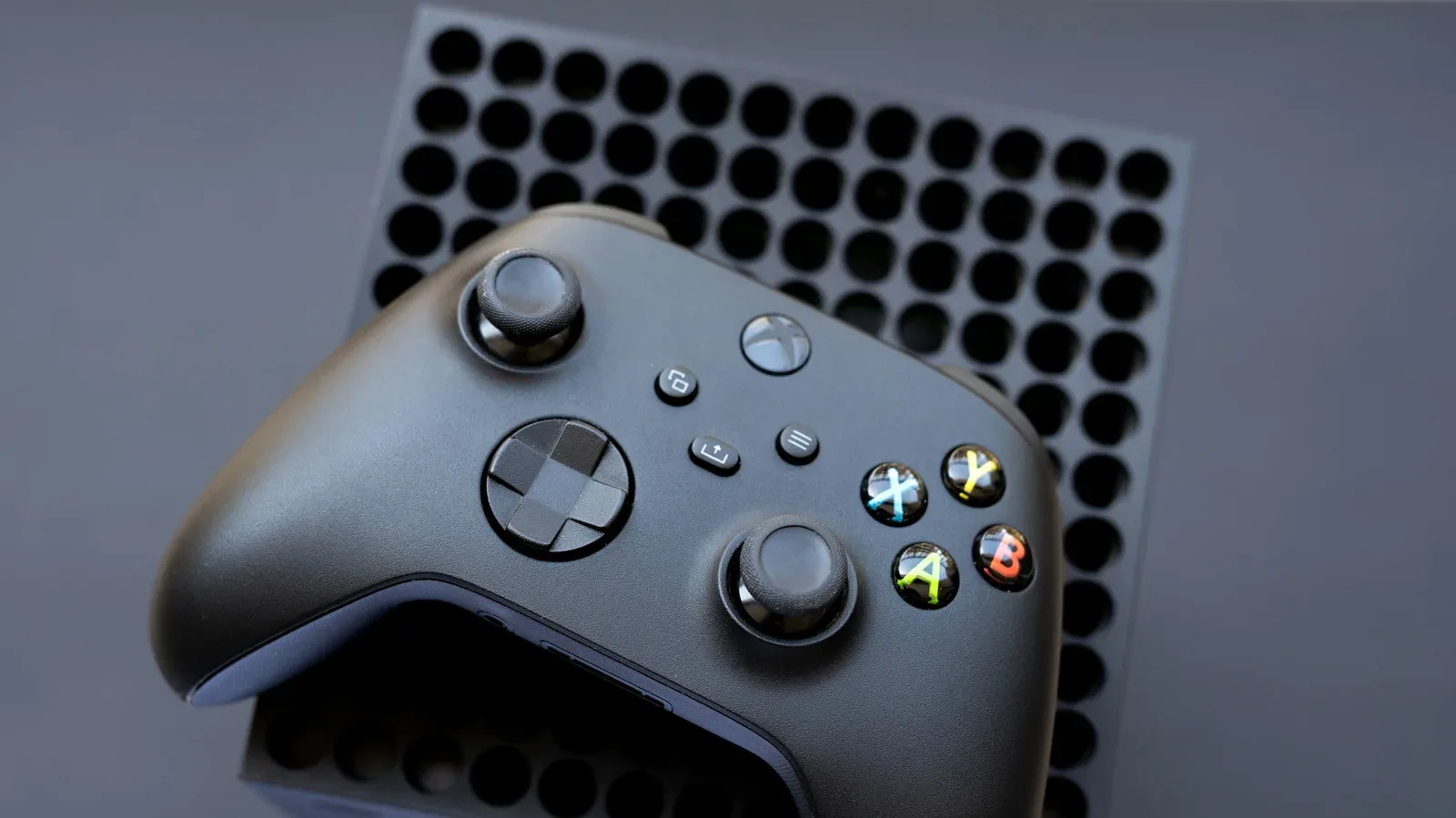
The Xbox Series X arrived in 2020, but its useful life should not be measured only by the date a successor eventually appears. A console remains viable through a combination of software support, game releases, online services and physical reliability. On each of those points, the current evidence suggests Microsoft’s tower-shaped machine has plenty of runway left—though there are important distinctions between a console that still receives system updates, one that can still play new games, and one that is economical to repair.
That distinction matters more as component costs rise and the prospect of another expensive hardware transition encourages players to get more years from the systems they already own. The Series X still has the performance to run today’s major games, with GTA VI among the high-profile releases expected on the platform. It is not a machine at the end of its generation, and there is no firm release date for the next Xbox, currently referred to as Project Helix.
There is no single expiry date for an Xbox Series X
“Support” can mean several different things, and combining them can make the future sound either better or worse than it really is. For Series X owners, it is more useful to separate the question into four layers:
- System software support: dashboard updates, security-related maintenance and fixes to core console features.
- Online-service access: the ability to sign in, download purchases, use multiplayer services and access subscriptions where applicable.
- New-game releases: whether developers continue to ship games for the hardware.
- Hardware service and parts: whether a fault can be fixed at a sensible cost, either by Microsoft or through repair.
These layers rarely end simultaneously. A console can remain perfectly capable of playing a large existing library while new big-budget releases move elsewhere. It can also keep receiving system updates even after the flow of blockbuster cross-generation games slows. Conversely, a machine may still be supported in software but be far less appealing to keep if an expensive physical fault develops.
The Xbox One provides the clearest available precedent. Released in 2013, it is still receiving software updates in 2026, despite the Series X having arrived years ago. Game support became more selective over time: live-service games such as Fortnite continue to retain older-console players, while most new AAA releases have moved beyond the Xbox One. There were exceptions last year, including Black Ops 7 and Hollow Knight: Silksong, but exceptions do not establish a broad cross-generation rule.
For Series X owners, the practical takeaway is encouraging but not a promise of a precise timetable. Microsoft’s prior pattern indicates that system-level support can continue well after newer hardware arrives. Game publishing is a separate call made by individual developers and publishers, based on performance targets, development cost and the number of players still using a platform.
What the next Xbox could mean—and what remains unknown
Project Helix is the name attached to Microsoft’s next-console plans, but a firm launch date has not been established. That makes it impossible to credibly put a calendar date on the last significant Series X release. It also means a replacement console should not be treated as an immediate reason to stop buying or maintaining the existing one.
There is a broader market consideration, too. New consoles historically take time to reach a large enough audience for publishers to comfortably leave established hardware behind. The original Xbox and Xbox One eras both demonstrate that adoption does not happen in a single jump. Players do not replace a console all at once, and publishers often weigh the technical advantages of new machines against the audience still available on older ones.
Rising component prices could make that transition slower or at least make older hardware more attractive to keep. A higher-priced new generation raises the value proposition of a Series X that already sits under the television and can still run the games a player wants. That is analysis rather than a guarantee: pricing, compatibility policies and publishers’ technical ambitions can all alter the path. Still, the combination of no announced successor date and continuing major releases gives the Series X a healthier near-term position than an obsolete console.
There is also an ownership question behind Microsoft’s disc-to-digital feature, which converts thousands of physical Xbox discs into digital versions. The feature naturally prompts questions about an increasingly all-digital future. For a Series X owner, however, the disc drive remains a meaningful piece of hardware today. A working drive can still matter for physical libraries, so it is one of the components worth protecting and, if necessary, assessing for repair.
Keep heat and dust from becoming the problem that ends the console first
A long support window only helps if the console remains physically healthy. The most useful preventive work is also the least glamorous: give the Series X room to breathe, keep its vents and ports clear of dust, and pay attention when its normal operating noise changes.
Ventilation is the console’s ability to pull in cool air and expel warm air. Dust accumulation can obstruct that airflow, making the cooling system work harder. The Series X is regarded as having stronger thermal performance than the PS5, but no console is immune to a poor location or blocked vents. A cramped enclosed space, persistent dust buildup or restricted airflow can all increase the chance of heat-related trouble.
An unusually loud console is not automatic proof of a failing part, but it is a worthwhile prompt to inspect its surroundings and condition. If the machine shuts down and shows a “Your console overheated” message, that is a direct warning to address the issue rather than simply resume play and hope it does not recur.
A sensible maintenance routine
- Choose an open, well-ventilated position. Avoid placing the console where its vents are obstructed or where warm air is trapped around it.
- Check vents and ports periodically. Remove visible dust carefully before it has a chance to compromise airflow.
- Investigate changed fan noise. A console that sounds significantly louder than usual deserves attention before heat protection forces a shutdown.
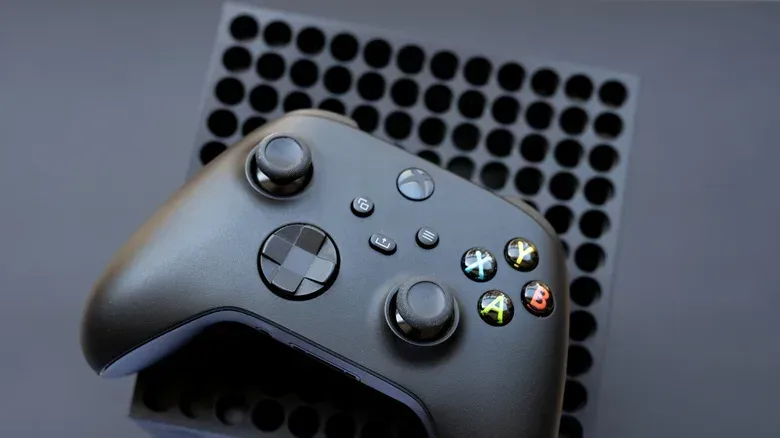
- Clean controllers gently. Microsoft recommends a soft cloth and an isopropyl alcohol, or IPA, solution. IPA is commonly used for electronics cleaning because it evaporates readily, but the recommendation is for careful exterior cleaning rather than casually soaking a controller.
- Do not turn routine cleaning into unnecessary disassembly. Opening the console can enable deeper cleaning, including work around the heatsinks and internal fan, but it also moves the job from basic upkeep into hardware work.
A heatsink is a component that transfers heat away from electronics so the cooling system can disperse it. Cleaning around the internal fan and heatsinks can be valuable when dust has built up, but owners should be realistic about their confidence and tools. Preventive placement and external cleaning are often the first line of defense; internal work is optional and should be approached carefully.
The same restraint applies to accessories. Controllers are used constantly and often receive less attention than the console itself, despite being the part players touch most. Keeping them clean and handling them carefully can stretch their service life, while replacing one is usually much less disruptive than dealing with a console failure. Anyone watching prices may also find value in periodically checking gaming deals that include controllers, rather than waiting for an urgent replacement.
Repairability is a strength, but each failure has a different difficulty level
The Series X is comparatively repairable, and that is a meaningful advantage for owners hoping to extend its life. “Repairable” should not be read as “every repair is simple,” however. Access to internal components may be fairly straightforward, while the technical skill required to replace a specific component ranges from manageable to highly specialized.
Several parts are notable potential failure points: the disc drive, the power supply unit and HDMI ports. The power supply unit provides the console’s electrical power. HDMI is the connection that carries video and audio to a display, so a damaged HDMI port can turn an otherwise functioning console into a machine that cannot properly connect to a television or monitor.
- Power supply, internal storage and antenna boards: These jobs may require little beyond a driver set, patience and careful handling.
- Disc drive: This is more involved and can require rudimentary soldering.
- HDMI port: Replacing a fixed port requires advanced microsoldering, a precision process for working with very small electronic connections.
That breakdown is important because it helps owners make a practical decision before they begin. A driver-set repair is not in the same category as soldering, and soldering is not in the same category as microsoldering. Attempting the latter without the required skills risks converting a single fault into more extensive damage. In those cases, professional repair is the safer route.
Some replacement parts are available directly from Microsoft, while other components may require searching third-party marketplaces. Availability can therefore affect the real cost and speed of a repair, even when the physical work itself is possible. Microsoft also offers out-of-warranty service, although it can be expensive and may not remain available indefinitely. Owners weighing repair against replacement should consider the exact failed part, their own repair ability, parts availability and the cost of official service—not simply the age of the console.
What “lasting” should mean for a Series X owner
The most defensible expectation is not a specific end year but a sequence. The Series X should continue to be a current-game machine in the near term, with major releases still planned for it. Its system software and broader ecosystem support could plausibly outlast the period when every major game targets the hardware, following the broad pattern seen with Xbox One. And its repairable design gives a cared-for unit a better chance of remaining useful when a replaceable component fails.
There are limits. No clear endpoint has been set for new Series X games, out-of-warranty servicing, spare-part availability or the arrival of Project Helix. Nor does the Xbox One precedent guarantee identical treatment for the current generation. But uncertainty cuts both ways: without a fixed successor date, there is no evidence that Series X owners need to rush toward a replacement.
For most people, the practical strategy is straightforward: keep the console ventilated and clean, treat unusual noise and overheating warnings as actionable signals, maintain controllers with the recommended materials, and seek the right level of repair help for the failure involved. That approach does not make hardware immortal, but it gives a still-powerful 2020 console the best chance to benefit from the years of software and game support that appear to remain.