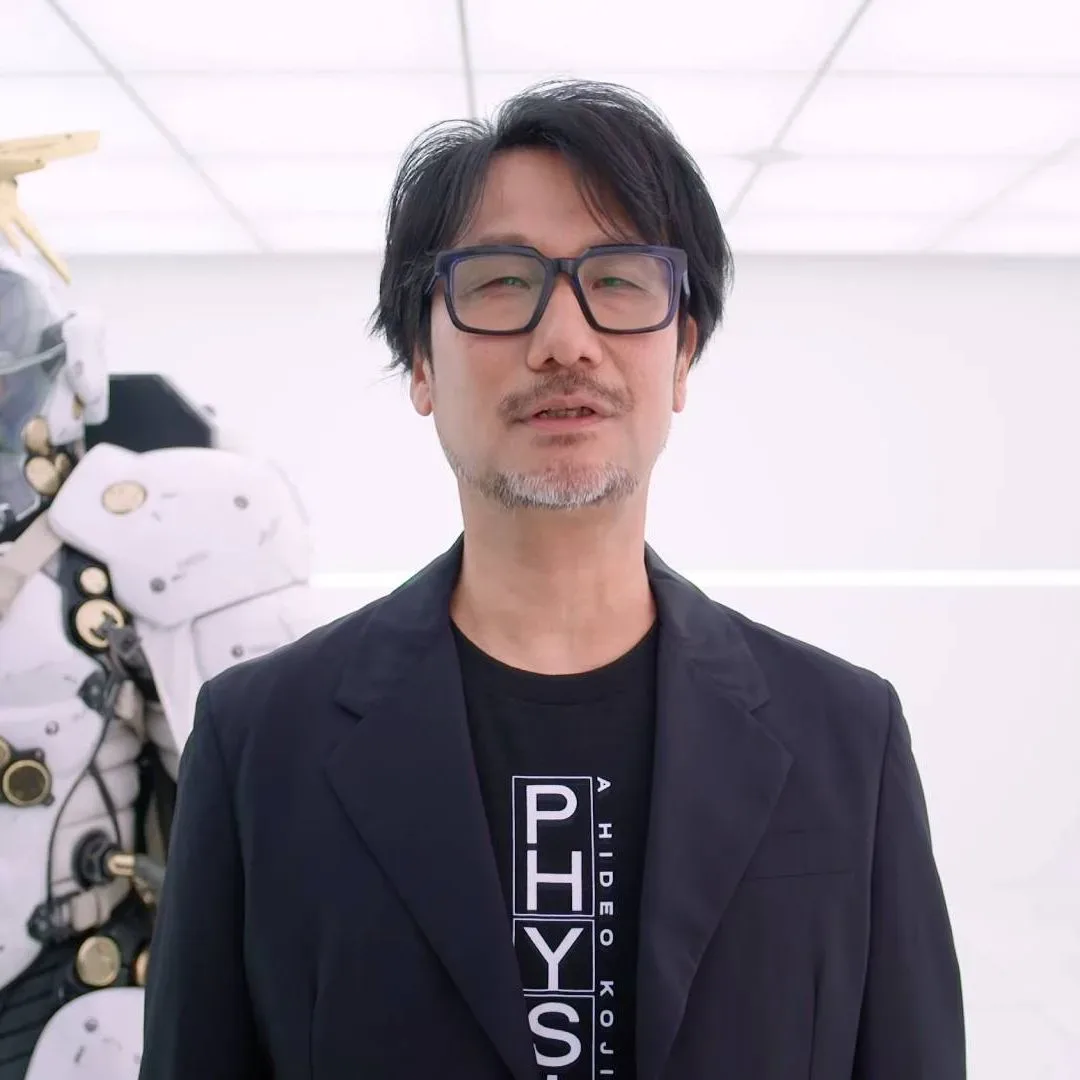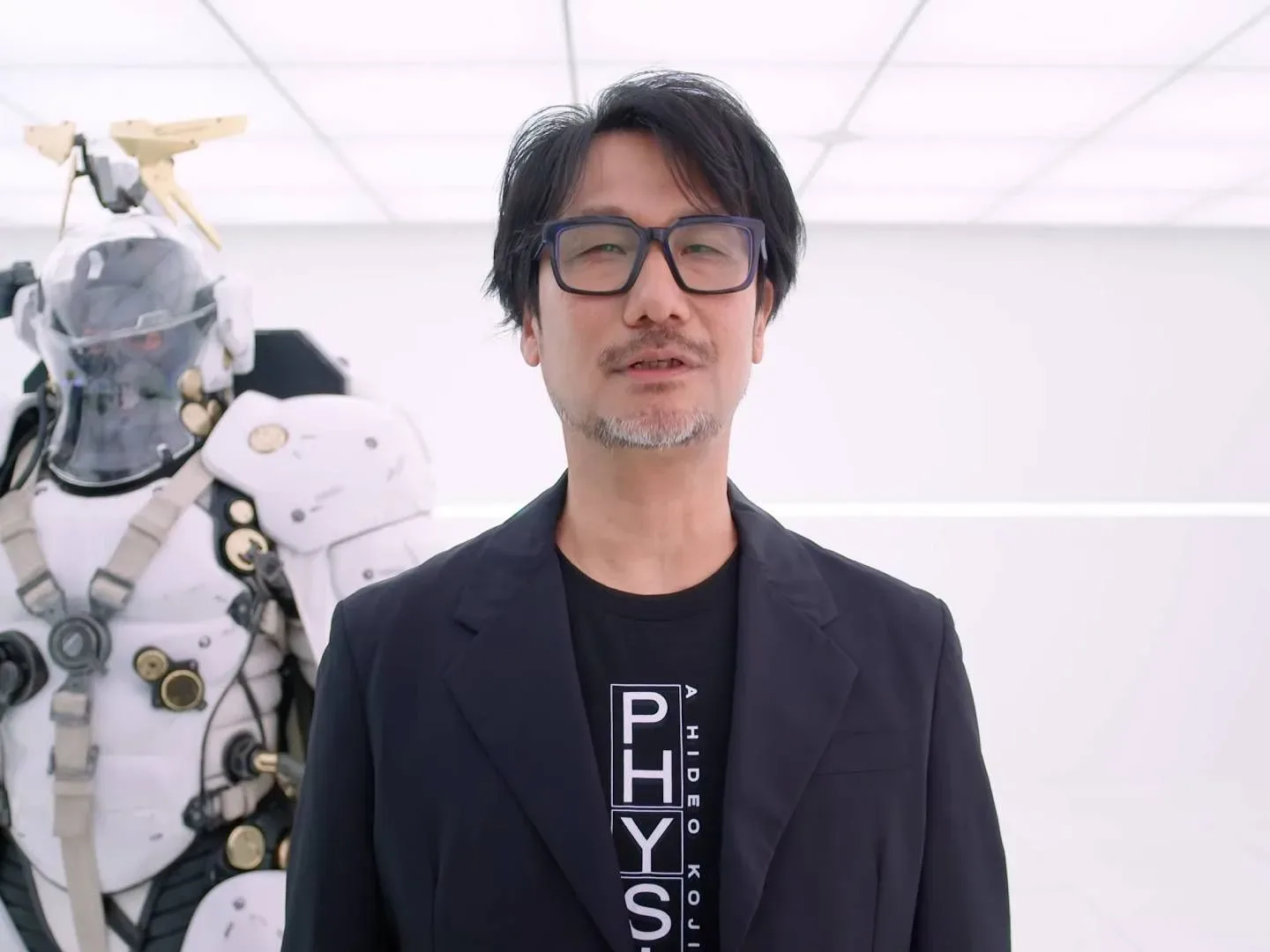
Hideo Kojima has offered a compact but meaningful status update on OD, the still-mysterious horror game being published by Xbox Game Studios. Speaking during an Xbox presentation at Tokyo Game Show, Kojima said the project is “progressing smoothly” after work involving its performers was able to resume this year.
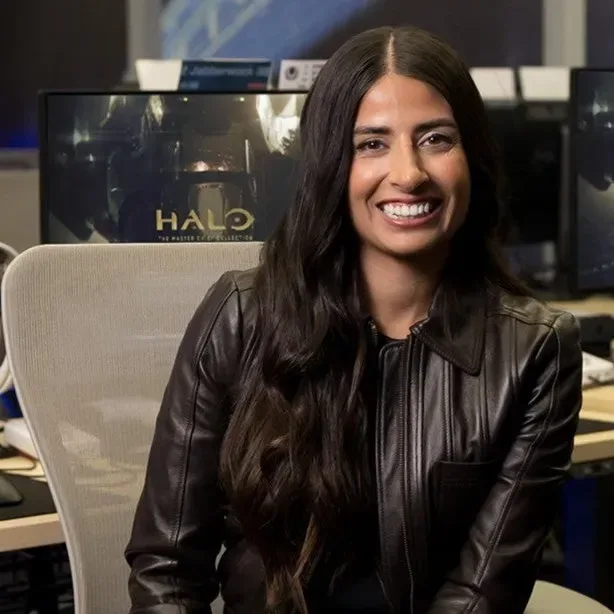
The central update concerns performance capture and ADR recording, both of which had been paused during the SAG strike. With those processes underway again, Kojima said production is proceeding on schedule. He also singled out Sophia Lillis, Hunter Schafer, and the wider team for what he described as intense, outstanding performances.
“OD is a completely new kind of game that tests the thresholds of fear.”
That is still a deliberately broad description, but it is one of the clearest statements yet about the project’s creative goal. Kojima said OD is taking shape through continual experimentation and iteration, with more information planned for a later date. Crucially, the update does not include a release window, platform specifics beyond Xbox Game Studios’ publishing role, gameplay details, or an explanation of exactly what form its horror will take.
What the resumed work means for OD
Performance capture is a recording process in which an actor’s physical movements are captured and translated into digital character animation. It can cover broad body movement, gestures, posture, and, depending on the setup, facial performance. In a project whose creator is emphasizing fear and intense acting, that work is potentially more than a technical production step: it may be central to how the game communicates unease, vulnerability, or a character’s reaction to whatever confronts them.
ADR, short for automated dialogue replacement, is the recording or rerecording of dialogue after an initial shoot or performance session. It is often used to refine line delivery, replace audio that was not usable in the original recording environment, or match dialogue to a changed scene. In a horror game, carefully controlled vocal work can matter enormously. A whisper, breath, pause, panicked line, or near-silence can all affect tension, although OD’s final approach remains unknown.
Neither process alone tells players what OD will be. A performance-heavy game could still take many forms, from a conventional narrative horror experience to something structurally unusual. But the fact that Kojima specifically highlighted both processes does establish that cast performance is an active and important element of its development. It also provides a concrete answer to the most practical question surrounding a project with few public details: its paused actor-related production work has resumed, and Kojima says the overall schedule is intact.
“Tests the thresholds of fear” is a promise, not a feature list
Kojima’s phrase about testing the thresholds of fear is evocative, but players should resist translating it into a confirmed mechanic. It does not establish whether OD uses first-person or third-person play, whether it will involve combat, how it handles player failure, or whether its scares will come from enemies, psychological pressure, sound design, branching narrative, or another system entirely.
What it does communicate is an ambition to explore the limits of what a game can make its audience feel. The phrase “completely new kind of game” similarly signals intent rather than a settled public description. Kojima paired it with “constant experimentation and iteration,” language that describes a development process of trying ideas, assessing their results, and refining or discarding them. That wording makes sense for a project attempting to define a fresh horror experience, but it also means the public should expect uncertainty until Kojima Productions and Xbox share a fuller reveal.
For now, OD is best understood as an in-development horror project with a named creative objective, confirmed performer involvement, and a production status update—not as a game whose moment-to-moment structure has been explained. That distinction matters. Horror audiences are especially quick to build expectations around a mood, a celebrity cast, or a cryptic premise. Those can be exciting ingredients, but they are not substitutes for confirmed information about the game itself.
The ghost discussion remains suitably strange
OD has already attracted attention for Kojima’s earlier comments about wanting to “scan a ghost” into the game. He also suggested that a ghost may already have been inadvertently recorded, though he did not present that as a certainty. In keeping with the unusual tone of the idea, he said he and Microsoft visited a shrine to ensure they had a safe build.
There is no practical production detail to draw from those remarks about OD’s release date or design. They do, however, fit the atmosphere surrounding the game: Kojima has presented it as a horror project interested in fear’s boundaries, while allowing the conversation around it to drift into the uncanny. Until more is disclosed, the ghost comments should be treated as part of the project’s public mystique rather than evidence of a confirmed in-game feature.
OD and Physint are both part of Xbox’s publishing slate
The Tokyo Game Show presentation also placed OD alongside Physint, Kojima’s espionage project, with both now published by Xbox Game Studios. The broader significance is that Xbox is attached to two games with very different stated identities: OD is framed around experimental horror, while Physint is an espionage title.
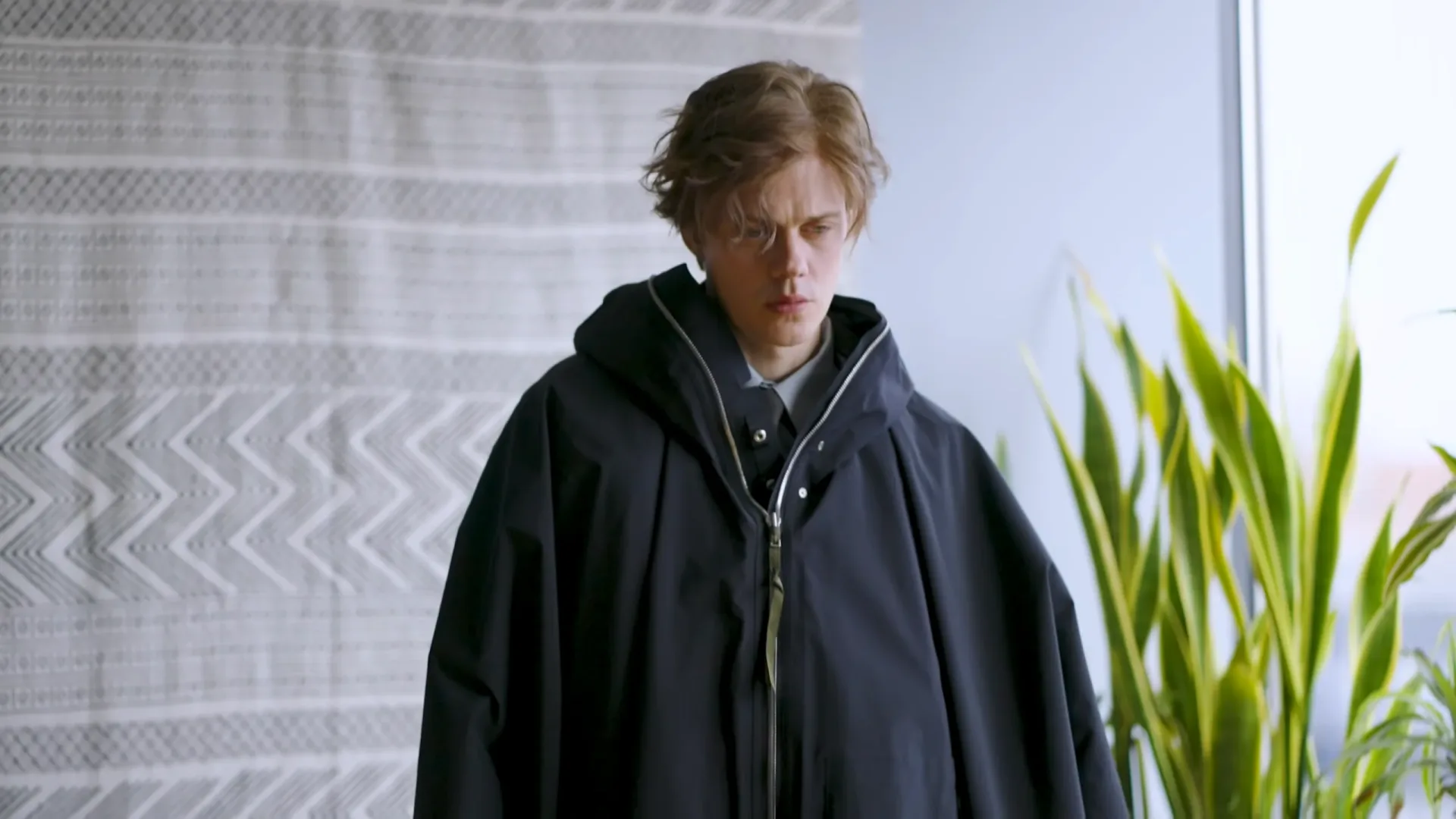
Physint received its own casting news at the event. Bill Skarsgård, known for roles in John Wick 4 and Nosferatu, was revealed as the game’s lead actor. Kojima described the pair as long-time admirers of each other’s work. For more on that announcement, see Bill Skarsgård’s role in Xbox-backed Physint.
The two updates are connected by publisher and creator, but they should not be conflated. Physint’s casting reveal does not reveal anything further about OD’s gameplay or launch plans, just as OD’s resumed performance-capture work does not define Physint’s schedule. The common takeaway is narrower: both projects were addressed at the same presentation, and both are now associated with Xbox Game Studios publishing.
What players can reasonably take from the update
There are a few firm points to carry forward from Kojima’s remarks:
- OD’s performance-capture and ADR work had been paused during the SAG strike, then resumed this year.
- Kojima says production is proceeding on schedule and the project is progressing smoothly.
- Sophia Lillis and Hunter Schafer are among the performers whose work Kojima highlighted.
- OD is being described as a new kind of game focused on testing the thresholds of fear.
- The project remains in an experimental, iterative phase, with further details still to come.
- No release window was announced.
The final point is the most important for anyone hoping to plan around OD’s arrival. “On schedule” does not tell the public what that schedule is. It means the team’s internal plan is currently moving as intended after the resumption of its paused recording work. It should not be read as a hidden release-year confirmation.
That restraint is warranted because OD’s known facts are still selective. The game has prominent actors attached, a publisher, a director describing a specific emotional target, and a report of resumed production activity. It does not yet have a public launch timetable or a detailed explanation of its interactive design. The update is encouraging precisely because it is concrete where it needs to be: a disrupted portion of development is active again, and the project is continuing on schedule.
For horror fans, the wait remains part of the story. Kojima’s latest comments establish that OD is not standing still, while preserving the mystery around what “a completely new kind of game” will actually mean once the curtain is lifted.