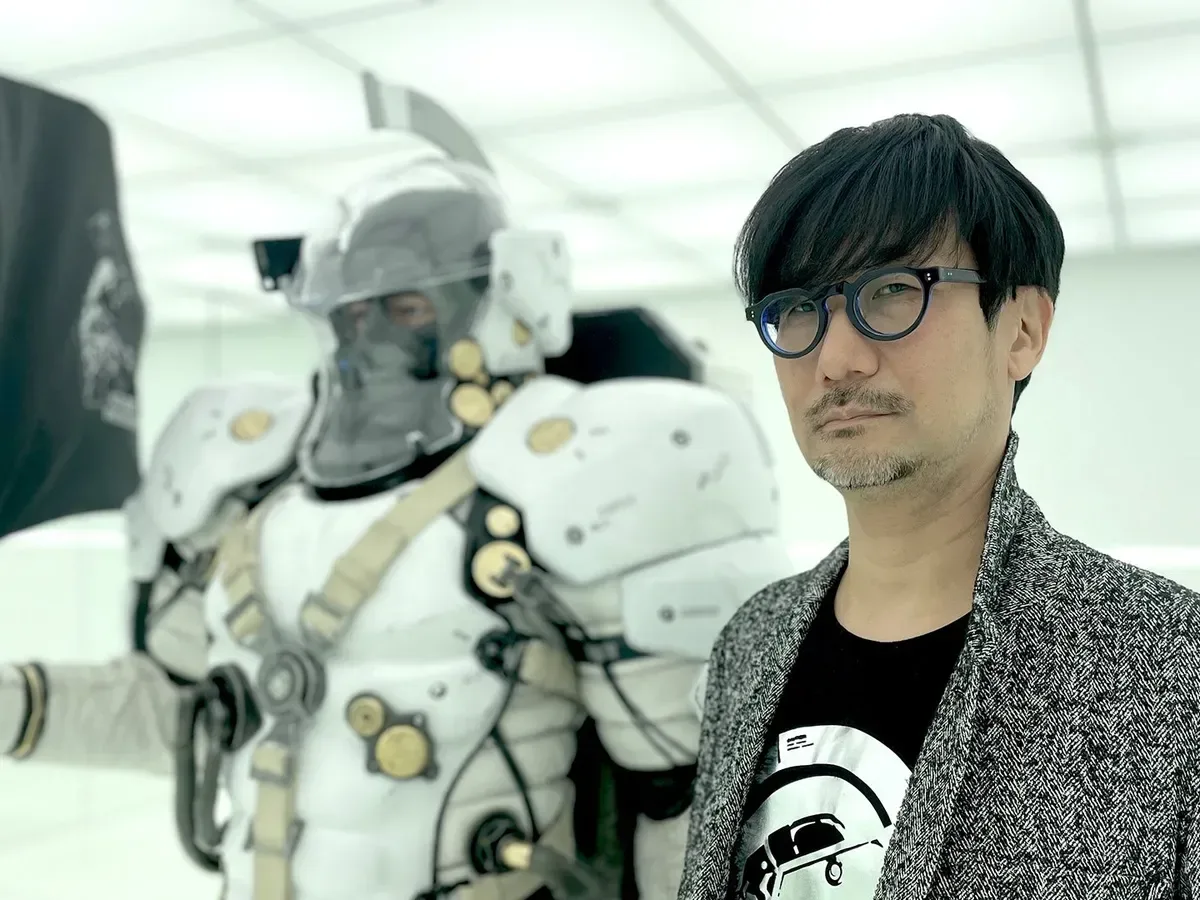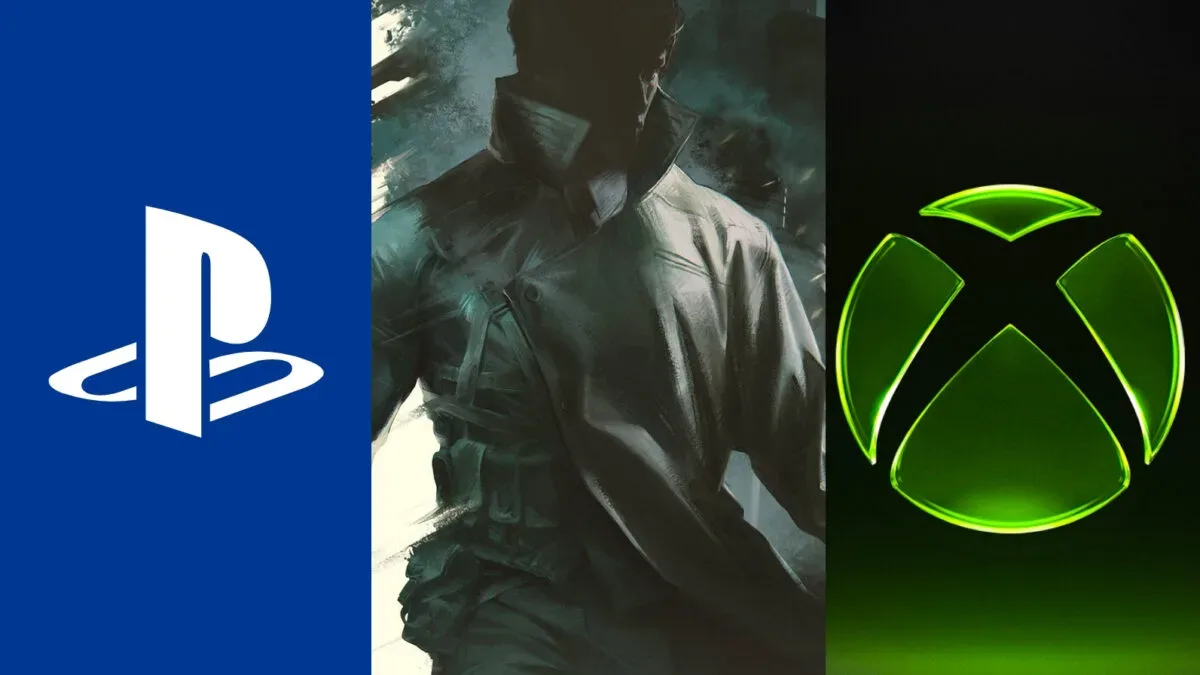
Xbox Game Studios is set to publish two upcoming projects from Hideo Kojima: the horror game OD, also referred to as Overdose, and the detective thriller Physint. Kojima has recently spoken about both games while offering few concrete details, saying development is moving ahead while maintaining his preference not to reveal too much too early.
That limited update is enough to make the pairing significant. Kojima is a creator whose projects attract attention well before their mechanics, release timing, or final platform plans are fully known. For Xbox, publishing two games associated with Kojima Productions creates a prominent creative partnership without requiring the company to acquire the studio outright. In a period where big technology and games businesses are being judged as much by their restructures as by their games, that distinction matters.
The picture is complicated by the reported history of Physint. The game had been associated with PlayStation as a PS5-exclusive publishing arrangement, but Kojima has alleged that Sony canceled that plan. The supplied information attributes the collapse of that arrangement to concerns involving budget, missed deadlines, and the game not being truly exclusive, though those reasons should be treated as reported claims rather than independently established fact. Xbox subsequently became the publisher after Kojima pitched the project to the company.
That reported handoff has naturally invited a familiar round of platform-versus-platform commentary. But the more useful question is not which logo appears to have scored a point. It is what this deal says about how Xbox can compete for attention, projects, and player goodwill without making another enormous purchase.
Two projects, and a deliberately incomplete picture
Kojima has indicated that OD and Physint are progressing, but he has not turned the update into a detailed feature list or release roadmap. That restraint is consistent with the public identities of both projects as mysteries first and fully defined games second.
OD is described as a horror game. Physint is described as a detective thriller, and Kojima has said it is “quite different” from Metal Gear. That clarification is important because the comparison is easy to make: Kojima’s name is closely associated with stealth-action games, and a thriller can suggest espionage at a glance. Yet “quite different” is also not a design document. It does not establish what players will actually do, how either title will be structured, which technology they will use, or when they will arrive.
For now, the practical takeaway is modest: Xbox has a publishing relationship covering two separate Kojima Productions games with different stated genres. Players should avoid treating the association alone as confirmation of release dates, gameplay systems, additional platforms, or exclusivity terms beyond what has specifically been stated.
What a publishing partnership means
A publishing partnership is not the same thing as studio ownership. The publisher is attached to bringing a game to market, while the developer remains a separate company. That can give a platform holder access to a distinctive project and the attention around it without folding the developer into a corporate structure.
Related coverage includes Xbox's Kojima Partnerships Could Matter More Than Another Major Acquisition.
In this case, the arrangement lets Xbox associate itself with Kojima’s work while Kojima Productions remains independent. It also avoids reducing every business relationship to the acquisition question: who bought whom, what teams are being integrated, and which brands now sit under which corporate umbrella.
That does not make publishing simple or risk-free. A high-profile partnership still depends on development progress, mutual expectations, financing, production realities, and a launch plan that has yet to be disclosed publicly. It does, however, offer a different kind of bet: one centered on a specific creator and specific projects rather than permanent ownership of an entire organization.
Why the Physint change has drawn so much attention
The reported move of Physint from PlayStation to Xbox has emotional weight because Kojima’s work has had a major public association with PlayStation. A publisher switch involving a creator of his stature can easily be framed as an upset in an old rivalry, particularly when the game in question is still largely undefined.
But there is a risk in overreading the situation. A deal changing hands does not, by itself, reveal the quality of the game, prove one company has a universally better strategy, or settle a wider debate over hardware and services. It shows that publishing agreements can change and that a sought-after independent developer can find a new partner when circumstances shift.
It also gives Xbox an unusually direct way to tell a story about flexibility. The company is not simply linked to a game it funded years ago; it is reportedly the new publishing home for a project previously expected to be tied to a competing platform. That is a powerful narrative even before Physint has shown the public much of what it is.
For PlayStation players, the meaningful issue is not abstract scoreboard language. It is that a project once linked to the PS5 is now reported to be published by Xbox. The eventual impact on where and how people can play will depend on plans that have not been detailed here. Until those plans are formally laid out, certainty about the game’s reach would be speculation.
Strategic partnerships versus buying studios
Xbox has been associated with expensive mergers and acquisitions, including Microsoft’s $75 billion purchase of Activision Blizzard. Acquisitions can bring intellectual property, development teams, and publishing capacity under a single owner. They can also dominate the public conversation, particularly when the industry is already navigating restructuring and studio changes.
The Kojima deals point toward a different route. Rather than purchase Kojima Productions, Xbox can publish games from the studio and benefit from the interest those projects generate. In commercial terms, it is a targeted relationship. In cultural terms, it connects the Xbox brand with one of the industry’s most recognizable creators.
There is no basis here to declare that Xbox has permanently abandoned acquisitions or that every future investment will resemble the Kojima arrangement. The available information supports a narrower observation: these two deals demonstrate that partnerships are capable of delivering prestige and attention that might otherwise be pursued through ownership.
That is especially relevant because creator identity still carries unusual force in game marketing. Kojima’s decision to withhold substantial information does not diminish attention; in many cases it concentrates it. Fans will watch for every update about OD and Physint, and Xbox becomes part of the conversation simply by serving as their publisher.
For a broader example of Xbox’s continuing lineup being discussed through individual creators and projects, see Peter Molyneux’s interest in the new Fable.
A partnership cannot erase questions around Xbox
The goodwill generated by a marquee partnership exists alongside difficult reports about Microsoft’s broader restructuring. The supplied information says an ongoing “Xbox Reset” under CEO Asha Sharma has brought confusion and has involved the divestment or disbanding of developers including Ninja Theory and Undead Labs, while Bethesda and Obsidian have merged.
Those changes matter because players do not assess a platform only through its next announcement. They also look at whether studios have stability, whether teams can finish the work they start, and whether a company’s public strategy seems coherent from one month to the next.
Two Kojima projects will not answer all of those concerns. They may help Xbox regain attention and positive sentiment, but a partnership is not a substitute for clarity about organizational change. The same contrast is true in reverse: restructuring news does not eliminate the importance of securing distinctive games. Both developments can shape public perception at the same time.
The practical lesson for Xbox is that prestige announcements are strongest when they sit beside clear communication about the people and studios responsible for making games. A publishing arrangement can be a compelling signal of ambition; it does not automatically resolve anxiety about the wider business.
PlayStation’s own pressures shape the reaction
The Physint story is landing amid discontent attributed to PlayStation’s direction. Sony has reportedly faced criticism from PS5 owners after a decision to end physical disc production by 2028, with some players staging a PSN blackout in protest. The supplied information also characterizes Sony as moving toward a digital-only future, while noting that Xbox has announced no equivalent plan.
Digital-only discussions are often about more than a disc drive. For some players, physical media represents the ability to buy, keep, lend, resell, or display a game independently of a digital storefront. Others prefer digital libraries for convenience. Neither preference changes the reported facts around Physint, but the wider frustration helps explain why a publishing shift involving Kojima has provoked an outsized response.
Still, a pending game should not be used as a stand-in for every dissatisfaction with a platform holder. Sony’s physical-media policy, the alleged cancellation of a publishing deal, and the future details of Physint are related in public debate, but they are separate issues. Keeping them separate is the clearest way to understand what is known and what remains unconfirmed.
What players can reasonably watch for next
With Kojima declining to disclose much about either game, there are only a few firm points to follow. OD is the horror project; Physint is the detective thriller; Kojima says the latter differs substantially from Metal Gear; and Xbox Game Studios is set to publish both. Beyond that, the biggest unanswered questions are conventional but consequential: what each game actually is, when it will be released, and what platforms will be included.
- For OD: a clearer explanation of its horror premise and a substantive look at how it plays.
- For Physint: details that explain its detective-thriller identity without collapsing it into assumptions based on Kojima’s earlier work.
- For Xbox: a clearer account of how high-profile external partnerships fit beside the company’s changing internal studio structure.
- For players on every platform: confirmed availability information rather than conclusions drawn from an initial publishing announcement.
The console-war framing is easy, but it is not the whole story. Xbox’s relationship with Kojima Productions is most notable because it demonstrates the value of a focused partnership at a time when ownership, restructuring, and platform strategy are all under scrutiny. Two mysterious games will not settle those debates. They do ensure that Xbox has a prominent place in them.