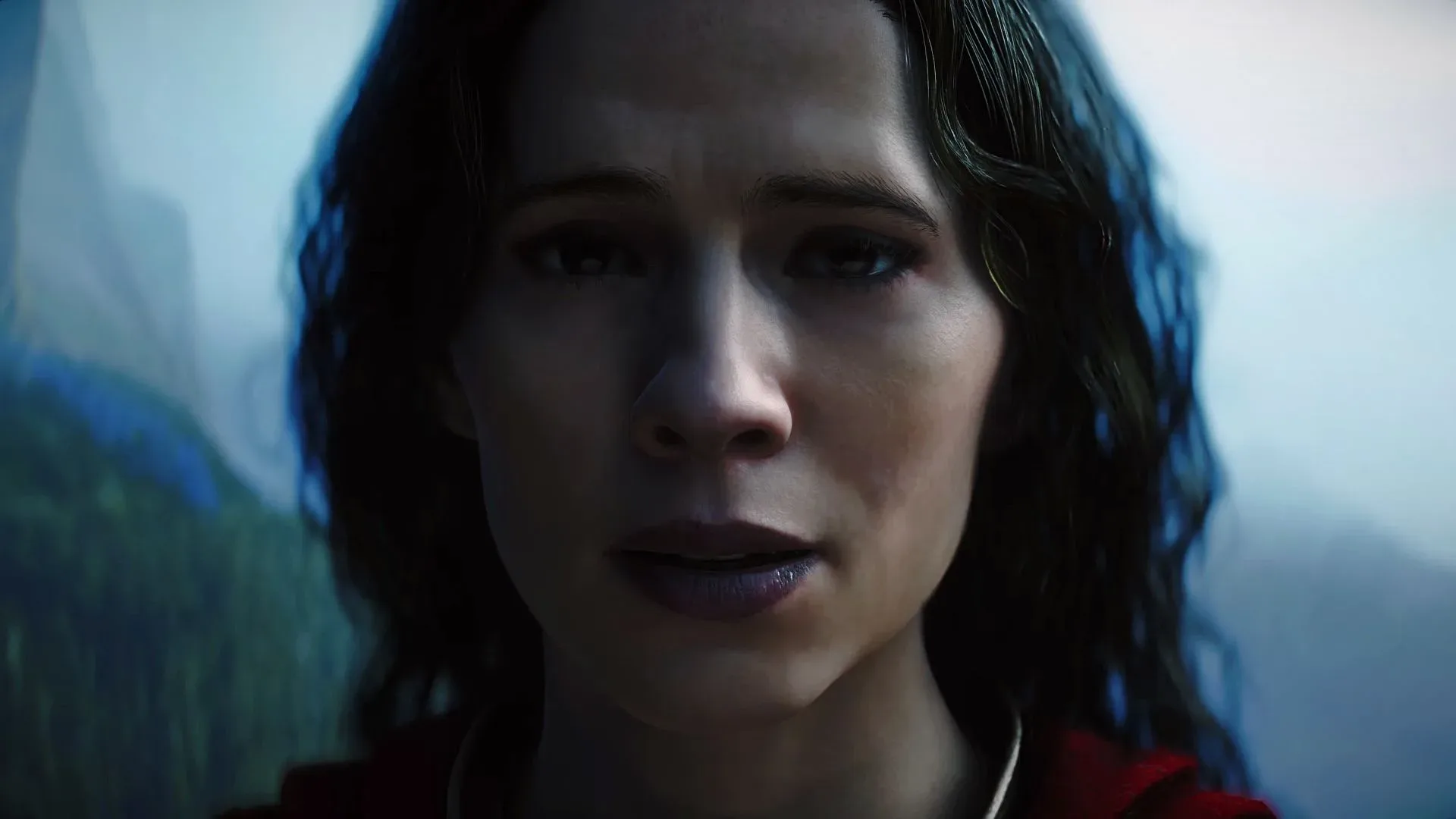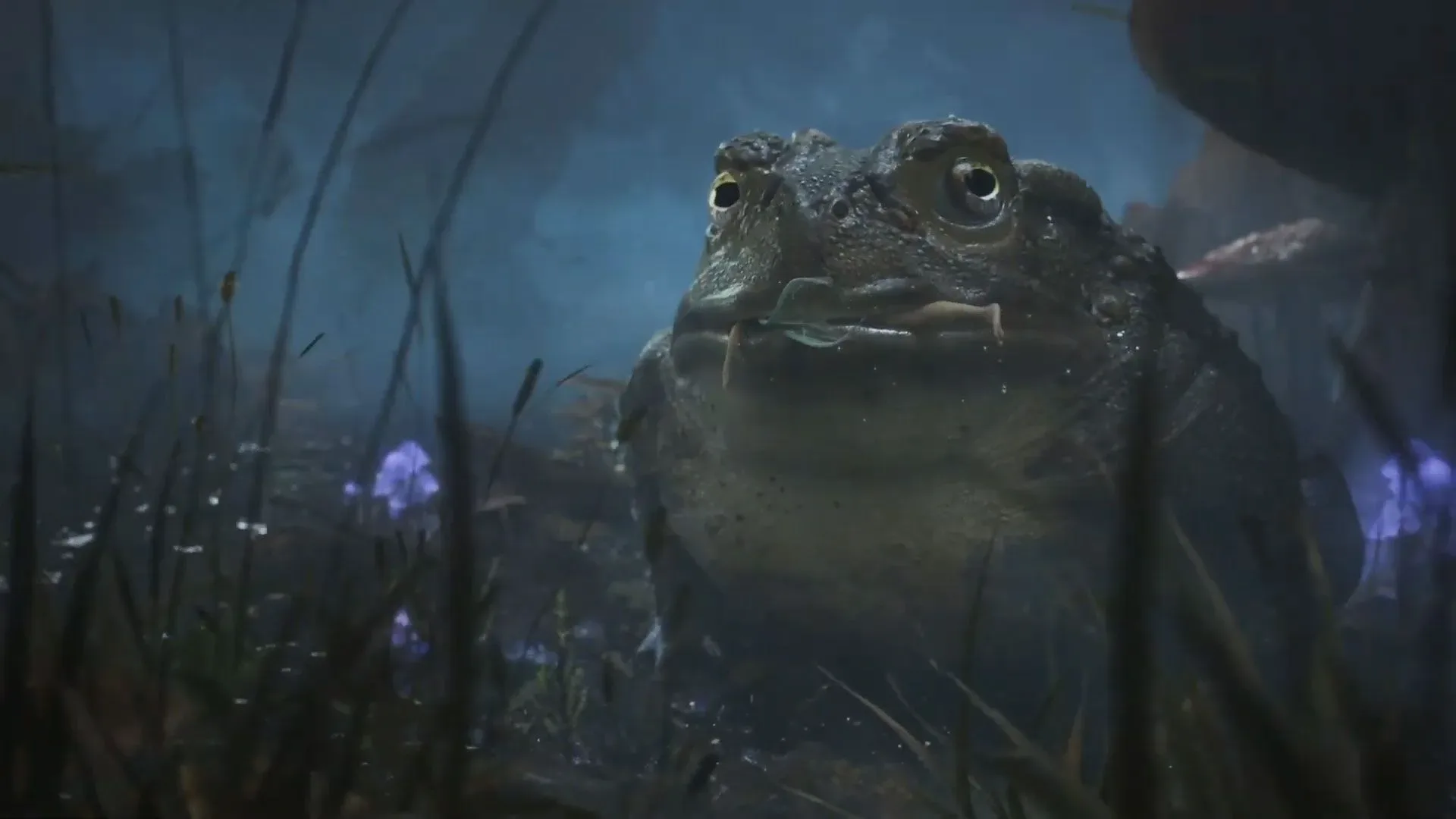
Peter Molyneux, a key creative figure behind the original Fable, is looking at Playground Games’ upcoming reboot from an unusual position: not as a developer on the project, but as a player waiting to discover it for himself.
That distinction matters. Molyneux says he is proud that the series is continuing and has enjoyed seeing the new game take shape, but he will not have the familiarity that comes with building a game and repeatedly testing every part of it. In his words, this may be the first Fable he gets to play simply “as a gamer.”
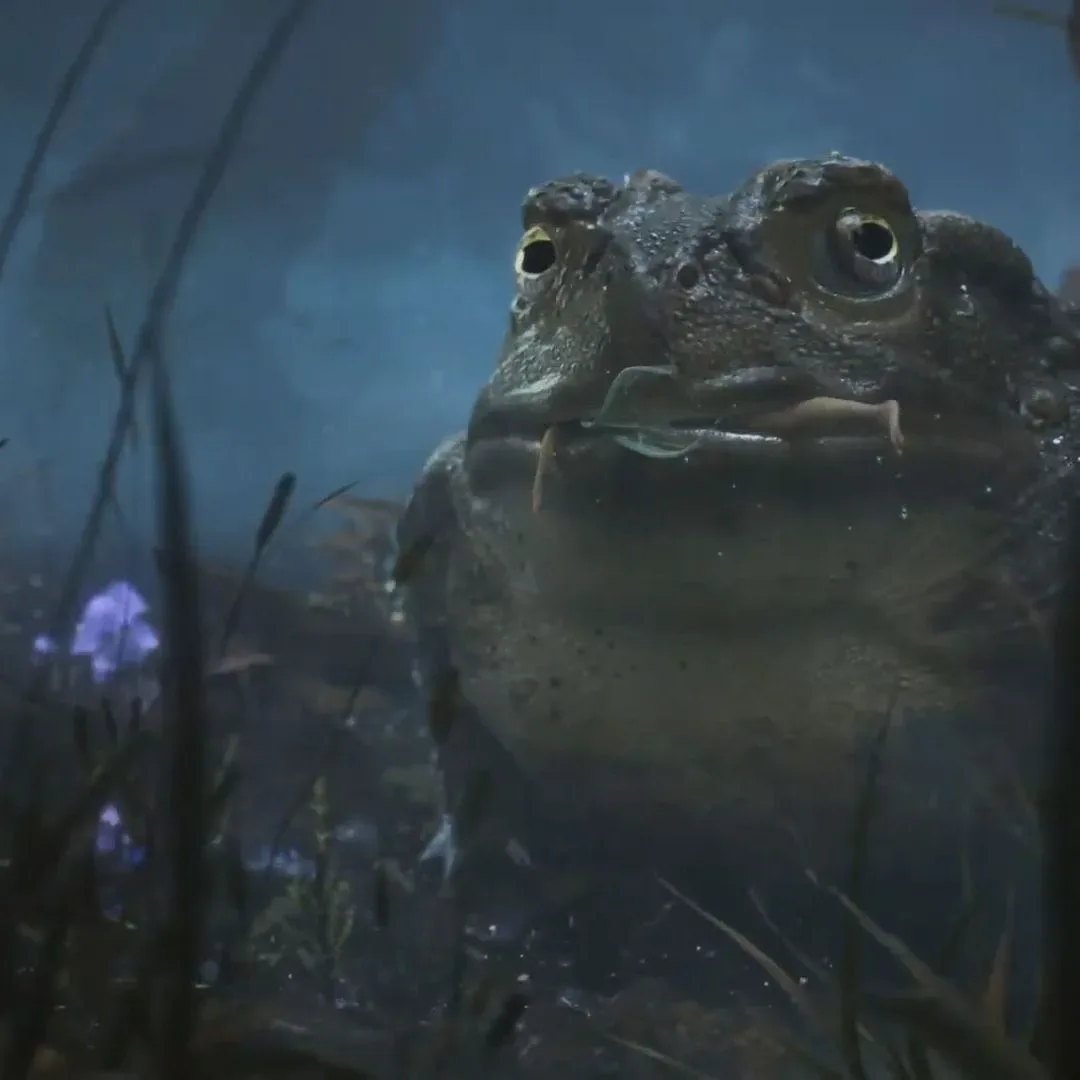
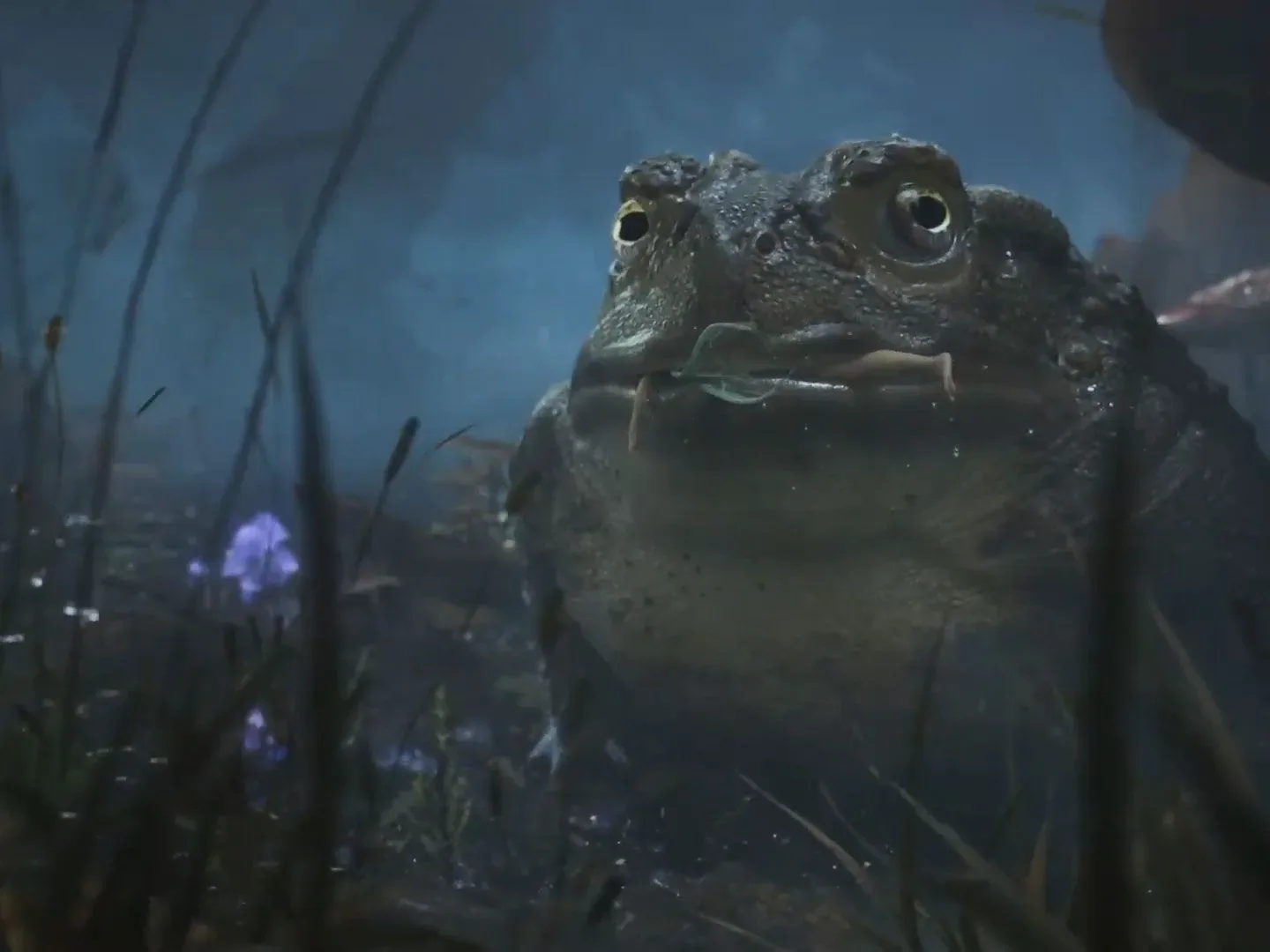
His current enthusiasm is notably more confident than his initial reaction to the game’s first substantial trailer, shown during the 2023 Xbox Games Showcase and featuring comedian Richard Ayoade. Molyneux said that trailer made him “a little bit worried” because it seemed too fairy-tale-like. Subsequent gameplay footage, however, has changed his outlook. He now says he has been encouraged by what he has seen and believes the reboot is retaining much of what made Fable distinctive.
Why the tonal balance is important
The concern is less about whether a fantasy RPG can contain fairy tales—it plainly can—than about whether its atmosphere has enough texture, oddness and consequence. Molyneux had previously described an early impression of the reboot as slightly “antiseptic,” while also expressing hope that the developers would add the character and dirtiness he associates with the world.
That is a useful way to frame the challenge for any revival. A polished fantasy setting can be visually inviting without necessarily feeling lived in. The original series’ identity, as reflected in Molyneux’s comments, was not only bright storybook imagery. It also depended on personality: a world with rougher edges, comedic strangeness and visual reactions to the player’s conduct.
Recent footage appears to have reassured him that the project is reaching for that broader tone. “They’re keeping a lot of what made Fable different and special,” he said. That is an encouraging endorsement, but it is still an assessment of footage rather than a detailed confirmation of systems, story structure or the final game. There is no reason yet to treat it as a full account of how the reboot will play from beginning to end.
The big remaining question: alignment
Even with his renewed optimism, Molyneux singled out one major uncertainty: the alignment system and the way it may visibly affect the game world.
Alignment, in role-playing game terms, generally refers to a framework that tracks player decisions in moral, behavioral or factional terms. The supplied information does not establish exactly how the new Fable will implement such a system, what decisions it will count, or how dramatically it will alter quests and characters. What Molyneux is specifically interested in is the visual side: whether and how a player’s alignment changes the world they see.
Related coverage includes Peter Molyneux Says He 'Can't Wait' to Play the New Fable as a Fan.
That visual emphasis is especially important to the series’ personality. A system is easier for players to understand when the game communicates its effects clearly. If choices influence appearance, surroundings or the way the world presents the hero, then morality is not merely an invisible number on a menu. It becomes part of the player’s ongoing relationship with the setting.
There is a balance to strike, though. Strong visual feedback can make decisions feel meaningful, while overly simple feedback can reduce complicated choices to obvious good-or-bad signposting. Molyneux’s curiosity does not tell us where the reboot will land. It does underline that the alignment feature is likely to be judged not just by whether it exists, but by whether it feels legible, expressive and connected to the world.
That same question of consequence is increasingly central across RPGs. For another example of how a fantasy online game is emphasizing discovery alongside action, see our look at The Elder Scrolls Online’s focus on secrets, puzzles and exploration. The approaches are different, but both point to a familiar RPG expectation: players want their engagement with a world to extend beyond simply winning fights.
Approachable combat remains part of the conversation
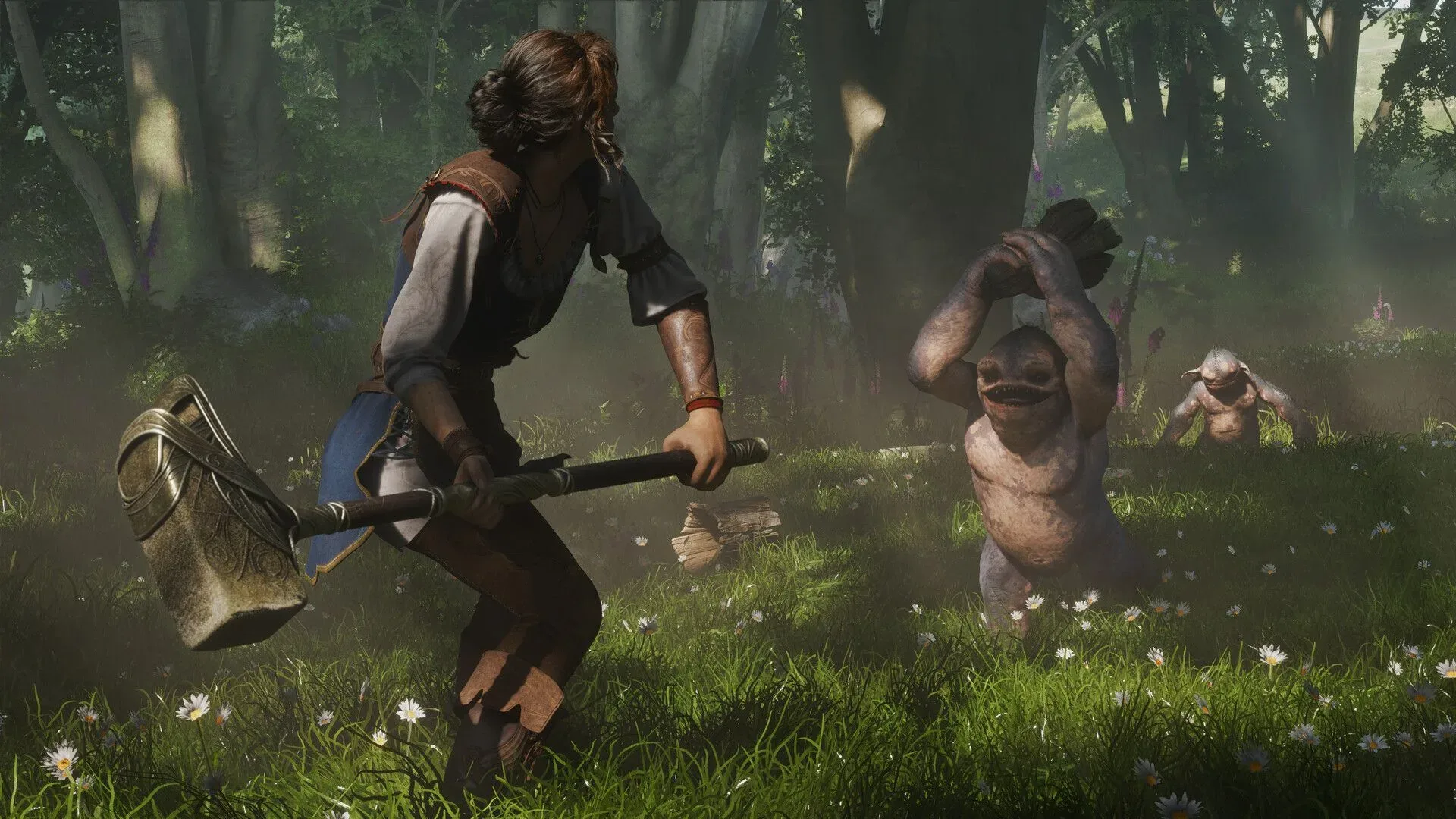
The reboot also arrives with a stated sensitivity to the original games’ approachability. The earlier Fable combat is described as having a legacy of being approachable, and the development team does not want to lose that quality in the new RPG.
Approachable combat does not necessarily mean shallow combat. It usually means that the fundamentals are readable: players can understand what actions do, respond to threats without excessive friction, and participate effectively without needing to master an elaborate set of inputs before the adventure becomes enjoyable. For a series remembered for broad appeal and an immediately understandable fantasy premise, preserving that accessibility could be just as important as modernizing presentation and scale.
There is still much that has not been detailed. The available remarks do not define the reboot’s combat options, difficulty structure, progression systems or how alignment might intersect with fighting. They do establish a design priority: whatever new ideas the game introduces, it is not aiming to discard the welcoming feel associated with the series’ original combat.
A former creator gets the player’s perspective
Molyneux’s comments also carry an emotional dimension beyond ordinary sequel anticipation. He has said he was moved on seeing the series continue, even tearing up at the thought that something he helped create would live on. That reaction is understandable in the context of a reboot: it is both a continuation and a handover.
He is no longer responsible for making the decisions that determine the final result. Instead, he will encounter the new version with questions similar to those facing longtime fans. Does it preserve the qualities that made the series memorable? Does its tone have enough bite beneath the fantasy surface? Does alignment visibly matter? And can combat stay welcoming while fitting a new production?
Molyneux says he expects to be “first in the line” to play it. For the reboot, that is a compact but meaningful vote of confidence from someone whose early hesitation has turned into anticipation. It should not be mistaken for a complete verdict before release, but it does show that the latest material has persuaded one of the franchise’s foundational figures that the new team is moving in a promising direction.
The new Fable is drawing closer to its planned release next year. Until more specific detail is available, the clearest signals are tonal rather than mechanical: a desire to retain what made the series special, preserve accessible combat, and give players an alignment system whose effects are visible in the world around them.