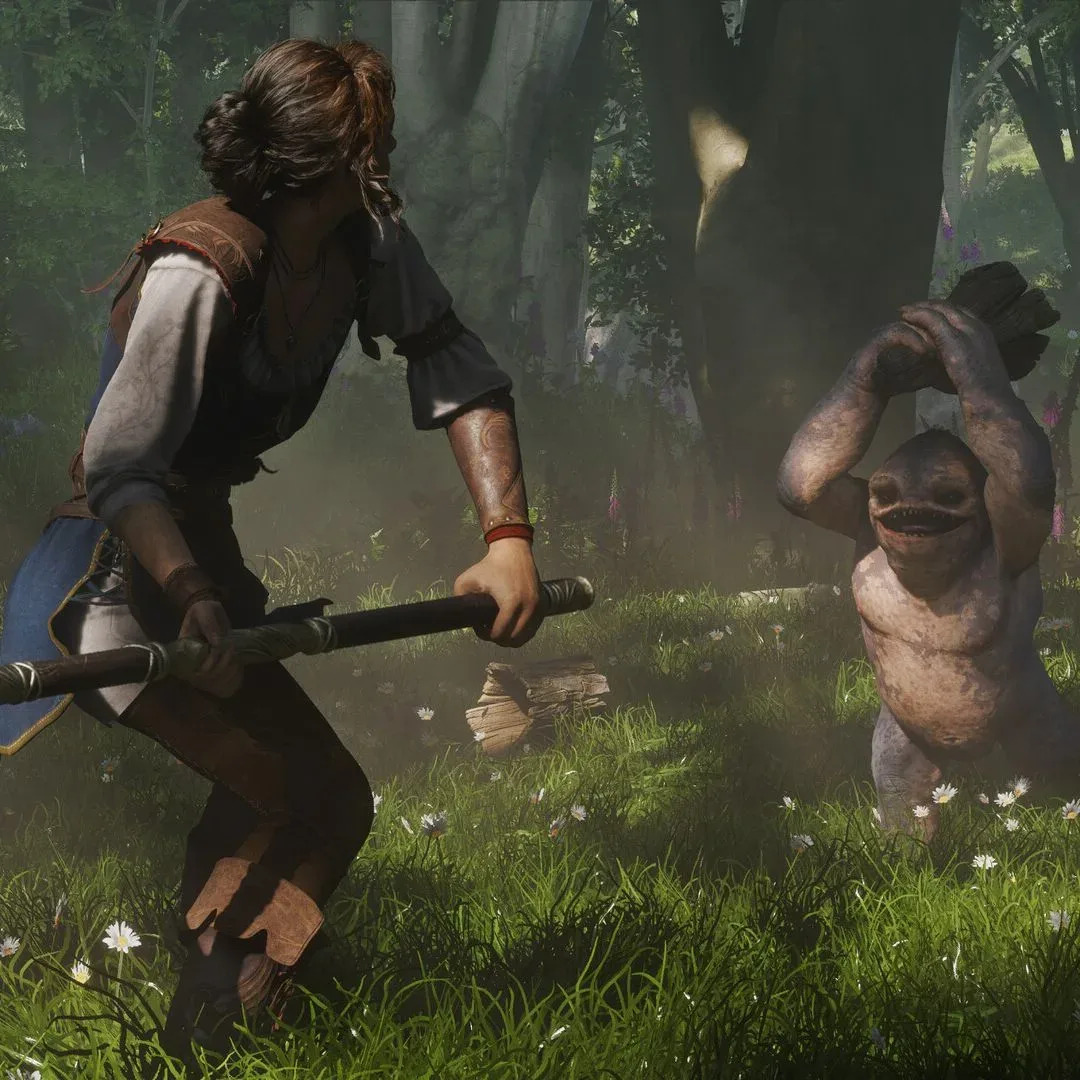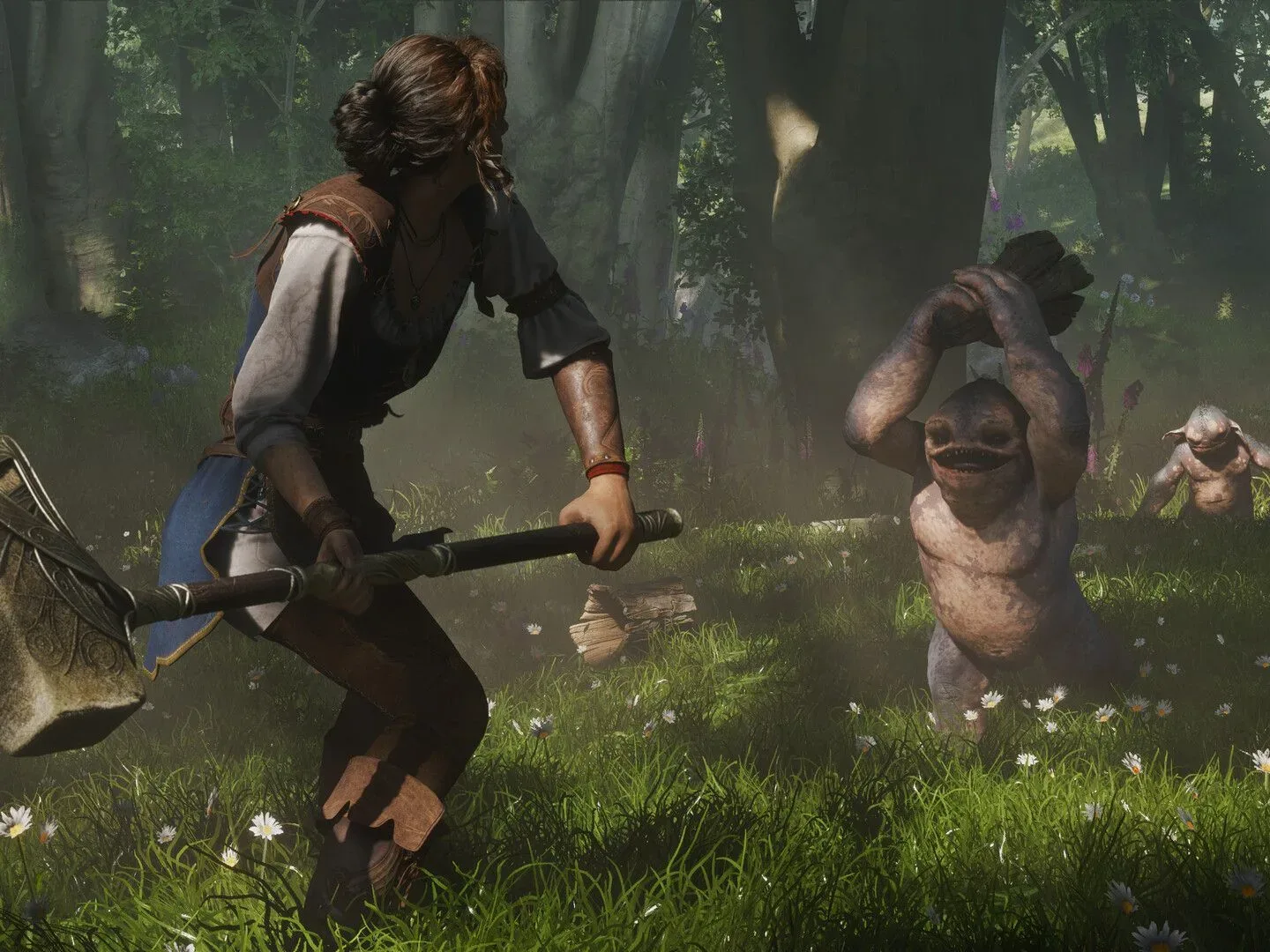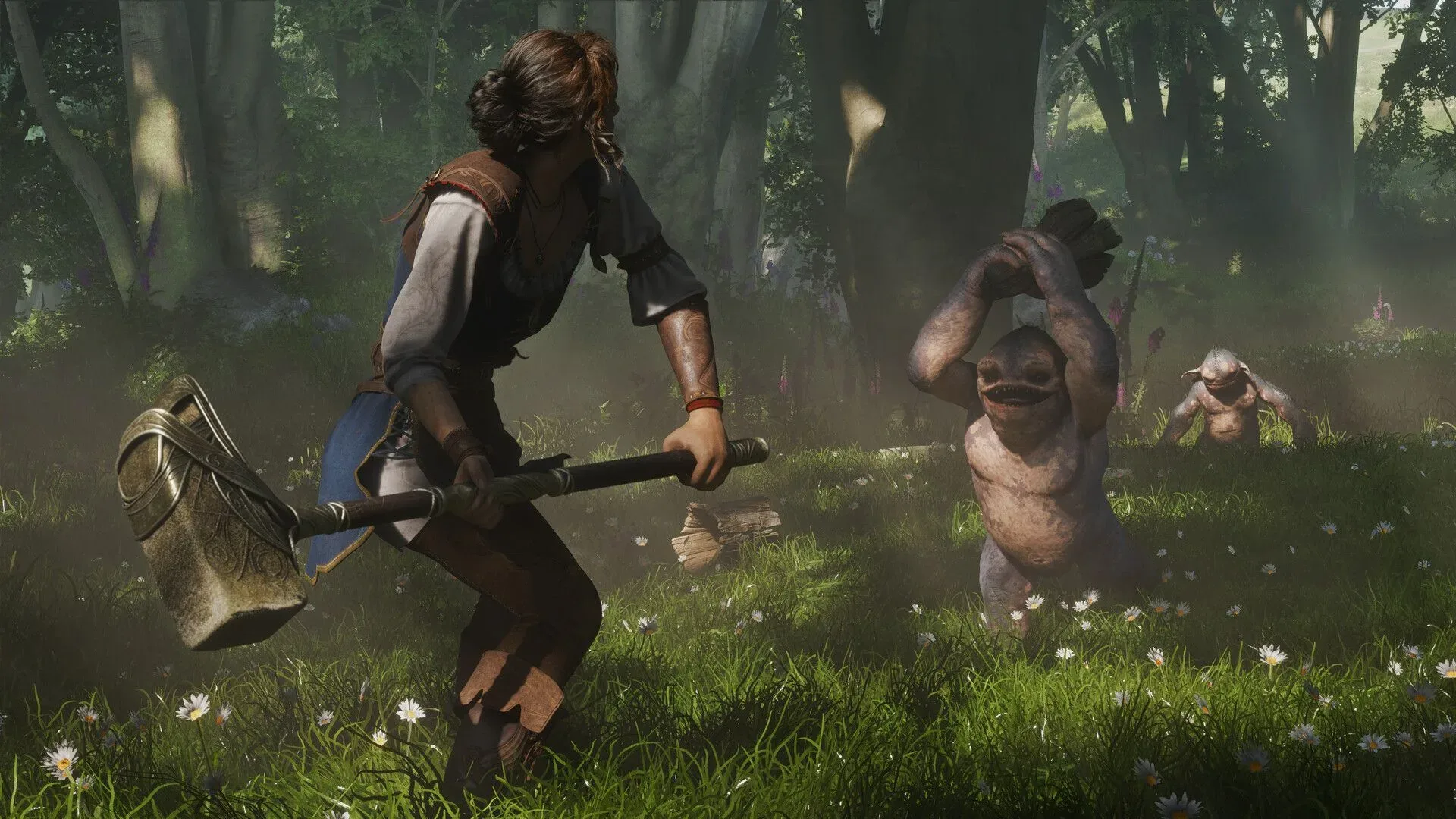
The next Fable is not trying to turn every goblin, Hollow or unfortunate poultry victim into a test of endurance. Its developers are positioning combat around the series’ approachable roots, while building in optional tactical details for players who want to look beyond the basic swing, shot and spell.
That distinction matters. “Approachable” can too easily be mistaken for shallow, particularly in an era when difficult action RPG combat is often treated as the default measure of depth. The design described here points to a different idea: a player should be able to understand the fundamentals quickly, yet gain extra control and entertaining results by noticing how enemies react and how systems overlap.
For Fable, that is an especially fitting direction. The series’ identity is not solely a matter of winning fights efficiently. It is also about choices, personality, consequences and oddball fantasy comedy. The newly described combat details suggest a game that wants violence to have character rather than merely functioning as a gate between story scenes.
Easy to enter does not mean automatic
Associate director Will Kennedy said the original Fable games established a legacy of accessible combat, and that history remained important while the new system was developed. This should set expectations carefully: the game is not being framed as a punishing, Souls-style action RPG where repeated failure and precise defensive timing are the central attraction.
That does not tell us every detail of how its combat controls, progression or difficulty settings will work; none of those specifics have been outlined here. It does establish the team’s priority, however. Players should be able to engage with the action without needing mastery of an intimidating technical vocabulary or the reflex demands often associated with the hardest action games.
Crucially, accessibility and depth are not opposites. A combat system can provide a clear initial toolset, readable enemy reactions and forgiving fundamentals while still rewarding observation. The reported examples in Fable lean into that latter kind of depth: effects that make logical or comical sense in the moment, rather than complexity that exists only in menus or elaborate input strings.
Targeted arrows give Hollow enemies distinct reactions
The clearest tactical example involves arrows and the undead enemies called Hollow. Players can aim at particular body parts. Hitting a Hollow in the leg can knock it down, after which it crawls toward the player. Removing its head produces a different response: the enemy loses its sense of direction. In the case of a ranged Hollow, that disorientation means it can fire in every direction instead of effectively attacking its intended target.
That is a useful illustration of what targeted damage means in this context. It is not simply a larger damage number for a fortunate hit. It is a status effect: a strike changes what an enemy can do and therefore changes the immediate shape of the encounter. A leg shot may reduce mobility; decapitation can interfere with targeting. Players can potentially create breathing room, undermine a ranged threat or just enjoy the absurdity of an undead foe spraying shots uselessly around the battlefield.
Related coverage includes Fable's New Combat Aims for Accessibility While Hiding Smart Tactical Depth.
There is no indication that every enemy will have the same anatomy-based reactions, or that every body part can be targeted in every situation. Those would be substantial system claims that have not been made. But the Hollow example is significant because it demonstrates that enemy-specific behavior is part of the design. The best response may not always be to attack whichever target is closest with the strongest available move.
It also has a practical readability benefit. When an enemy falls and crawls after a leg hit, or visibly loses its way after losing its head, the player receives an understandable signal that their decision mattered. Rather than asking players to infer a hidden numerical debuff, the game appears to communicate the result through animation and behavior.
Fable’s spells are making room for the joke
The more recognizably Fable-like side of the system is the interaction between the Befowl spell, Fireball and Hollow enemies. Befowl turns enemies into chickens, but a Hollow does not become an ordinary bird; it becomes an undead chicken. Apply Fireball to a chicken and the outcome is a roast chicken.
These details may not be a conventional claim about combat balance, but they are still meaningful design work. Reactive interactions make experimentation worthwhile. A player who tries an unexpected spell on an unusual target gets an answer, and that answer preserves the game’s fantasy logic while making a joke. The result is more memorable than a generic transformation effect that treats every opponent exactly alike.
There is a difference between a game containing comedy and a game whose systems can participate in the comedy. Fable’s reported spell behavior falls into the latter category. An undead chicken following Befowl is not merely a cutscene gag placed beside the action; it is a response to a player action during play. That approach can make even routine encounters feel less mechanical, provided the final game offers enough of these reactions to keep surprise alive.
Players should still resist reading too much into two examples. We do not yet know the full spell list, the range of enemy reactions, whether roast chickens have any gameplay use, or how frequently such interactions appear. What is supported is the broader intention: small bespoke details are being built into the combat experience, and the team sees them as part of what distinguishes it.
Quests will not always be solved with a weapon
Combat is only one route through the new Fable’s quests. Associate director Craig Littler described quests that can involve dialogue choices or the game’s reputation system rather than a mandatory fight. Other activities include exploration and puzzles, with the team emphasizing variety as a means of making the player feel involved in the story.
A reputation system generally refers to a mechanic that tracks how a character is perceived, often in response to decisions or behavior. Here, the key point is not a detailed promise about exactly what will be tracked or which outcomes will change. It is that reputation is intended to be relevant to quest resolution. That could make the player’s standing part of the practical problem-solving toolkit, alongside weapons and magic.
The potential benefit is pacing. If every quest ends in an arena-sized confrontation, even strong combat can start to flatten an RPG’s rhythm. Dialogue-led decisions, exploration and puzzles introduce different forms of attention: reading a situation, choosing a response, navigating an environment or figuring out an obstacle. They also leave more space for role-playing, because a player’s solution can reflect the character they wish to create rather than only their favorite attack.
This broader structure also reinforces the case for approachable combat. If fighting is not the only way a quest can proceed, players who are less interested in high-intensity action are less likely to feel that the game has shut them out of its stories. Conversely, players who enjoy combat experimentation still have targeted shots and spell interactions to investigate. The systems are being described as complementary, not as competing modes for different audiences.
What this says about the new Fable’s priorities
The most encouraging detail is not any individual arrow trick or chicken transformation. It is the apparent throughline between them. Targeting a Hollow’s leg, confusing it through decapitation, changing it into an undead chicken, or navigating a quest through conversation all suggest a game interested in responses. The player does something; characters, enemies and situations answer in a specific way.
That is a sensible foundation for Fable. A role-playing game gains personality when its rules acknowledge what the player has attempted, even when the response is mischievous. And for an action system, this can be a stronger kind of depth than simply making enemies sturdier. A sturdy enemy asks players to perform the same actions more accurately. A reactive enemy asks them to consider a different action.
There are naturally open questions. Accessibility is a philosophy, not a full explanation of balance, enemy design or character progression. The available information does not confirm how difficult later encounters become, how aiming behaves, or how extensively dialogue and reputation can divert a quest. Those answers will determine how successfully the systems coexist.
Still, the direction is clear enough to be promising. Fable appears to be preserving a welcoming front door while hiding strange, situational and occasionally poultry-based possibilities inside. For anyone who wants an RPG where tactics can emerge from curiosity as much as pressure, that is a more appealing proposition than chasing the genre’s harshest combat trends. For more RPG context from an earlier Nintendo generation, see our ranking of Wii RPG games by story, combat and role-playing variety.