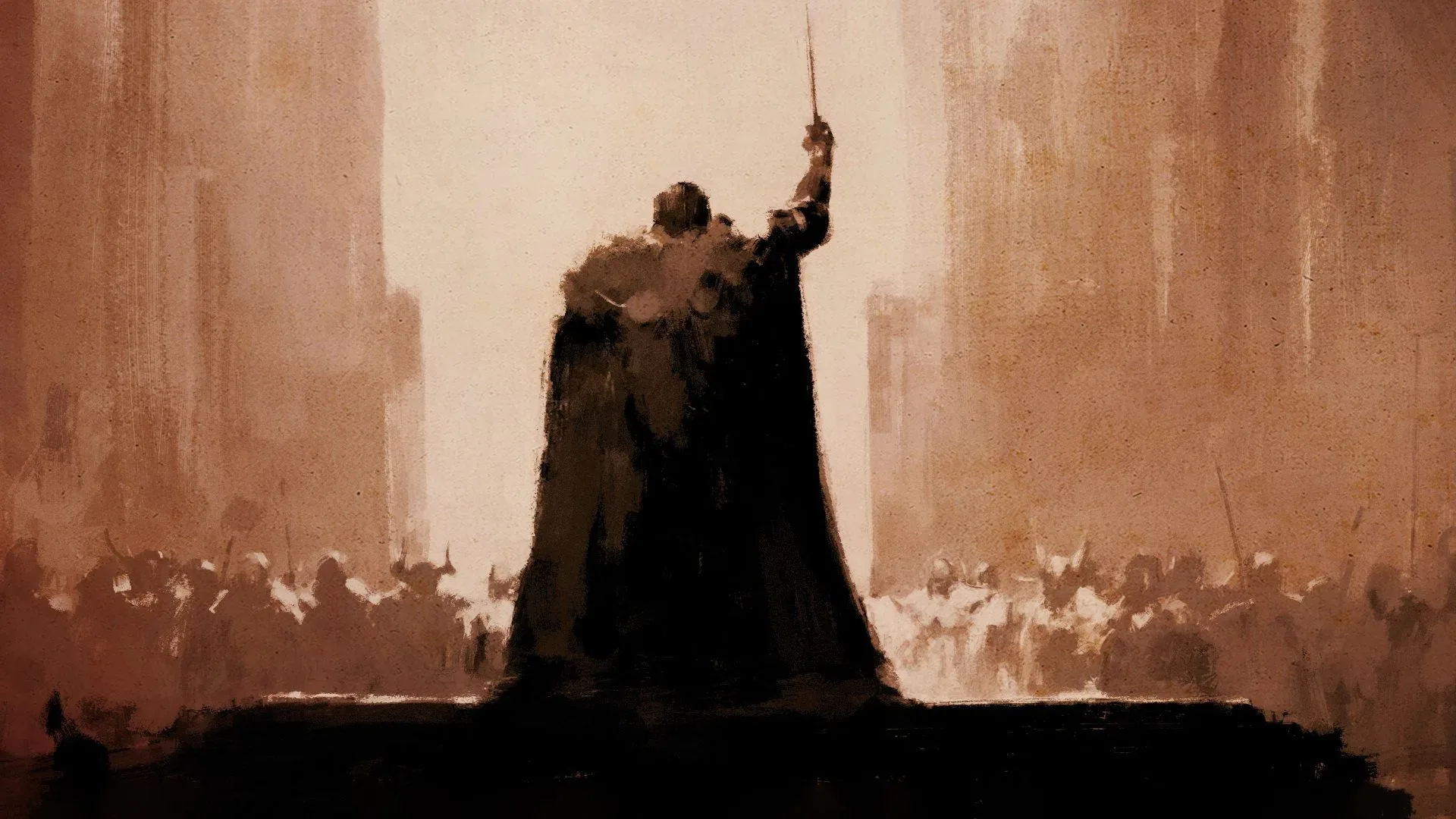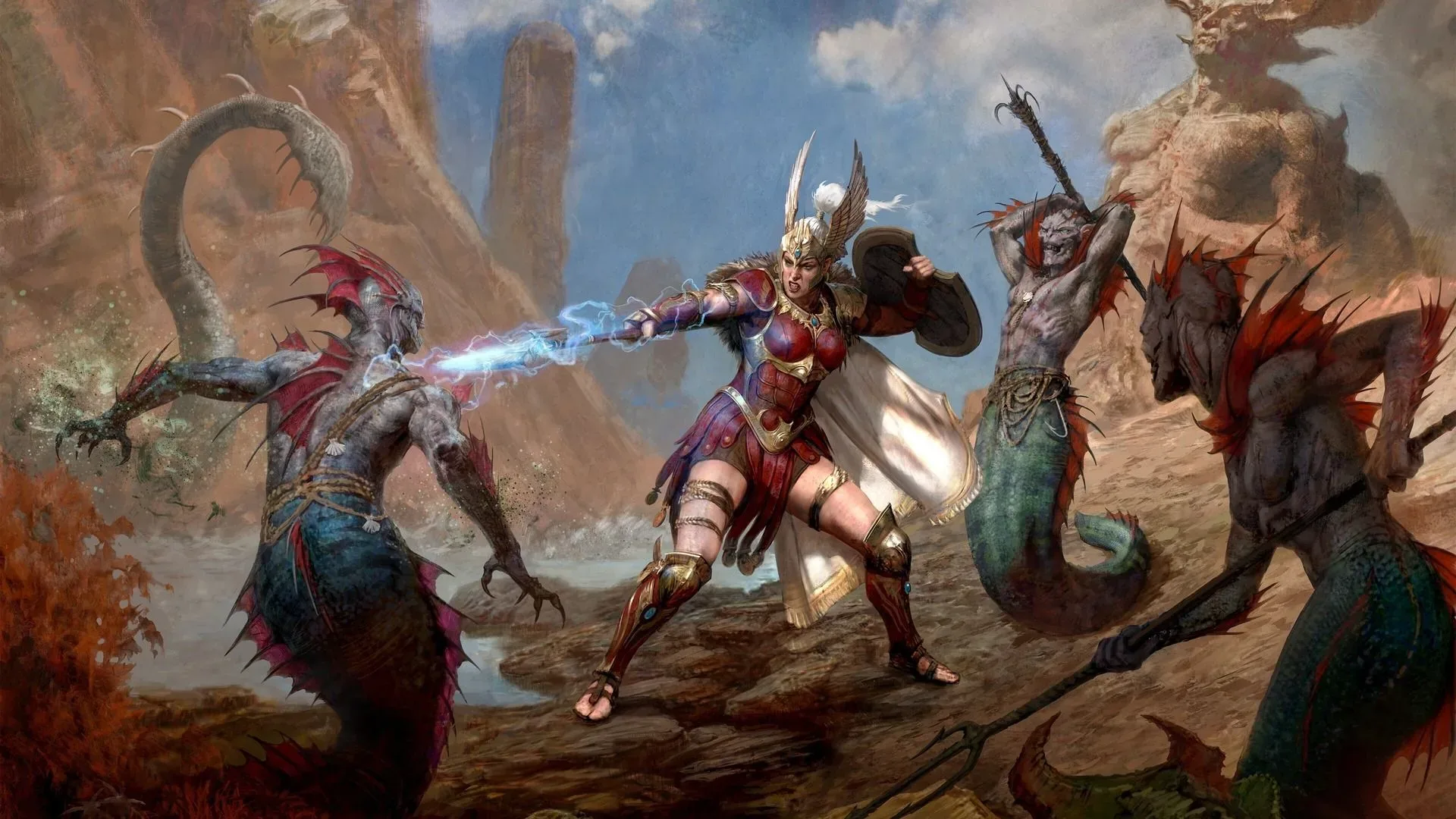
For a series carrying Diablo’s name, Diablo 4 has taken a notably indirect route around the Lord of Terror himself. The character is referenced and alluded to, but is not currently present in the game as a central figure. That will change to a limited extent when Diablo appears as a seasonal boss in the forthcoming Season of Hell’s Legacy. The larger answer, however, is Diablo 5.
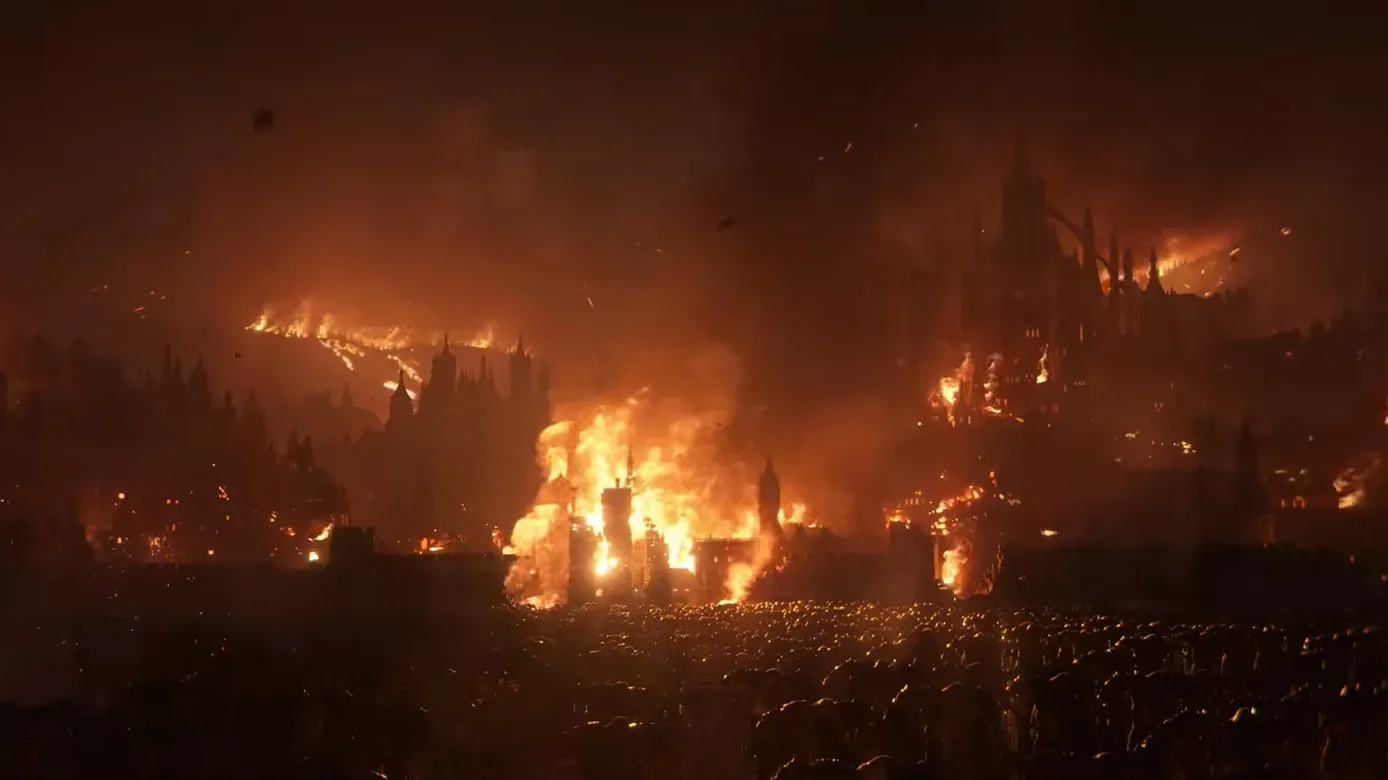
Diablo 5 has been revealed with a far more direct premise: Diablo has already won. The world has been devastated, and players will be building a resistance inside that ruined, hellish setting. The decision raises an obvious question. If the character is important enough to anchor a new game, why not make him the focus of a Diablo 4 expansion instead?
The developers’ explanation is less about holding a familiar villain back and more about what a story centered on him demands. Senior art director John Mueller put it succinctly: “Diablo’s very demanding.” In context, that means the Lord of Terror cannot simply be appended to a story that was built around a different lead antagonist. Putting him at the heart of the narrative calls for a different scale of storytelling and, in the team’s view, a different framework for the game itself.
Diablo 4 began as Lilith’s story
Diablo 4’s original base-game narrative was designed around Lilith rather than Diablo. That distinction matters. In a long-running fantasy universe, a famous name does not automatically function as a plug-in plot device. A story’s antagonist helps determine its stakes, its supporting cast, the player character’s role and the shape of its major conflicts. Once a game has committed to one central conflict, adding another figure of Diablo’s stature as extra content can risk making that figure feel bolted on rather than foundational.
Mueller’s point was not that Diablo 4 could never feature Diablo. The upcoming seasonal boss appearance establishes the opposite. But a seasonal boss and the protagonist-level threat of a new campaign are very different narrative jobs. A seasonal boss is a contained encounter or activity within a season’s content. It can give players a direct clash with a major figure without requiring that figure to reorganize every part of the game’s larger plot. A campaign centered on Diablo, meanwhile, needs the setting, player motivation and character arcs to be designed with his victory and influence in mind from the outset.
That is the distinction between an appearance and a premise. Season of Hell’s Legacy can bring Diablo into Diablo 4’s playable world in a defined role. Diablo 5 is being built around the consequences of him taking over.
Why DLC was not the chosen container
DLC, or downloadable content, is a broad term. It can mean anything from optional cosmetic material to a substantial expansion with new story content. An expansion can absolutely change the direction of an existing game, but it normally has to work within the game’s established structure: its systems, its narrative history, its ongoing player expectations and the practical shape of the product already in players’ hands.
The Diablo 5 team was apparently given latitude to decide what form its next major vision should take. Mueller said the possibilities included an expansion or a sequel, but that making Diablo the centerpiece pushed the project toward the latter. He described the opportunity as a chance to be bolder, more ambitious and more innovative rather than trying to tell a smaller story first and escalate only afterward.
Related coverage includes Diablo 5 Will Put the Lord of Terror at the Center After Diablo 4 Kept Him at Arm's Length.
“When Diablo is the character, he’s going to be the center,” Mueller said, explaining that a sequel opened the door to pursue a broader, more ambitious vision.
The key word there is center. A dedicated Diablo story is not being framed as one more chapter after Diablo 4. It is being framed as a new starting point. Diablo’s victory is not merely an event players must stop; it is the condition of the world they enter. A devastated world and a resistance movement give the sequel a clear baseline for its campaign, rather than asking an existing game to pivot around a villain who was not the original focus of its base story.
There is also a creative implication in the team’s emphasis on innovation. No precise mechanical changes have been detailed here, so it would be premature to assume how Diablo 5 will play or which systems will change. But Mueller explicitly tied the sequel format to the ability to revisit the game’s framework. In plain terms, the team sees a sequel as room not just to tell a bigger plot, but to reconsider the structure supporting it.
A more personal campaign is part of the pitch
The move to Diablo 5 is also being presented as a narrative evolution. Mueller reflected on Diablo 4’s progression from a comparatively impersonal story toward one in which the player character has more personal connections and a clearer stake in events. He pointed to the relationship with Lilith and Mephisto in the Lord of Hatred expansion as part of that shift.
That phrasing is important because it describes an intended direction rather than declaring the earlier approach invalid. Mueller expressed pride in what the team achieved with Lord of Hatred. But he also indicated that the team wants a character-driven approach to span an entire game, rather than arrive within an already-established Diablo 4 structure.
For players, a character-driven narrative means the plot is expected to turn more strongly on people and relationships, not only on world-ending events or broad lore. The player character should have a more immediate reason to care about what happens. Supporting figures should matter as recurring personalities with arcs, tensions and consequences, rather than existing solely to deliver objectives or explain the next disaster.
Mueller’s comparison was to the cast of a favorite show: characters and stories should feel as though they matter. That is a high-level creative goal, not a promise of specific characters, quest types or endings. Still, it clarifies why the team considers a sequel useful. A fresh game can establish a cast, a player role and a crisis together from the beginning. It does not need to retrofit those elements around the original setup of Diablo 4.
What the reveal does and does not confirm
Several points are now clear. Diablo 5 has been revealed; Diablo is its central figure; he has already taken control of the world when the game begins; and the player’s side will form a resistance in the aftermath. Diablo 4, meanwhile, will get a Diablo encounter in the upcoming Season of Hell’s Legacy, even though its broader story was not built around him.
What remains unaddressed in these comments is just as worth separating out. No release date, platform list, pricing, detailed gameplay systems or fuller cast information is established here. Nor do the remarks specify exactly how the resistance will operate, how Diablo’s victory reshapes individual regions, or what innovations the team has in mind. Those are reasonable areas for curiosity, but they are not details to fill in with assumptions.
The practical takeaway for Diablo 4 players is that a seasonal confrontation with the Lord of Terror is on the way, but it should not be confused with a complete Diablo-led expansion campaign. The practical takeaway for prospective Diablo 5 players is that the sequel is intended to offer more than a larger boss encounter: its premise, narrative focus and underlying framework are being shaped around Diablo from day one.
Diablo’s absence now reads as a deliberate setup
There is an understandable irony in a Diablo game where Diablo is largely absent. Yet the developers’ reasoning casts that absence as a consequence of Diablo 4’s chosen story rather than a loose end that required quick repair. Lilith was the starting point. The Lord of Hatred expansion developed a more personal relationship between the player character and figures including Lilith and Mephisto. Diablo 5 is positioned as the place where that growing interest in personal stakes can be combined with a world-scale crisis led by the series’ namesake antagonist.
That does not make the sequel’s ambitions guaranteed results. Wanting a cast with the pull of a favorite television series and a story with greater personal weight is a meaningful creative target, but players will judge the eventual campaign on execution. For now, the significant decision is structural: the team did not see Diablo as an add-on to Diablo 4’s story. It saw him as the force around which a new game should be organized.
For more on the newly revealed game’s broader story goal, see Diablo 5’s campaign ambition and its push for the series’ best story.