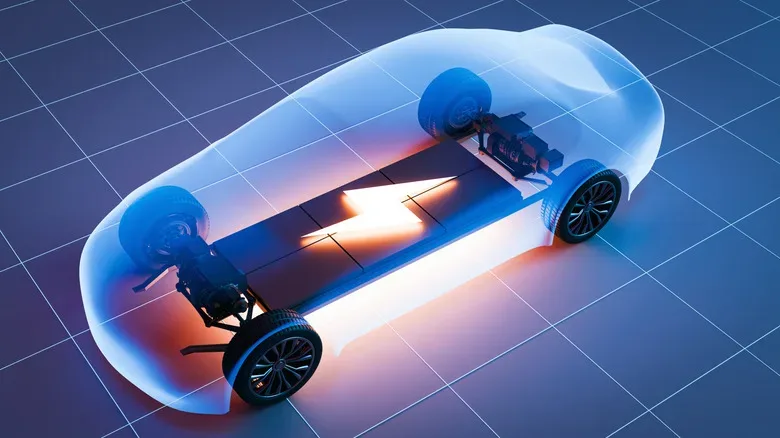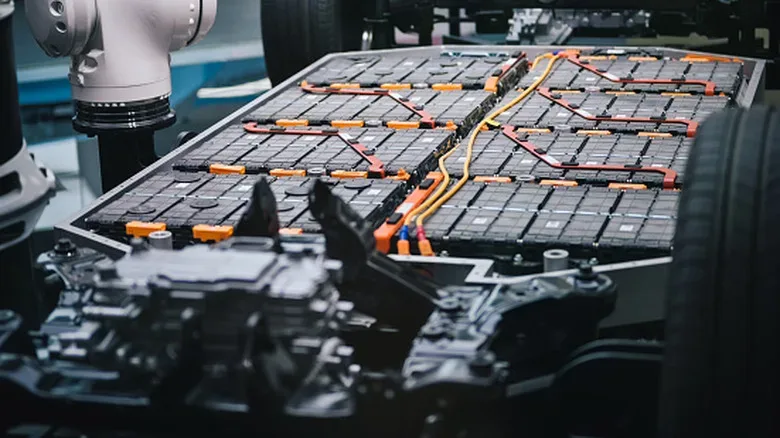
An electric vehicle battery is not a cartridge that reaches a fixed expiry date, flashes “game over,” and demands a replacement. Its high-voltage traction battery generally loses usable energy capacity slowly as it ages, so a reduction in range can be normal rather than proof that the entire pack has failed.
That distinction matters because range figures are influenced by far more than the battery’s long-term condition. Temperature, driving speed, elevation, payload, cabin climate control and acceleration all affect consumption. A winter range dip, for example, can be dramatic enough to worry an owner while still being temporary. The more important question is whether the vehicle has developed a persistent or abrupt change that cannot be explained by those ordinary variables.
Modern EV packs also appear less likely to suffer outright failure than some of the louder battery-replacement horror stories might suggest. A Department of Energy analysis involving roughly 15,000 plug-in vehicles found that 1.5% had their batteries replaced because of failure, with recalls excluded. For every model year from 2016 through 2023, the replacement rate was below 1%.
In other words, an EV owner should not treat every lost mile on the estimated-range display as a summons to replace a large, expensive component. The sensible approach is to understand ordinary degradation, watch for stronger symptoms, check warranty terms and obtain a proper diagnosis before making any replacement decision.
Battery aging is expected, and it is not the same as battery failure
The traction battery stores less usable energy as it gets older. This is commonly described through state of health, or SOH: a comparison between the energy the pack can hold now and the energy it could hold when new. A declining SOH normally means the car has less potential range, but it does not by itself tell an owner that a pack is defective or at the end of its service life.
Current estimates from the Department of Energy place EV battery life at roughly 12 to 15 years in moderate climates. In more punishing climates, the estimate is about eight to 12 years. Those are broad guideposts, not a deadline for every vehicle, because chemistry, charging patterns, local temperatures and day-to-day use can make a meaningful difference.
A 2026 Geotab analysis of more than 22,700 EVs spanning 21 models found average degradation of 2.3% per year. The average is useful for perspective, but it should not be turned into a promise for any specific car. Individual vehicles may decline more slowly or more quickly.
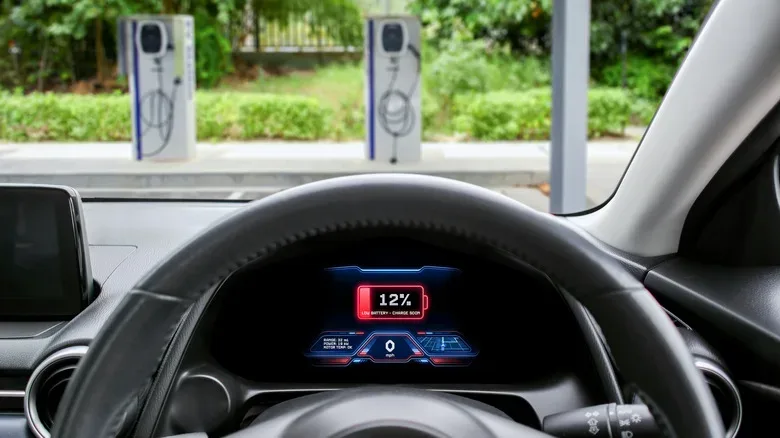
It is also important not to confuse a dashboard estimate with a laboratory-style health score. The estimated miles shown after charging are an attempt to predict future travel, and they can respond to recent driving conditions. A cold day, fast motorway speeds, steep grades, heavy cargo or a climate-control system working hard can all shrink the displayed figure or consume charge more rapidly on a trip. The same broad principle applies to smaller portable machines: the practical steps in our guide to Windows 11 laptop battery tips for longer gaming and travel sessions are a reminder that temperature and workload can change battery endurance without automatically indicating a failed cell.
Compare repeatable conditions instead of chasing one alarming number
A single disappointing journey is weak evidence. Before assuming a traction battery is deteriorating abnormally, compare trips that are genuinely similar: the same commute, similar weather, a comparable passenger or cargo load and familiar speeds. If that route repeatedly consumes substantially more battery percentage than it used to, a longer-term capacity decline becomes more plausible.
Temporary range changes deserve a little patience. Cold weather can noticeably reduce range, while heating or cooling the cabin draws energy that would otherwise move the vehicle. Highway driving can be less efficient than lower-speed driving, and rapid acceleration, headwinds and hills also shift the result. Extra weight has a cost, too.
None of this means owners should ignore their vehicles. It means the most reliable signal is a sustained pattern rather than an isolated estimate. Keep an eye on how much charge a regular trip needs over time, not only on the headline mileage projection after plugging in. If routine requirements are no longer met, even gradual degradation can become a practical reason to investigate options, regardless of whether the battery is technically “failed.”
Sudden changes and warnings deserve more urgency
The symptoms that warrant closer attention tend to be abrupt and unexplained. A sharp drop in available range, a newly reduced maximum charging level or a noticeable cut in vehicle performance is more concerning than slow, steady aging. The concern rises further when the change appears alongside a battery, powertrain or high-voltage-system warning.
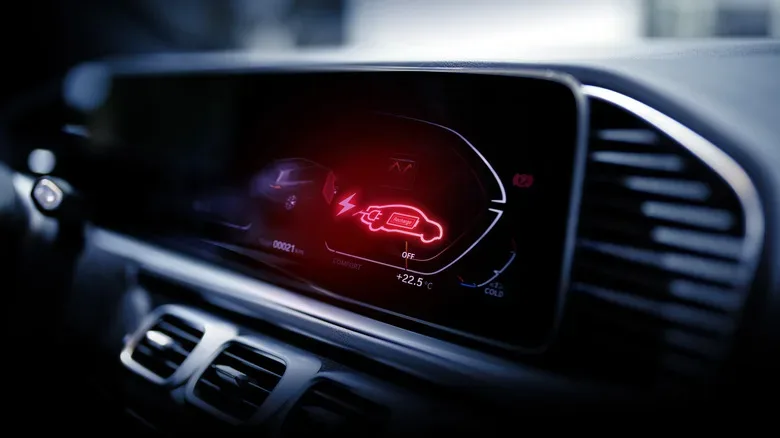
There is no universal icon or alert language that tells every EV owner the pack needs replacing. Manufacturers use their own terminology and diagnostic systems. Tesla documentation, for example, notes high-voltage battery alerts that can limit the maximum charge level and reduce available range when the car detects particular internal battery conditions. Its owner guidance indicates that service should be scheduled if the applicable alert remains present.
The important point is not that every warning spells a full battery replacement. It is that the vehicle may be seeing internal conditions a driver cannot confirm simply by watching range estimates. That makes professional diagnostic information more useful than guesswork.
Charging speed needs context, too
Slow charging alone is not a decisive battery-failure clue. Charge rate depends on battery temperature, the current state of charge, the charger’s available power and the vehicle’s normal charging curve. Many EVs charge more slowly as the pack approaches a high state of charge, and a cold or hot battery can also affect the session.
A persistent slowdown becomes more significant when it arrives with another unexplained change, such as a warning message, a reduced charge limit, sudden range loss or altered performance. Taken together, those signs justify an appointment with an EV-qualified service center. On its own, a slower-than-expected charging session may simply be the system managing heat, charge level or available power as designed.
Diagnosis comes before deciding on a replacement pack
When an EV reports a battery-related fault, or usable range has fallen far enough to interfere with normal needs, the next move is a battery-health assessment. A qualified technician can access diagnostic codes and pack data to distinguish ordinary capacity loss from a repairable issue or a fault serious enough to require replacing the complete battery pack.
This step can prevent an owner from jumping straight to the costliest assumption. A full-pack replacement may not be the only remedy. Diagnostic work can reveal a smaller repair, depending on the nature of the issue and the vehicle design. The correct outcome depends on the actual fault, not on an estimate shown on the instrument panel.
Warranty paperwork should be part of the process. Many manufacturers provide distinct long-term coverage for the traction battery, often separate from the general vehicle warranty. However, the coverage length, mileage limit and any guaranteed capacity threshold differ by model. Owners should review the specific terms for their vehicle rather than assume every battery concern will be handled identically.
For replacements outside warranty, reported costs can be substantial. A Recurrent survey placed many full battery replacements in a range of about $5,000 to $16,000. That is not a firm price list: pack size, vehicle architecture, labor requirements and replacement-part availability can put a particular repair below or above that span.
Do not treat the traction pack as a DIY repair
A traction battery is not comparable to swapping a 12-volt accessory battery or changing a controller in a gaming setup. High-voltage EV packs require specific procedures, equipment and protective measures. Opening, removing or attempting to repair one belongs with trained professionals.
The useful owner checklist is straightforward:
- Watch for a persistent change under comparable driving conditions.
- Take battery or high-voltage warnings seriously, especially if they remain active.
- Note abrupt range, charging-limit or performance changes.
- Consider temperature, speed, climate use, terrain and load before drawing conclusions from one trip.
- Arrange an EV-specific diagnostic check before approving a full replacement.
- Review traction-battery warranty coverage and its model-specific terms.
Gradual range loss by itself is typically part of EV ownership, not an automatic signal to replace the battery. A continuing warning, a sudden unexplained behavioral shift or range that no longer works for the owner’s real needs is the point at which testing the pack makes sense. Let the diagnostic result—not panic over a changing range number—determine what happens next.