Electric-vehicle battery degradation is not a jump-scare failure state. It is a gradual reduction in the amount of energy a battery can store, and the latest large-scale data offers both reassurance and a useful warning label: batteries appear broadly durable, but frequent high-power DC fast charging and sustained heat are associated with quicker capacity loss.
Geotab’s April 2026 analysis covers more than 22,700 EVs across 21 models using vehicle-derived telematics data. Its overall estimate puts average annual battery degradation at 2.3%. Even high-use EV batteries, on average, retained close to 82% of their original energy-storage capacity after eight years. That is an important baseline for owners weighing range, day-to-day performance and eventual resale value.
The averages are not a warranty for every individual vehicle. They are a picture of a large group. A particular car may land above or below that average depending on its battery, where it operates and how it is charged. Still, the differences within the data point toward a practical hierarchy: fast charging has a place, but making the quickest, most powerful option a routine habit appears to come with a measurable battery-wear trade-off.
What battery degradation means in an EV
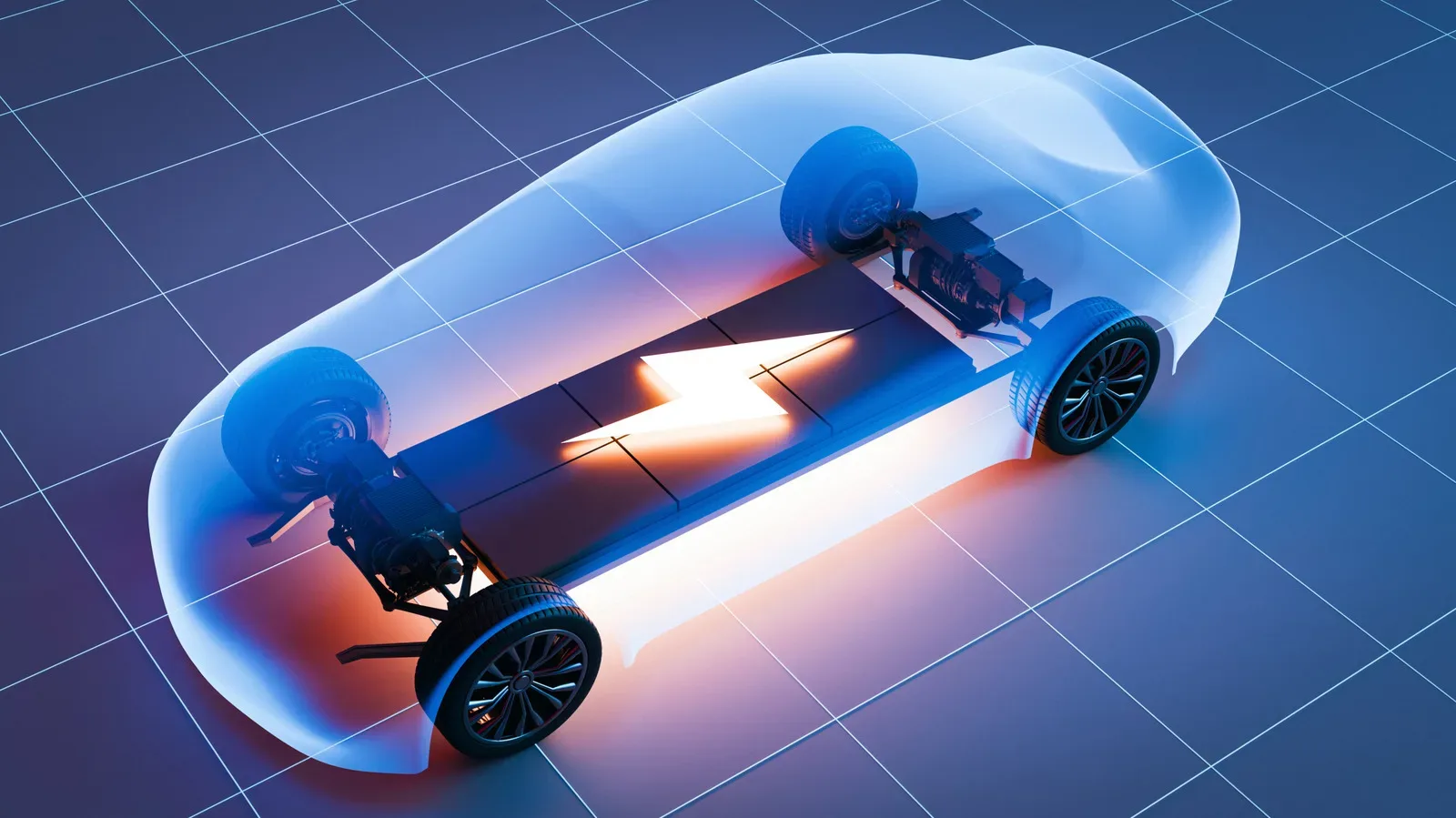
An EV battery pack stores energy, measured in kilowatt-hours, that the vehicle uses to drive its motor. As capacity declines, the pack has less energy available at a full charge than it did when new. The direct practical effect is usually less driving range. Capacity loss can also influence vehicle performance and the car’s appeal when it is sold on.
Degradation is expected rather than exceptional. The useful question for an owner is not how to prevent it entirely, but which choices may make the decline steeper. This is not unlike managing a long campaign rather than trying to avoid every point of damage: the battery-management system handles a great deal in the background, while charging habits and local temperature can affect the difficulty setting.
Geotab’s data is especially relevant because it comes from real-world vehicle telematics rather than a single lab scenario. Telematics means information gathered from the vehicles themselves and then analyzed in aggregate. That gives the study breadth across many cars and models, but it also means its figures should be read as associations in a large data set, not a guarantee that a certain charging session will produce a fixed amount of loss.
DC fast charging is useful, but frequency matters
DC fast charging, often shortened to DCFC, delivers direct current to an EV for rapid charging. It is designed for occasions when getting back on the road matters more than taking a slower approach—road trips are the clearest example. Depending on the vehicle and conditions, DCFC can typically bring a battery to roughly 80% in around 20 minutes to an hour.
That convenience is real. It can turn a long journey into a manageable sequence of driving, stopping and charging. The evidence here does not say owners should treat a fast-charging station as forbidden territory. Instead, it indicates that reliance on it is one of the variables linked to faster capacity decline.
Related coverage includes EV Battery Wear: Fast Charging and Heat Stand Out in New Data.
Vehicles that used DC fast charging for at least 12% of charging sessions had an average annual degradation rate of 2.5%. For vehicles below that 12% threshold, the reported rate was 1.5% per year. The gap is substantial enough to matter over a long ownership period, particularly for drivers who depend on their full available range or plan to assess resale value closely.
The practical takeaway is a little less dramatic than “never fast charge,” but more actionable: reserve DC fast charging for the moments it solves a real transportation problem. If most charging can happen without that urgency, the data suggests reducing the share of fast-charge sessions may be kinder to long-term capacity.
Power level adds another layer
Fast charging is not one uniform experience. The study also separates how often a vehicle fast charges from the power used during those sessions. Charging power is measured in kilowatts, or kW. In simple terms, a higher kW figure means energy is being delivered at a faster rate, assuming the car and charger can support it.
In the analysis, EVs with frequent fast charging—more than 12% of all sessions—and high-power charging in more than 40% of those sessions above 100 kW showed about 3% annual degradation. The comparable figure was 2.2% for high-frequency, lower-power charging, while low-frequency fast charging was associated with 1.5% annual degradation.
That pattern is the central technical distinction. It is not solely the existence of a DC fast charge that matters in the data. Both the regularity of those sessions and their power level correspond with increased wear. High-power charging is valuable when time is the scarce resource. But when time is available, the figures support treating the maximum available charging rate as an occasional tool rather than the default loadout.
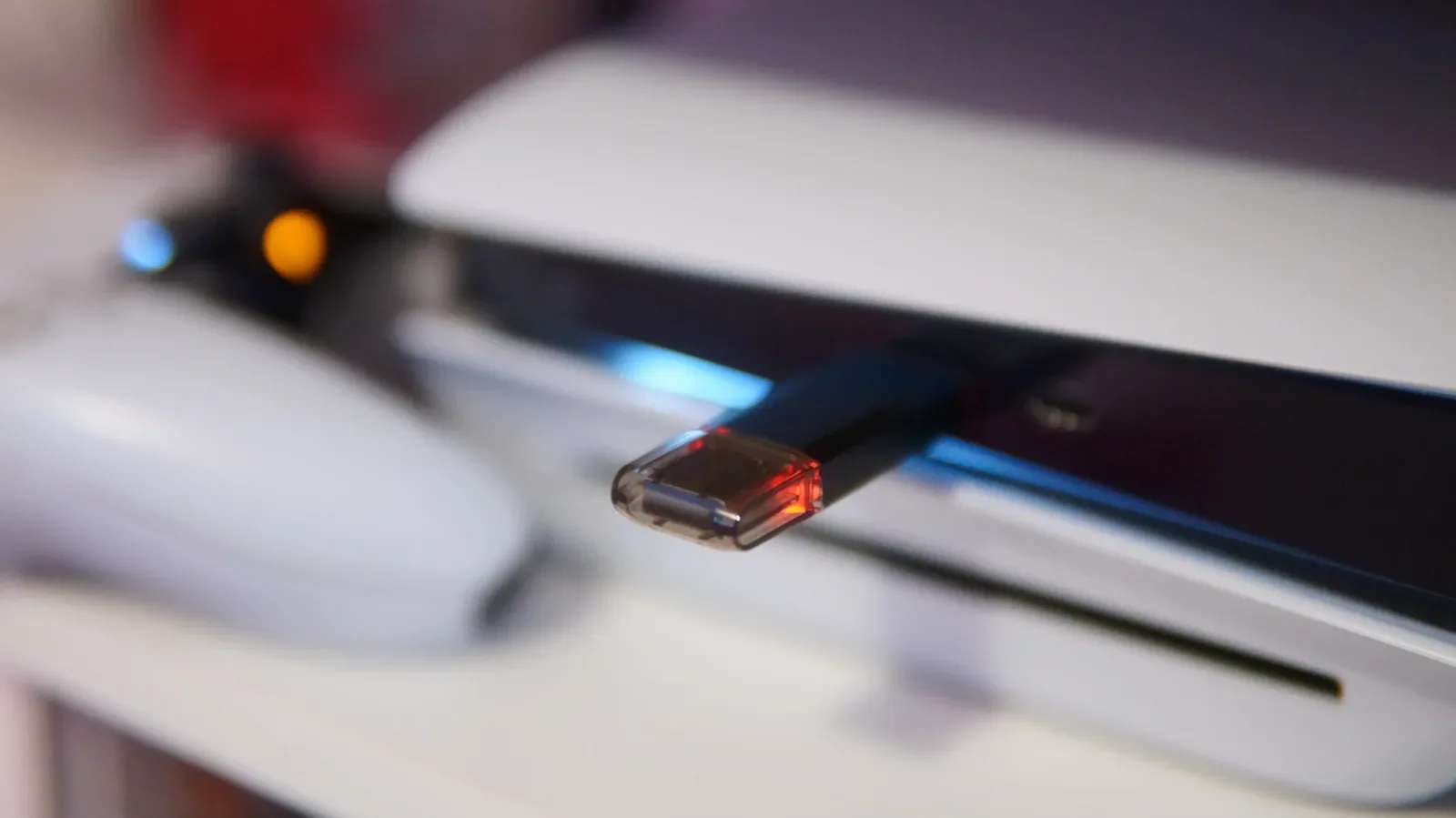
For a technology audience used to thinking about charging in the console-and-controller sense, it is worth remembering that an EV battery is a much larger energy-storage system operating under more complex conditions. The same broad lesson applies, though: charging hardware can do different jobs, and the fastest option is not automatically the best fit for every routine. For another example of how charging connections can be more versatile than they first appear, see what PS5 USB ports can do beyond charging a DualSense.
Heat places extra stress on battery cells
Climate is the other major factor identified in the findings. Higher temperatures increase chemical activity inside battery cells. That added activity translates to greater stress and, in turn, can contribute to capacity degradation.
The data defines a hotter-climate group as vehicles experiencing temperatures of at least 77 degrees Fahrenheit on more than 35% of days. Those EVs recorded degradation that was 0.4 percentage points faster than that of vehicles in milder conditions. Geotab characterizes the difference as a moderate effect, which is an important qualification. Heat is not presented as an automatic battery disaster; it is one additional pressure on a component that is already expected to age over time.
Modern EVs are not simply exposed batteries on wheels. They use battery-management systems, which monitor and regulate battery conditions, including temperature. This management is why an EV’s battery should not be framed as helpless in warm weather. Yet thermal control does not erase the underlying chemistry or make climate irrelevant. The real-world figures suggest warm conditions remain a meaningful consideration when looking at longer-term wear.
There is also a clear limit on what this particular analysis can establish about temperature overall. Its data set did not account for climates at the colder end of the spectrum. Owners should therefore avoid turning the reported heat effect into a sweeping claim about every type of climate. What the evidence supports is narrower: the defined hotter conditions were associated with moderately faster degradation than milder ones.
How owners can use the findings without overreacting
The study’s most valuable lesson is about priorities. Battery degradation is inevitable, and the reported overall numbers show that the battery is generally resilient. A high-use EV retaining nearly 82% of its original storage capacity after eight years is not a picture of an asset that instantly turns into a decorative driveway prop. But habits can influence the rate at which capacity falls.
- Use DC fast charging when its speed solves a genuine need. Long-distance travel and time-sensitive trips are the obvious cases. The data does not make fast charging an error; it identifies more frequent use as a factor tied to higher degradation.
- Pay attention to charging power as well as charging type. The highest reported degradation rate appeared in the group combining frequent fast charging with a large share of sessions over 100 kW.
- Factor in local heat over the long term. A consistently warm environment cannot be switched off, but it is relevant context when considering expected capacity retention.
- Read averages as guidance, not destiny. The 22,700-vehicle data set gives the percentages weight, but individual outcomes can differ with the specific battery and how the vehicle is used.
- Keep the purpose of the vehicle in view. A driver who needs frequent rapid top-ups may reasonably accept a different battery-wear profile than someone whose routine permits less reliance on them.
Why the distinction matters as EV use grows
EV buying interest has moved unevenly in the United States. EVs accounted for about 10% of new US vehicle sales a little more than a year ago. That share later dropped to around 6% or below after the federal tax credit intended to encourage purchases expired, before more recent data indicated a rebound. As more drivers consider electric transportation, battery longevity remains central because it reaches beyond a technical specification.
Remaining capacity can affect how far an owner can travel between charges, how a vehicle fits a changing commute and how a used buyer evaluates it. The battery is therefore both the car’s energy reserve and a key part of its long-term value proposition.
The strongest reading of the new data is not that EV ownership requires obsessive micromanagement. It is that owners have a pair of clearly identified variables to understand. Fast charging delivers convenience, but frequent use—and especially frequent use at higher power—correlates with faster degradation. Hotter climates add a more moderate penalty. Battery management systems provide protection, while ordinary aging continues in the background.
For many owners, that is a manageable trade-off rather than a crisis. Charge quickly when the trip calls for it. Recognize that regular high-power DCFC carries a longer-term cost in the data. And treat heat as a real environmental factor without assuming it overwhelms the safeguards built into current EV battery systems. The battery is playing the long game; the charging routine helps determine how tough the next levels may be.