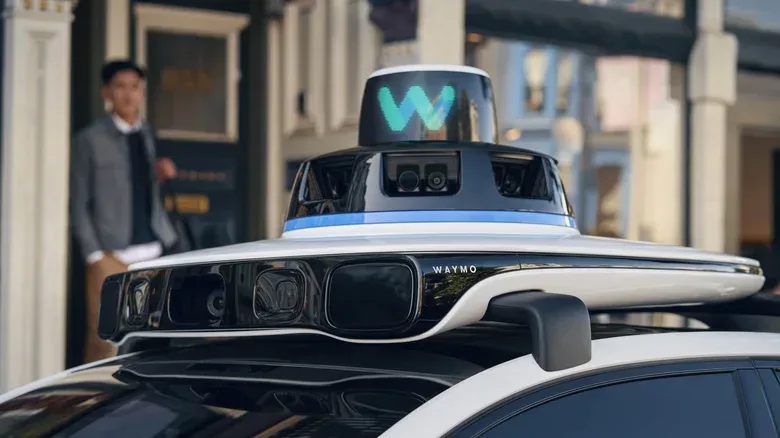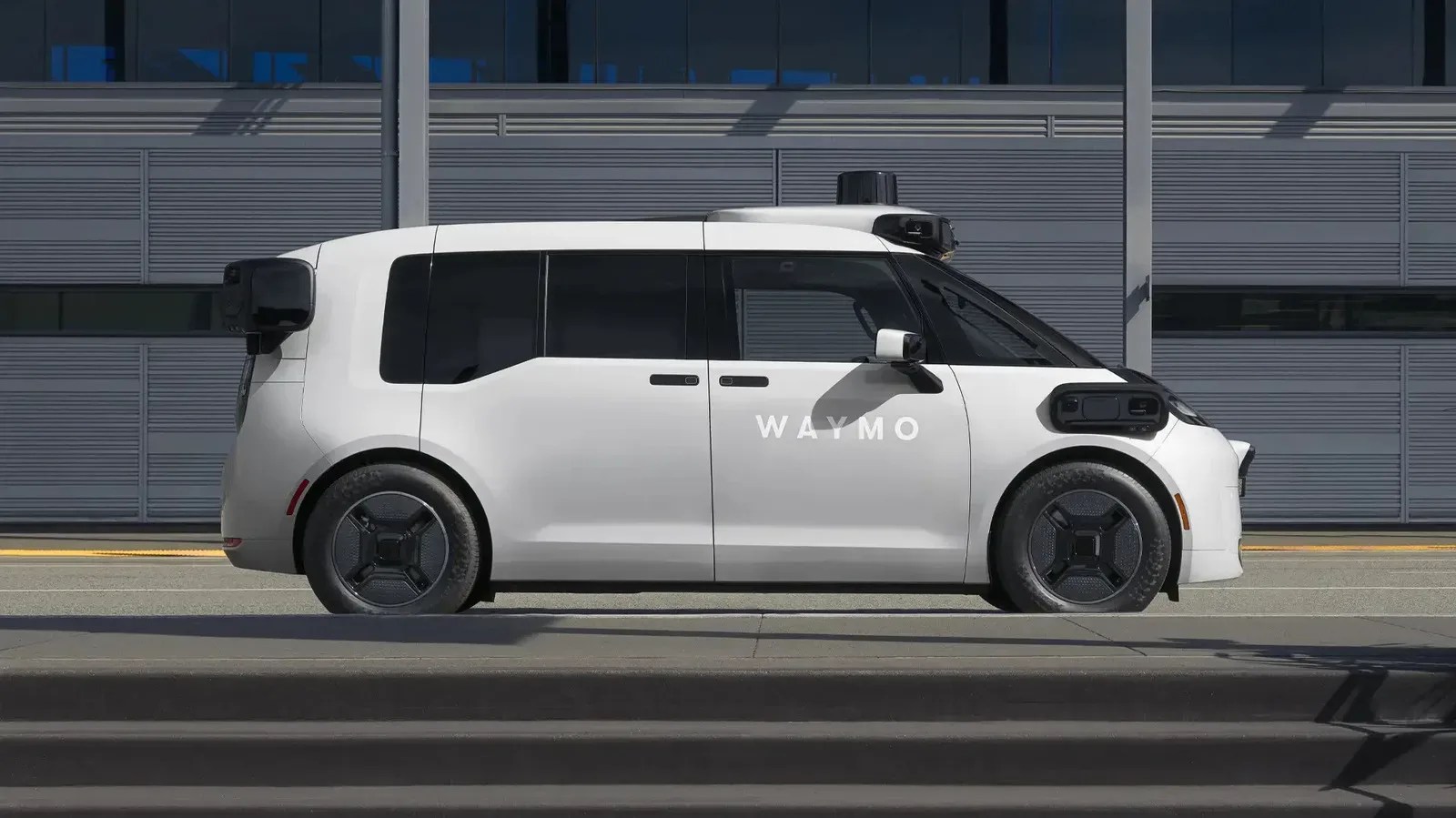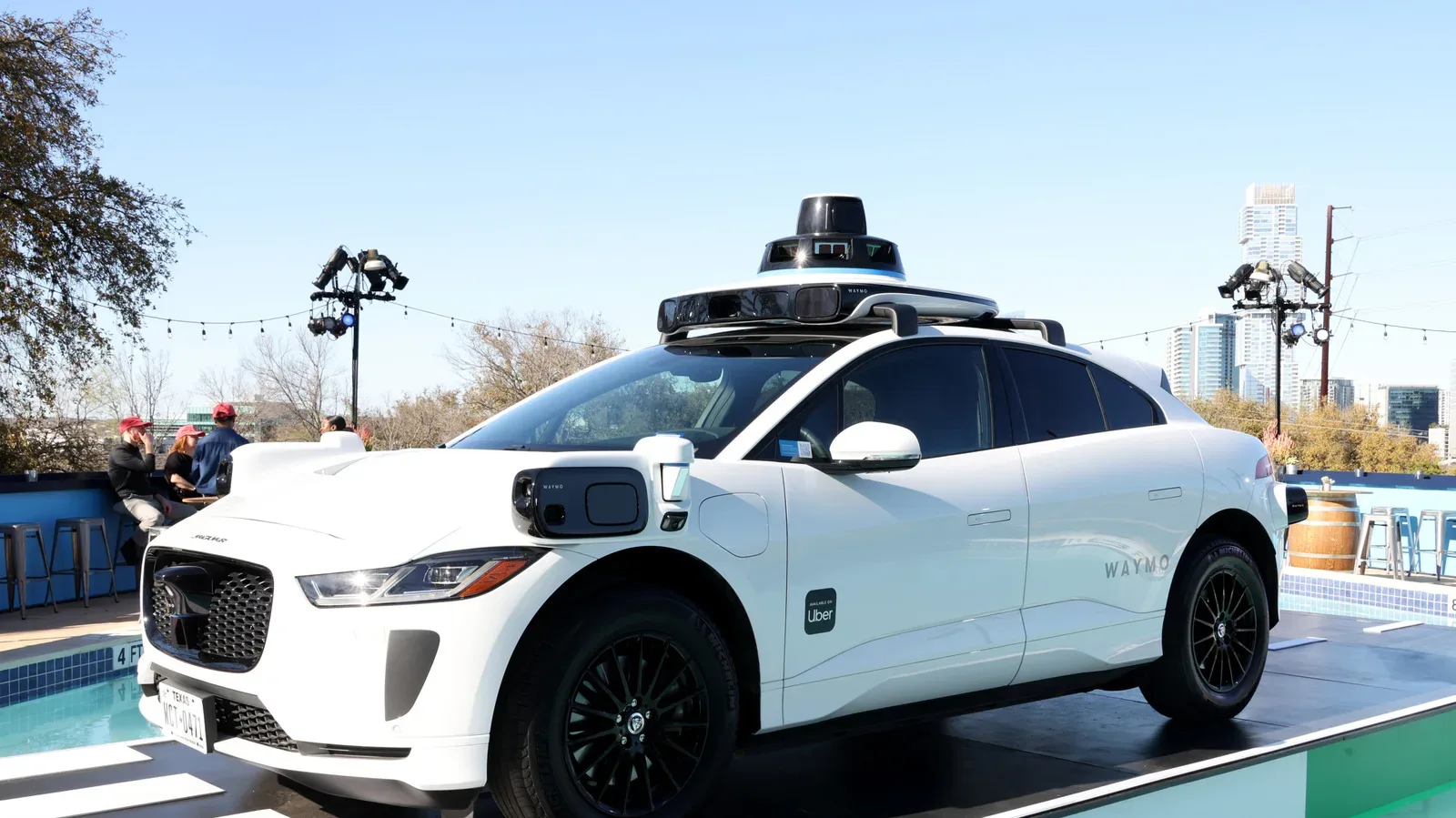
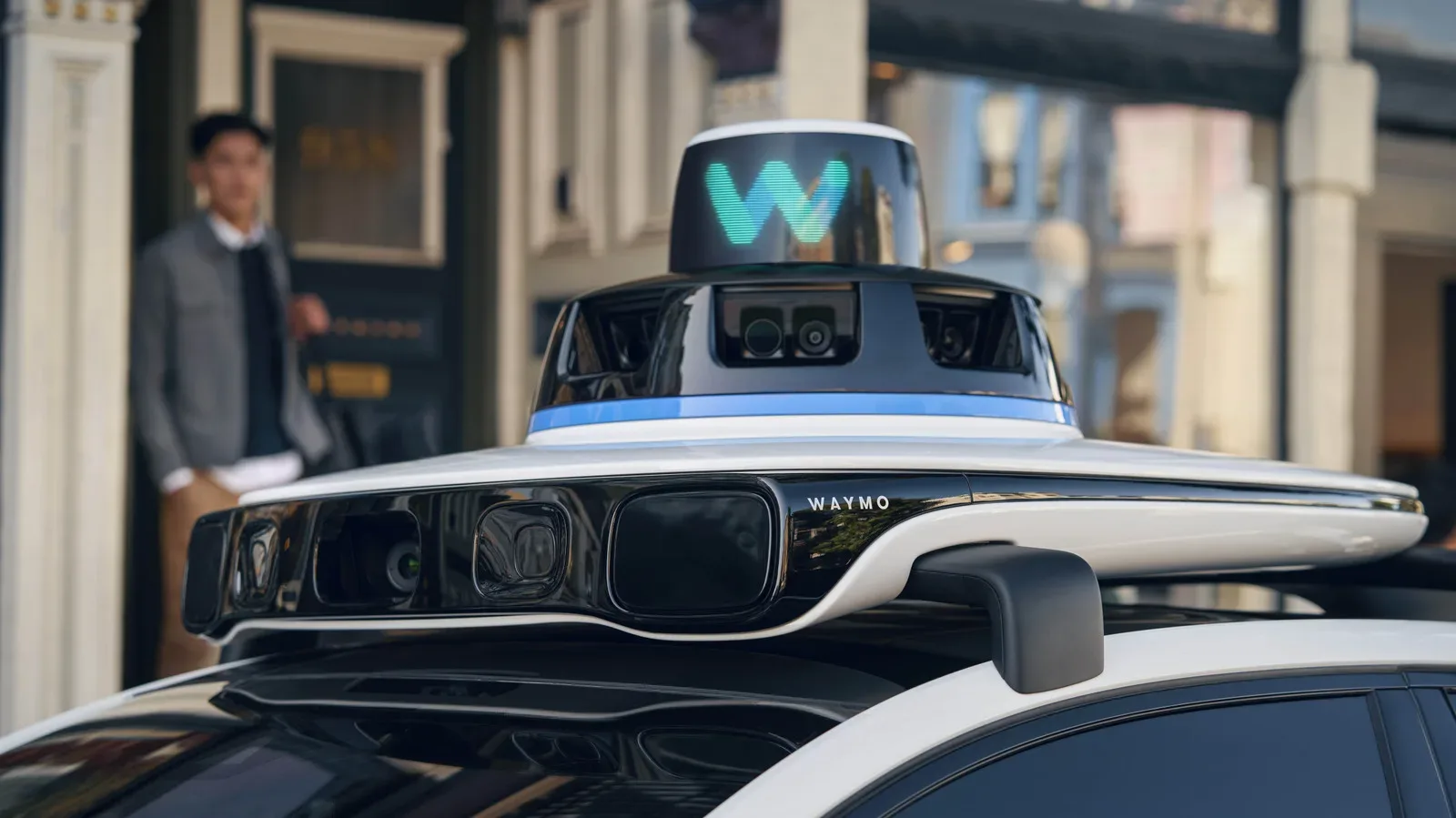
Waymo has filed two voluntary recalls affecting its robotaxi fleet after incidents involving closed freeway lanes and manual direction from emergency responders. The immediate practical result is unusually clear: its vehicles can continue to operate on city streets, while freeway driving in California is paused as software work continues.
The filings follow action by California’s Department of Motor Vehicles, which barred Waymo robotaxis from operating on the state’s freeways. The agency described the vehicles as an “imminent hazard to public safety” after incidents in which they entered construction areas closed to regular traffic.
For people watching autonomous vehicles as closely as they watch a difficult game patch, this is a reminder that a polished-looking system is not the same thing as a system that has mastered every edge case. A freeway closure, a police-led traffic break, roadwork and an officer signaling drivers are all situations where the usual rules of the road are temporarily replaced by context, judgment and human authority. Those are precisely the conditions now under scrutiny.
What Waymo is recalling
The two recalls concern the Waymo Driver, the company’s automated driving system. One is intended to improve how its vehicles navigate closed freeway lanes. The other addresses behavior at intersections where traffic is being directed manually.
Waymo has said the moves are voluntary and described them as part of a safety process for refining the technology as it takes on more complicated environments. A remedy for the closed-freeway-lane issue was still being developed at the time of the filings. Waymo said that this particular issue had not resulted in collisions or injuries.
The distinction matters. A recall in this setting does not necessarily mean every vehicle is physically returned somewhere for a mechanical repair. The affected component is the automated driving system, so the corrective work is fundamentally about software behavior: how the system recognizes restrictions, interprets a scene and chooses its next movement. That does not make the problem trivial. Software governs the vehicle’s decisions, and a decision made in the wrong lane can become a public-safety concern very quickly.
Closed lanes are not merely missing road
A closed freeway lane is more than an obstacle to route around. It can be a protected space for road crews, emergency personnel, police vehicles or construction equipment. A normal driving system must distinguish between an open lane that happens to be empty and a lane that is intentionally unavailable. The second case calls for a different response: do not enter.
California regulators identified three separate occasions in Burlingame in which Waymo robotaxis entered restricted construction zones. They also cited an incident involving a vehicle that appeared to try to navigate around a California Highway Patrol car performing a traffic break.
A traffic break is a temporary traffic-control maneuver in which law enforcement slows or stops vehicles across lanes. The details of any individual situation can vary, but the essential point is straightforward: the flow of traffic is being deliberately managed by people on scene. For an autonomous vehicle, treating that scene like ordinary congestion or a simple blocked lane is not enough. It needs to recognize the authority of the responder and behave predictably around the temporary control zone.
Manual traffic control is a hard test for automated systems
Most motorists learn that a uniformed officer directing traffic takes precedence over signals or familiar road patterns. Translating that rule into reliable machine behavior is difficult because manual traffic direction is inherently variable. Gestures can differ with the roadway, the angle of approach, the weather, visibility and the immediate hazard. The surrounding scene may also contain cones, flashing lights, stopped vehicles and drivers making imperfect choices of their own.
Waymo had already issued an update earlier in the month to improve how its fleet responds to manual commands from emergency responders. That followed a collision involving an officer directing traffic. The new recall therefore should not be read as a broad, undefined concern; it is focused on a specific operating challenge: handling a human-directed traffic situation when ordinary automated assumptions no longer apply.
This is where autonomous driving differs from a navigation app giving a bad turn. A map can be corrected later. A robotaxi has to make an immediate physical decision in an environment shared with workers, responders and other road users. The safety standard is consequently not just whether the system can find an alternate route, but whether it can recognize when it should stop, yield, wait or follow a temporary instruction.
Why freeway operations are paused while city service continues
Waymo’s city-street operations are continuing, but its California freeway trips are on hold. That split reflects the narrow scope of the reported problems rather than a claim that all road environments carry identical risks.
Freeways introduce a combination of speed, lane complexity and restricted-access infrastructure. When construction changes the expected layout, the consequences of incorrectly interpreting a closure may escalate rapidly. A vehicle entering a work zone at freeway speed has less time and space to correct. Even when no collision occurs, the event can create risk for crews and prompt abrupt reactions from other drivers.
City streets have their own difficult situations, including pedestrians, cyclists, intersections and emergency activity. But the present regulatory action is specifically tied to California freeway operation and incidents involving closed construction areas and manual control. Keeping city service active while freeway travel is paused lets the company separate the affected operating condition from its broader service footprint.
That is also a useful way to understand the word operational in autonomous driving. It is not simply a yes-or-no question of whether a car can drive itself. It is about where, under what conditions and around which kinds of temporary disruptions a system is authorized and able to operate safely. A robotaxi can be functional in one environment while still needing improvement in another.
A repeat issue around freeway construction
This is not the first time Waymo has had to address freeway construction-zone behavior. Earlier in the year, the company recalled robotaxis over a similar issue in which vehicles could enter freeway construction zones at speed. Freeway service later resumed after Waymo identified an area for improvement in performance around those zones.
The latest filings and California freeway pause put that earlier work in a more demanding light. Construction is not a single static object that can be solved by recognizing cones. Work zones shift; lanes may be closed before a vehicle arrives; barriers and vehicles may change position; and personnel can direct traffic in ways that differ from the normal map. A durable fix needs to cope with that variability, not just one familiar configuration.
Waymo has also previously recalled vehicles after a robotaxi drove into a flooded road in San Antonio, Texas. Together, these episodes illustrate a basic challenge for automated driving: unusual or changing road conditions are often where the difference between routine navigation and safe real-world operation becomes most visible.
What the recalls mean in practical terms
For riders, the short version is that Waymo’s California freeway service is not currently operating, while city-street trips continue. For other road users, especially crews and first responders, the key issue is whether updated software can reliably identify closed space and obey human traffic direction before freeway service returns.
- City-street operation continues: the reported pause applies to California freeway drives.
- Two issues are being addressed: entering closed freeway lanes and responding to manual traffic control.
- California’s DMV action is specific: the agency barred the company’s robotaxis from state freeways after incidents involving restricted construction areas.
- The closed-lane remedy remains in development: Waymo said there were no collisions or injuries connected to that issue.
- Emergency-scene response has already received an update: Waymo pushed out changes after a collision involving an officer directing traffic.
There is a broader consumer-tech lesson here as well. Automated systems are often discussed in terms of their most visible headline capabilities, but reliability is tested at the boundaries: the unplanned closure, the contradictory-looking scene, the temporary instruction and the moment when the normal rules are suspended. It is the same reason a device that works perfectly in routine use can still feel unreliable after an unexpected failure; as explored in a look at unexpected iPhone shutdowns during gaming, interruptions can matter as much as the advertised feature set.
For robotaxis, however, the stakes are considerably higher than a lost game session. California’s response shows that regulators expect automated vehicles to deal safely with the people and temporary controls that make roads function during disruptions. The next meaningful benchmark for Waymo will be not merely deploying a software change, but demonstrating that the revised system can handle closed freeway lanes and manually controlled intersections consistently enough for freeway service to resume.