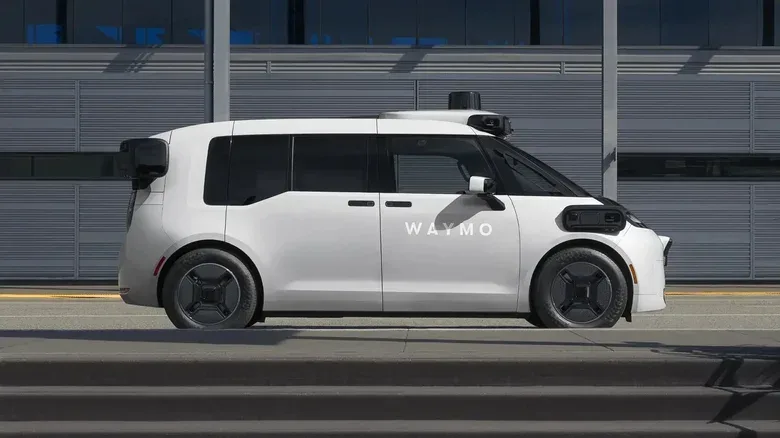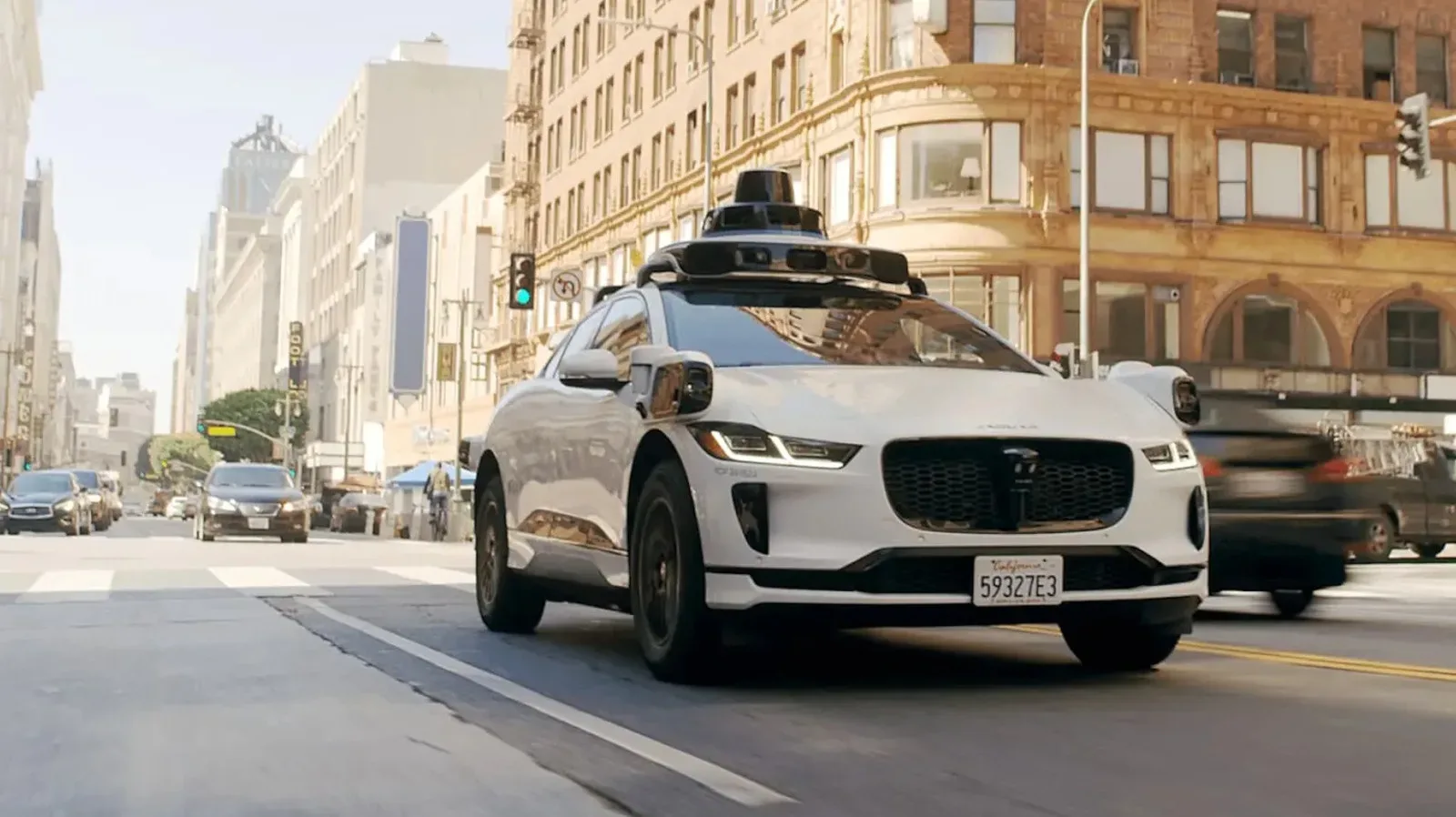
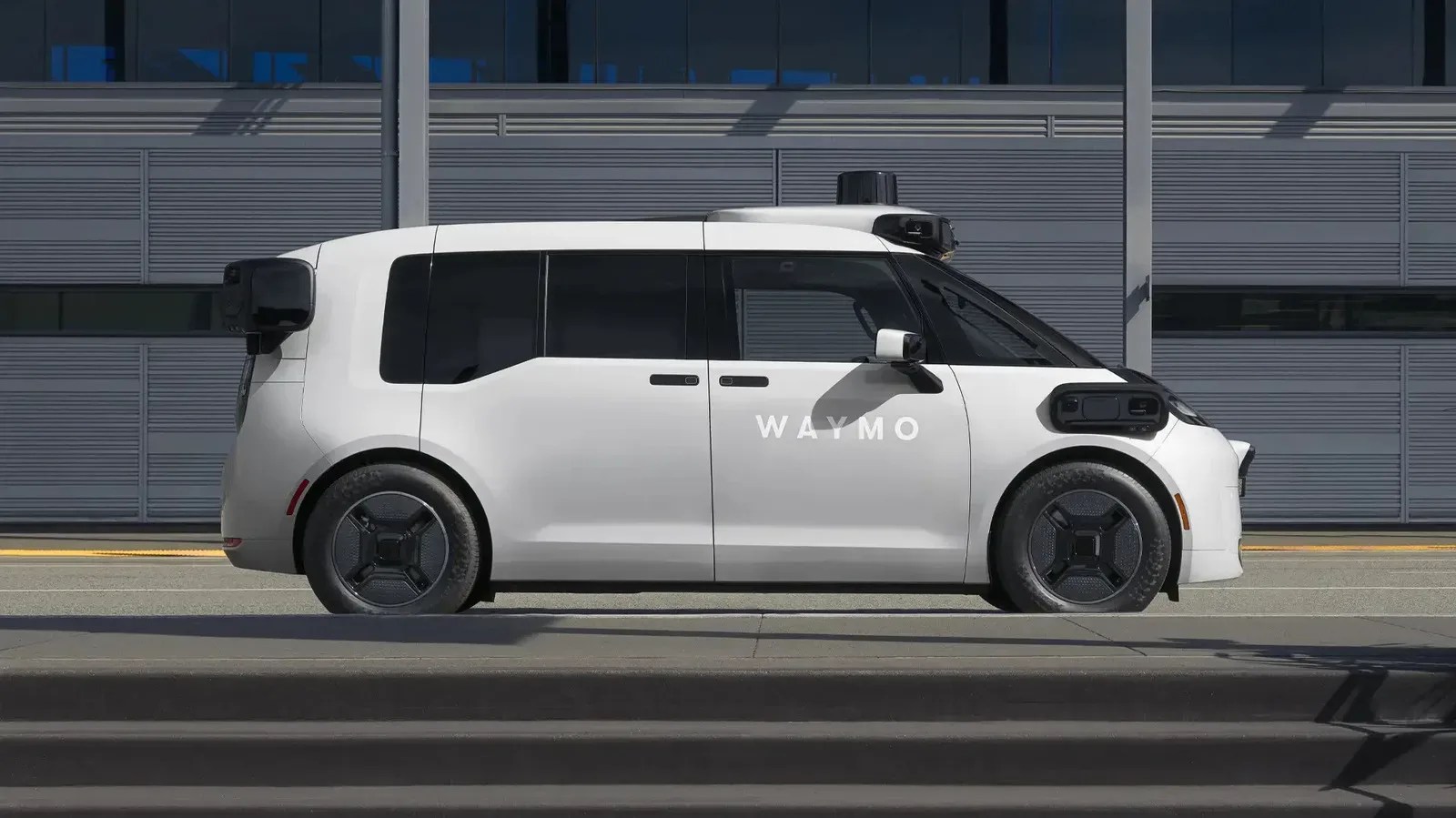
Waymo has temporarily stopped operating driverless robotaxi rides on freeways across all of its U.S. markets after California regulators restricted the company’s freeway operations in the state. The California Department of Motor Vehicles said Waymo’s driverless operation represented an “imminent hazard to public safety”, with the restriction effective November 11.
The state action is specifically about freeways, not Waymo’s full robotaxi service. Waymo says it will continue to provide rides on surface streets while working with regulators. But for riders, the distinction could be substantial: a freeway ban can alter trip routes, extend travel times and potentially affect the value proposition of a robotaxi trip compared with conventional ride-hailing.
The restriction follows incidents involving freeway construction and traffic control. Regulators cited an event in which three Waymo robotaxis entered a restricted construction zone near Burlingame, as well as a separate situation where a Waymo vehicle attempted to pass a California Highway Patrol vehicle that was slowing traffic.
Waymo said the recent freeway construction-zone encounters occurred on U.S. 101 and involved no injuries or collisions. The company has nevertheless applied its freeway pause beyond California, describing the broader move as an opportunity to evaluate its performance.
Why freeway construction is a difficult test for driverless systems
A robotaxi is a vehicle providing rides without a human driver responsible for the normal driving task. That does not mean every driving environment presents the same challenge. Freeway travel has different speeds, lane patterns and margins for error than many surface-street trips. Construction zones add another layer of uncertainty.
Roadworks can temporarily overturn the usual logic of a road. Lanes may be closed or rerouted. Cones, barriers and signs can appear in configurations that differ from permanent road markings. Vehicles may merge abruptly, slow down or follow directions from police officers and road crews. A restricted area can also be safe only for authorized vehicles, even if it may superficially look drivable.
Traffic-control vehicles introduce a related problem. When a highway patrol vehicle is deliberately slowing traffic, surrounding drivers need to recognize that its behavior is purposeful rather than simply anomalous. A system that treats the vehicle as ordinary slower-moving traffic could make a poor decision if it tries to pass rather than respond to the traffic-control situation.
These cases matter because they are not merely questions of whether a vehicle can stay centered in a lane or maintain distance from another car. They test whether an automated driving system can interpret a changing road scene, account for authority-directed traffic control and behave conservatively when its route is no longer straightforward.
That is a different bar from a route operating under expected conditions. A car may handle normal freeway traffic successfully yet still struggle when temporary construction infrastructure, emergency activity or law-enforcement direction changes the assumptions that usually guide driving.
The latest step in a sequence of freeway setbacks
Waymo began operating robotaxis on California freeways in November 2025. Its service area later expanded across Sacramento, the Bay Area and San Diego in August 2026. Freeway access is strategically important within a geographically broad service area because it connects places that surface streets may reach less directly.
The company had already paused freeway service voluntarily in May after earlier examples of vehicles attempting to travel through freeway construction sites. It recalled 3,800 vehicles in June, then allowed its vehicles to return to highway driving in July.
The November restriction indicates that the corrective work undertaken after those earlier events did not satisfy the state’s concerns about the remaining freeway risks. California’s DMV has said Waymo must demonstrate that it has taken effective corrective action addressing the deficiencies that led to the restriction before freeway operations can resume.
That wording is important. The current order is not framed as a permanent statewide end to Waymo’s freeway plans. It is a conditional restriction: service can return only after the company establishes that its changes adequately address the issues identified by regulators. Neither the timing of a return nor the technical changes that may be required have been detailed.
What the nationwide pause means for passengers
Waymo’s nationwide freeway pause goes beyond the California restriction. The company said it is temporarily limiting freeway driving in its other operating markets as it evaluates performance. This is a voluntary company-wide measure, rather than evidence in the available information that every market has imposed the same regulatory rule.
For a passenger, a surface-street-only trip can mean a fundamentally different route. On some journeys, local roads may be a reasonable substitute. On others, avoiding freeways can add distance, more intersections and more exposure to routine city traffic. The precise impact will depend on the origin, destination and road layout of an individual ride.
There is also a practical cost question. Longer routes can affect both time and price, though no new pricing details have been provided. The immediate takeaway is narrower: Waymo’s rides remain available on surface streets, but riders should not assume that a route that previously used a freeway will continue to do so while the pause is in place.
Waymo has also indicated that it may test freeway driving outside California using vehicles with human safety drivers. A human safety driver is a person in the vehicle positioned to supervise and, where necessary, take control. That type of testing is meaningfully different from a fully driverless passenger trip, because an onboard human can intervene when an automated system encounters a difficult or unclear situation.
What regulators are evaluating
California’s action centers on operational safety rather than on a single collision; Waymo said the cited U.S. 101 encounters involved neither injuries nor crashes. That does not make the incidents immaterial. Regulators can act on hazardous behavior or a demonstrated inability to handle a safety-critical situation before an injury occurs.
The distinction matters in discussions of autonomous vehicles. A safety review is not limited to counting crashes after the fact. It can also examine whether a vehicle enters a prohibited area, misunderstands temporary road rules or reacts inappropriately to official traffic control. In other words, the concern can be the risk a behavior creates, not only its eventual outcome.
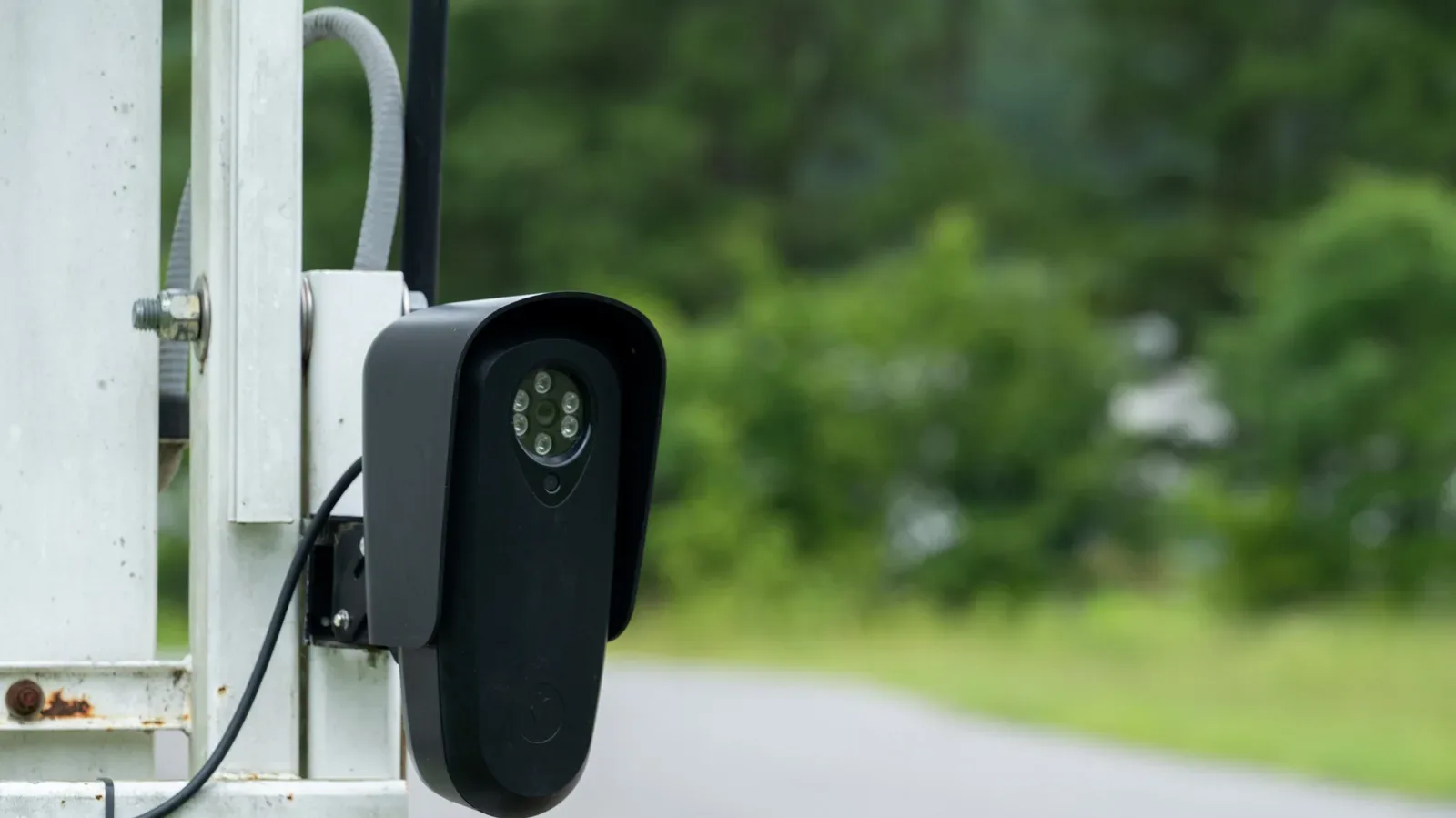
The situation also illustrates why public-road automation faces scrutiny beyond the vehicles themselves. The road environment includes construction crews, police, other drivers, changing signage and people whose safety can be affected by an incorrect decision. For a broader look at questions raised by technologies deployed around public streets, see our explainer on what Flock cameras are and why identifying them can be difficult.
What is known, and what remains unresolved
Several facts are clear. California’s freeway restriction has been in effect since November 11. The DMV cited the Burlingame construction-zone incident involving three vehicles and the attempted pass of a Highway Patrol vehicle slowing traffic. Waymo has answered by restricting driverless freeway driving throughout its U.S. markets, while leaving surface-street service running.
What has not been disclosed is equally significant. There is no stated timetable for freeway rides to return. The available details do not specify the full set of technical, operational or validation changes Waymo will make. They also do not establish whether the company’s possible human-supervised testing outside California will lead to a particular return date.
For now, the practical boundary is straightforward: Waymo robotaxis can continue to serve riders on surface streets, while the company works to show that it can safely manage freeway conditions such as construction zones and active traffic control. The regulatory hurdle is no longer simply demonstrating that freeway travel is possible. It is demonstrating that the system can respond appropriately when the freeway stops behaving like a normal freeway.