Troy Baker has played characters who inspire affection, dread, debate and the occasional existential spiral. Yet one old role apparently produces a more immediate response than any of those: a request to get it off the screen.
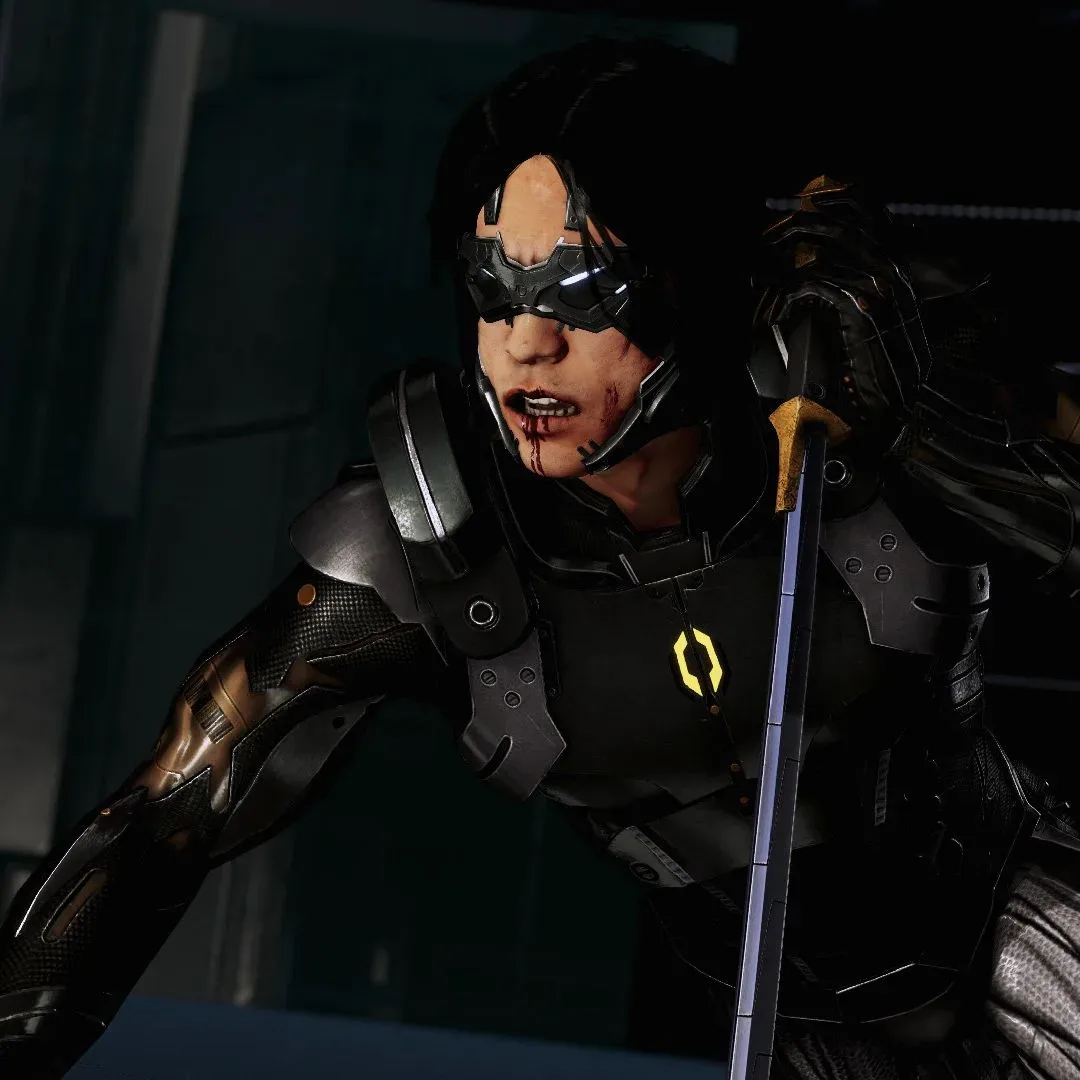
During a career-spanning video appearance, Baker was shown clips from roles including Joel in The Last of Us and Higgs in Death Stranding. He discussed those projects warmly and praised the creators behind them. Then a clip arrived from Mass Effect 3, featuring Cerberus operative Kai Leng.
Baker’s response was blunt. “Don’t,” he said, laughing and asking to move on. As the footage continued and Kai Leng met a violent end, Baker added, “Yeah, I deserve that,” before conceding, “There’s so many reasons why I shouldn’t have played that character.”
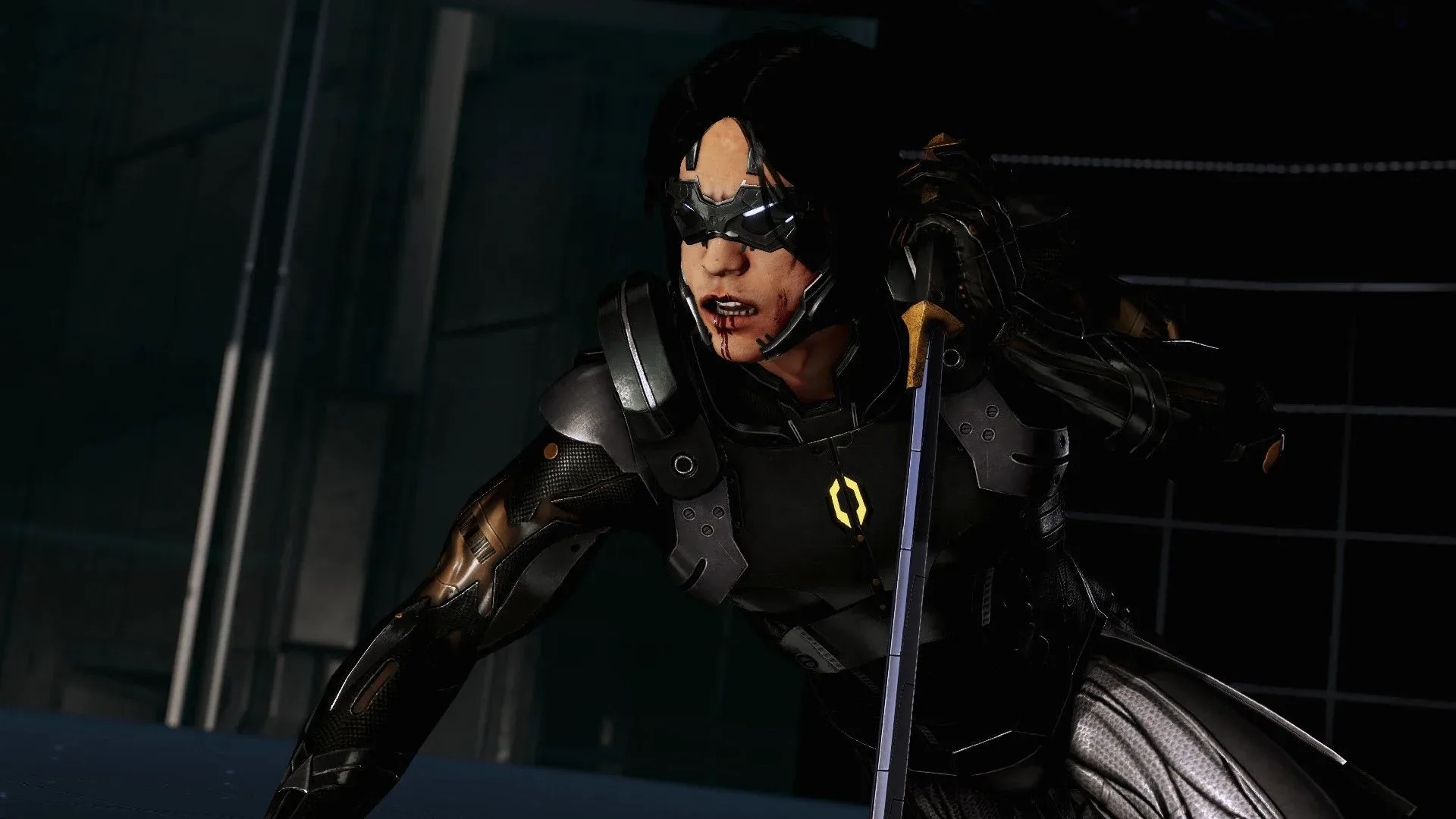
It is a revealingly self-aware reaction to a character whose reputation has long outlasted his screen time. Kai Leng is not merely a divisive antagonist in a divisive game. For many players, he became shorthand for a particular kind of videogame villain that feels imported from a different story: aggressively posed, relentlessly presented as dangerous, and disconnected from the tone that made the surrounding cast work.
For more context, explore Marvel’s NYCC 2026 TV Panel Could Clarify a Smaller Live-Action Slate as Animation Builds Momentum.
Why Kai Leng remains a Mass Effect flashpoint
Mass Effect 3 has never lacked for subjects of intense discussion. Its ending, its downloadable-content rollout and other creative choices all became points of argument. Kai Leng, however, occupies a peculiar spot in that legacy. He is remembered less as a satisfying adversary than as a design decision players felt the game wanted them to accept without earning their investment.
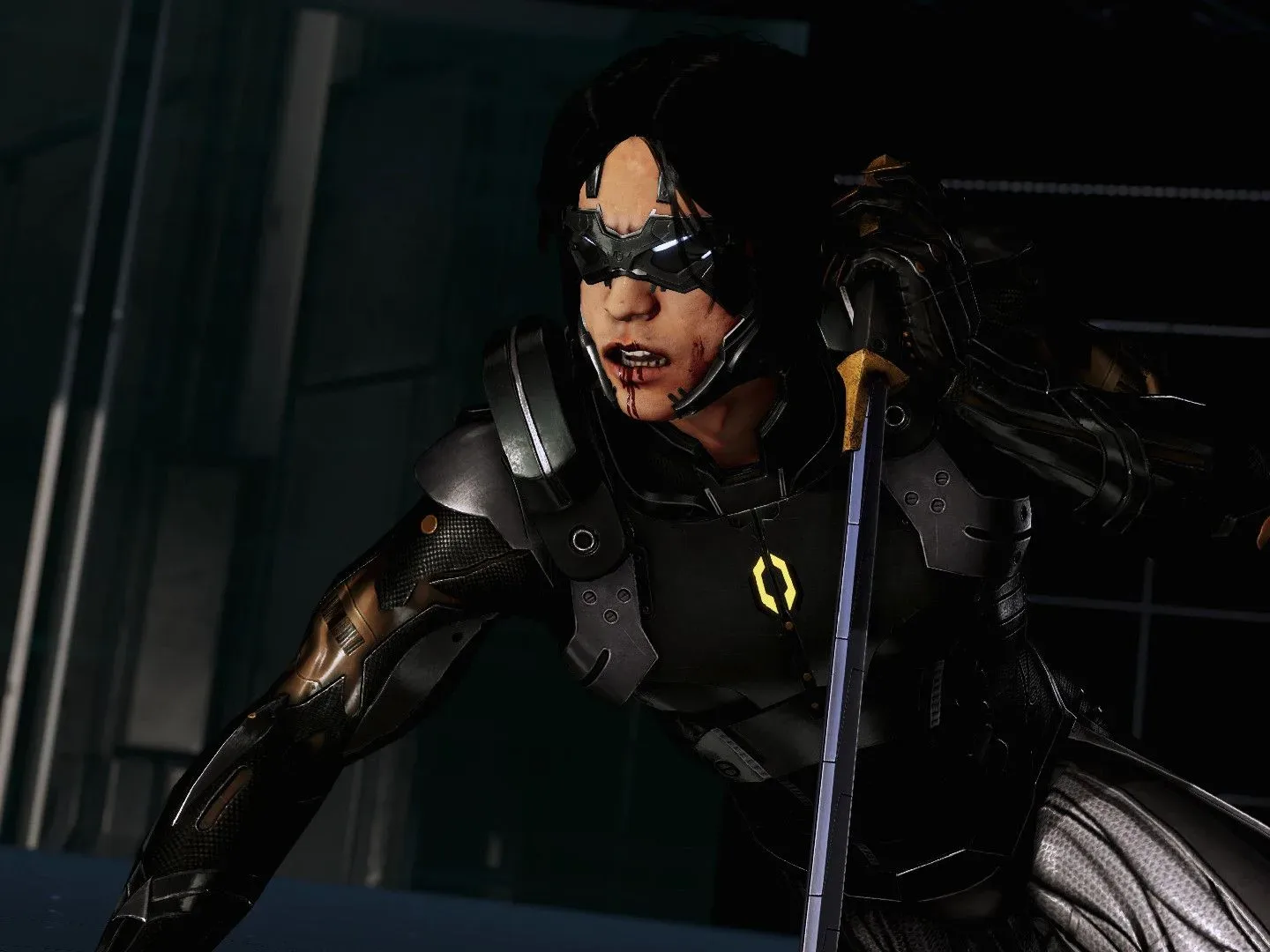
The issue is not that a space-opera RPG cannot have a flamboyant rival. The broader series has room for dramatic personalities, stylized action and dangerous specialists. The friction comes from how Kai Leng is framed. He is treated as a major threat, but his goggles, sword-focused combat and ninja-like presentation struck many players as a jarring fit beside the series’ military science-fiction atmosphere and more grounded character conflicts.
That mismatch matters because antagonists do more than give the player someone to fight. A strong rival clarifies what is at stake, reveals something about the protagonist, or exposes a fault line in the world. When players do not buy into the rival’s threat, scenes designed to build tension can instead feel like an interruption. The intended reaction is suspense; the actual reaction becomes impatience.
Related coverage includes Troy Baker Still Regrets Playing Mass Effect 3's Kai Leng 14 Years Later.
Kai Leng also drew criticism for the cultural signals bundled into his design. He is presented as being of Chinese descent, while elements of his characterization lean heavily on Japanese-pop-culture shorthand: the sword, the ninja styling and the broader “cool assassin” imagery. Those are not interchangeable identities or traditions. Combining them carelessly can turn a character into a collection of surface-level cues rather than a specific person. That concern adds a dimension beyond whether the character’s fights, dialogue or look simply worked for an individual player.
The difference between a performance and a character
Baker’s comments should not be read as a simple verdict on voice acting. A performer supplies a voice, timing and interpretation within a much larger production. The writing, direction, animation, gameplay structure, visual design and editing all shape the final character. When a fictional figure becomes a lightning rod, it is tempting for audiences to collapse every creative decision into the actor attached to the role. That is rarely a useful way to understand how games are made.
What makes Baker’s reaction notable is that he does not appear to be trying to separate himself from the joke or defend the role on technical grounds. He leans into it. The laugh, the refusal to linger on the clip and the “I deserve that” line show an actor recognizing the audience response that has followed the character for years.
That self-awareness is also healthier than treating every old project as beyond criticism. A long career naturally includes roles performers would approach differently later, parts that fans reject, and games whose creative choices have aged awkwardly. Admitting that a role now makes you cringe is not the same as erasing the work or turning audience criticism into a personal attack.
“There’s so many reasons why I shouldn’t have played that character.”
It is worth retaining some perspective, though. The actor’s response is humorous and candid, but it does not establish a complete account of why he took the role, what decisions were made in production, or which specific parts he regrets. Those details were not provided. The safe conclusion is the obvious one: Baker is still uncomfortable enough with Kai Leng’s reception to joke that the character’s demise was deserved.
When criticism becomes a fandom ritual
The Kai Leng backlash has become a recurring ritual in Mass Effect conversations. Discussions periodically reappear asking whether he is the franchise’s worst character, why he exists, or what creative thinking led to the final version. The fact that those prompts remain recognizable years later says something about how a disliked character can become communal shorthand.
There is a practical split here between criticism and repetition. Criticism identifies the elements that do not work and explains why: uneven tone, unconvincing dramatic framing, shallow characterization, or insensitive cultural mixing. Repetition turns a character into a perpetual punchline, where the conclusion arrives before the discussion starts.
The former can be valuable. It gives writers, performers and players language to discuss craft. The latter can be funny for a while, but it tends to flatten the work and everyone involved in making it. The continuing distaste for Kai Leng clearly has a real basis; treating him as a universally understood bad character does not mean every new pile-on adds much insight.
That distinction is especially relevant when criticism reaches a performer directly. Players are entitled to dislike a character, and Baker’s own remarks show he understands why the role has become a target. But a character is not a person, and a performance is only one component of the construction around it. The joke works best when it remains a joke about a conspicuously unpopular fictional assassin rather than an excuse for hostility toward a real actor.
Mods reveal the most specific form of player rejection
Perhaps the clearest sign of Kai Leng’s unusual status is that players have made mods intended to reduce his presence. Some popular modifications cover his face and remove his dialogue. Mods are player-made alterations to a game, ranging from technical fixes and accessibility adjustments to cosmetic changes and major rewrites. In this case, the goal is not simply to make a fight easier or replace an outfit. It is to alter how a disliked character is perceived within the story.
That is a particularly direct kind of feedback. A negative review says a character does not work. A mod that removes the character’s lines says a segment of the audience has imagined a version of the game where the story functions better with less of that character in it.
It is also a reminder that RPG communities often keep their own editorial conversations alive long after release. Players revisit plots, debate alternate readings and create modifications that express what they wanted the game to emphasize. Not every mod is an argument, of course, but the Kai Leng examples plainly are. They represent a community judgment that the problem is not just one awkward scene, but the character’s overall presentation.
What this means for Mass Effect’s next chapter
The next Mass Effect game is widely viewed as one of the larger upcoming RPGs, which makes memories of the trilogy’s successes and controversies hard to avoid. Kai Leng is not a blueprint for what comes next, nor is one unpopular antagonist enough to define an entire series. Still, his endurance as a joke points to a useful lesson for any sequel: players are highly sensitive to whether a character belongs in the world and earns the story’s confidence.
That does not mean future villains need to be understated or humorless. It means style needs support. If a game gives an antagonist dramatic entrances, major victories and dialogue that insists on their importance, the writing and context need to make players feel that importance rather than merely observe the game declaring it.
The most durable antagonists usually create a relationship with the player’s journey. They challenge beliefs, complicate loyalties, or embody a threat that the setting has properly built. A rival can be theatrical, highly skilled and visually distinctive without feeling as though they wandered in from an unrelated genre. The important part is coherence: character, world and stakes all need to point in the same direction.
Baker’s reaction is therefore more than a compact bit of actor embarrassment. It is a small artifact of how videogame characters live on after a game ships. Years later, fans still argue; modders still edit; and the actor associated with the role can still recognize exactly what viewers mean before anyone finishes the question. Kai Leng may have been designed to look untouchable. In the memory of much of the Mass Effect audience, he remains very touchable—usually by criticism, memes, or a request for the next clip.