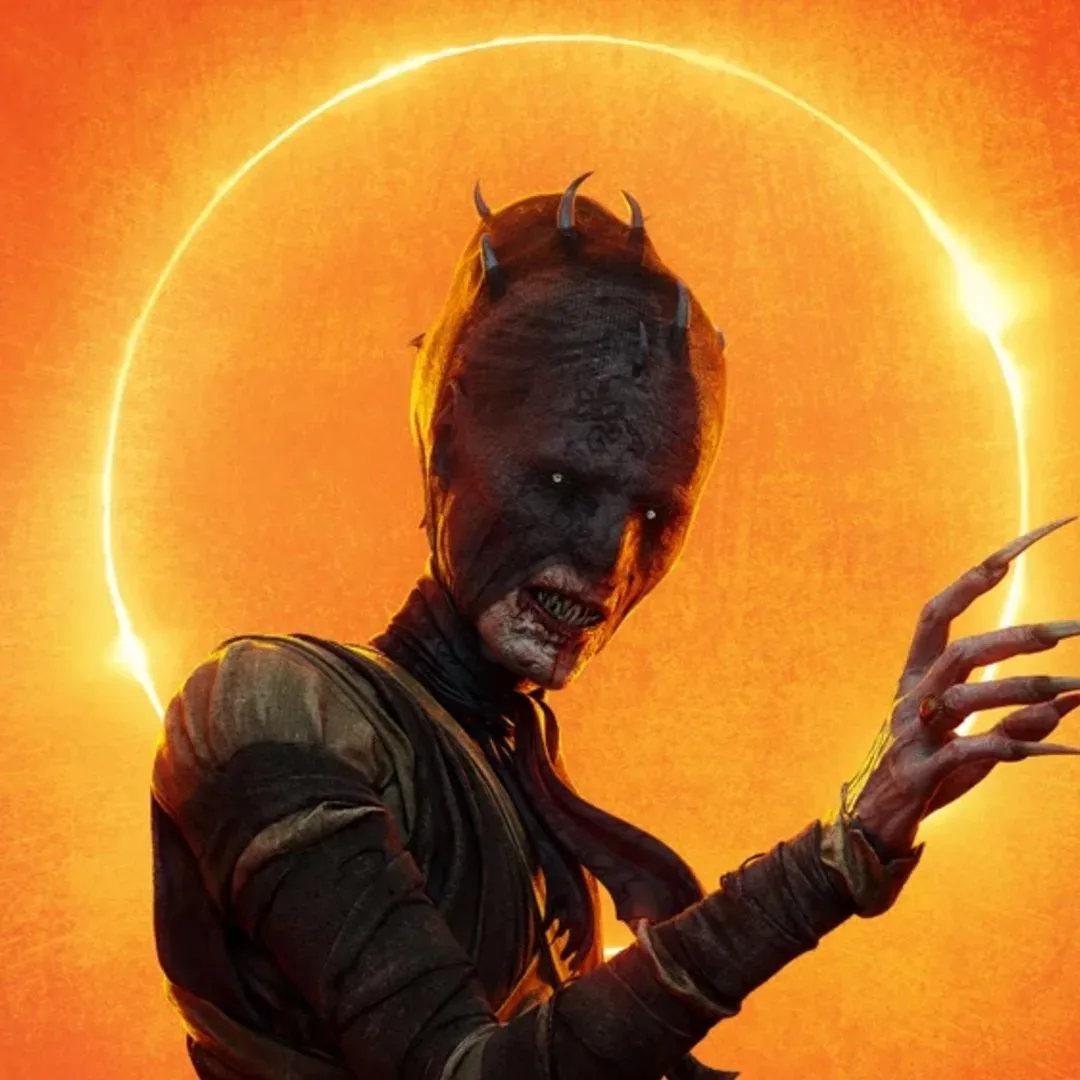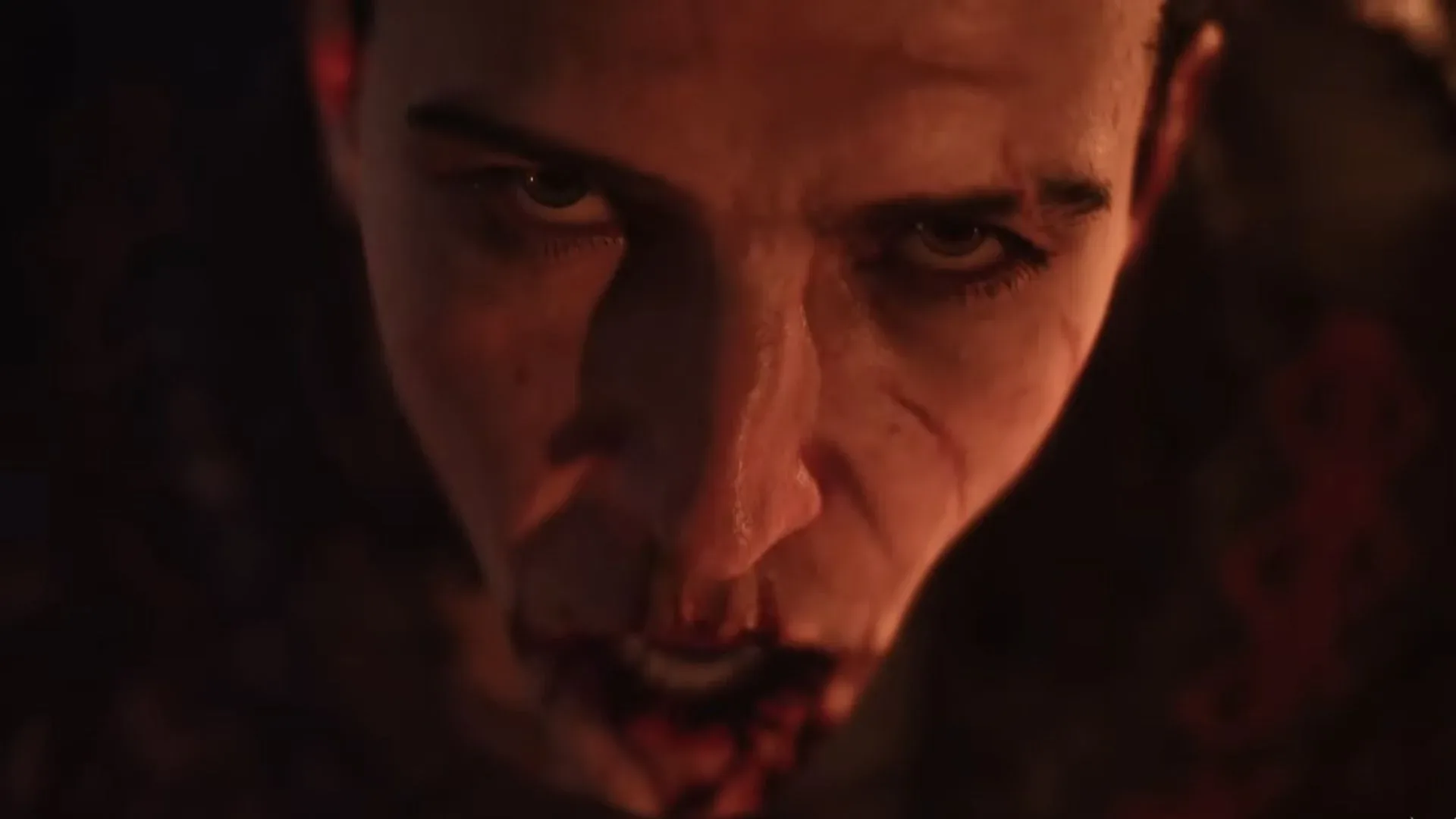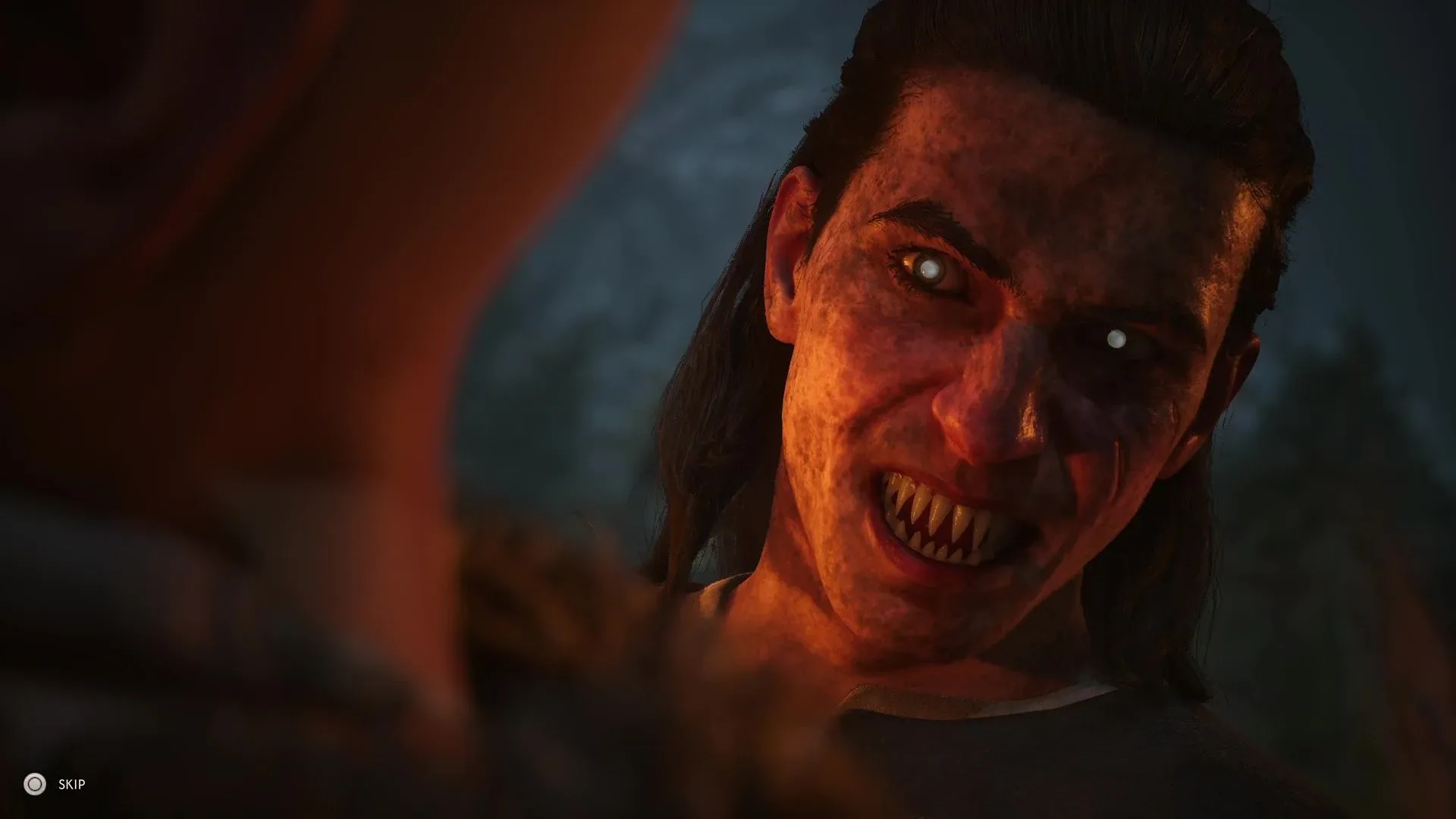
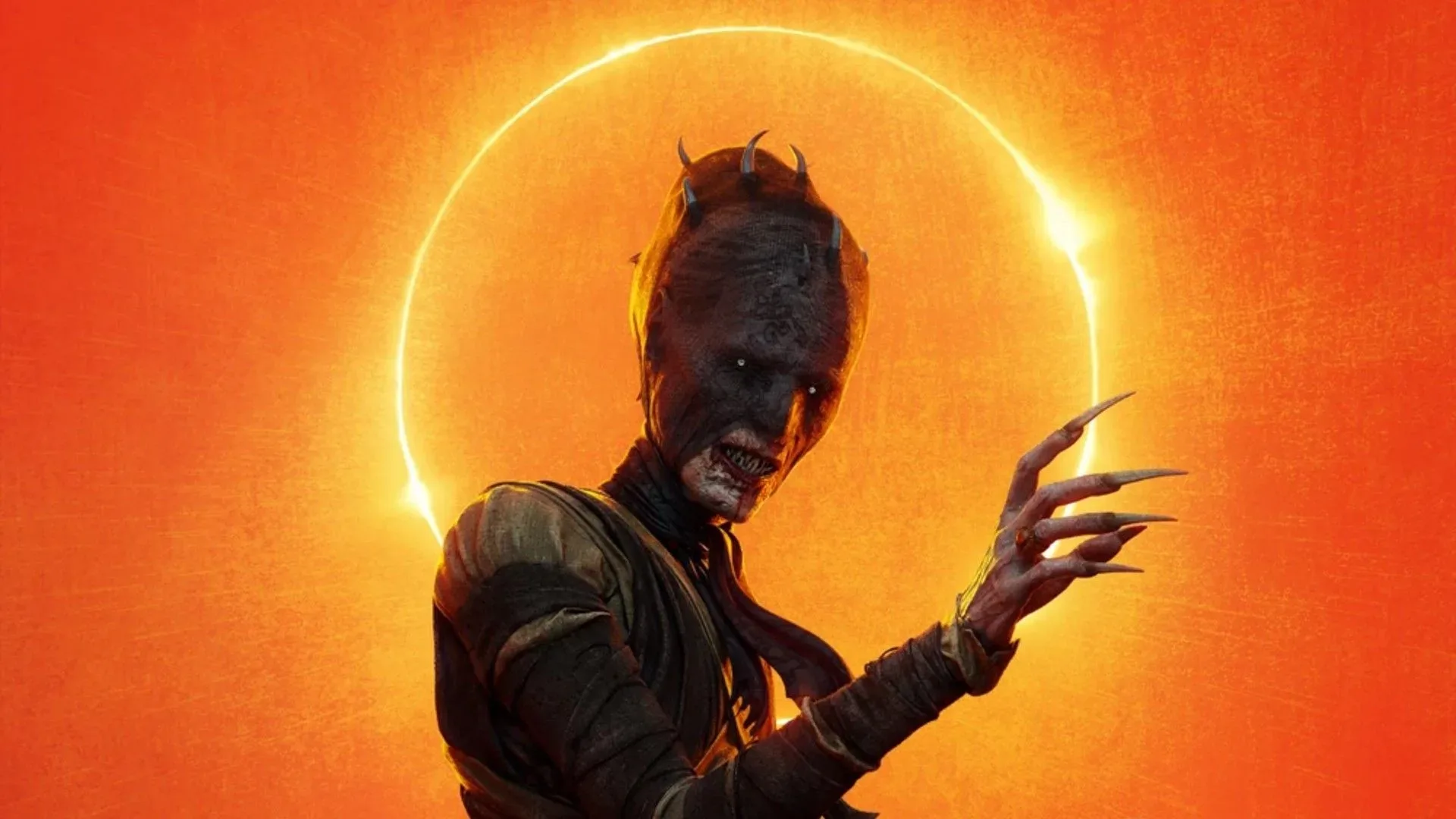
The Blood of Dawnwalker is preparing to give completed saves another reason to stalk Vale Sangora. Rebel Wolves has confirmed that patch 1.2 is due next week, and its headline addition is a New Game+ mode for players who have finished the Epilogue.
The update does more than simply restart the campaign. New Game+ raises the role-playing game’s level cap to 100, scales and rebalances enemies for that higher ceiling, and introduces New Game+ versions of items with revised stats. Patch 1.2 will also make broader balance changes to enemy health pools and ability use, while terrain adjustments are intended to improve traversal around the world.
That is a meaningful package for a game whose reported average completion time is roughly 25 hours. It does not promise a new story chapter or a separate expansion, but it does establish a more substantial repeat-play structure: finish the existing ending, return with a more developed character, and face an enemy and gear progression designed for a much longer climb.
What New Game+ means here
New Game+ is a familiar RPG mode, but its implementation matters more than the label. At its most basic, it permits a player who has completed a game to begin again under a new rule set, commonly retaining some form of character advancement, equipment, or progression. Rebel Wolves has specifically confirmed access after completing the Epilogue, alongside a higher level cap, newly tuned enemies, and updated New Game+ item variants.
What has not been detailed is just as worth keeping separate from what has. There is no stated list of which character elements carry forward, no confirmed description of whether quests change, and no announced additional endings or narrative branches tied to the mode. Players should therefore view the confirmed offering as a replay mode with expanded progression and revised balance, rather than assume it contains new plot material.
The jump to level 100 is the clearest sign that the mode is meant to support meaningful continued advancement. A level cap is the maximum level a character can attain. Raising it gives a progression system additional room, but that room only works if the rest of the game can keep pace. Patch 1.2 addresses that directly by scaling and balancing enemies around the new range.
Enemy scaling means opponents are adjusted in relation to the player’s advancement rather than remaining fixed at the values intended for an initial run. In practical terms, it should help avoid the familiar New Game+ problem where a returning, highly developed character immediately erases early-game resistance. Balance is not necessarily about making every encounter punishing; it is about ensuring that character growth, enemy durability, and combat options remain in conversation with one another.
Items and enemies are part of the same equation
Rebel Wolves says items will receive New Game+ versions with updated statistics. In an RPG, stats are the numerical values that define an item’s effectiveness, such as how strongly it contributes to a character’s combat performance. Updating those values for a second cycle is important because gear designed around an original cap can quickly lose relevance once the ceiling rises as far as 100.
Related coverage includes The Blood of Dawnwalker Update 1.2 Will Add New Game+ and Raise Level Cap to 100.
The item changes and enemy revisions should be read together. Stronger items without stronger or differently balanced enemies can turn a replay into a victory lap with little strategic pressure. More durable foes without appropriately improved player tools can make a replay feel like a slower version of the same fights. By announcing both sides of that relationship, the update signals an effort to make the new cap function as a progression track rather than a large number attached to a save file.
There is still no basis to predict exact builds, optimal equipment, or which abilities will benefit most. The announced changes say enemy health pools and ability use are being tweaked, but do not provide individual values or a full patch-note breakdown. A health pool is simply the amount of damage an enemy can absorb before defeat; changing it can alter fight length considerably, particularly when combined with adjustments to how frequently or effectively enemies use abilities.
For players returning after the update, the sensible expectation is adaptation rather than an assumption that a first-run approach will work unchanged. The game’s systems may be recognizable, but revised health values, ability behavior, and item statistics can change the value of a particular tactic. That is the practical appeal of a properly tuned New Game+: it gives veterans a reason to reconsider decisions instead of only repeating them.
Traversal changes could matter beyond convenience
Patch 1.2 also includes terrain adjustments intended to improve movement around the world. That may sound less spectacular than a level-100 cap, yet traversal friction has an outsized effect on repeat play. A first journey can absorb detours and awkward movement as part of learning a place. On a return trip, barriers between a player and a quest, fight, or exploration goal become much more noticeable.
The announcement does not identify particular locations or explain the nature of every terrain change, so it would be premature to claim major map redesigns. Still, the stated goal is clear: movement around the world should improve. For a New Game+ run, which encourages players to revisit familiar ground, even targeted alterations can help keep the renewed campaign focused on combat, progression, and choices rather than navigation friction.
A response to players who want more runway
An average playthrough of around 25 hours places The Blood of Dawnwalker in a range that may feel concise beside some sprawling RPGs. Concise is not automatically a criticism: a shorter campaign can be more approachable and easier to replay. But a single completed run also means players who enjoy its setting and character building may be left wanting more reasons to remain in its systems.
New Game+ offers an answer without changing the fundamental shape of the base game. The first pass can retain its existing arc; the second can emphasize optimization, elevated progression, and a fresh balance curve. It is a supportable approach for an RPG where the attraction of another run may be as much about experimenting with a powerful character as it is about revisiting the route through Vale Sangora.
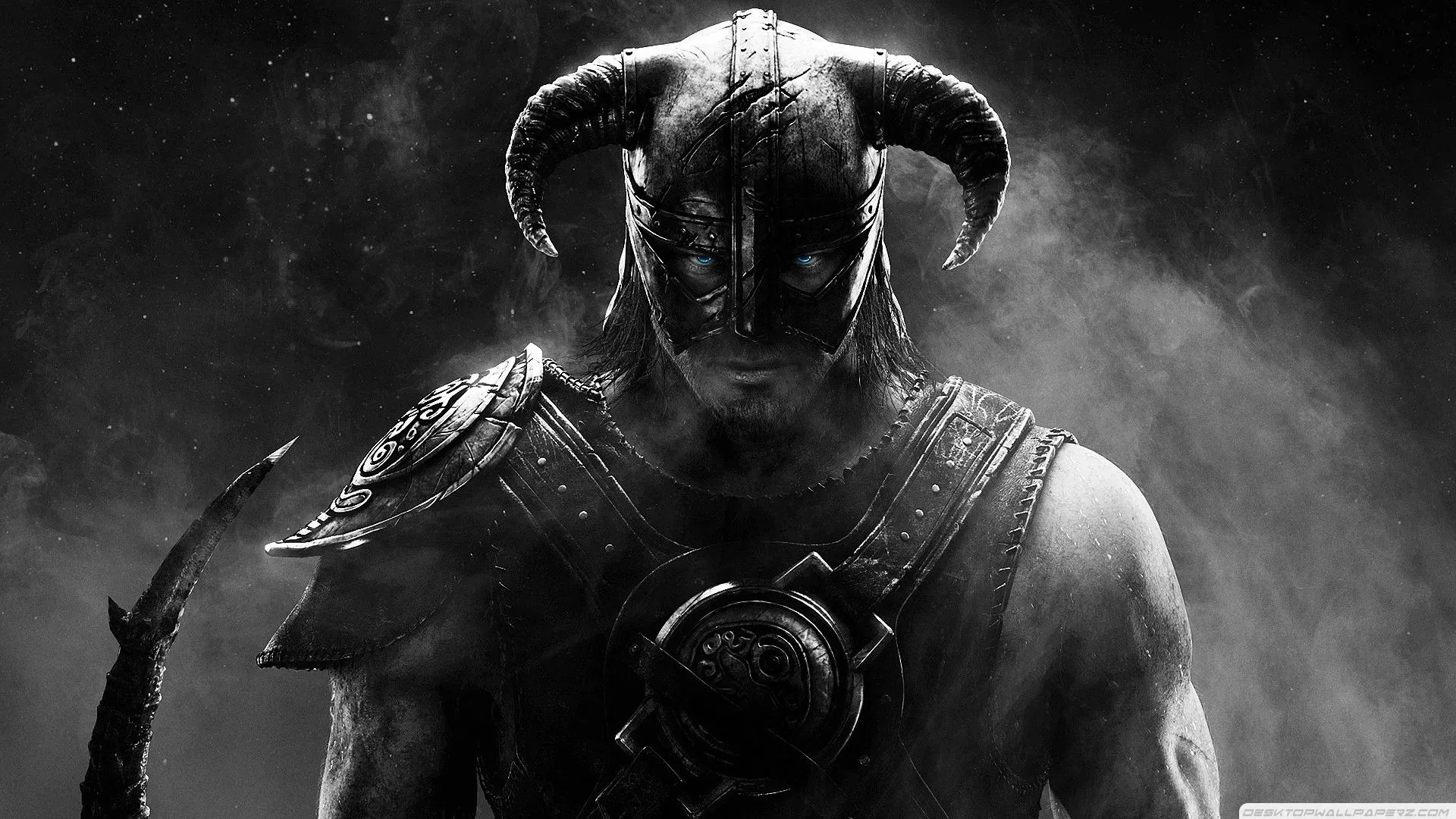
The decision to elevate the cap to 100 also joins a wider RPG conversation about whether progression limits should be final endpoints or flexible tools for players who remain invested. A recent discussion of Skyrim’s original level cap similarly highlighted how strongly some players can attach to the prospect of continued advancement. Dawnwalker’s update is not presented as the same situation, but its design logic is recognizable: when players want to continue developing a character, a hard stopping point can feel less satisfying than a further challenge built to meet them.
Recognition, then a substantial follow-up
The patch arrives after The Blood of Dawnwalker earned several high-profile award nominations. It finished second in both PC Game of the Year and Best Storytelling categories, while placing fifth in Ultimate Game of the Year. It did not win an award in those categories, but the results underline the attention the game has attracted.
For Rebel Wolves, patch 1.2 is a concrete post-launch step rather than a victory-lap announcement. Its confirmed contents focus on replay value and fundamentals: enemy behavior, enemy durability, item scaling, player progression, and moving through the world. Those areas define how an RPG feels long after a player has seen its ending.
Players who have not yet completed the Epilogue do not need to rush based on the available details; the developer’s stated entry condition is completion of that ending. Those who already have will be able to return to Vale Sangora next week, with a much higher ceiling to pursue and an updated balance framework waiting beyond it.