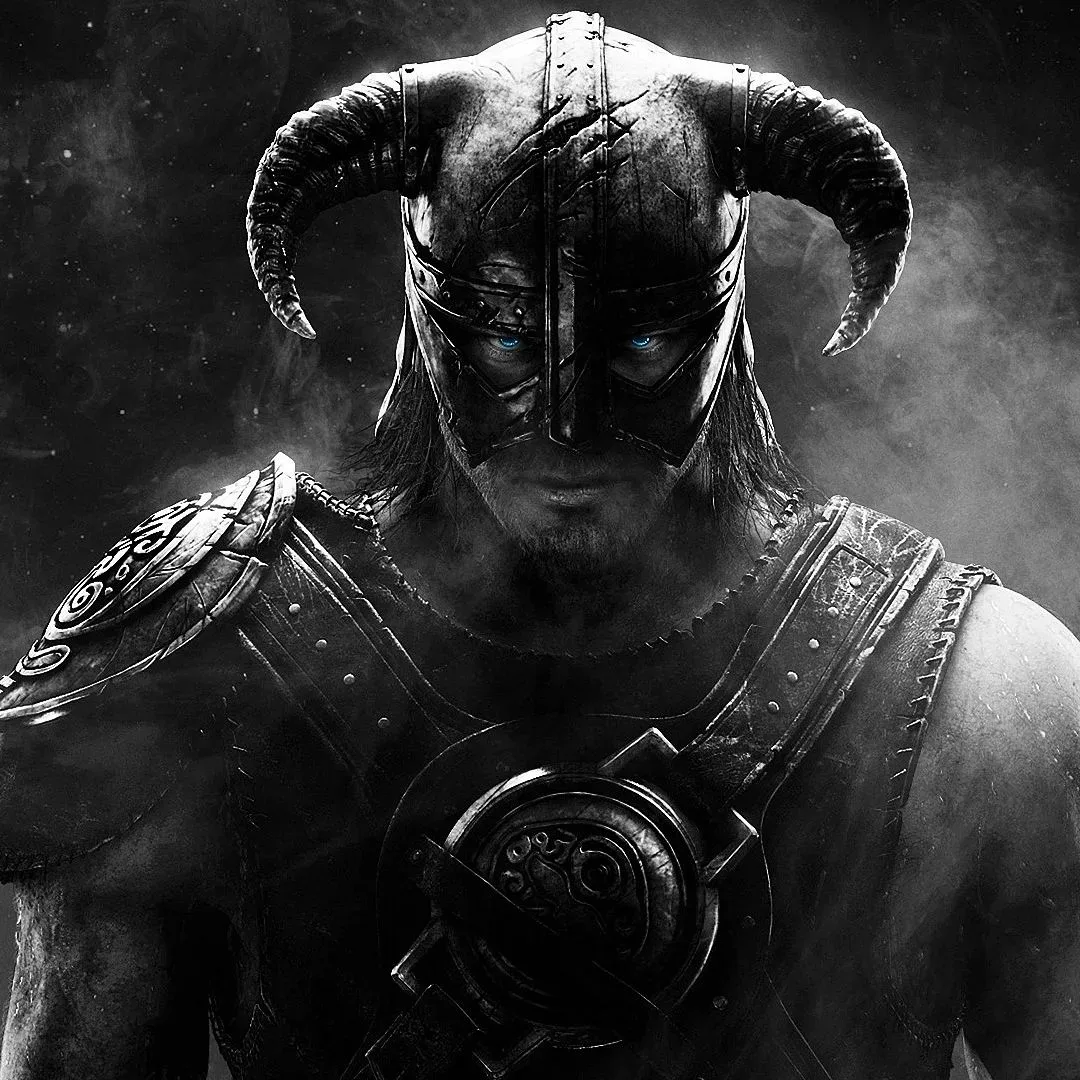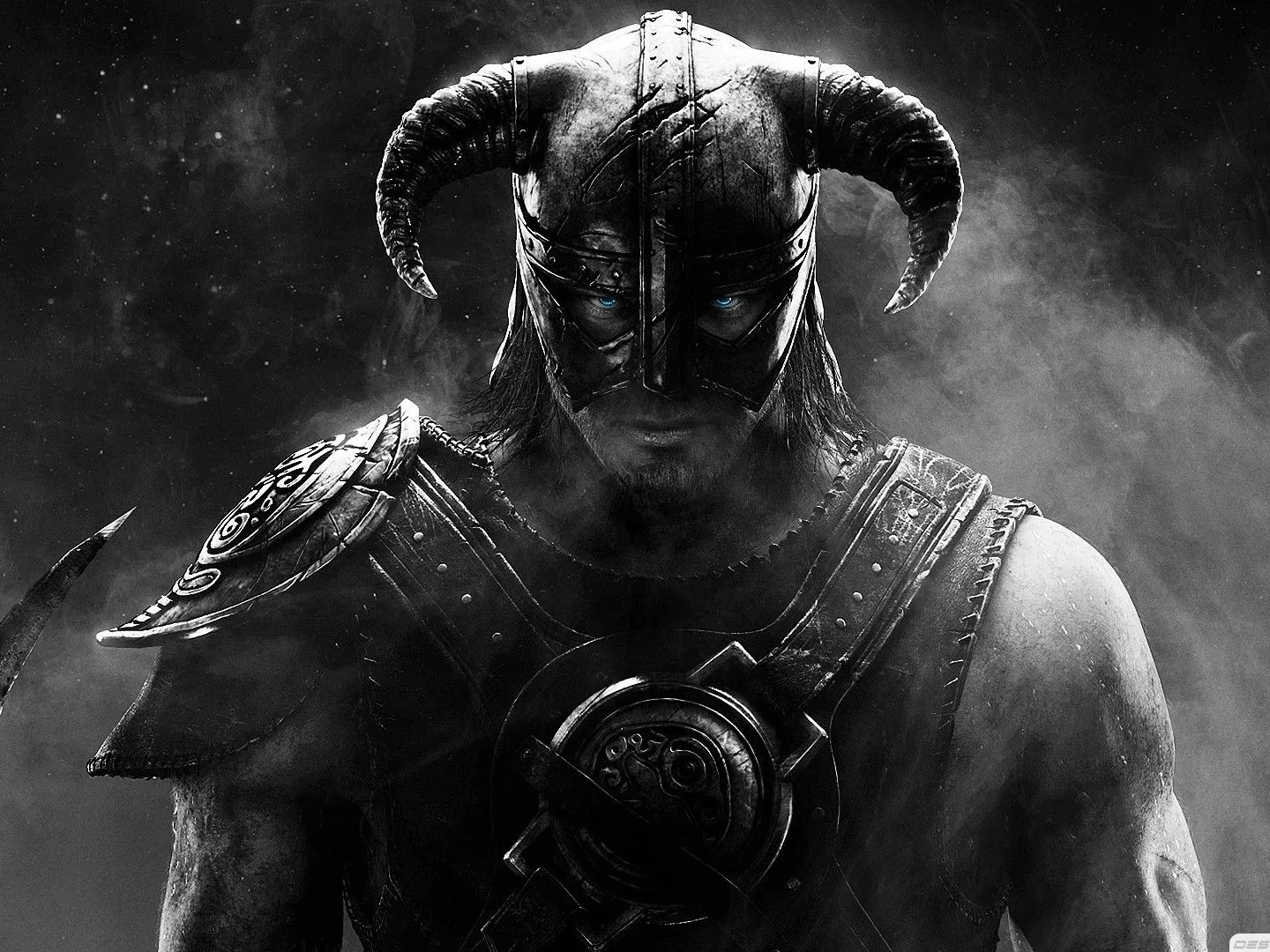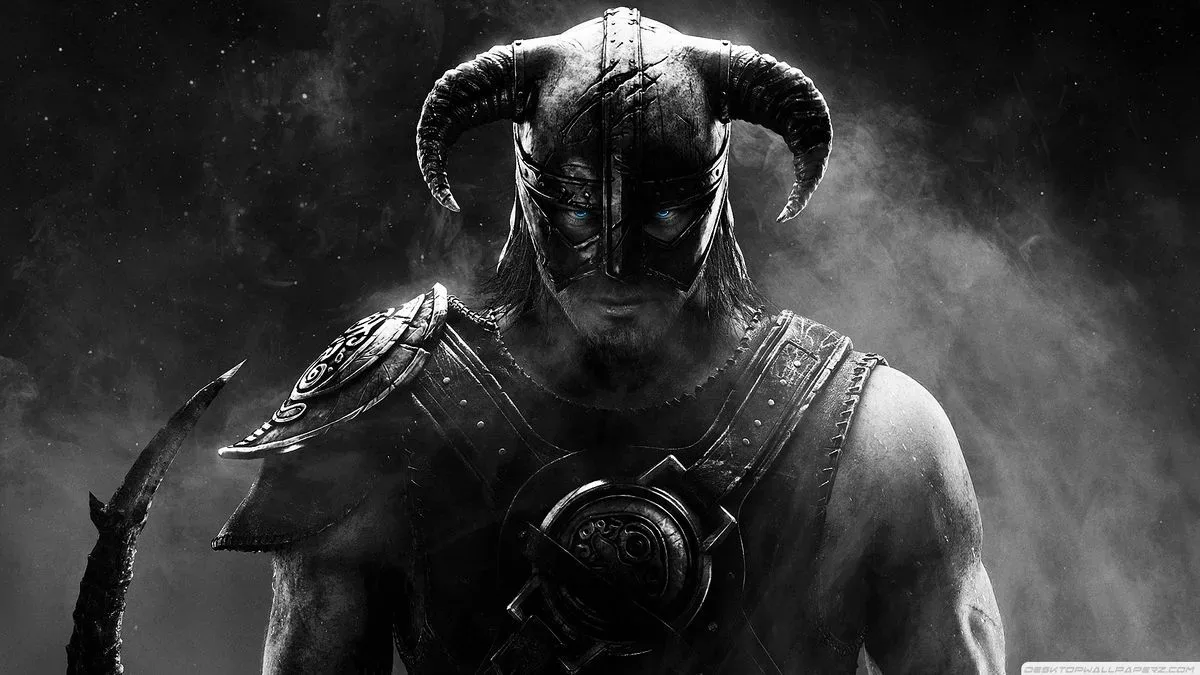
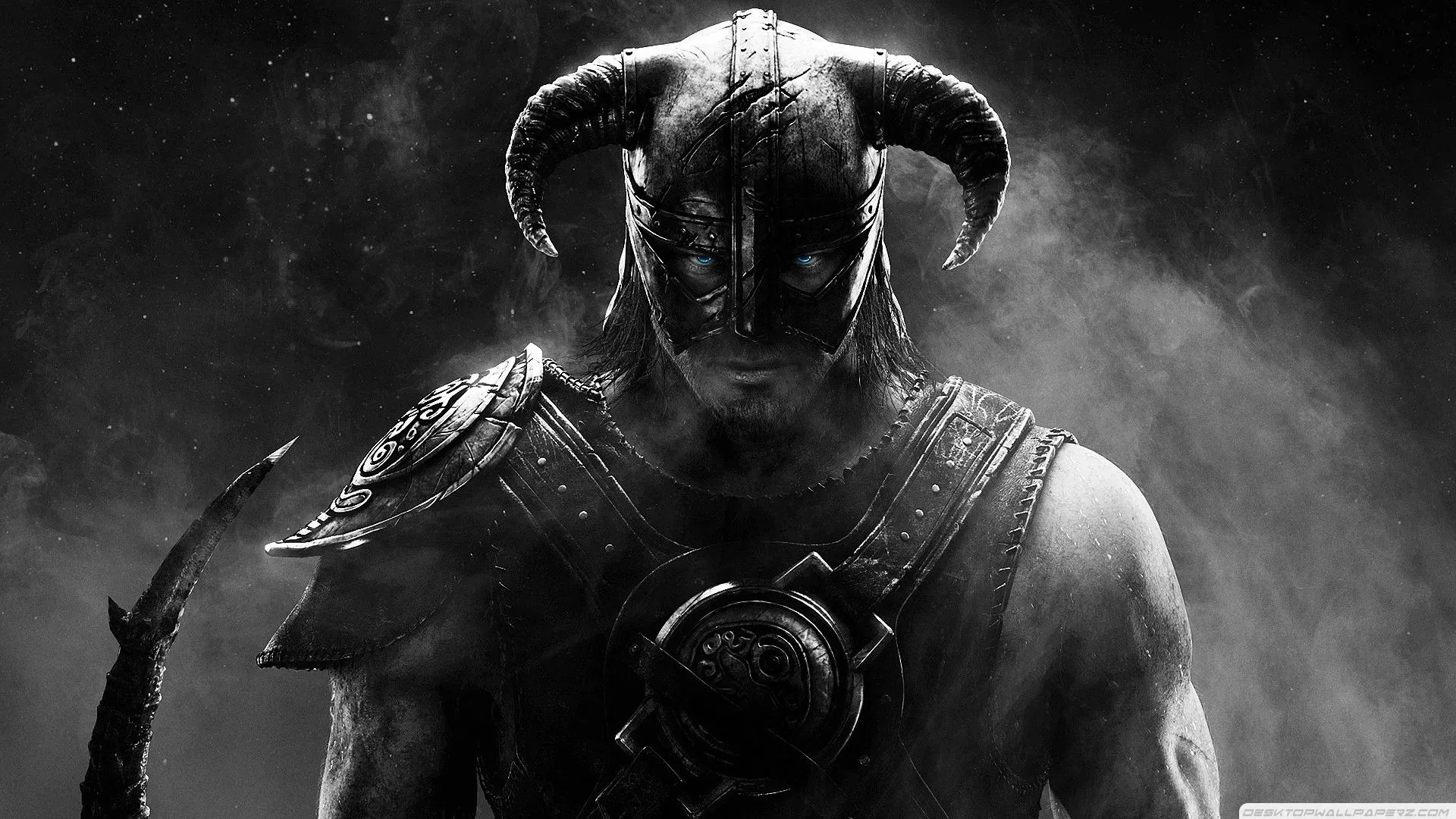
Skyrim’s original level ceiling was not conceived as a looming problem. It was simply the mathematical consequence of the game’s skill structure. Former lead designer Bruce Nesmith has reflected on that decision, explaining that when every skill could reach 100, the resulting progression system topped out at character level 81. From a development perspective, he expected that to be more than enough.
The assumption was rooted in a broad target for Bethesda-style role-playing games: players would generally have seen most of the content at roughly level 50. Nesmith stressed that this was never an exact rule. A player leaning heavily into stealth, magic, or other skill sets can progress differently. Still, level 50 was viewed as a sensible approximate point for having experienced the bulk of a game’s intended material. In that framework, 81 looked comfortably beyond the finish line.
Players did not necessarily see Skyrim through that finish-line lens. Nesmith’s hindsight is unusually direct: the problem was not merely that some people wanted a larger number beside their character’s name. Many wanted to keep inhabiting the specific Dragonborn they had shaped. As he put it, players had “a character they loved,” and did not want reaching a cap to imply that they should begin again with somebody new.
Why a level cap became more than a numbers problem
A level cap is the maximum character level a game’s progression system permits. In many RPGs, it is a practical boundary: it helps designers define the upper limits of character power, prevents every ability from escalating forever, and gives progression a clear endpoint. Skyrim’s original cap followed from its underlying rules rather than from a separate arbitrary lock. With skills limited to 100, there was only so much skill advancement available to convert into character levels.
That logic works neatly on paper. It also reveals a tension that matters in open-ended RPGs: finishing authored quests and finishing a character are not the same thing. A player may have completed much of the designed content while still considering their adventure ongoing. They may be exploring, experimenting with another school of magic, pursuing a different play style, or simply returning to a familiar save because the character has become personally meaningful.
Skyrim’s case suggests that progression systems are partly about emotional continuity. A character is a record of decisions: which skills were developed, how the player approached challenges, and what kind of role they imagined for that hero. Asking someone to start a new character after they have reached the system’s endpoint can be a much bigger request than it sounds, even if the game has technically delivered its planned quests.
That distinction is especially important for a game that supports different approaches to play. Nesmith noted that skill use can change where players land by the time they have seen most of the game. A player focused on stealth may develop differently from one who relies on magic. The level cap therefore did not only affect people chasing a maximum level; it placed a final boundary around continued advancement for long-running characters built in many different ways.
The Legendary solution: reset a skill, keep the character
The eventual adjustment came through the Dragonborn DLC, which allowed players to reset skills by spending Dragon Souls. That approach was later introduced in a free update as Legendary Mode. The core idea was straightforward: rather than forcing a player to abandon their established character, the system gave them a way to renew a fully developed skill and keep progressing.
Related coverage includes Skyrim's Former Lead Designer Reconsiders the RPG's Original Level Cap.
In practical terms, resetting a skill opens room for that skill to be improved again. That means the player can continue earning character levels past the original limit while preserving the same overall character and save. It is a solution aimed at the precise concern Nesmith identified: continued play should not require a completely fresh start.
There is an important trade-off in that design. A reset mechanic preserves long-term progression, but it changes the character’s capabilities in the skill being reset. It is not simply an unlimited extension that grants more power without consequence. That makes the feature a compromise between two competing needs: giving committed players more runway, while retaining the broader idea that skills have meaningful stages of development.
Nesmith said the specific implementation was not his favorite mechanic, but acknowledged that it worked. That distinction matters. Design solutions do not need to be perfect to address a genuine player need. In this case, the need was clear enough that an imperfect-but-functional continuation path was preferable to leaving the original limit intact.
What the change says about open-world RPG design
The lesson is not that every RPG must eliminate level caps. A cap can still make sense in games designed around tightly managed balance, a finite campaign, or a deliberate conclusion. Skyrim’s experience instead highlights the importance of matching a progression model to the kind of relationship players are expected to have with a game.
For an expansive RPG, developers may design around the reasonable expectation that most players will experience the bulk of authored material within a certain range. Players, meanwhile, may treat that world as a place to revisit for far longer. Both perspectives can be rational. The friction emerges when a system built around content completion meets an audience invested in character persistence.
Legendary skills addressed persistence without claiming that every player needed to pursue endless leveling. Someone satisfied with their existing build could leave the system alone. Someone who wanted to continue growing, or re-engage with skills they had already mastered, had a path to do so. That optionality is a useful model for games with highly varied player motivations.
It also makes the term progression worth separating into two meanings. Mechanical progression is the steady accumulation of levels, skill increases, and character strength. Personal progression is the sense that one particular character’s story is continuing. The original level 81 limit interrupted both at once for players who had reached it. The Legendary system restored mechanical advancement while protecting the personal continuity of the same hero.
What this may mean for the next Elder Scrolls game
There is no confirmed progression design in the material discussed for the next Elder Scrolls game, referred to in the discussion as The Elder Scrolls 6: Sentinel. It would be premature to treat Nesmith’s recollection as confirmation that a future entry will have no cap, use skill resets, or follow Skyrim’s model in any exact way.
What can be said is that the Skyrim change documents a clear piece of design feedback: players may value a long-lived character more than a clean endpoint to a leveling system. Any future RPG in this mold will need to weigh familiar questions. How long should a character continue to advance? How should power scale after players have invested heavily in a build? And how can a game allow continued play without making every choice lose meaning?
Those questions go beyond a single number. A higher cap alone would postpone the same issue rather than necessarily solve it. A system that supports continued advancement must also consider whether individual skills can be renewed, whether players can redirect a build, and what continued levels represent after a character has already become exceptionally capable.
For Skyrim players, though, the historical takeaway is simpler. Level 81 was initially seen as safely beyond the point where most people would have exhausted the game’s main offerings. The community response demonstrated that many players were not done with their characters just because the original math was done with them. Legendary skills became the answer that allowed the adventure—and the same character—to continue.
For more gaming news involving a different kind of long-running, evolving game community, see the latest on Fortnite’s Captain X unmasking.