The Expanse: Osiris Reborn is making a conspicuous pre-release adjustment to two of its most important characters. Blythe Melin will now voice the game’s male protagonist, known as the Captain, and the Captain’s brother, J. The change follows beta feedback that criticized the earlier performances as insufficiently expressive.
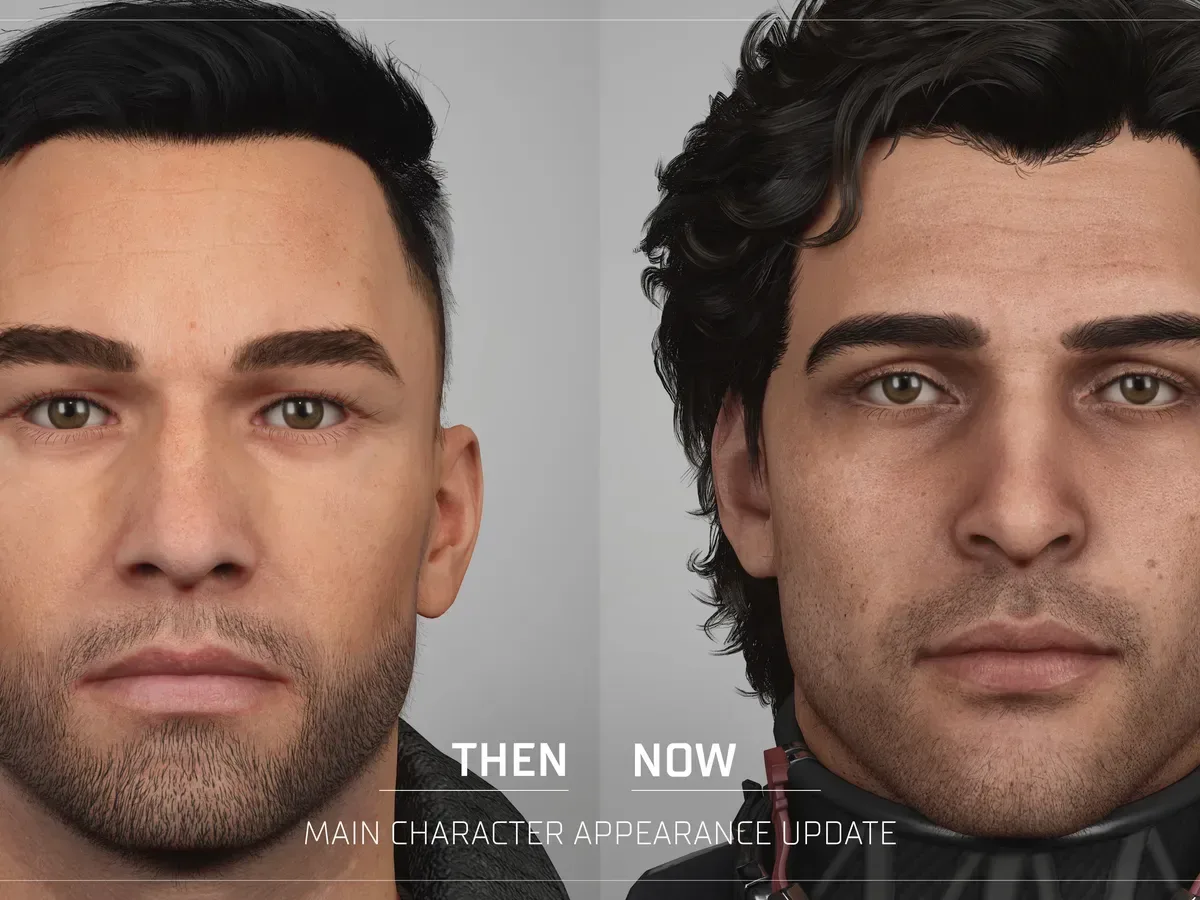
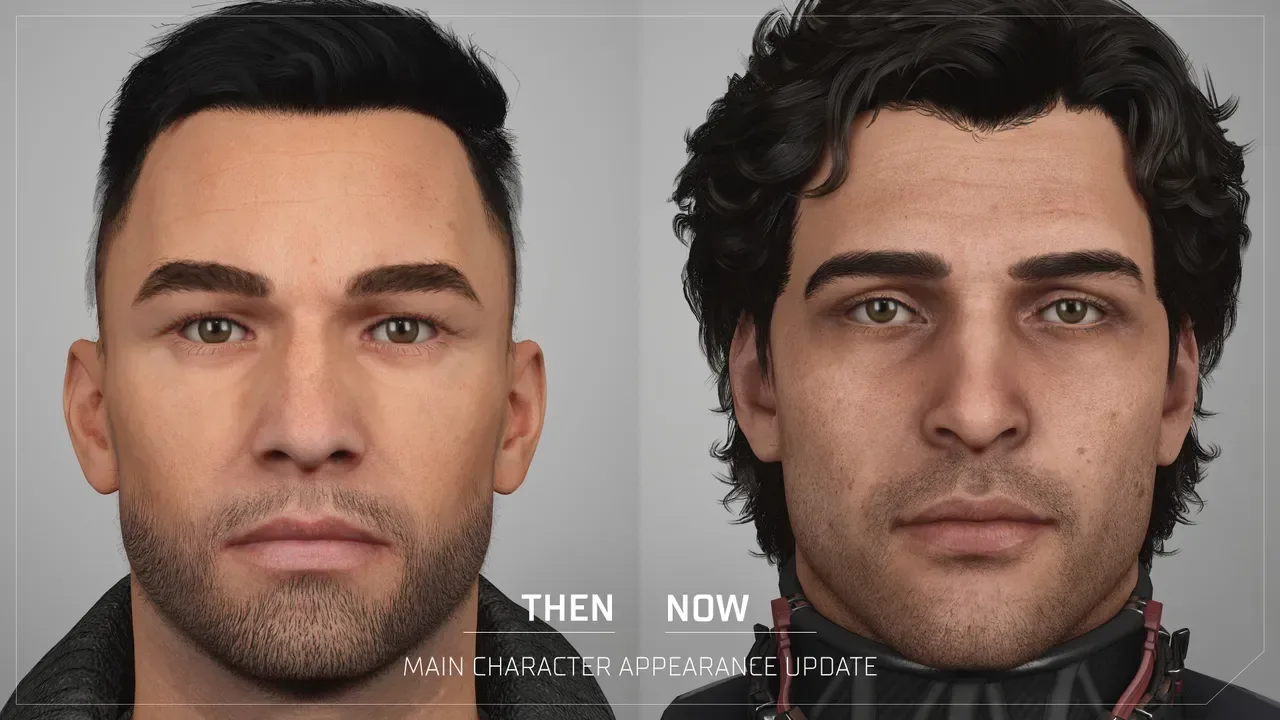
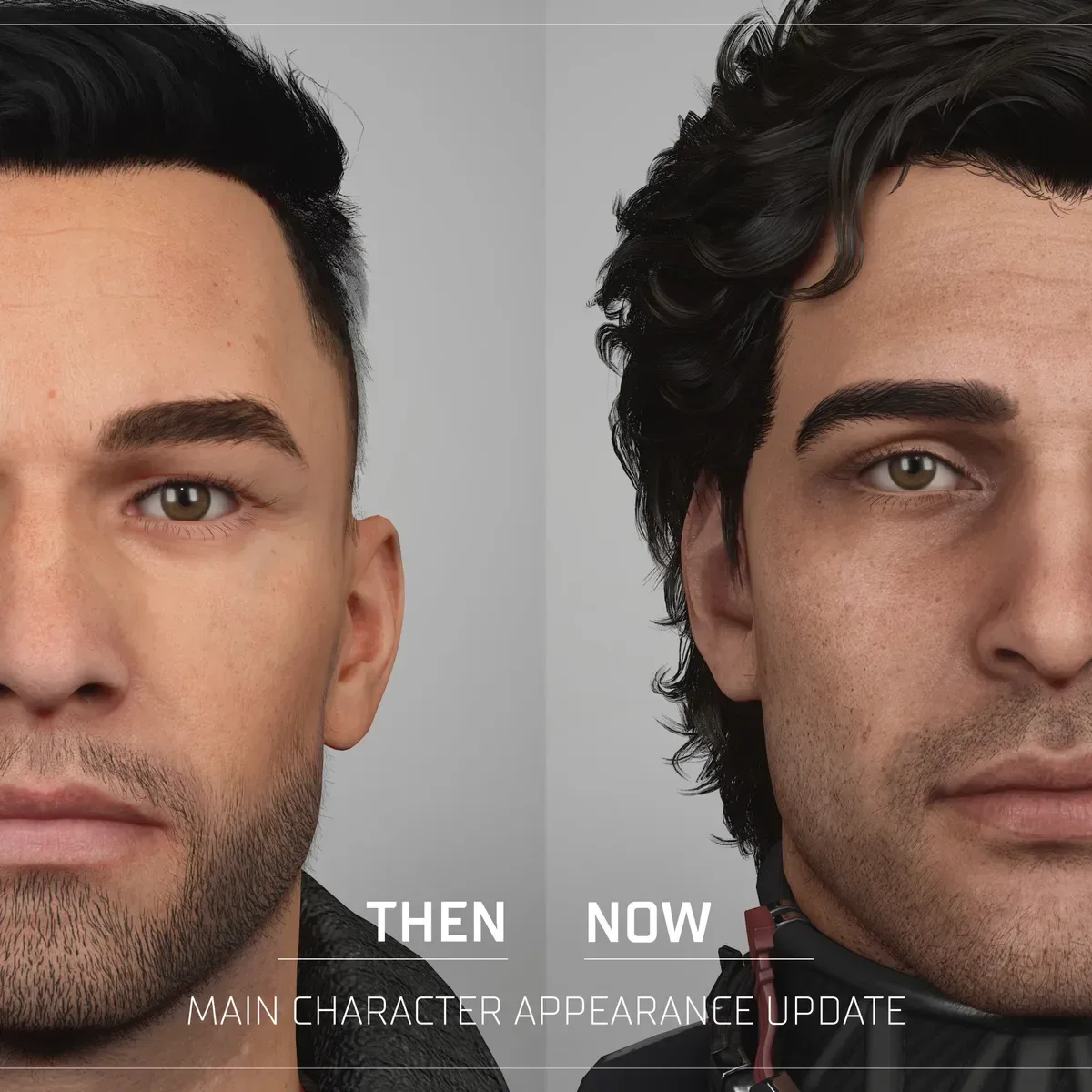
The developer had previously said that the original actor’s work was good, but did not deliver the degree of expression the team wanted for the Captain and J. The prior performer has not been publicly identified. Alongside the recasting, the game’s male protagonist has received an updated default facial model in newly shown material.
Neither development decision removes player customization. Players will be able to alter the look of the protagonist whether they select the male or female version. The new face is instead the character’s default, or “canon,” presentation: the pre-set appearance used to represent the Captain in official material. It is a familiar approach for a customizable RPG lead, where a game can support player-made identities while still maintaining a recognizable visual shorthand for trailers, promotional art and story-facing scenes.
A recast aimed at dialogue that carries more weight
Changing a lead voice before launch is a major creative intervention, especially when the actor is taking on two related roles. It means the new recording work has to support not only the Captain’s central place in the game, but also J’s presence as a distinct character. In a role-playing game built around conversation choices, vocal performance is not merely a finishing touch. It helps players read tension, confidence, hesitation, humor and intent when a dialogue option becomes an acted line.
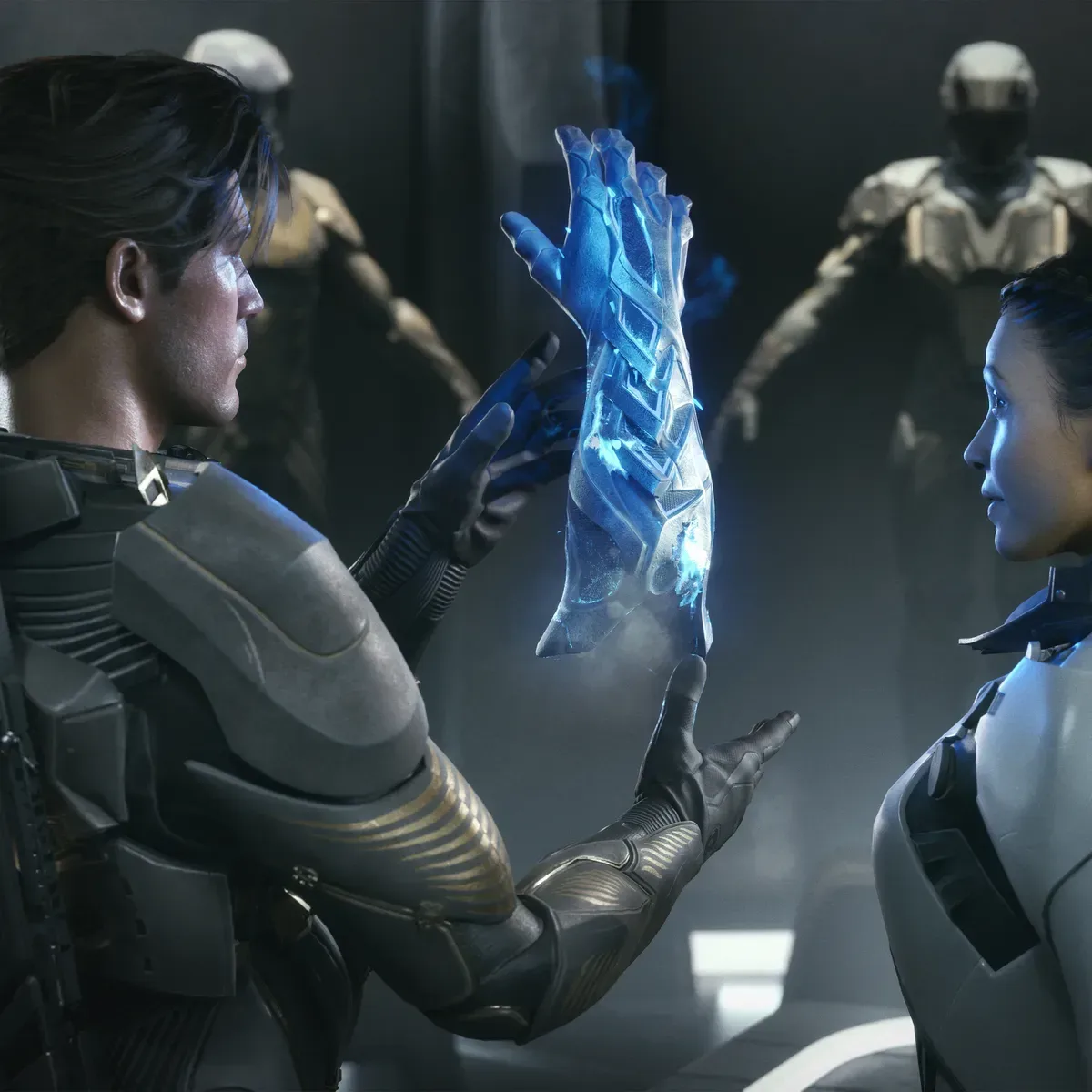
Melin described the assignment as both enjoyable and unusually demanding because the Captain and J are biologically related. The central problem is straightforward: the characters should plausibly share a connection without sounding interchangeable. A performance that leans too hard into vocal similarity could blur the distinction between them. One that ignores their relationship entirely could make the casting premise feel cosmetic.
That balance is particularly delicate here because the Captain functions as an avatar for the player, while J is already established within the game’s story context. An avatar is a player-controlled or player-defined protagonist through which the audience makes choices. Such characters often need room for the player’s interpretation. A pre-established companion or supporting character, by contrast, can arrive with more specific habits, history and mannerisms. Melin said that difference offered a useful divide in shaping the two performances, with the writing and direction helping give J a firmer personality.
The actor also pointed to the challenge of multi-path dialogue. This means dialogue structured around more than one possible route, commonly driven by player choices. It raises the performance workload beyond recording a single linear script: the actor must maintain a coherent personality across lines a player may hear in different orders, emotional circumstances or story branches. The Captain still has to feel like one person even when two players make sharply different decisions; J needs to remain recognizably himself through those branching exchanges.
That is why an “expressive” performance is not simply about making every line louder or more dramatic. It is about specificity. Small shifts in pace, emphasis and restraint can tell players whether a response is guarded, sincere, impatient or uncertain. For a dialogue-heavy sci-fi RPG, that specificity can help choices feel connected to people rather than just menus with space helmets.
Related coverage includes The Expanse: Osiris Reborn Recasts Male Captain and Updates Default Face.
Why beta feedback mattered
Players who encountered the beta had described the earlier voice work as flat and boring. The team’s own explanation was more measured, saying the performances felt less expressive than intended. Both descriptions point to the same underlying concern: the delivery was not consistently communicating enough character.
The response is notable because it goes beyond a routine audio adjustment. Replacing both the player-facing male Captain and J acknowledges that their performances are connected. Recasting only one might have created a new mismatch between brothers; recasting the pair allows the performances to be developed together from the start.
It also shows the practical value—and pressure—of gathering reaction before release. Beta feedback does not automatically determine every creative decision, and it should not be treated as a vote on every detail. But it can expose an issue that becomes clearer once players hear dialogue in context. In this case, the team agreed that more vocal range was needed and made a substantial change while the game remains in development.
For players, the immediate implication is simple: prior beta impressions of the male Captain and J’s performances should not be assumed to reflect the release version. The recast means future footage featuring those characters may represent a significantly different vocal identity, even if the scenes and dialogue broadly occupy the same narrative roles.
A new default face, but not a locked-in player appearance
The male Captain’s updated face is the other visible half of this revision. While customization will let players change the protagonist’s appearance, the default model matters because it is the version most likely to become the game’s visual reference point. In other words, it is the face that can carry the burden of being recognizable when the player has not made their own character.
Some viewers have drawn comparisons between the updated look and Marco Inaros, the Free Navy commander from The Expanse television series. That is an observation rather than a confirmed design intent, and hairstyle appears to be part of what invites the comparison. The key confirmed point is narrower: the game’s male lead has an updated default face, while players retain the option to customize their Captain.
Visual changes and voice changes can be easy to lump together as “fan feedback fixes,” but they solve different problems. A revised face changes immediate visual impression and the identity of a default character model. A voice recast affects the rhythm and emotional texture of scenes over the course of the game. Taken together, they suggest that the development team is still refining how the Captain reads both at a glance and in conversation.
What remains unknown about the cast
Melin is known for animation work, including roles connected with DC characters, and has previously performed video-game voice work largely in background NPC roles. The Captain and J assignment therefore represents a particularly prominent game role: two narrative characters whose relationship and dialogue presence are directly central to the story.
There are still gaps in the public casting picture. Details on the female protagonist’s voice actor and other cast members are expected later. The identity of the original male Captain and J actor also remains unannounced. Until those details arrive, it would be premature to infer the full scope of any further recording changes or to assume that other roles have been altered.
The broader production context is also worth watching, especially as game development and technology-business decisions continue to overlap across the industry. Major questions around game-development technology and investment are separate from this casting decision, but they underline how many moving parts can surround a modern game long before its release.
Release window and platforms
The Expanse: Osiris Reborn is scheduled for spring 2027 on PC, PlayStation 5 and Xbox Series X|S. The current update is not a release-date change; it is a creative revision to the male Captain and J, plus a visual update to the male Captain’s standard appearance.
For now, the clearest expectation is that the eventual male Captain will sound different from the beta version, with Melin performing both him and J. Players who prefer to build a character around their own visual ideas will still be able to customize the protagonist, while those who use the default male lead will see the revised face. The remaining question is how the new performances land in the game’s branching dialogue—and, naturally, whether J can sound like family without becoming Captain 2: The Genetic Boogaloo.