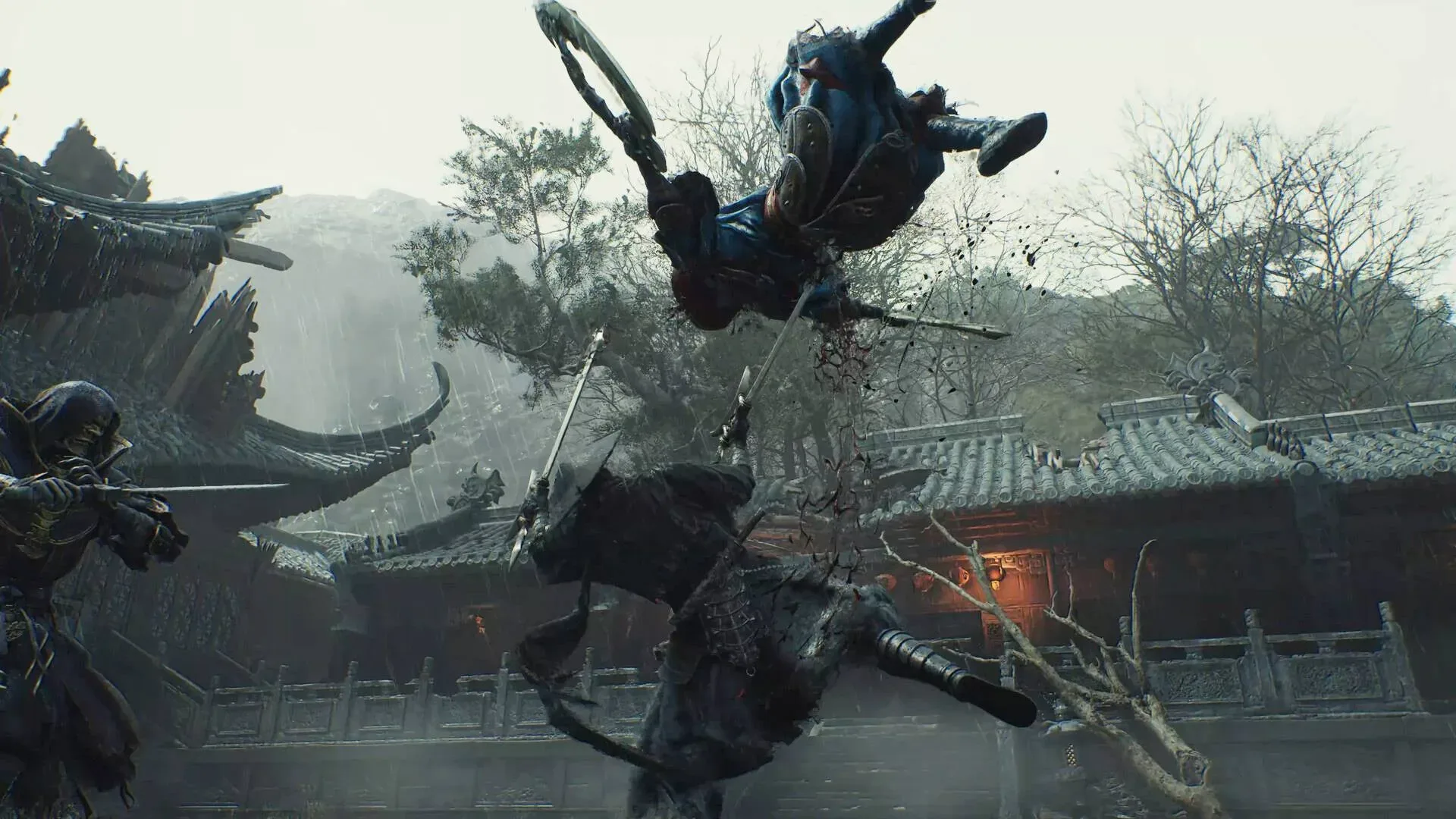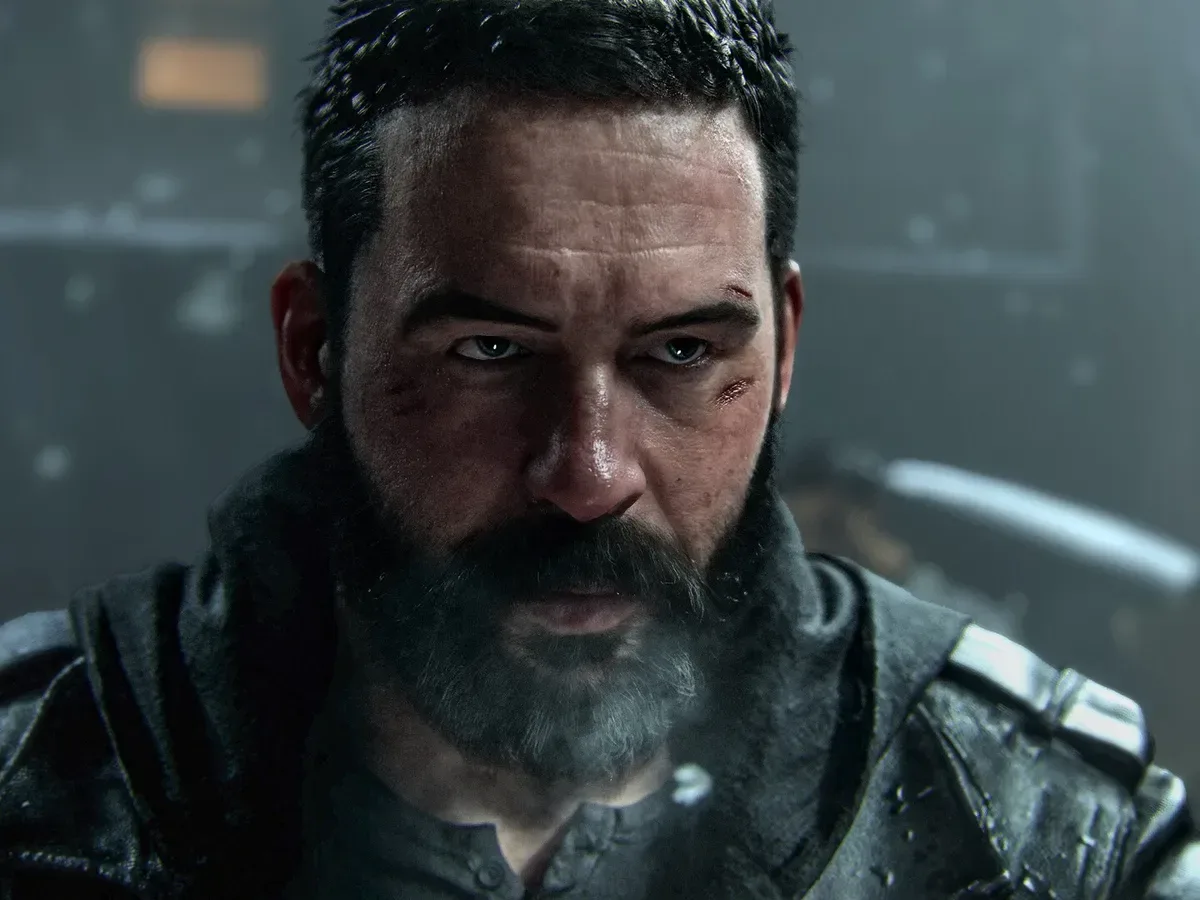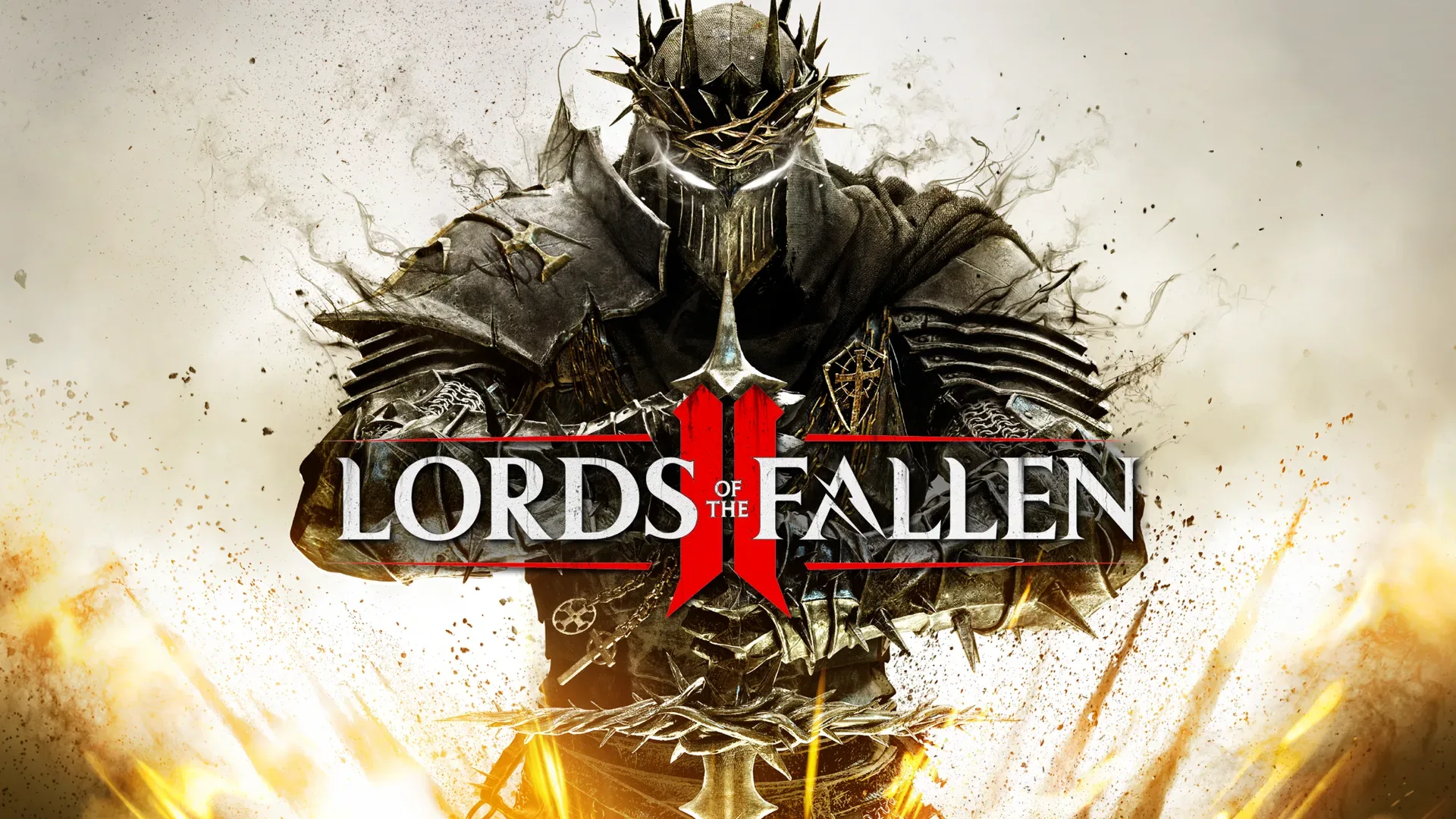
CI Games has pulled back the curtain on the combat ambitions behind Lords of the Fallen II. The 11th entry in the developer’s Lifting the Veil video series, titled Steel & Sorcery, focuses on a substantially expanded set of options for melee fighters, spellcasters, archers and players who intend to combine all three.
The central number is nearly 30 fully distinct weapon movesets, roughly double the 15 cited for the 2023 game. That does not simply mean more weapons to collect. A moveset is the collection of attacks, animations and tactical properties attached to a weapon or fighting stance: its basic strikes, heavier commitments, reach, recovery time and the routes available when chaining attacks. More distinct movesets should therefore matter most if they give weapons genuinely different jobs in a fight rather than merely different damage values.
CI Games says the sequel’s weapon classes will include individual maneuvers such as attacks that reposition the player, endlessly chainable combos and area-of-effect attacks. Alongside new counterstrikes, signature boss-weapon attacks, mid-combo swaps and a revised approach to magic and ammunition, the stated aim is clear: make combat builds less siloed and give players more reasons to alter their plan in the middle of an encounter.
Nearly 30 movesets point to more distinct melee identities
Weapon variety is often discussed in terms of quantity, but the more important question is how differently a weapon asks the player to move and commit. CI Games’ description suggests it is pursuing separation through function. Repositioning strikes can create distance or change an angle of attack; area-of-effect moves can pressure groups or control space; and infinite combo chains imply that a player may be able to sustain offense without immediately reaching a fixed final hit.
Those options could make weapon choice a tactical decision rather than a purely stat-driven one. A weapon built around movement may suit players who want to weave through danger. A broad attack may provide a response when multiple enemies crowd an area. Longer combo strings may reward players who recognize a safe opening and are willing to keep pressing it. The practical value will depend on timing, damage, enemy behavior and the risks attached to each tool, details that remain to be seen.
The studio is also drawing a clearer line between one-handed and two-handed movesets. That is significant because the two approaches can otherwise feel like variations of the same attacks with changed speed or power. A distinct identity means a stance switch has the potential to be a purposeful combat choice. One stance might be selected for a particular sequence or range, while the other could offer a different answer to an opponent’s position. CI Games has not provided exact move lists or balance values, so players should regard this as a design direction rather than a complete accounting of every option.
What mid-combo switching changes
One of the more consequential additions is the ability to switch weapons during a combo. Players can transition between one-handed and two-handed stances and swap between two melee loadouts in the middle of a sequence.
In simple terms, a loadout is the equipment arrangement a player has ready to use. Being able to change between two melee loadouts without ending an attack sequence potentially makes loadout planning part of active play, not just something handled in a menu or before a fight. A player could begin with one weapon’s approach tool and continue with another weapon’s attack pattern, assuming the systems, timing and stamina economy permit it.
CI Games also mentions new counterstrike attacks. A counterstrike generally refers to an offensive response that follows a defensive read, such as avoiding, blocking or otherwise answering an opponent’s action. The reveal does not specify the trigger conditions for these attacks, so it is too early to assume exactly how they work. Still, their inclusion alongside combo transitions suggests an emphasis on momentum: reacting successfully could lead into a more assertive offensive turn.
Boss weapons will receive signature attacks as well. Such attacks give a special weapon a defining behavior beyond its baseline class moves. The announcement does not identify individual boss weapons or their effects, but the intent appears to be making those rewards feel mechanically recognizable rather than interchangeable with ordinary equipment.
Quickfire is designed to keep magic and ranged tools within reach
The new Quickfire system is meant to reduce the friction between melee and other disciplines. Each melee loadout can hold two Quickfire abilities, allowing immediate use of magic, ranged projectiles and buffs without requiring a stance swap.
A buff is a temporary beneficial effect, such as an enhancement to a character’s capabilities. In a combat system with separate stances, the time and vulnerability involved in changing modes can discourage players from using situational tools. Quickfire appears intended to solve that problem by making selected options available while a melee weapon remains active.
This may be especially meaningful for hybrid builds. A hybrid build is a character setup that invests in more than one combat discipline—for example, mixing close-range weapons with spells or ranged attacks. Hybrid play can be appealing because it provides answers at multiple distances, but it can become cumbersome if each answer demands a slow equipment change. CI Games says Lords of the Fallen II is placing a stronger focus on these mixed setups, and Quickfire is the most direct expression of that goal revealed so far.
It is worth separating the confirmed feature from assumptions about its final impact. The announcement confirms two Quickfire abilities per melee loadout and their possible categories. It does not spell out cooldowns, resource costs, input schemes, limits on specific abilities or whether particular combinations will be available. Those details will decide whether Quickfire is a convenient supplement or a system that substantially reshapes combat flow.
Magic gets dedicated mobility and expanded spell access
Magic and ranged combat will each have dedicated stances with mobility described as comparable to melee. The implication is that choosing a catalyst or a ranged weapon should not automatically mean accepting a notably less mobile style of play. That can be important for builds that operate at distance, where movement is often as important as raw damage.
The spell system also includes instant casting. Players can prepare up to four spells per catalyst, then access another four by switching to a second catalyst. A catalyst is the equipped item used to cast spells. In practice, the stated setup creates the potential for eight available spells across two catalysts, rather than forcing a player to rely on a single small selection.
Some spells will have chargeable variants. Charging a spell usually means holding an input to alter or strengthen its effect, though CI Games has not detailed the exact differences here. It could introduce a choice between acting immediately and committing more time to a potentially more powerful version. The game will feature seven schools of magic, but the announcement does not yet name them or explain their individual roles.
Mana can be restored with the Sanguinarix. Mana is the resource generally spent to cast magic, while the Sanguinarix is the named restoration tool in this system. Connecting mana recovery to the Sanguinarix could give magic-focused characters another avenue to sustain their discipline. However, CI Games has not specified its capacity, refill rules, costs or other constraints, so it would be premature to draw conclusions about how long a spell-focused character can maintain pressure.
Ranged builds receive an answer to ammunition pressure
CI Games is also adjusting ammunition in a way that could make dedicated ranged characters more practical across an entire playthrough. Standard ranged weapons will use infinite base ammunition. More powerful ammunition variants can be replenished at certain points in the world.
This is a notable split. Infinite base ammo establishes a dependable default attack so that a ranged player is not entirely halted after expending supplies. Stronger variants still appear tied to replenishment locations, preserving a distinction between reliable baseline shots and higher-impact ammunition. The exact weapons, refill points and strength gap have not been disclosed, but the broad structure is meant to make a fully ranged run more viable.
For players weighing character paths, the combined systems suggest several potential styles: a melee fighter using Quickfire for select utility; a spellcaster carrying multiple catalysts and retaining mobility; an archer relying on unlimited standard ammunition; or a hybrid that uses stance changes and weapon swaps to cover different situations. Whether every path proves equally effective will ultimately be a balance question, but CI Games is explicitly building support for all of them.
Respec-friendly upgrades could encourage late-game experimentation
Another quality-of-life change concerns weapon upgrades. Players will be able to recover weapon upgrades for a small cost. The system should reduce the penalty for upgrading a weapon and later deciding it does not match a preferred playstyle.
That matters more in a game advertising many movesets and mid-combo loadout changes. Experimentation is easier when resources are not permanently tied to an early choice. The studio specifically frames the feature as encouragement to try different equipment at later levels, when players may have a clearer understanding of their build or access to more options. The announcement does not detail the cost, the precise upgrade materials returned or any restrictions, but the direction is to make changing course less punishing.
CI Games attributes the combat overhaul to feedback surrounding the 2023 release as well as additional development time. Steel & Sorcery includes Chief Creative Officer Ryan Hill, Lead Combat Designer Mike Vermeulen, and Launch Creative Team members Travis “Pastorgainz” Hughlett and Chandler Huddleston. The new episode and a combat gameplay montage were released alongside the update.
Lords of the Fallen II is targeting a worldwide launch in Q1 2027. It can be wishlisted for PC through Steam and the Epic Games Store, as well as PlayStation 5, Xbox Series X|S and Nintendo Switch 2. CI Games is developing the game, while PLAION will support physical distribution and retail sales globally. It is not yet rated; the current expectation is ESRB Mature 17+ and a provisional PEGI 18 classification.
Players looking for another current PC-focused update can also read about Etheria: Restart’s SS6.4 update and its upcoming Guilty Gear -Strive- crossover.