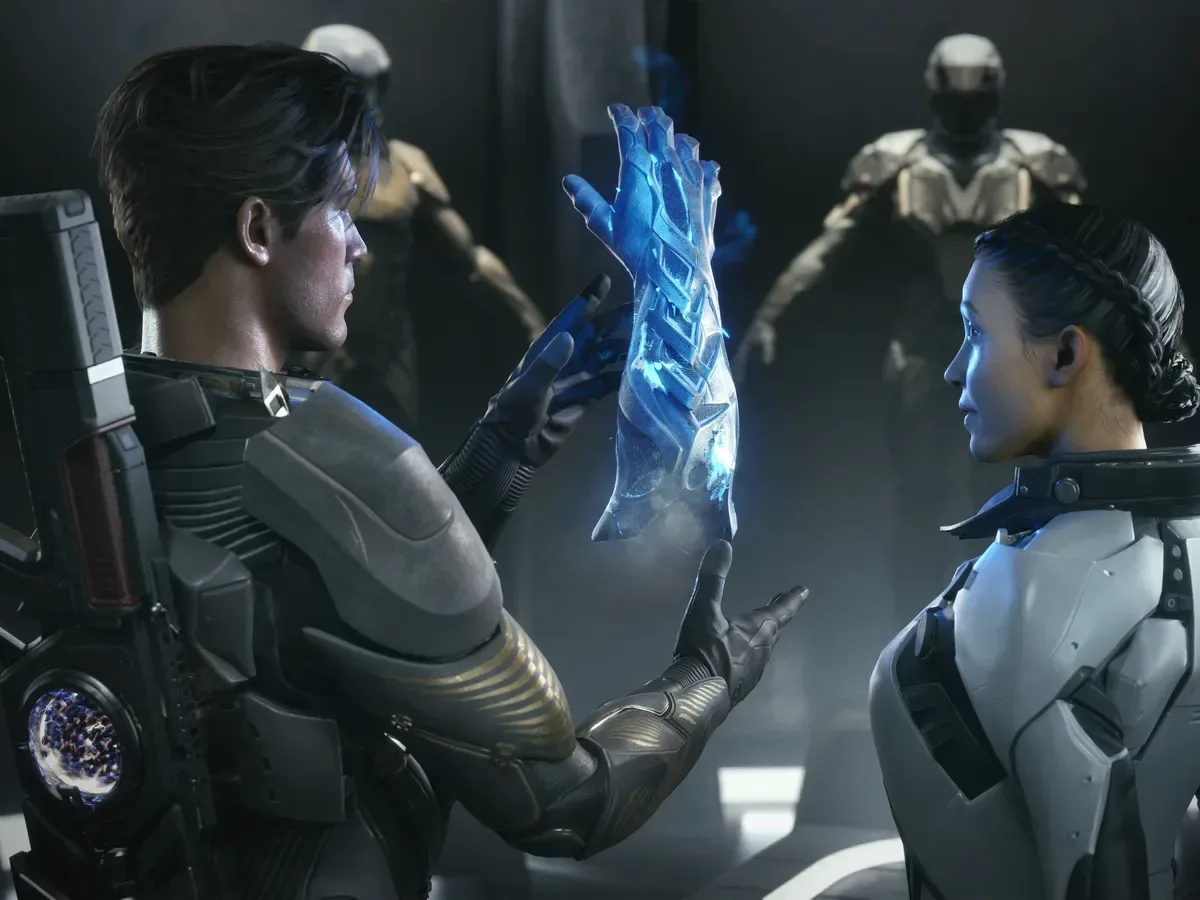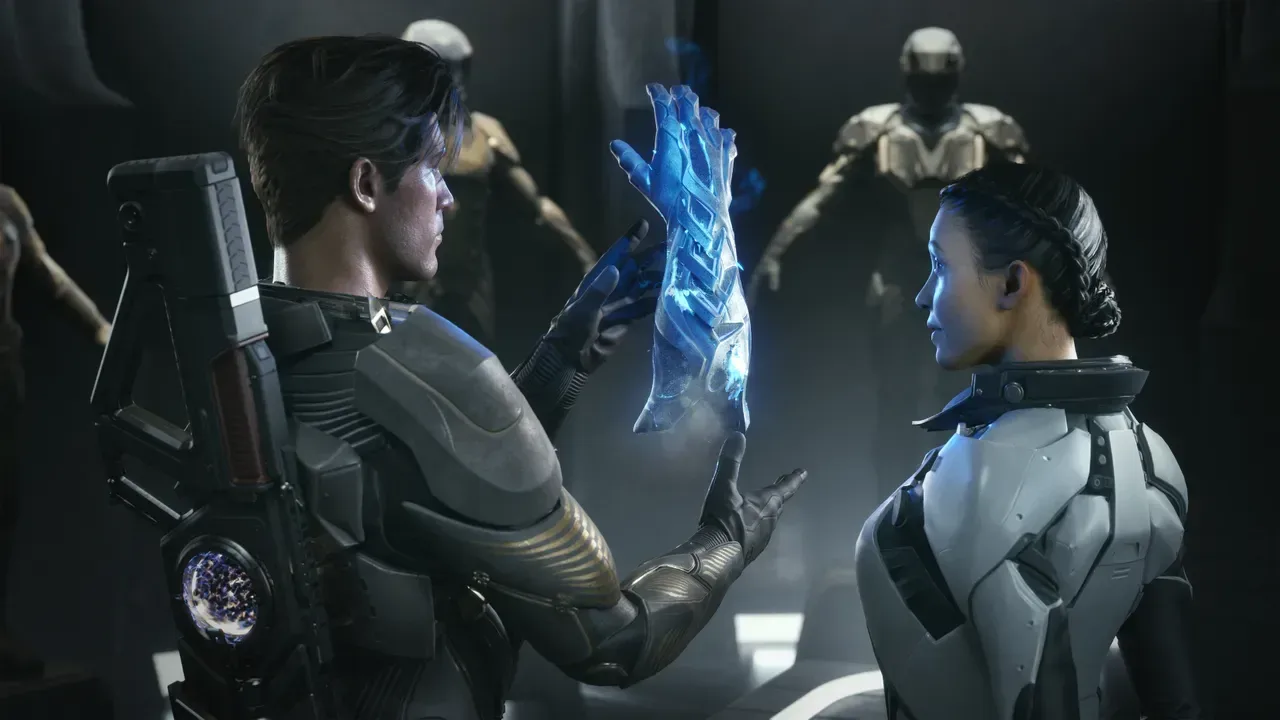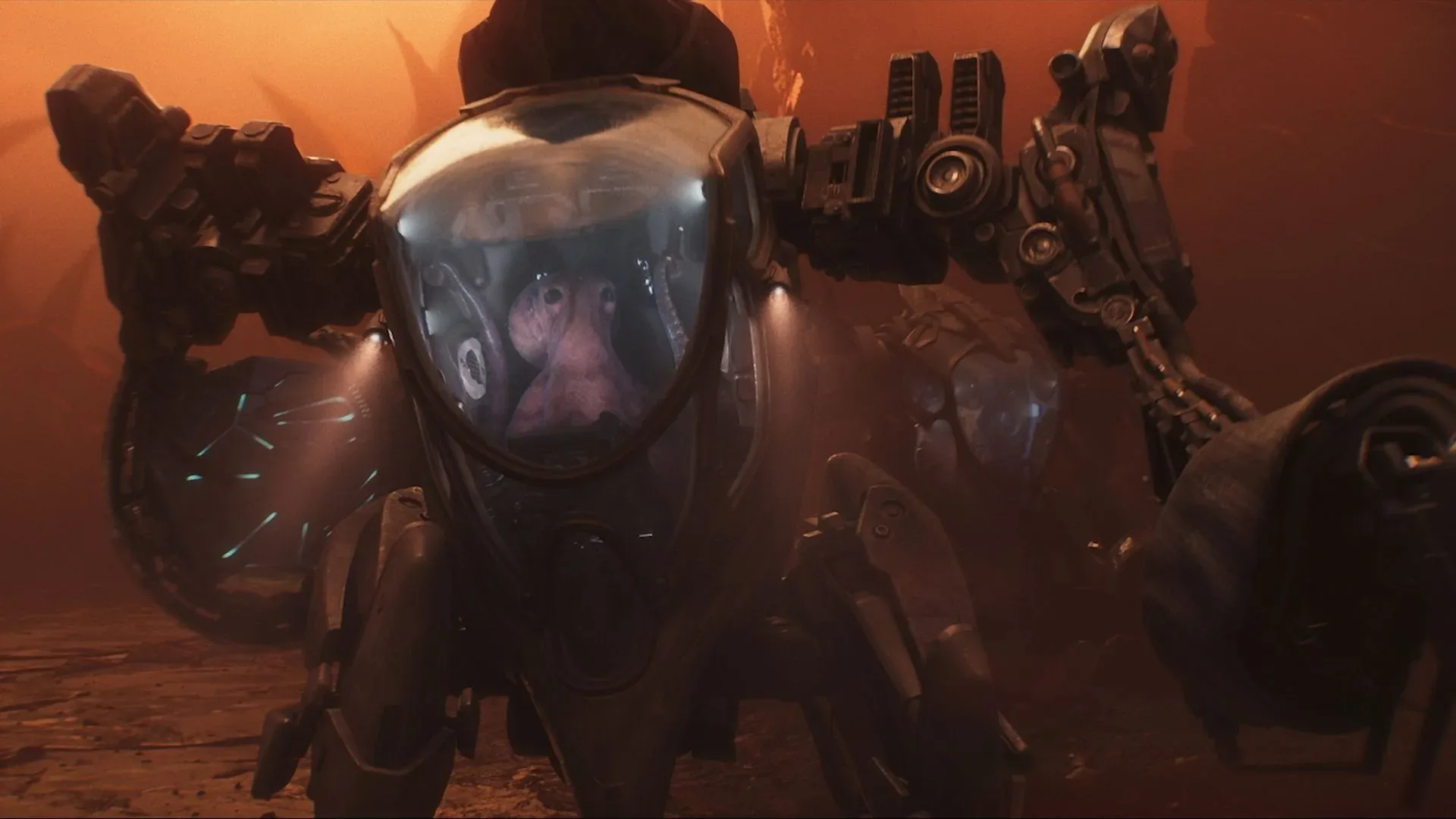
Exodus, the upcoming space-opera RPG from Archetype Entertainment, is placing major narrative weight on the decisions players make. Its relationship systems are intended to evolve through play, and those changes may reach far beyond a simple approval meter: companion arcs, optional content, later missions, and the game’s ending can all shift in response to choices.
The game’s narrative director, Drew Karpyshyn, has indicated that the central goal is to make relationships feel like they develop rather than sit still waiting for a dialogue prompt. A player’s behavior can bring certain companions closer while creating distance with others. That distinction matters because the people aboard a role-playing game’s ship are usually more than a collection of combat skills and colorful jackets. They are the audience most likely to remember every ethically dubious space decision the player makes.
“Making their relationship with you grow, allowing it to evolve from the choices you’ve made, and realizing that the choices you make are going to bring some companions closer to you, but maybe push some companions farther away.”
That approach gives Exodus a potentially consequential party dynamic. Karpyshyn has said those relationship changes will affect the direction of individual character stories. More ominously, he has also confirmed that players might not finish the game with every companion they had at the start. The exact causes, thresholds, and possible outcomes remain under wraps, but the implication is clear: keeping the crew together may not be automatic, and it may not be possible to make everybody happy.
Companions are more than a dialogue-tree decoration
Party-based RPGs often ask players to balance a main plot with the hopes, fears, grudges, and personal missions of their companions. Exodus appears to be taking that familiar foundation and connecting it directly to the wider campaign. Karpyshyn’s comments point toward friction that can emerge when companions disagree with the player’s words or actions at important moments.
That leaves room for more interesting outcomes than a clean good-versus-evil split. A companion might approve of a decisive move but dislike the method. Another might be loyal to the player while being unable to accept a specific political, personal, or moral line. If Exodus follows through on that premise, disagreement may become part of the storytelling rather than merely a warning that a tiny invisible number has gone down.
Importantly, the available information does not establish that losing a companion necessarily means a character dies. A party member could leave, become alienated, follow a separate path, or otherwise become unavailable. It is also possible that danger and survival enter the equation later on, but that has not been confirmed. For now, the firm detail is that a full starting roster is not guaranteed to remain intact by the conclusion.
That uncertainty is exactly what gives the idea some bite. A game can make every companion like the player eventually, regardless of what happens, but that can reduce relationships to a checklist. A system willing to let bonds strain—or break—creates the possibility that a decision made hours earlier still has emotional debris floating around when the story reaches its biggest moments.
Related coverage includes Exodus Choices Can Change Companion Paths and the Game's Ending.
Optional content may alter the road ahead
The consequences in Exodus are not limited to the main path. Karpyshyn has said optional content can include decisions that lock or unlock elements, adjust relationships and character outcomes, and change future missions. That wording suggests side content could be more than a place to collect equipment, experience, or a decorative helmet with objectively questionable aerodynamics.
Players may need to treat optional missions as part of the game’s narrative fabric. Choosing whether to pursue something, how to resolve it, or whom to support could affect what becomes available later. The important qualifier is that specifics have not been detailed. There is no confirmed map of branching quests, no published list of companion requirements, and no explanation yet of how broadly these changes can reshape a playthrough.
Still, the design direction is notable. When optional choices have the power to open and close later opportunities, the player’s route through a role-playing game gains a more personal shape. Two players can reach the same broad destination while arriving with different allies, different unresolved tensions, and different circumstances surrounding the final stretch.
What has been established so far
- Player choices can influence companion relationships.
- Some choices can bring companions closer, while others can push them away.
- Those relationships are meant to affect the paths of companion storylines.
- Not every companion present at the beginning may still be with the player at the end.
- Optional content can lock or unlock later elements and affect future missions, characters, and relationships.
- Choices can have an impact on Exodus’ ending.
A familiar RPG lineage, with a new universe to carry it
Comparisons to Mass Effect are likely to remain attached to Exodus, and Karpyshyn has described that series as a reasonable frame of reference for understanding the new game. The connection is hardly mysterious. He previously helped shape major stories at BioWare, while Exodus is also building around a morality system known as Paladin/Immortal, romance and relationship dynamics, a companion-focused structure, and decisions with broader consequences.
That does not mean Exodus’ story will simply replay a previous formula in a different galaxy. The setting, cast, and systems belong to a new project. But the shared interest in characters reacting to player conduct makes the comparison useful shorthand. Fans of choice-driven science-fiction RPGs will recognize the appeal of trying to protect a team while making calls that may please one person and deeply irritate another.
The most memorable examples of this style of RPG usually make the party feel like people with their own priorities rather than permanent employees of the protagonist. A companion who challenges the player can make a victory feel complicated. A friend who leaves can turn a supposedly successful mission into a personal failure. Conversely, earning someone’s trust can give a later scene a weight that no amount of laser fire or interstellar spectacle can replace.
Exodus seems interested in those tensions. Its relationship model is not being presented merely as a route toward romance or a way to unlock a happy team photo. It is tied to character progression and potentially to the makeup of the group that faces the ending. That can make the player’s choices feel less like a test with one obvious correct answer and more like a commitment to a particular version of the protagonist.
What players should avoid assuming
There is plenty that remains unknown, and it is worth separating confirmed direction from attractive speculation. The game has not laid out which specific choices determine a companion’s fate, whether every companion can be lost, whether departures can be reversed, or whether the ending has radically different final scenarios. Nor is there confirmation that every optional mission is directly tied to a companion.
Likewise, “not having every companion” at the end should not automatically be read as a promise of a high-casualty finale. It could involve survival, separation, loyalty, availability, or several outcomes that depend on the character. Archetype Entertainment has deliberately kept the details guarded, so the remaining mystery is part of the pitch for now.
What players can reasonably expect is a game where choices are designed to echo forward. The player may be deciding not only what happens in a single scene, but what content appears later, which relationships remain viable, and what personal baggage the crew carries into future missions. That is a powerful promise for anyone who prefers an RPG save file to feel like a distinct story rather than a mostly identical tour with different button presses.
Release date and platforms
Exodus is scheduled to launch on April 7, 2027, for PlayStation 5, Xbox Series X|S, and PC. With a choice-heavy RPG likely to demand long sessions and a few anxious pauses before selecting dialogue options, console players may also want to keep their hardware planning in order; our guide to PS5 DualSense controller battery life, stick drift, and replacement planning covers one practical part of preparing for a lengthy campaign.
Until Archetype reveals more, the big question is not simply whether Exodus will offer multiple outcomes. It is how deeply its companions, optional paths, and finale are woven together. The current details suggest a crew that can remember the player’s choices, react to them, and perhaps decide they have had quite enough of the captain’s particular brand of space leadership.