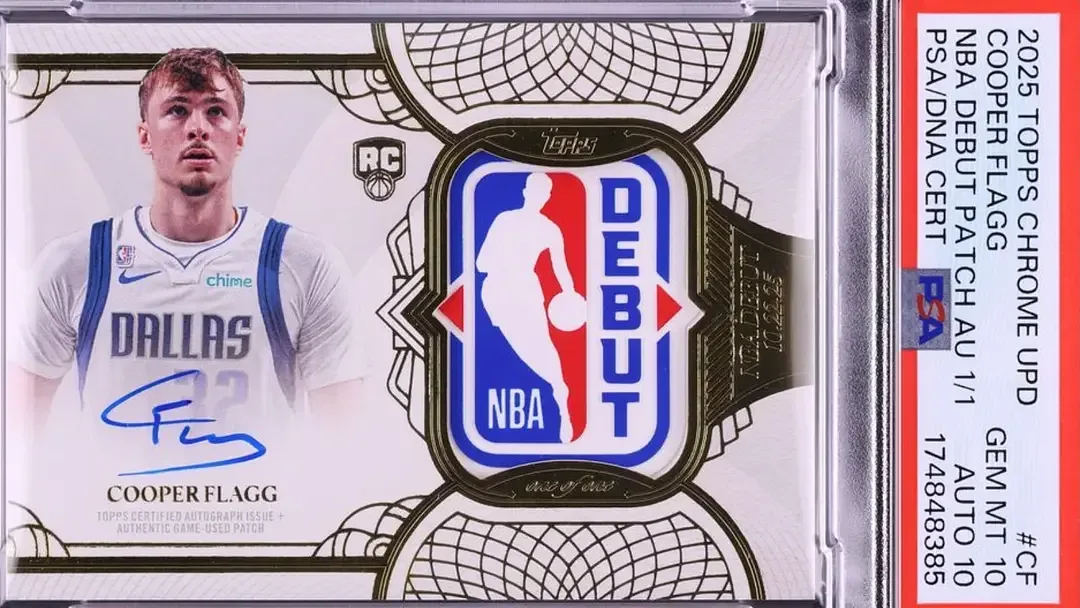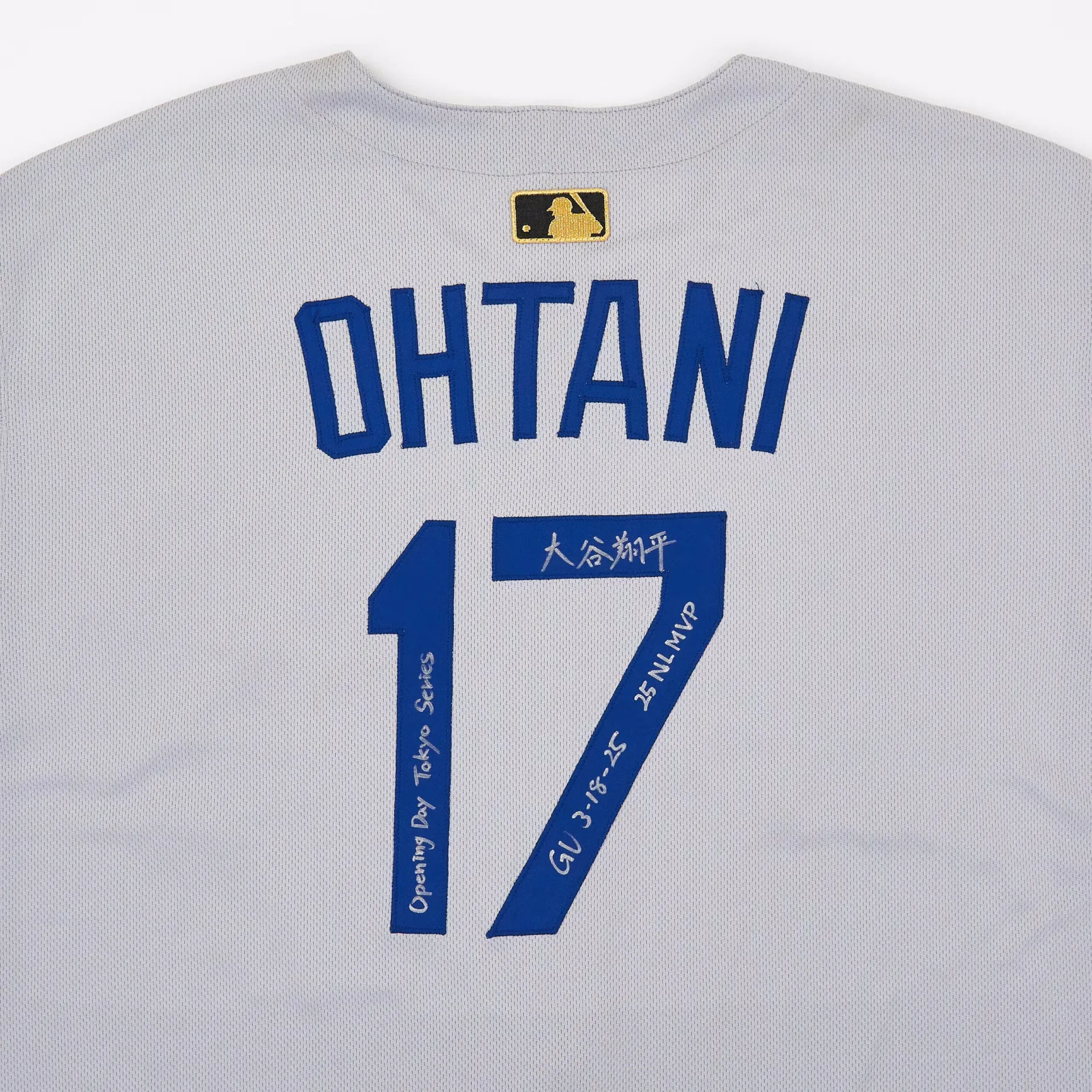
Fanatics, Major League Baseball, the National Football League, the National Basketball Association and the relevant players’ associations have won dismissal of Jones v. Fanatics, a consolidated consumer antitrust lawsuit centered on sports trading cards.
Chief U.S. District Judge Laura Taylor Swain of the U.S. District Court for the Southern District of New York dismissed the 13-count case in its entirety before discovery. The ruling rejects attempted-monopolization claims under the Sherman Act at this stage and marks Fanatics’ second favorable dismissal in the same court this year.
The result matters beyond the immediate plaintiffs because Jones was directed at cards bought indirectly—through hobby shops and retail stores—rather than directly from Fanatics’ Topps.com operation. It also arrived before the parties moved into discovery, the evidence-gathering portion of litigation where documents, data and testimony can be sought from the other side.
That procedural timing is important. A dismissal before discovery does not resolve every question collectors may have about licensing, product quality, jersey-card materials or card prices. It does mean the complaint, as pleaded, did not clear the legal thresholds necessary to continue as this case.
For more context, explore Translation Earbuds Explained: The AI Pipeline, the Pause, and the Fine Print.
What the consolidated lawsuit alleged
Jones v. Fanatics combined seven class-action lawsuits, narrowing multiple challenges into one case. Its focus was on purchases made from third-party sellers such as hobby shops and retail locations. The defendants included Fanatics, the leagues and the players’ associations.
At the center of the lawsuit were claims that the defendants’ licensing arrangements and related conduct amounted to attempted monopolization under the Sherman Act. In plain terms, an attempted-monopolization allegation is not established merely by arguing that one company became very prominent in a market. A plaintiff must plausibly connect the challenged conduct to legally actionable competitive harm and must also show a concrete injury of the kind that gives the plaintiff standing to sue.
The court found shortcomings on both fronts as they were presented here. One central claimed harm involved card pricing. Judge Swain wrote that the plaintiffs did not provide market-wide analysis, data or other evidence supporting an inference of market-wide supracompetitive pricing.
Related coverage includes Fanatics, Major Leagues and Players Associations Win Dismissal in Jones v. Fanatics Antitrust Case.
“Supracompetitive pricing” is a technical antitrust term. It generally refers to prices alleged to be above the level competition would otherwise produce. The distinction between a collector feeling that boxes or singles have become expensive and demonstrating a market-wide antitrust overcharge is substantial. A legal claim needs allegations connecting prices to the challenged conduct across the relevant market, rather than scattered individual reactions.
The court specifically addressed the plaintiffs’ reliance on Reddit and YouTube material, describing those sources as anecdotal experiences and opinions from different individuals. That does not make community discussion unimportant to collectors. Hobby forums and videos can surface concerns, document product experiences and shape public debate. But the ruling underscores that anecdotal evidence alone was not enough in this complaint to establish a market-wide pricing claim.
Why the jersey-card allegation did not establish standing
The complaint also included an NBA-card quality theory tied to jersey materials. Plaintiffs alleged that Fanatics had cut off Panini’s supply of player jerseys for certain premium cards, leading to cards of reduced quality.
Judge Swain found that the named plaintiffs had not sufficiently alleged an injury from that theory for purposes of Article III standing. The decision noted that the complaint did not say what cards the named plaintiffs had purchased, much less allege that a named plaintiff bought a premium card affected by the asserted jersey problem.
Article III standing is the requirement that a federal-court plaintiff show a real, personal stake in the dispute. In practical terms, a person cannot rely solely on a general complaint that a product category became worse; the pleading must connect the challenged conduct to a concrete injury suffered by that plaintiff. The court’s point was not a broad declaration that collectors can never bring a quality-related claim. Rather, it was that these plaintiffs did not allege the necessary personal connection to the particular degradation they described.
For collectors, that distinction is useful. A premium card’s value can turn on details that may seem highly specific outside the hobby: which player is pictured, what card product it came from, whether it contains memorabilia, and what kind of memorabilia is represented. But legal claims based on those details still require equally specific allegations about a purchaser’s actual card and actual harm.
A second dismissal in 2026
The ruling follows the earlier 2026 dismissal of Scaturo v. Fanatics by the same court and judge. That class action concerned direct purchases through Topps.com. Jones reached a different route to market, involving indirect purchases at hobby shops and retail outlets, but it likewise ended at the pleading stage.
Taken together, the two outcomes are significant for the sports-card business because they test separate consumer-purchase theories. The earlier case concerned a buyer transacting directly with the company. The newer consolidated case sought to address people who acquired cards from intermediary sellers. The latter approach did not avoid the need to plead a recognizable consumer injury with sufficient detail.
It is also worth being precise about what “dismissed before discovery” means. Discovery is not a casual fact-finding exercise; it is the formal litigation process in which parties can seek evidence relevant to the claims and defenses. Ending a case before that phase indicates the court concluded the allegations themselves were insufficient as a matter of law. The ruling does not report a trial finding about every disputed business practice, nor does it amount to a product-quality scorecard for every sports-card release.
Potential relevance to Panini v. Fanatics
Judge Swain is also assigned to Panini v. Fanatics. That makes the reasoning in Jones notable, even though the cases are not identical and this dismissal does not decide the Panini dispute.
The immediate lesson is narrower than a prediction of the ultimate outcome: claims connected to the trading-card marketplace will receive close scrutiny over alleged harm, supporting facts and the link between a plaintiff’s own circumstances and the conduct challenged. In Jones, the court found the pleaded pricing theory lacked market-wide support and the product-quality theory lacked allegations that a named plaintiff bought a card affected by the claimed issue.
Those findings may place added pressure on arguments that depend on generalized claims of consumer harm. But it would be an overread to call the decision a final answer in the Panini litigation. Different parties can advance different legal theories, rely on different allegations and seek different forms of relief. The ruling is a meaningful data point because the same judge issued it, not a substitute for the merits of the separate case.
What collectors should take from the decision
For people buying sealed products or singles, the decision does not change a card’s checklist, scarcity, condition or personal appeal. It also does not establish that all concerns about pricing or premium-card construction are unfounded. It says that the particular consolidated complaint did not adequately support its broad price allegations and did not sufficiently identify a direct injury from the asserted NBA jersey-card issue.
The practical takeaway is that the hobby’s strongest public conversations and the strongest legal claims do not necessarily use the same kind of evidence. Collector reports can be valuable signals, especially when a community identifies a recurring issue. A court evaluating an antitrust case, however, looks for properly pleaded facts that establish personal injury and support a market-wide conclusion where one is claimed.
Fanatics and its co-defendants therefore leave this ruling with a complete dismissal of Jones, while the legal and marketplace questions surrounding major sports-card licenses remain under attention. For now, the clearest outcome is procedural but consequential: the indirect-purchaser consumer challenge did not get past the complaint stage.