Tokyo Game Show 2026’s cosplay lineup was not content to live entirely in the present. The 20 highlighted costumes from the show floor stretch from deeply familiar gaming characters to figures associated with games that are still ahead of players. That is the genuinely interesting thread running through the selection: cosplay was functioning as both fandom celebration and a highly visible vote of confidence in games people cannot yet play.
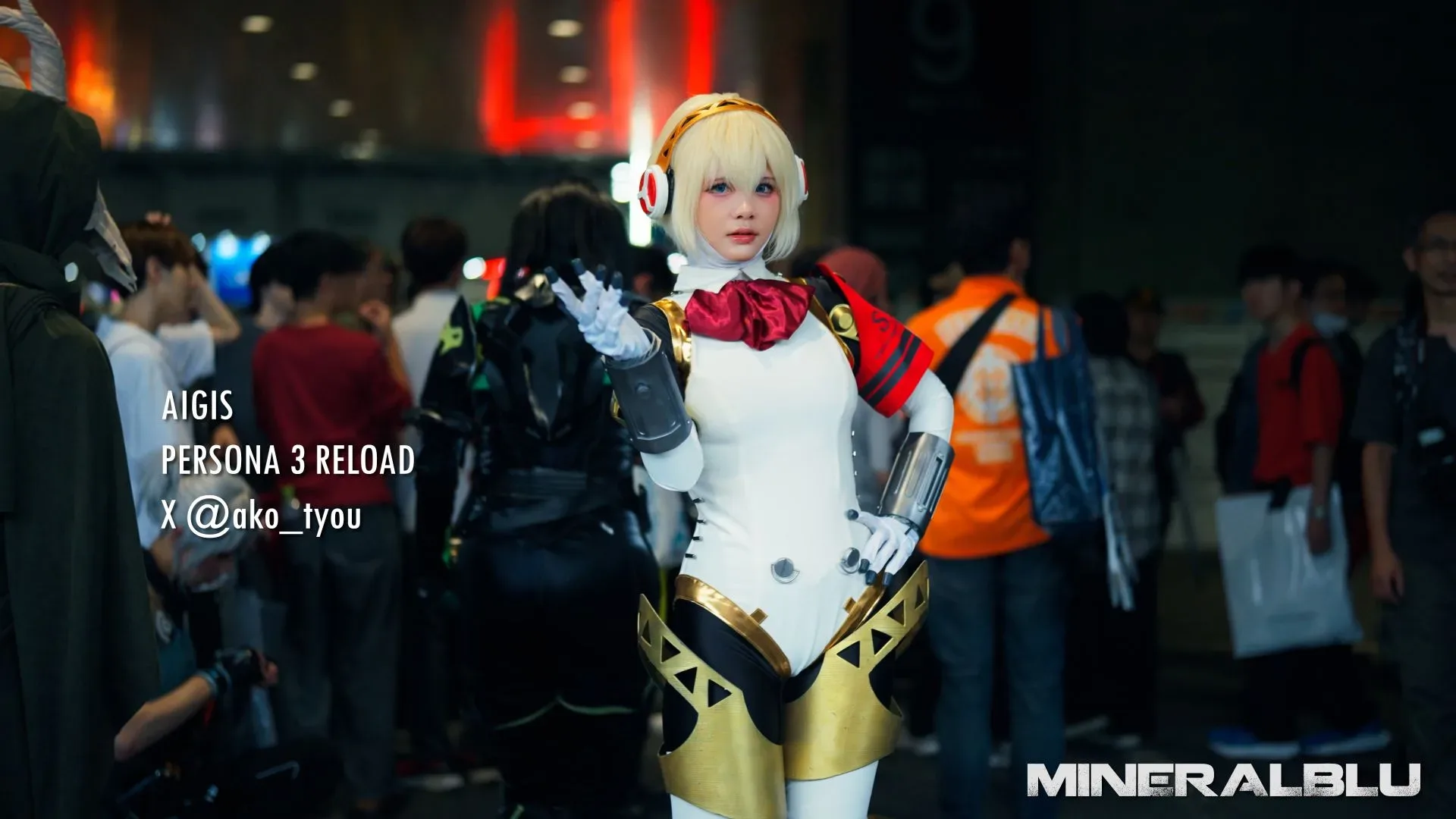
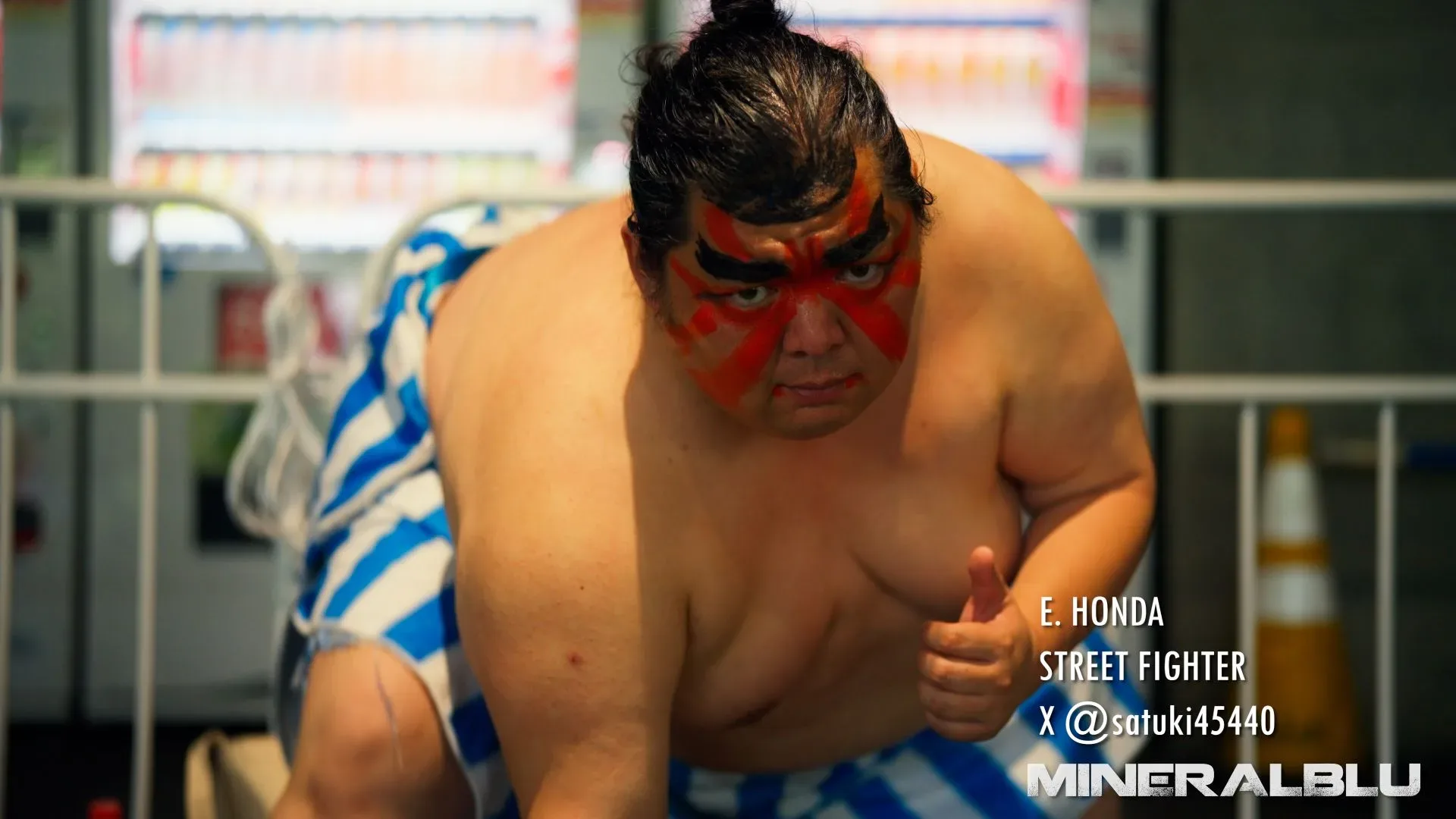
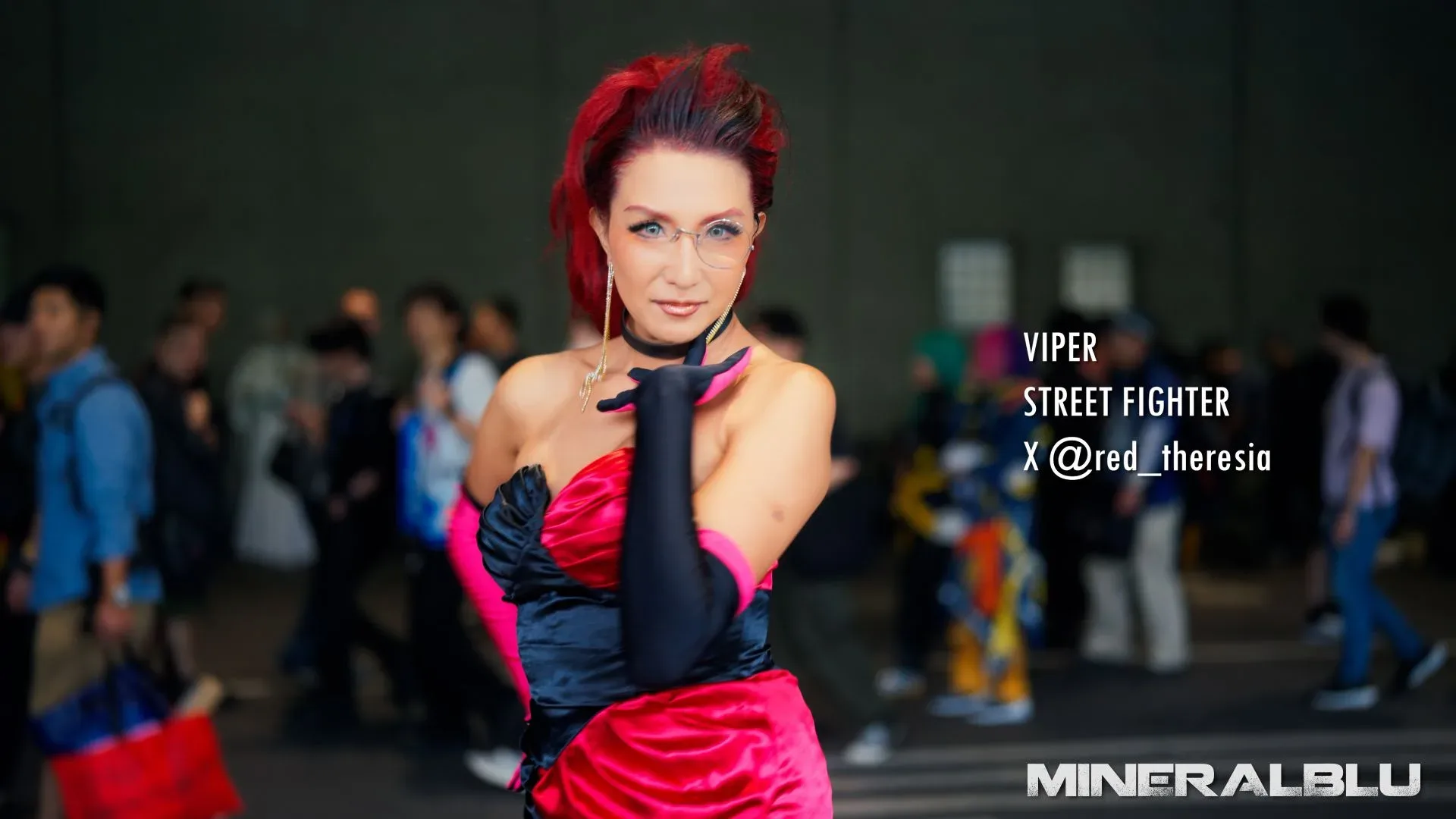
There were dependable, instantly legible choices. Aigis from Persona 3 Reload, E. Honda and Viper from Street Fighter, Kiryu and Majima from Yakuza, Malon from Ocarina of Time, plus a paired Marluxia and Larxene from Kingdom Hearts all draw on identities that have long circulated through game culture. Alongside them were choices connected to Blue Archive, Overwatch, Nikke, Palworld, Dot Abyss, and Resident Evil Requiem.
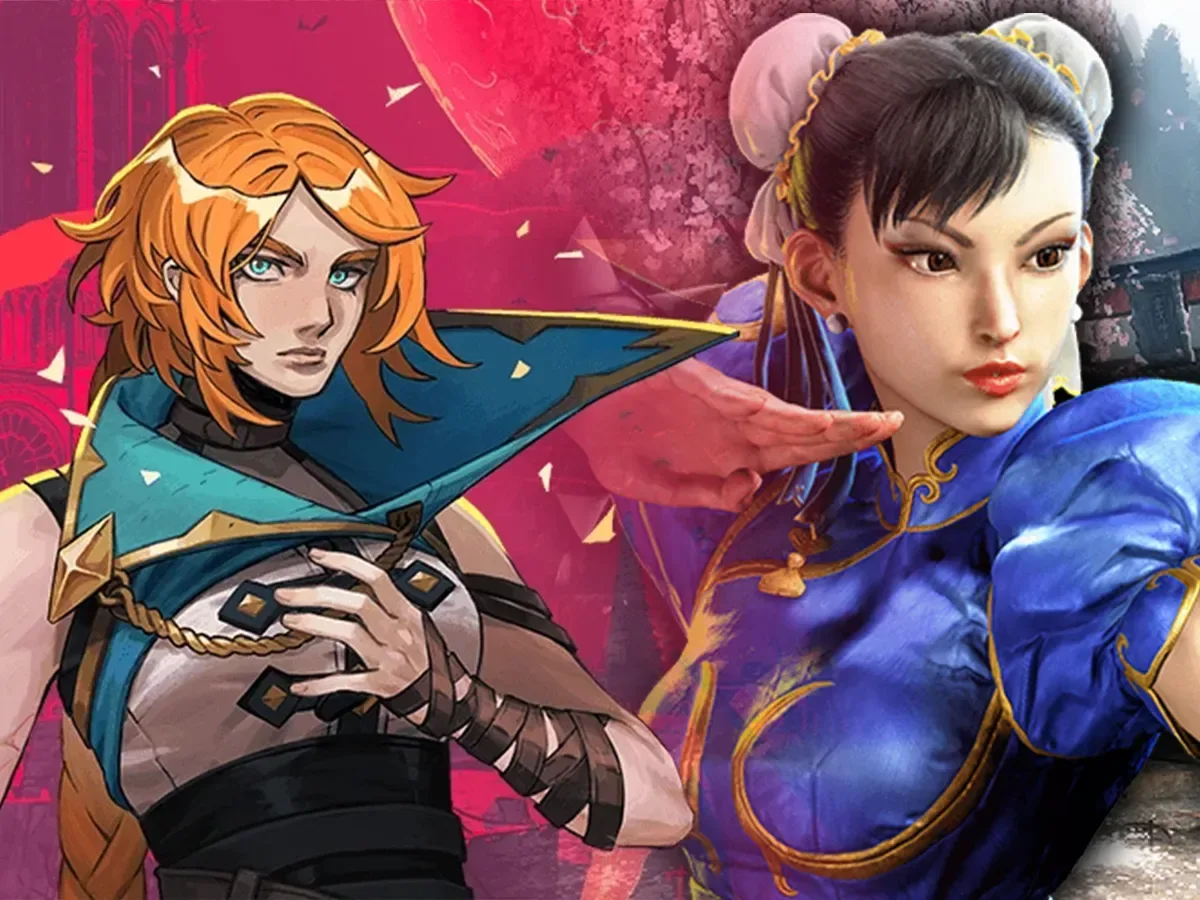
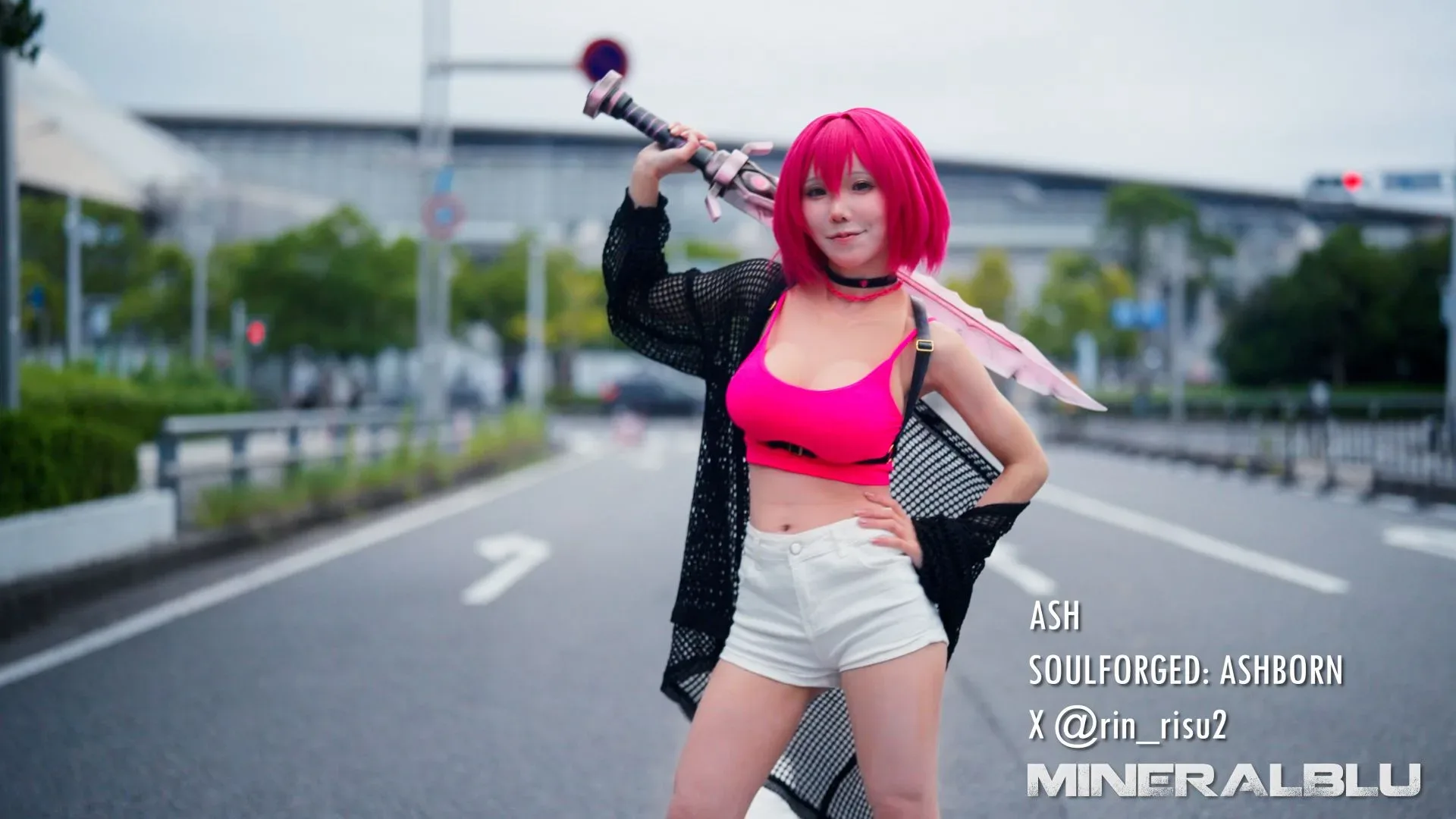
Then come the costumes that give the collection its forward-facing angle: Ash from Soulforged: Ashborn, Princess Lumina from Blast Blade, and Rose and Trevor Belmont from Castlevania: Belmont’s Curse. The set also includes Tamamo, listed with Kingdom of Mononoke. The event roundup describes Soulforged: Ashborn and Mononoke No Kuni as 2027 games, while Blast Blade is described as forthcoming without a release date. Those details are worth keeping separate: “forthcoming” is not a launch window, and a cosplay appearance is not confirmation of a game’s release plan.
Cosplay is a snapshot of what audiences are watching
Cosplay is often discussed as a costume craft, which it certainly is. But at an event centered on games, it also provides a rough cultural snapshot. A character chosen for the floor has crossed a threshold: someone has seen enough in that design, name, premise, trailer, promotional material, or surrounding conversation to want to turn it into a physical outfit.
That threshold can arrive well before launch. In practical terms, an unreleased-game costume says something different from a costume based on a title with years of player memories behind it. The wearer cannot lean on a broadly shared experience of completed levels, favourite scenes, or a familiar move set. Recognition has to begin with visual design and the audience’s awareness of the project. For the person making the outfit, this can mean working from a more limited pool of reference material. For people viewing it, recognition becomes a test of how far that game has already reached into public attention.
None of that makes a single costume a sales forecast. A show-floor selection is too small and too personal for that. It is better understood as a signal of enthusiasm, not a measurable verdict on a game’s future. Yet it is a useful signal because it is voluntary. No release calendar compelled someone to present Ash, Princess Lumina, Rose Belmont, or Trevor Belmont at the event. They chose those looks amid countless possible characters.
The old, the current and the not-yet-playable
The strength of this group is its range. Malon’s presence connects the show floor to a classic Ocarina of Time character. Kiryu and Majima represent a duo whose visual shorthand is immediately useful at a convention: two figures, one shared series identity, and an evident relationship between the costumes. The Marluxia and Larxene pairing similarly shows how cosplay can capture character connections rather than simply isolate one individual design.
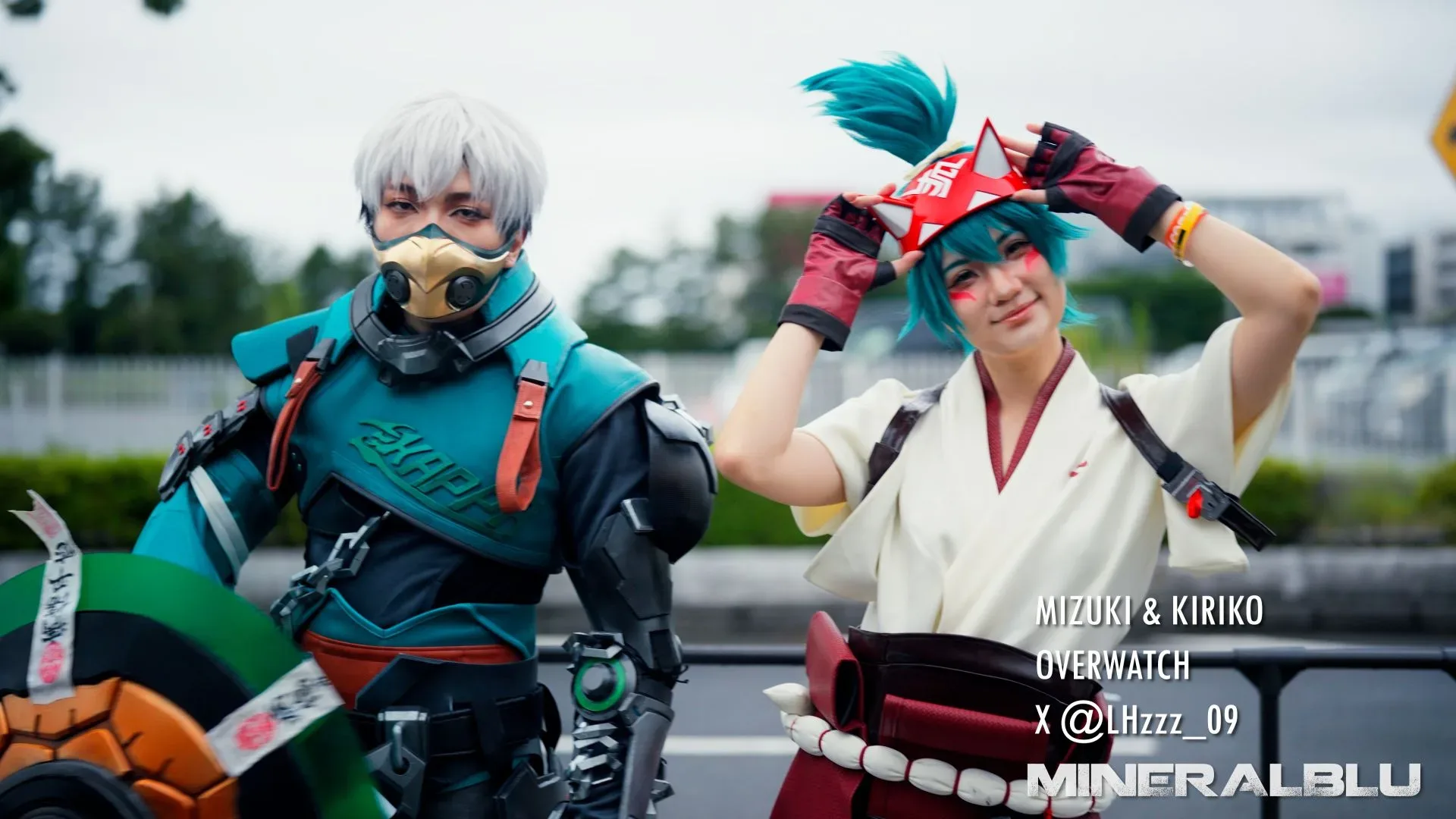
There are other paired or complementary choices. Mizuki and Kiriko appear together under the Overwatch banner, while E. Honda and Viper place two Street Fighter representatives in the overall group. These are not necessarily coordinated costumes—the available information does not establish that—but the collection itself illustrates how a convention floor brings several corners of a franchise into the same visual conversation.
Related coverage includes Tokyo Game Show 2026 Cosplay Embraced Games Both Familiar and Far Ahead.
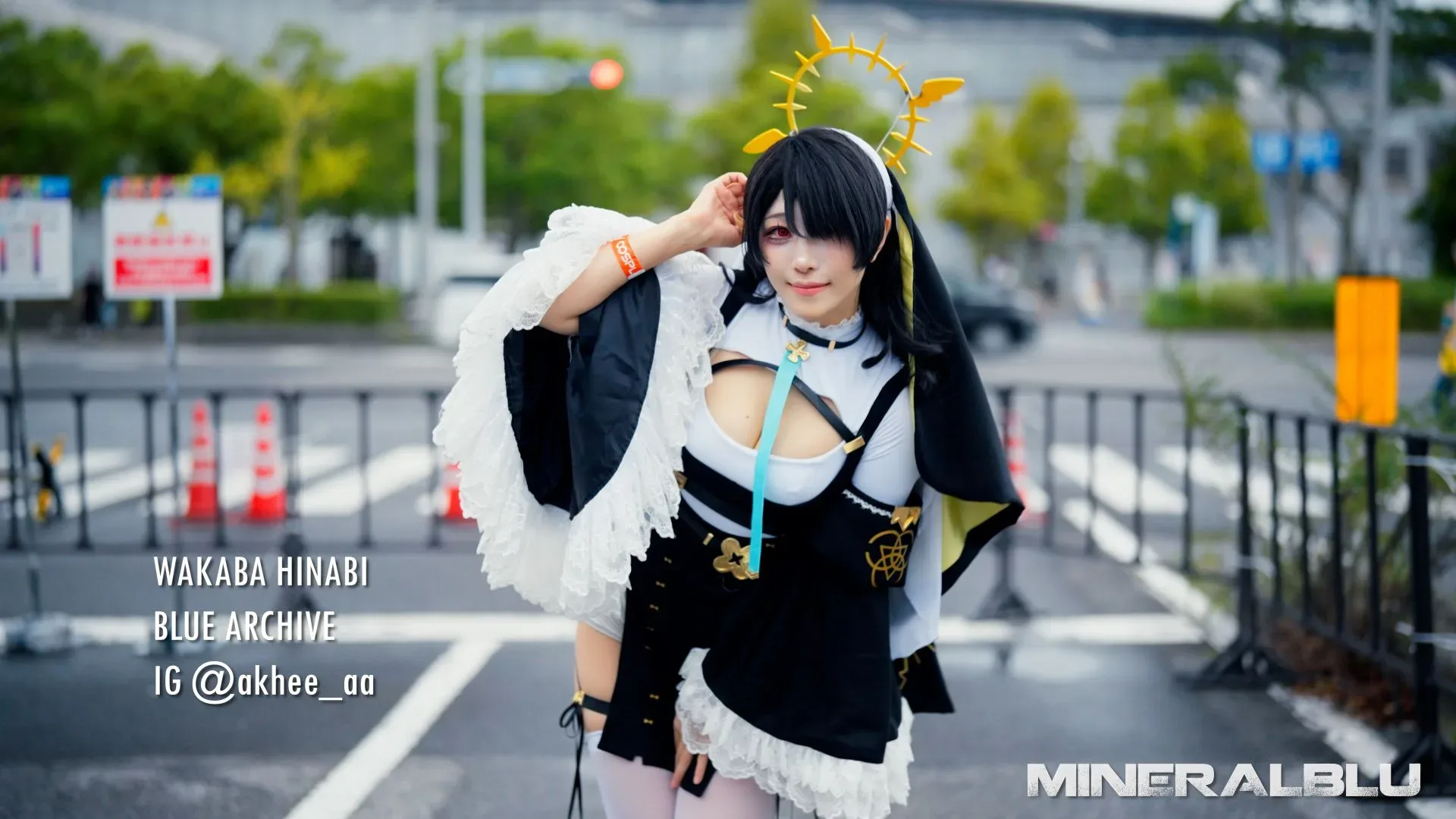
Meanwhile, Shiroko and Wakaba Hinabi bring two Blue Archive entries to the set. Spring Flight Sora represents Nikke. Pico is identified with Dot Abyss. A cosplay labeled simply Palworld is also included, without a character name in the provided listing. That last distinction matters: it is safer to call it a Palworld-themed cosplay than to assign a specific character or creature identity that has not been supplied.
This is why a curated cosplay gallery can be more interesting than a parade of only the biggest current releases. It captures multiple rhythms of game fandom at once. Some people return to characters that remain meaningful across years. Some respond to projects that are active in current conversation. Others embrace designs from games whose public life is still only beginning.
What “forward-looking” means here
“Forward-looking” does not necessarily mean technologically futuristic. In this case, it means temporally ahead of the normal relationship between player and character. Usually, a game launches, people meet its cast through play, and cosplay follows. Here, at least part of the lineup reverses that order. A character is being embodied before the game’s release, or before a release date has been set.
That makes costume accuracy a slightly different proposition. For an established game, players can compare an outfit with extensive in-game appearances, reference art, cinematics and community knowledge. For an unreleased project, the available visual canon may be narrower. The goal is not necessarily to reproduce every possible angle; it can be to capture the elements that make the character readable now. Colour arrangement, silhouette, props, hair, accessories and posture can all carry that burden, although the supplied material does not provide enough detail to judge how any individual costume approached those elements.
It also gives early cosplay a useful cultural role. It makes an upcoming game feel present in a public space. A trailer is a screen-bound artifact. A costume puts a character into crowds, photographs and conversations. That does not change the game itself, but it can change how visible the game feels among the people attending.
A careful read of the upcoming-game names
The most prominent early-adoption examples are clear enough in the listings. Ash is associated with Soulforged: Ashborn, identified in the event discussion as a 2027 title. Princess Lumina is associated with Blast Blade, described as a forthcoming fighting game with no release date given. Rose Belmont and Trevor Belmont are associated with Castlevania: Belmont’s Curse, and the roundup specifically emphasizes the pair as standout outfits.
There is one naming detail worth treating cautiously. The wider discussion refers to Mononoke No Kuni as a 2027 game, while the individual cosplay listing names Tamamo from Kingdom of Mononoke. The material does not explain whether those names refer to the same project, a translated title, or separate works. Rather than flattening that uncertainty into a claim, the sensible reading is simply that Tamamo’s costume is part of the forward-looking portion of the selection and that the exact title relationship is not clarified here.
That restraint is especially important around unreleased games. Fans naturally want a costume to answer questions about character roles, designs, mechanics, launch timing, or official status. It cannot do that on its own. Cosplay is evidence of interest and creative engagement, not a product roadmap.
Why this matters beyond one convention floor
For creators, the practical lesson is that a character does not need decades of legacy to inspire a costume. A strong enough visual concept can invite participation before a game has reached players. For eventgoers, it is a reminder that the floor can be a discovery space as much as a reunion with favourites. A passerby who recognizes Malon or Aigis may discover Ash or Princess Lumina in the same sequence of photographs.
For game communities, the mixture also highlights how many ways people connect with a game. Playing is only one form. Making a costume, spotting a reference, collaborating on a duo, photographing an outfit, or simply learning a character name from a crowd all belong to the broader social life around games. That same impulse appears in digital spaces, too, where players use character skins and mods to make a game their own; for a separate example of that kind of expression, see the report on custom skins in Gears of War: E-Day’s Incursion Mod.
The Tokyo Game Show selection ultimately works because it does not treat nostalgia and anticipation as opposites. Malon, E. Honda, Aigis, Kiryu, Majima, Shiroko, Kiriko, Ash and Princess Lumina all occupy different places in gaming’s timeline, but they can share the same convention floor. That is the appeal of the group: established favourites offer instant recognition, while costumes from forthcoming games ask the crowd to look a little further ahead.
The 20 featured cosplay entries
- Ash — Soulforged: Ashborn
- Aigis — Persona 3 Reload
- Wakaba Hinabi — Blue Archive
- E. Honda — Street Fighter
- Viper — Street Fighter
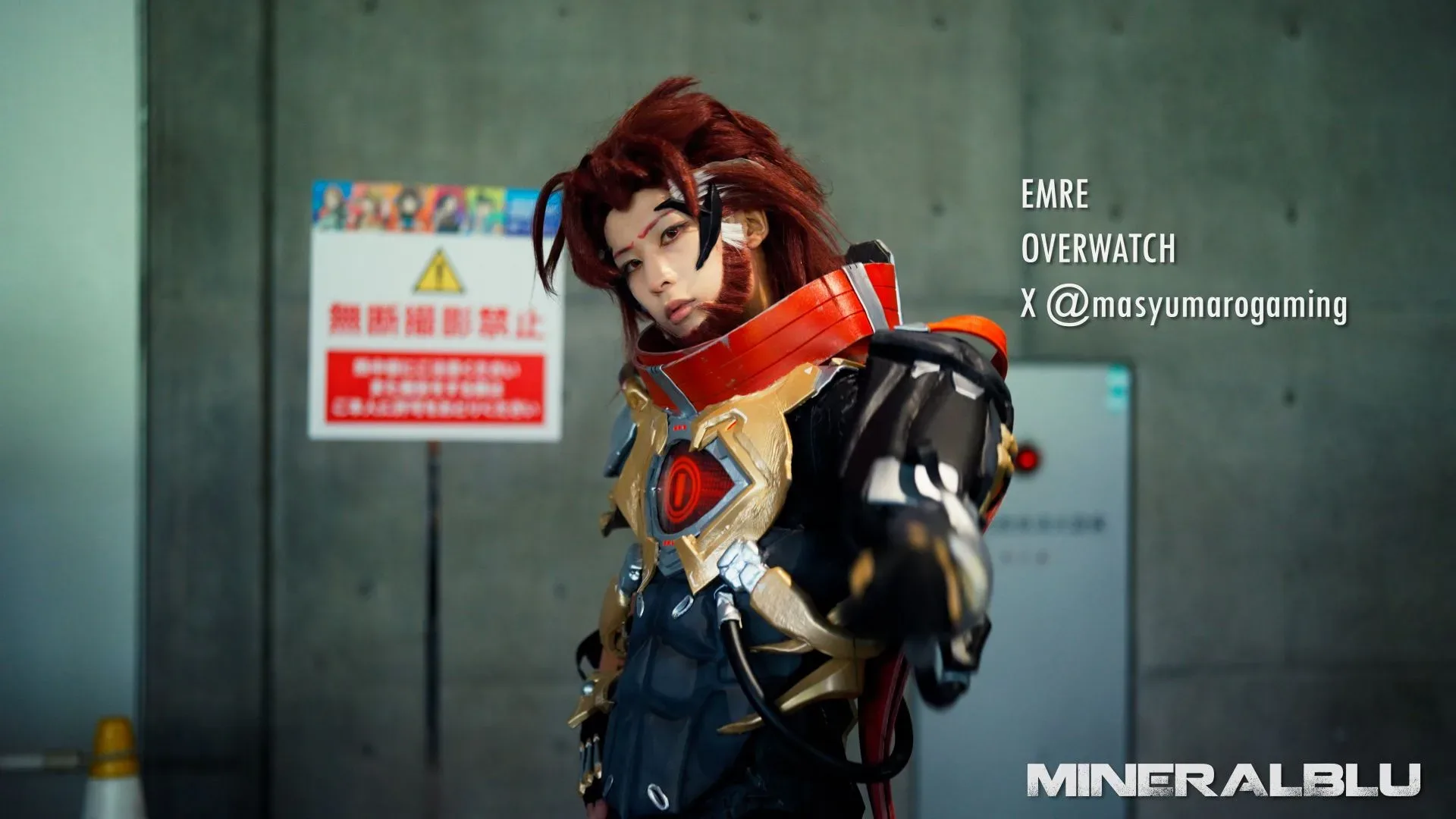
- Emre — Overwatch
- Mizuki and Kiriko — Overwatch
- Grace — Resident Evil Requiem
- Tamamo — Kingdom of Mononoke
- Juliet Starling — Lollipop Chainsaw 2: Back2Back
- Spring Flight Sora — Nikke
- Palworld-themed cosplay
- Marluxia and Larxene — Kingdom Hearts
- Kiryu and Majima — Yakuza
- Pico — Dot Abyss
- Shiroko — Blue Archive
- Malon — Ocarina of Time
- Princess Lumina — Blast Blade
- Rose Belmont — Castlevania: Belmont’s Curse
- Trevor Belmont — Castlevania: Belmont’s Curse