
The “Nigerian prince” email is so embedded in internet culture that it can seem like a relic born alongside spam folders, chain mail and dial-up connections. But the format behind it is far older than email. Its essential pitch—an unexpected fortune is within reach, provided the recipient first sends money, goods or sensitive information—was circulating in physical letters decades before the first widely recognized ARPANET spam advertisement in 1978.
That matters because the most useful way to spot the scam is not by waiting for a particular phrase, country, title or spelling mistake. Those details are costumes. The underlying plot is an advance-fee fraud: a criminal promises access to money, property or a valuable reward that does not actually exist, then demands an upfront payment or information needed to take more from the target.
Sometimes the sender is supposedly royalty blocked from an inheritance. Sometimes it is a banker who needs help moving funds, a lawyer handling an unclaimed estate, or a representative offering a share of an enormous insurance payout. The names and setting can change completely while the central exchange remains the same: pay or disclose something now, and you will receive far more later.
Before inboxes, there was the Spanish Prisoner
One early documented relation of the modern scheme was known as the Spanish Prisoner con. In this version, a person claimed that someone of means was being held in a foreign prison. The imprisoned person allegedly had a hidden fortune, but needed outside help to retrieve it. A recipient who responded by telegram and offered assistance was told they would receive a generous portion of the wealth.
The emotional machinery is recognizable. The recipient is not simply asked to buy something. They are invited to be a rescuer, confidant or uniquely trusted partner. A fictional emergency creates pressure; a promised reward makes the risk appear worthwhile; and the distant setting makes immediate verification feel difficult. Those components remain useful to fraudsters because they redirect attention away from a simple question: why would a stranger with access to vast wealth need money or financial details from me?
An 1897 item in an Australian Police Gazette described a letter offering £25,000 to help recover £75,000 in bank checks. It is a strikingly direct ancestor of the contemporary fortune email. The claimed amount is large enough to make the requested help look trivial by comparison. That imbalance is not proof that an offer is genuine. It is often the sales pitch.
The term social engineering is useful here. It means manipulating a person into taking an action that benefits the attacker, often by exploiting trust, urgency, sympathy, greed or fear. Advance-fee fraud uses social engineering rather than technical wizardry as its first tool. A message can be crudely written and still be dangerous if it persuades someone to send funds, share account details or move the conversation somewhere less visible.
The prince was a role, not a reliable identifier
The royal angle also predates the era of mass email. In 1949, a 16-year-old Nigerian using the name Prince Richard contacted Americans seeking clothes and money in exchange for jewelry and other merchandise. Investigators found no connection to Nigerian royalty after the requested items arrived and the purported prince stopped responding.
Related coverage includes The advance-fee scam existed long before email.
Another case involved a 14-year-old Nigerian calling himself Prince Bil Morrison. He offered ivory and jewels in return for cash or clothing, and investigators said the title had been adopted “just for fun’s sake.” Postal authorities issued fraud orders against both teenagers, though available records do not establish what happened to them afterward.
These episodes do not make a nationality the warning sign. They show why labels such as “Nigerian prince scam” can be too narrow for practical safety. The 419 nickname refers to a section of Nigeria’s criminal code, but the fraud pattern is international and portable. A suspicious message may have no prince, no reference to Nigeria, no mention of a foreign bank and no obvious grammatical giveaway.
Its most dependable red flag is the transaction it asks the recipient to make. Is a stranger requesting a fee before releasing an alleged fortune? Do they need bank details, identification information, cash, gift-like goods or help receiving and forwarding money? Those are the questions that identify the con, even after its surface story has been rewritten.
Email made an old playbook cheaper to distribute
Physical correspondence imposed costs. A fraudster needed paper, envelopes, postage and delivery, and had to wait for an answer. By the 1980s, Nigerian advance-fee letters had gained international attention, but email’s growth in the 1990s made broad outreach much cheaper and faster. A scammer no longer needed a stamp to test the same fictional fortune on a large pool of recipients.
The change was logistical, not conceptual. The story barely needed to evolve. Email simply removed much of the expense and delay attached to traditional mail. That is why a scam with roots in letters and telegrams could become one of the most recognizable forms of online spam.
Spam is unsolicited bulk messaging, while phishing is a deceptive message intended to obtain sensitive information, money or access. An advance-fee message can be both: it may arrive as unsolicited bulk email and attempt to take money or credentials. The distinction is useful because a message does not need to contain a link to be harmful. A request to reply, wire funds, buy goods, or provide personal details is enough to start the fraud.
Links can add another risk. A fraudulent link may lead to a page designed to collect login information, payment data or identity details. That does not mean every suspicious message will use one; many are built around conversation and escalating requests. The safest response is not to investigate the offer through the contact details supplied by the sender.
Digital caution is one part of keeping personal technology manageable, alongside more ordinary upkeep such as understanding how Apple Intelligence can affect iPhone storage. But fraud protection relies less on tweaking a setting than on recognizing when a message’s proposed deal makes no sense.
The scam has more than one modern costume
Today’s familiar prince has competition. A message might claim to come from a lawyer overseeing an unclaimed inheritance. It may invoke a banker who needs account details to release funds. It could suggest that the recipient has been selected to receive part of a fortune, with a small administrative obstacle standing in the way.
The basic script works by creating a lopsided promise: an immense payout, an apparently modest request, and a reason the sender cannot solve the problem without the recipient. The request may begin with a minor fee or a seemingly harmless detail. Once a target engages, further demands can follow. The promised millions never arrive, but the demands can become more urgent, more personal and more expensive.
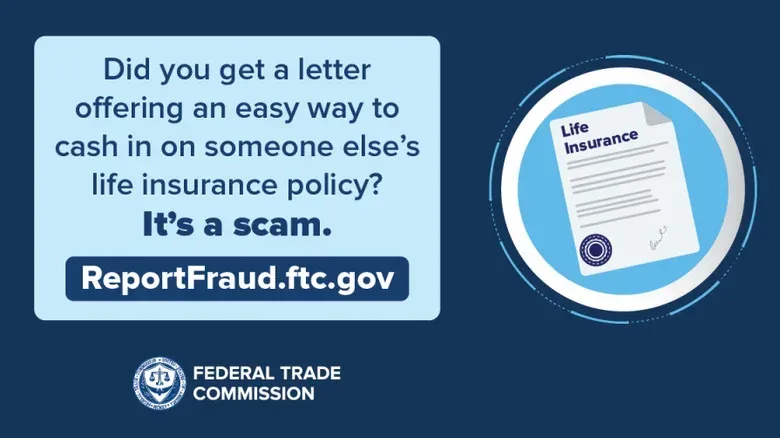
Physical mail has not disappeared from this category of fraud either. As recently as July 2026, consumer warnings were still being issued about letters that appeared to be from law firms and offered recipients a share of unclaimed life-insurance money worth millions. The real objective was not a payout. It was financial information or cash.
This persistence is an important corrective to the idea that every scam is a high-tech hack. A mailed letter can exploit the same emotional triggers as an email. A convincing-looking sender name does not establish authenticity in either format. The delivery method is secondary to the financial pressure and implausible promise.
What to do when an unexpected fortune arrives
The practical response is deliberately unglamorous. Do not click the links. Do not reply to challenge the sender. Do not send a fee, goods, account information or identity documents. Mark the message as spam or phishing where that option is available, then delete it.
- Pause at the upfront request. Legitimate wealth does not normally require a randomly selected stranger to pay first in order to unlock it.
- Protect personal and financial details. Banking information, login credentials and identity data can be as valuable to criminals as direct payment.
- Avoid the supplied route for “verification.” Contacting the phone number, email address or website inside the suspicious message simply hands control back to the sender.
- Use reporting tools. Reporting helps email services identify patterns, even if it does not guarantee that every future message will be stopped.
- Do not rely on blocking alone. Blocking can prevent messages from one address, but a new attempt can originate from another address.
The enduring lesson of the Spanish Prisoner, the self-styled princes and the modern inbox windfall is not that every scam looks identical. It is that the same incentive structure can survive an extraordinary change in technology. Telegrams became letters; letters became email; and email now shares the stage with other forms of digital contact. The convincing detail is never the supposed fortune. It is the request that the target give up something real before receiving anything at all.